The new guide roller turns freely, but the same belt edge begins rubbing it again after the feed changes. Before ordering from a conveyor guide rollers supplier, a quarry maintenance buyer should establish why the belt reaches that guide and what contact the proposed component is intended to accept. GRAM’s bearing guide roller range is a starting point for replacement geometry. Its separate self-aligning idlers address belt-centering duties. Replacing a local contact component and correcting the path of the belt are different decisions.
A worn guide can be part of the problem, especially if its bearing stops rotating. It can also be the visible consequence of a problem upstream. Record whether contact is brief or persistent, which operating condition brings it on and whether the belt edge is already damaged. Those observations help the supplier and engineer distinguish a replacement order from a change to the tracking arrangement.
Show the Conveyor Guide Rollers Supplier Where Belt-edge Contact Begins
The location of wear does not necessarily identify the origin of misalignment. A guide near a transfer point may receive a belt that has already moved sideways. Describe the contact location in relation to loading, nearby support rollers and the direction of travel, rather than treating the guide’s mounting bracket as the whole conveyor system.
Feed Changes Can Make an Apparently Correct Guide Position Look Wrong
A quarry operator may observe little edge contact when the belt is empty but repeated rubbing after material begins loading. Record that difference. Check whether the incoming material distribution changes across the belt and whether a particular feed condition precedes the lateral movement. An empty-belt observation alone cannot approve the guide arrangement for the loaded duty.
Another conveyor may show contact after a cleaning interval, when material has accumulated on a support component or when a retained roller no longer turns as intended. These observations suggest different investigations. The useful evidence is the relationship between operating condition and belt movement, not a single photograph of the edge resting against a roller.
The assessment should take place under the site’s safe observation and isolation procedures. Keep personnel clear of moving contact points; inspection of a roller, bracket or belt edge requires appropriate control of the equipment. A procurement guide does not provide permission to reach into the operating conveyor to demonstrate its behaviour.
One-sided Guide Wear Should Be Compared with the Belt’s Travel History
Identify whether one edge repeatedly contacts the same guide or whether the contact changes sides. Record the affected section and the operating direction. If the conveyor reverses, the guiding function and any corrective arrangement need explicit assessment for both directions. A component acceptable in one direction is not automatically suitable for a reversing duty.
Check the condition of the belt edge as well as the guide. A damaged edge can present a different contact surface from a sound one. Replacing the roller does not restore the belt edge, and moving the guide to follow a damaged edge can conceal the original alignment problem. Keep those two conditions separate in the replacement request.
Bearing Guide Rollers Must Match the Retained Bracket and Contact Height
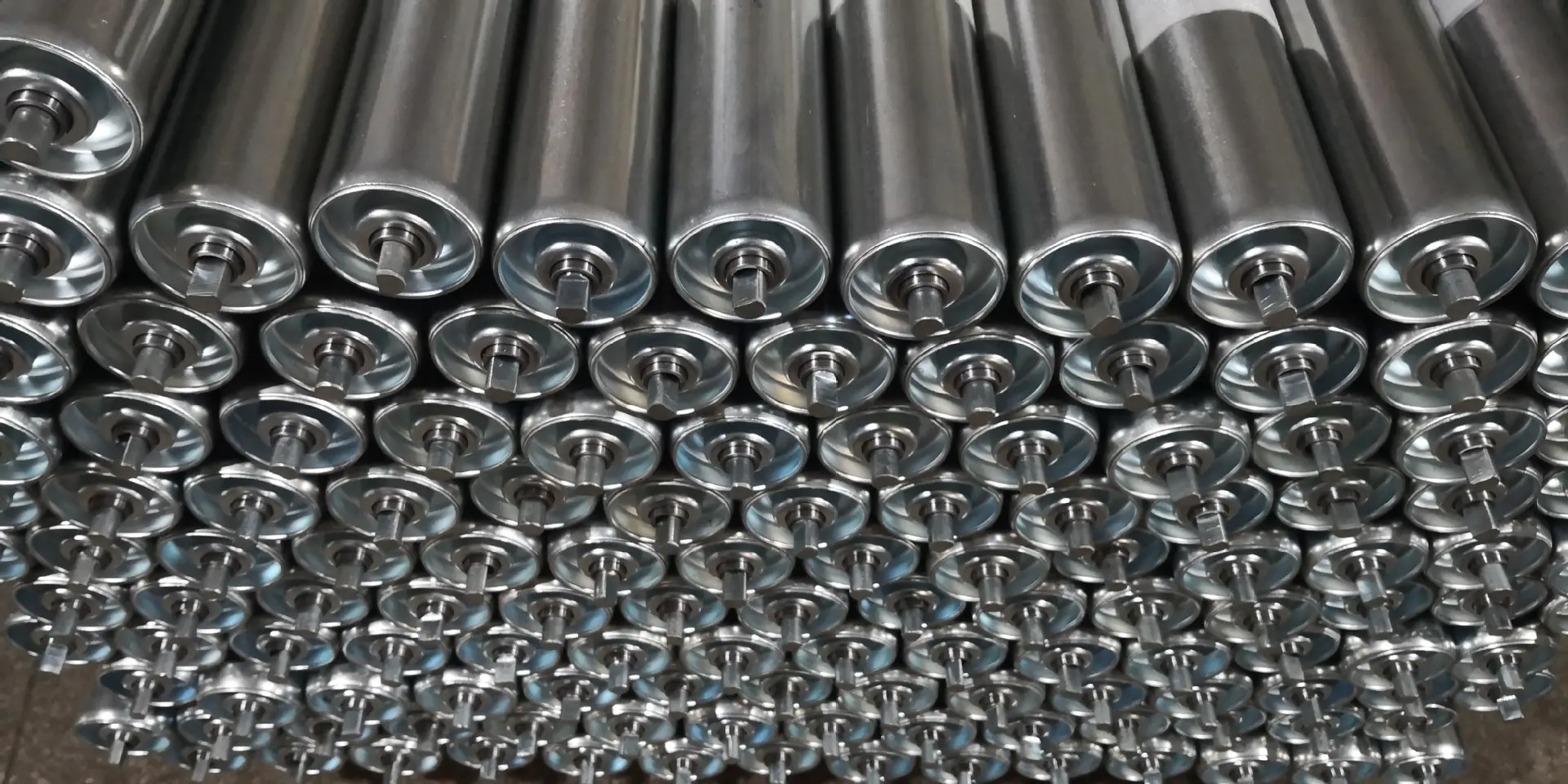
GRAM identifies guide rollers with built-in bearings and a range of shapes, sizes and materials. That is useful for narrowing a component search, but a built-in bearing does not establish the correct mounting arrangement for the retained bracket. The replacement must be described as an assembly with its contact surface, bearing arrangement and installation interface.
A Threaded or Shaped Shaft End Changes the Guide Replacement
Record the shaft-end form, the fixing arrangement and the space available for installation and retention. Do not infer the fixing from an outside body diameter. A guide with a different end arrangement may require a different bracket or fastener arrangement even when its contact surface looks similar to the original.
The maintenance buyer retaining an existing bracket should provide a dimensioned interface description. Include the location of the contact surface relative to the mounting points, not only the guide’s overall length. That allows a drawing review to expose a height or offset difference before the component is supplied.
If the supplier proposes a bracket change, describe it as a change rather than an exact replacement. The revised position needs assessment against the intended belt path and surrounding equipment. An improvised washer stack or a repositioned fixing can alter contact geometry without resolving the underlying tracking condition.
Also show the orientation of the guide axis on the installed drawing. A length measurement alone does not describe whether the working surface meets the belt at the intended angle. If the retained bracket has bent, reproducing its current position may reproduce the damaged installation rather than the original design. Compare the bracket condition with the approved arrangement before using it as the basis for a replacement.
When wear is concentrated near one end of the guide body, record that location rather than describing the whole surface as worn. It can help the reviewer assess whether the guide’s height and orientation present the intended contact area. The observation is not a diagnosis by itself; it needs the belt path and bracket geometry beside it.
A buyer replacing only the guide body should confirm which bearing, shaft and retaining parts will stay in service. If the existing assembly cannot be separated in the proposed way, a body-only quotation may not describe an installable replacement. Settle that supply boundary before accepting a lower component price.
Guide Body Material and Bearing Exposure Answer Different Questions
The guide’s working surface contacts the moving component, while the bearing permits the guide to rotate. Material selection should address the actual contact and environment. Bearing and sealing selection should address rotation and contamination. A suitable body material cannot compensate for an unsuitable bearing arrangement.
Describe dust, splash and cleaning exposure around the guide ends. If a seized bearing led to sliding contact, retain that observation in the order information. Request confirmation of the proposed assembly’s limits instead of assuming that a new coloured surface or a different body material automatically changes its protection against contamination.
GRAM’s polymer roller construction illustrates why these distinctions matter: its body, sealed bearings, non-contact rubber seals and metal end caps are identified separately. That assembly is a separate roller route, not proof that every guide carries the same parts. Obtain the guide’s own construction description.
Decide Whether the Conveyor Needs a Guide Replacement or a Tracking Correction
A guide controls contact at its installed position. A belt-centering arrangement is intended to influence tracking. Neither should be approved solely because the other is worn. The engineer should identify the required function and the cause to be addressed before the purchasing team selects the component family.
Rulmeca’s self-centering set description distinguishes an adjustable carrying arrangement from a simple local guide. Its models and installation distances are specific to Rulmeca, so they are not settings for a GRAM purchase. The useful distinction is between a guiding contact and a mechanism designed to correct belt position.
| Observed guide behaviour | What the replacement request should establish |
|---|---|
| The guide no longer rotates freely | Condition of its bearing and exposure at the ends, with the actual mounting interface. |
| A freely turning guide receives persistent edge contact | Where the belt begins moving laterally and which operating condition creates that movement. |
| A replacement changes the contact height | Whether the body, shaft and bracket drawing still match the intended belt path. |
| Contact changes when loading changes | Material distribution and nearby support conditions under the relevant loading state. |
The table separates questions; it does not diagnose a machine remotely. Several conditions can exist together. A damaged bearing can require replacement while uneven loading still needs correction. Keep both actions visible so the new guide is not expected to provide a function that belongs elsewhere in the conveyor.
Supporting Steel Rollers Deserve Attention Before Side Restraint Is Increased
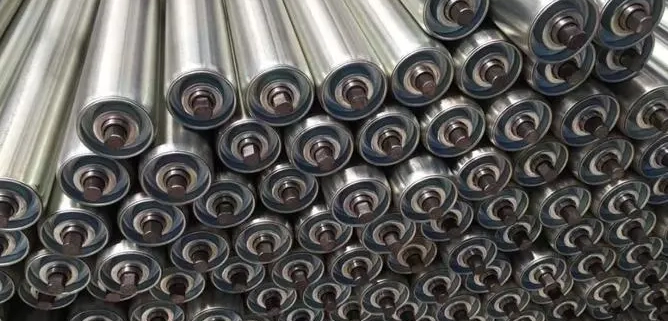
GRAM’s steel supporting rollers belong in a different part of this investigation. Their condition, alignment and rotation affect the support presented to the belt. A side guide should not be used as an excuse to ignore a retained support roller that is damaged or incorrectly positioned.
If supporting components require replacement, record which parts are being retained and which are changing. After an approved support correction, reassess the guide contact against the intended operating duty. This is more informative than tightening side restraint until the belt visibly stays inside a chosen boundary.
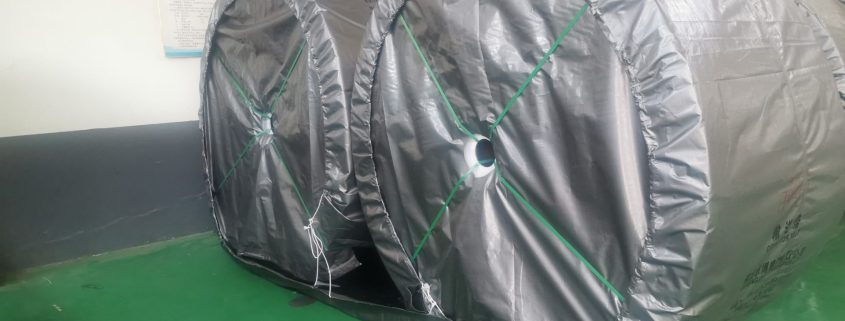
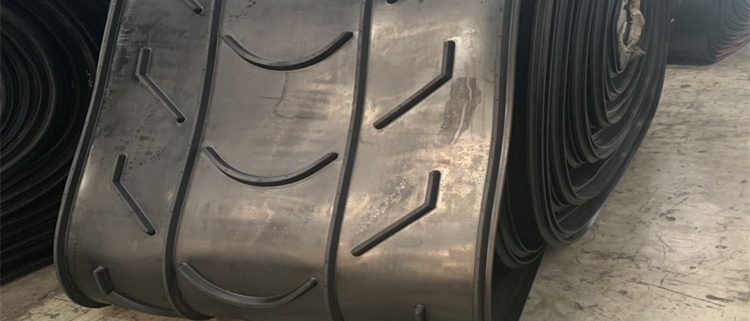
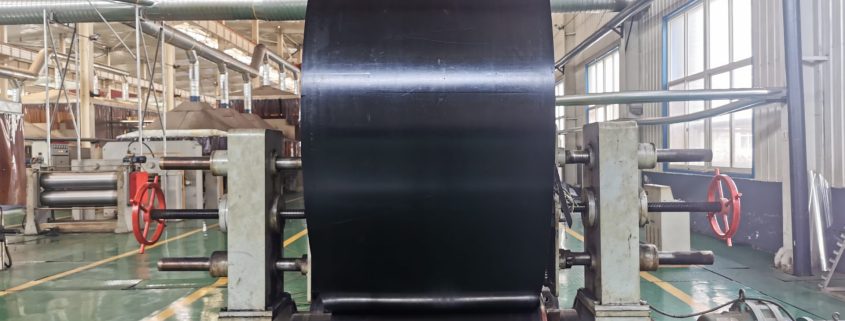
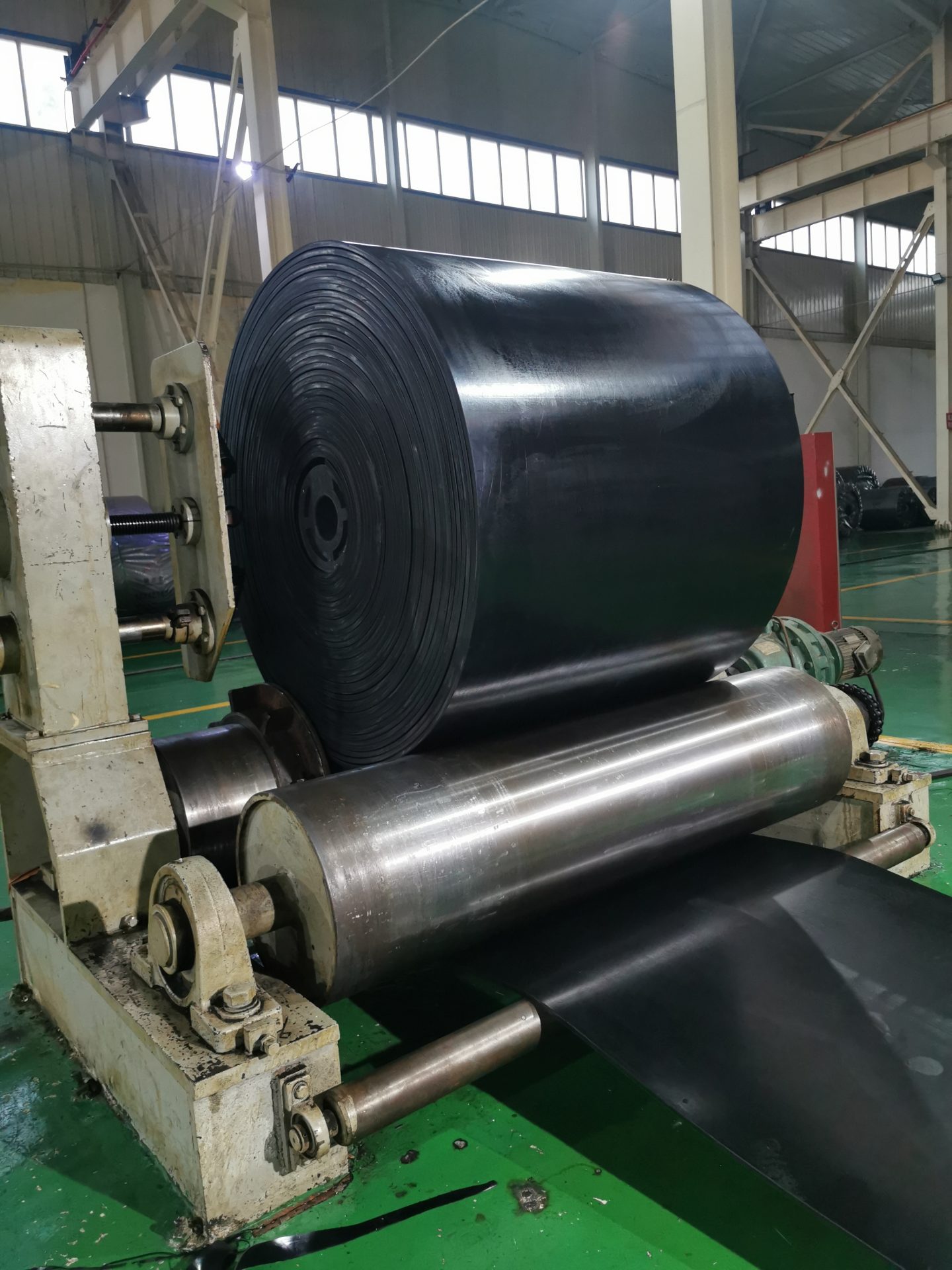
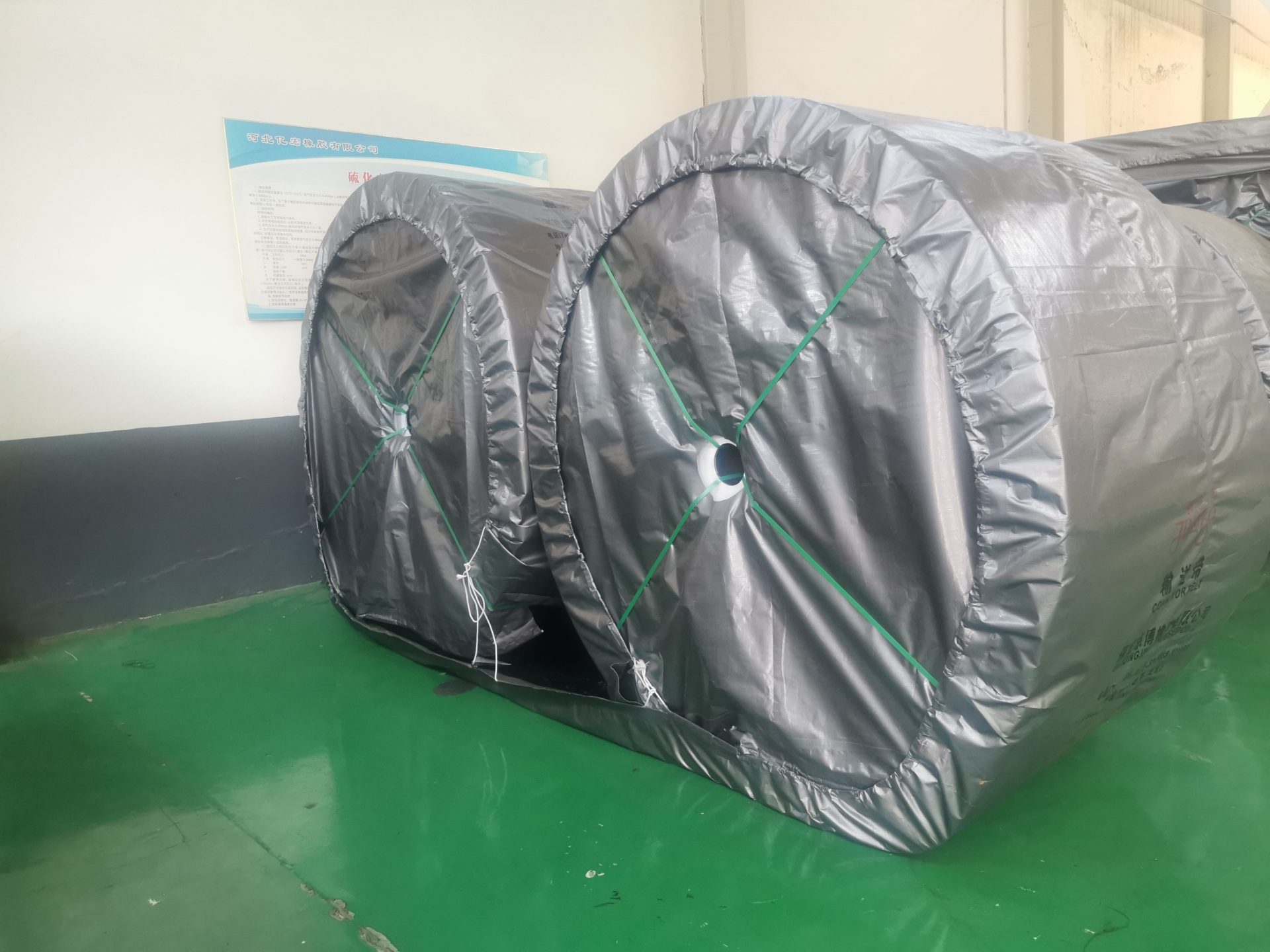
GRAM’s conveyor belt families also matter when the belt itself has changed. Width, edge condition and construction should agree with the proposed guiding arrangement. A guide that previously worked with an old belt should not be assumed correct for an unreviewed replacement construction.
Order the Guide Assembly the Maintenance Team Can Actually Install
Once the function and interface are settled, identify what is being supplied: a complete guide, a bearing-containing assembly, a mounting part or another agreed component. A photograph of a roller cannot establish whether its bracket or fixing hardware is included. List retained hardware explicitly so an apparently complete order does not arrive with an unresolved installation interface.
For a buyer changing several guides along one conveyor, separate locations that have different contact heights or brackets. Avoid combining them into one line unless the drawings establish that they are the same approved assembly. A small difference in mount position can matter even if the bodies share an outside diameter.
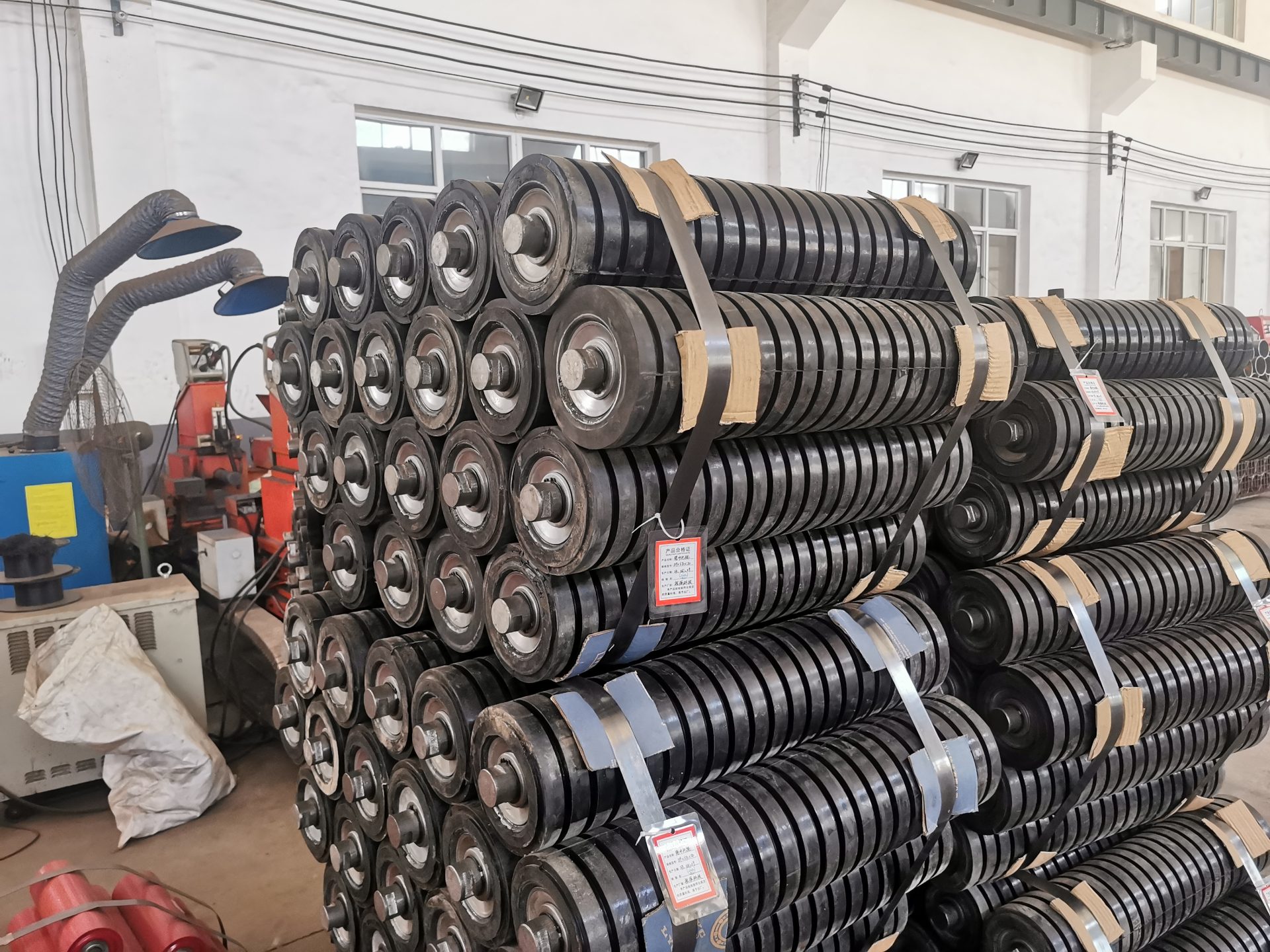
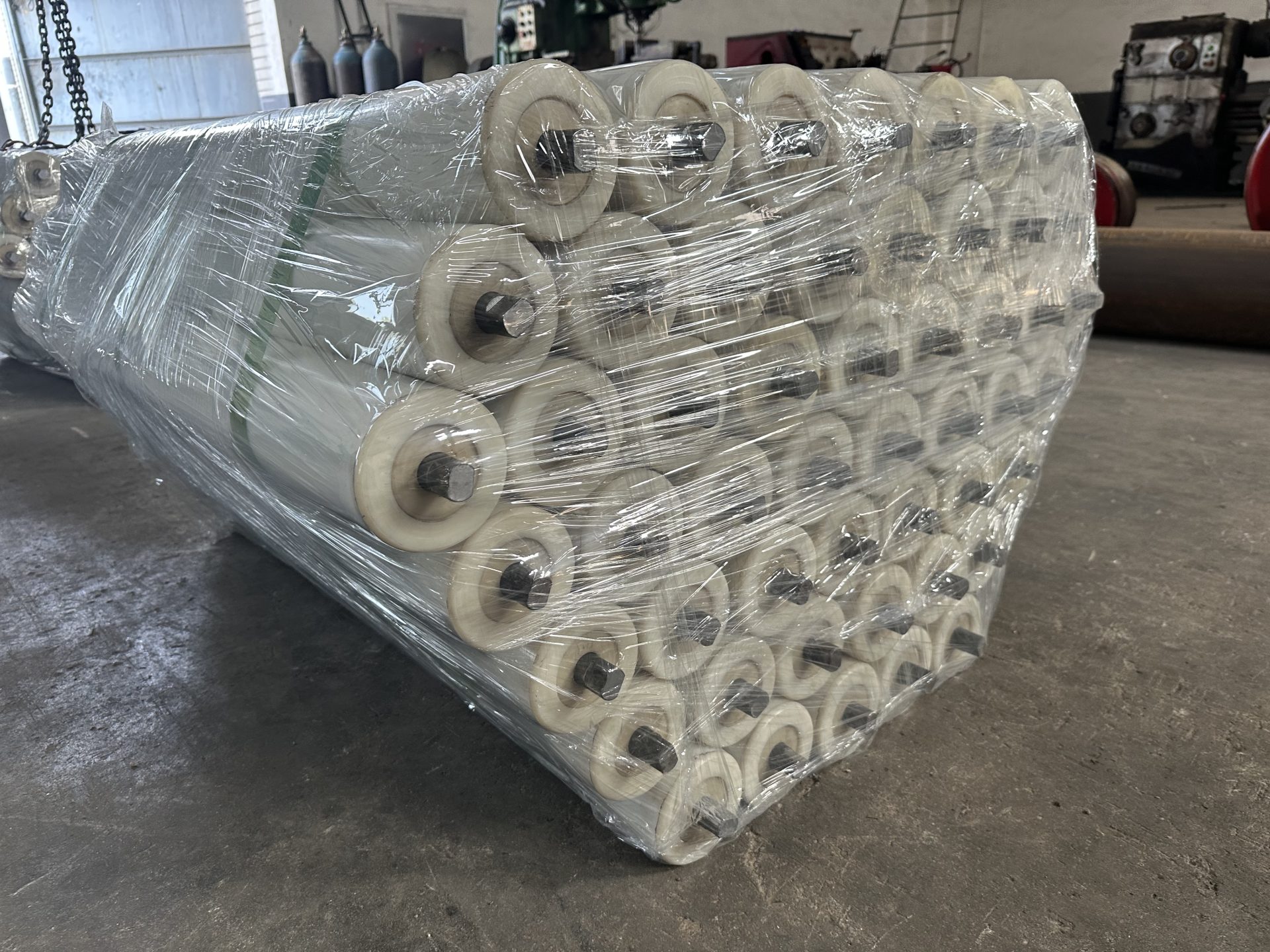
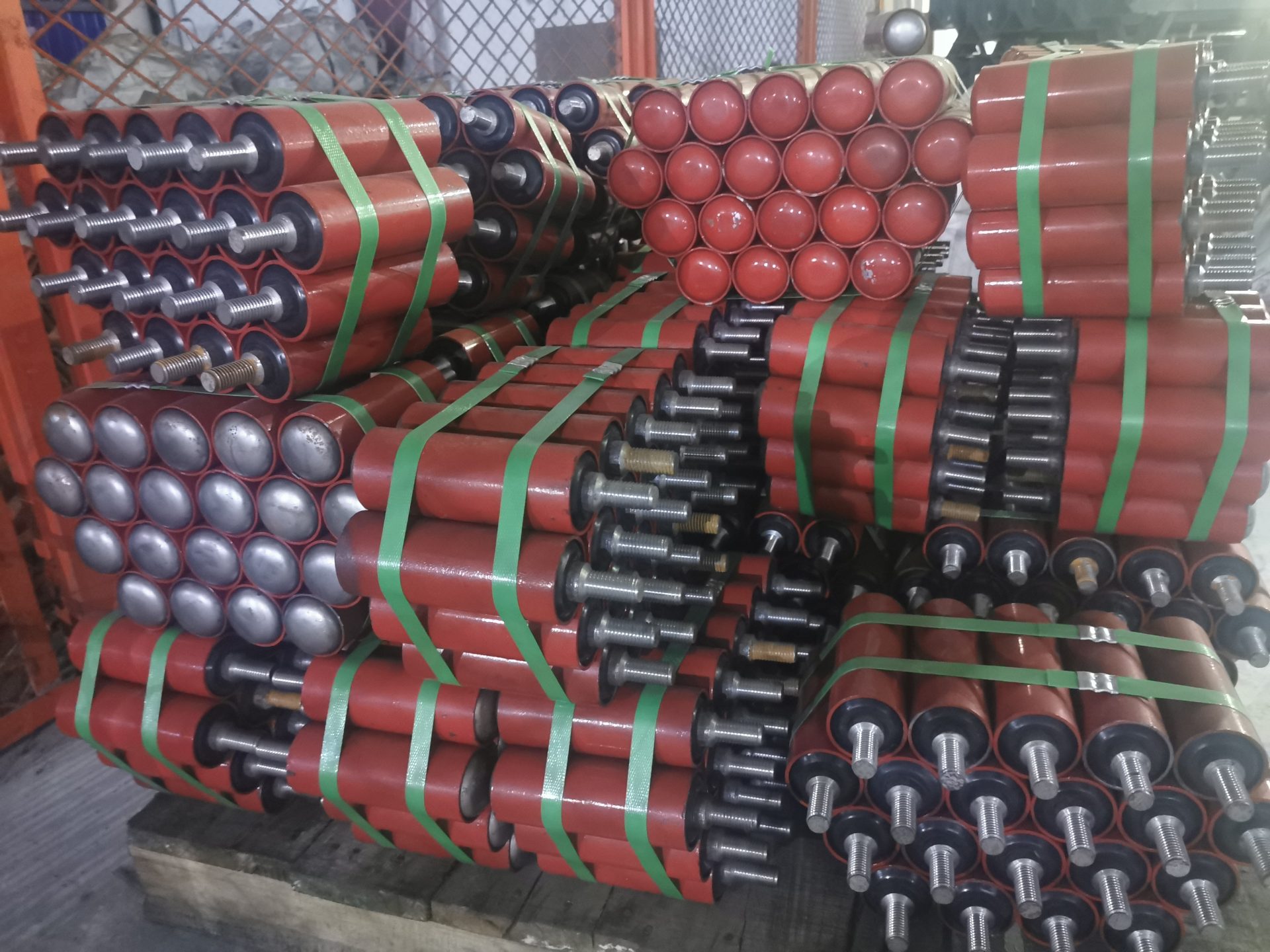
Before receipt, agree how shaft ends and contact surfaces will be protected in transport. Bundled guides should remain identifiable by the approved assembly reference, especially where different fixing arrangements travel together. This is a request to establish packing for the actual components, not a promise that every order uses the photograph’s arrangement.
At receiving, compare the supplied assembly with the approved drawing while the original guide and bracket information are available. Check the fixing form, contact surface position and bearing arrangement identified in the order. If visible damage is found, record it before fitting; turning the guide by hand alone does not demonstrate its operating load capability.

Use Guide Contact as an Acceptance Observation, Not a Universal Clearance Rule
The appropriate contact relationship depends on the actual guide design and intended duty. Do not invent a clearance from a photograph or apply one value to every belt. The engineer and supplier should agree the relevant installation and operating criteria for the selected assembly, including any reversing or variable-loading condition.
Metso’s discussion of belt life identifies alignment and other conveyor conditions as influences on wear. It supports investigating the system around the damaged component; it does not establish a service-life claim or guide setting for GRAM.
The existing side guide roller explanation offers further context on local guiding functions. For the actual replacement, preserve the contact observations with the drawing approval so the installer knows which condition the new guide is expected to address.
If a freely rotating replacement immediately receives the same persistent edge contact, return to the agreed tracking investigation rather than ordering another identical guide. Release the component when its mounting and bearing construction are clear, and approve the conveyor correction when the belt’s behaviour has been assessed under the relevant duty. That keeps a sound replacement from becoming a consumable solution to an unresolved alignment problem.