
Evaluate a Clinker Conveyor Belt Supplier Against the Hottest Credible Upset

The normal cooler discharge temperature is not the whole specification for a clinker belt. A cement plant assessing a clinker conveyor belt supplier should also define the hottest credible upset and what happens when hot material remains on a stopped belt. GRAM’s HR rubber belt range explicitly lists clinker, sinter and coke applications. Start with that heat-resistant route, then obtain the applicable information for the offered complete belt rather than choosing a numerical limit from a general description.
The first engineering task is to establish the exposure at the belt, including the material condition, contact duration and operating interruptions. The first purchasing task is to connect that exposure with a declared cover and reinforcement construction. Those two records should agree before the buyer approves a replacement.
A clinker conveyor belt supplier needs the credible temperature upset
A normal operating measurement describes one state of the process. Identify whether a cooler problem, changed material flow or another credible event can expose the belt differently. The responsible plant team should define that condition using its operating information. The supplier should not have to infer the maximum relevant exposure from the material name alone.
Cooler discharge measurements need a stated location and method
Record where and how the material temperature is assessed. A measurement at one discharge location may not describe every particle reaching the belt or the temperature at the contact surface. Include the known variation and any uncertainty. This provides a clear basis for the supplier enquiry without claiming a precision the plant has not established.
A buyer who has only a normal process temperature should identify the missing upset information rather than add an arbitrary margin. Ask the responsible process engineer to establish the credible condition. The offered belt can then be assessed against a real exposure description instead of a convenient number selected for purchasing.
Stopped clinker on the belt creates a different contact period
A maintenance team may pause a loaded hot-material conveyor while the surrounding process remains warm. The belt then sees a different contact duration from normal movement. Include that state in the operating assessment. A general heat-resistant description does not establish that any hot load can remain stationary indefinitely.
The plant’s approved operating and shutdown procedure should address its hot-material condition. The article does not prescribe a universal stopping or cooling action. Give the supplier the resulting exposure requirements and obtain applicable offered-product information, while the site retains responsibility for its process controls and safe operating method.
Clinker conveyor belt selection should distinguish material and belt exposure
The material temperature is an input, but the actual belt exposure also depends on contact and operating conditions. Describe the particle condition, loading pattern and route. The supplier and plant engineer need that context to assess the offered cover and complete construction. Do not turn one temperature measurement into an unrestricted service claim.
Fine hot material and coarse clinker can contact the cover differently
Identify whether the conveyor normally carries coarse clinker, a finer mixture or a changed product state. The contact between the material and belt is part of the exposure description. If the mixture changes during an upset, keep that condition separate from the ordinary coarse-material description.
Professional discussion in Dunlop’s heat-resistant belt article explains why material characteristics and contact matter in thermal selection. Its product comparisons and performance claims are not GRAM data. Use the general reasoning to prepare the enquiry, then obtain the offered belt’s own applicable information.
Cover resistance and carcass suitability need separate confirmation
The cover meets the clinker, while the reinforcement provides the belt’s mechanical construction. GRAM’s rubber belt range discusses these product routes, but the specific offered cover and carcass must still be identified. A cover description alone does not define the entire belt’s thermal and mechanical suitability.
The temperature-basis guide is relevant when a buyer checks which component and exposure a temperature statement concerns. For clinker, add the credible upset and stopped-load states to that assessment. The approval should identify the complete belt offered for them.
Compare the GRAM reinforcement routes without treating them as heat grades
GRAM describes EP reinforcement with polyester warp and nylon weft, and NN reinforcement with nylon in both directions. These are fabric construction distinctions. Their names do not establish a numerical heat-service limit.
Provide the retained pulley, tension and take-up requirements with the thermal exposure description. The supplier should propose a complete construction that the responsible designer can review. An EP or NN label is not enough to establish the delivered width, reinforcement specification, cover arrangement or joining requirements.
GRAM’s steel-cord route uses longitudinal steel reinforcement. It may be relevant where the approved mechanical duty calls for it. The rubber cover and other construction details still require their own assessment; steel reinforcement does not establish unlimited heat resistance.

Ask the clinker supplier what the offered heat statement actually covers
Request a product-specific description of the applicable temperature and exposure conditions. It should identify whether the statement concerns material, cover or complete-belt service and any relevant contact-duration limitations. Avoid choosing a rating from an unrelated paragraph or another manufacturer’s product.
A thermal document should identify the offered cover and construction
If the project requires a test or acceptance criterion, state it in the enquiry and ask for the evidence corresponding to the proposed belt. The document should remain linked to the actual offered construction. A result from a different cover or reinforcement combination cannot be silently treated as proof for the final supply.
Do not add an exact heat class or test value where the site’s product information does not establish one. That uncertainty should be resolved through the offered belt documentation. A cautious, complete enquiry is more useful to purchasing than an unsupported numerical promise.
Short thermal upsets should not disappear inside a continuous-service description
A continuous operating statement and an intermittent exposure statement can refer to different conditions. Ask which one applies to the defined clinker route and what the offered product information actually permits. The supplier should make the boundary clear, while the plant establishes the process condition that must remain within it.
If the process engineer cannot yet define the credible upset, keep that as an open approval item. Do not convert the uncertainty into a claim that the belt will tolerate whatever the cooler produces. The procurement schedule should reflect the need to resolve that requirement before the product is accepted.
Reassess clinker belt changes before final delivery
A clinker process change should trigger a fresh review of the thermal basis
A plant can change cooler operation or the conveyed mixture without changing the belt width. Review whether the existing thermal description still applies. The supplier should receive the updated normal and upset conditions, while the responsible process team identifies the operating boundary. A repeat order based only on the original belt size can omit the exposure that now matters.
Changes in loading coverage or contact duration should be described as well. The new enquiry should identify what actually happens at the belt rather than simply report a process temperature from elsewhere. Where the plant does not yet have that information, mark the uncertainty for resolution instead of assigning a generic heat margin.
If the supplier proposes a different cover or reinforcement arrangement, ask which applicable thermal information belongs to the alternative. A rating associated with the original product should not be retained automatically after its construction changes. The offered complete belt and its stated exposure boundary need to remain identifiable together.
For a maintenance buyer keeping spare hot-duty belt sections, record the approved clinker exposure with the stock item. A heat-resistant description can be too broad to distinguish sections selected for different conveyors. Before a spare is reassigned, compare both the mechanical requirement and the thermal basis with the new intended location.
The plant can also define what evidence should be recorded after a credible thermal upset. Use the approved inspection and operating procedures to assess belt condition. Those observations can improve the next supplier enquiry, but they should not be turned into an unsupported service-life claim or a universal statement about every belt in the HR range.
The supplied length and form should identify whether the belt will arrive as an open length, completed loop or agreed sections. Establish the joining responsibility and applicable construction information before approving the final delivery requirement. A heat-resistant product name does not define the splice or the installed length.
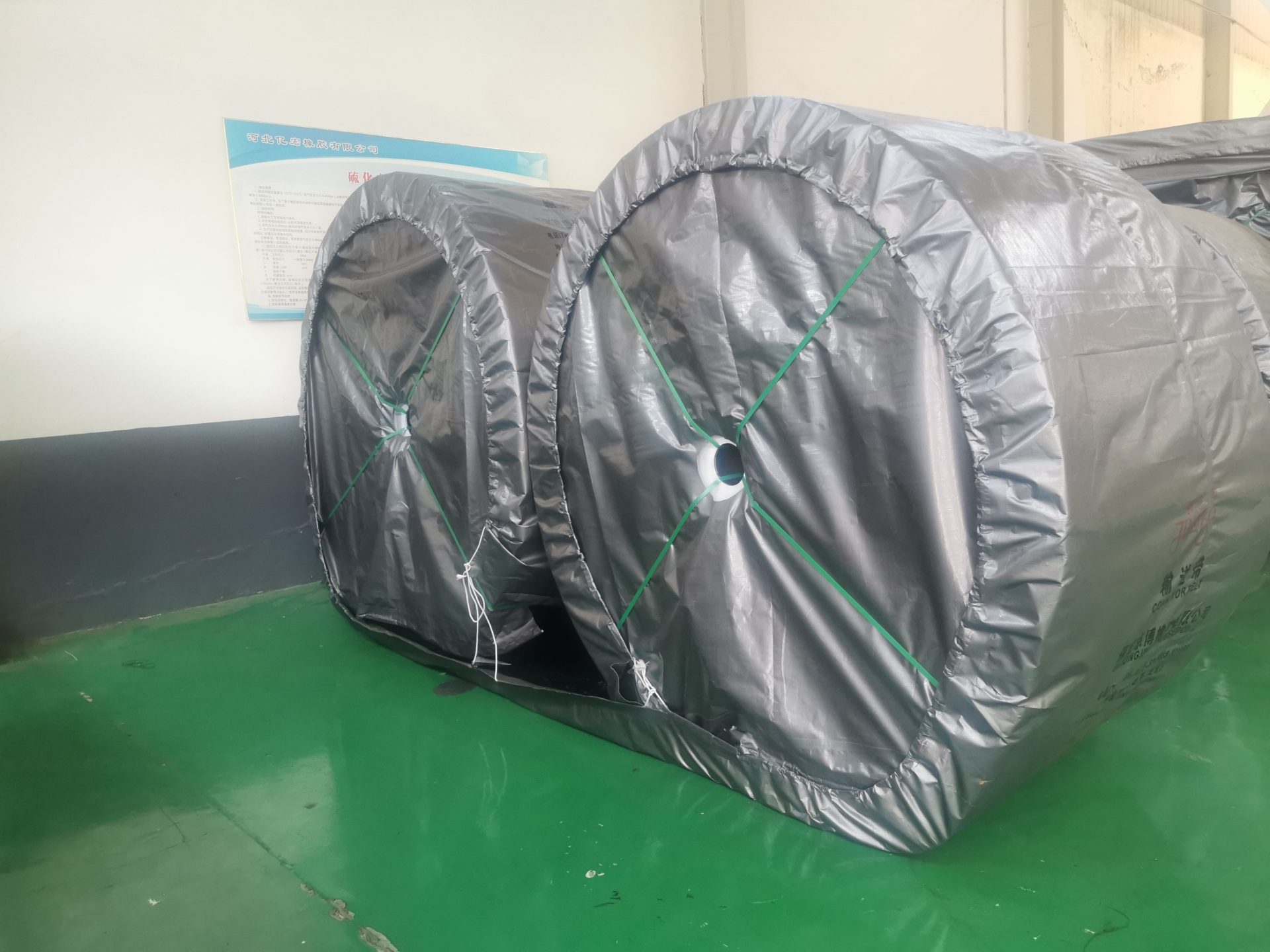
Ask for a packing arrangement suited to the actual belt and handling route. Protect the supplied identification and follow the offered storage instructions before installation. Do not leave the belt beside an unnecessary heat source simply because its intended duty involves clinker.
At receiving, match the construction and supplied documents with the approved thermal basis. Inspect accessible surfaces and edges for visible damage through the agreed handling procedure. Resolve an undocumented cover or construction change before the belt is installed at the hot-material route.
Approve the clinker replacement against the hottest credible state, not only the normal cooler reading. Keep the exposure, offered complete construction and joining arrangement connected. When one of those is still undefined, obtain the missing engineering or product information before releasing the belt for that route.
Last Updated on October 3, 2026 by gramconveyor_admin


