





 https://www.gramconveyor.com/wp-content/uploads/2024/08/Steel-Cord-Rubber-Conveyor-Belt-Manufacturers.png
320
685
gramconveyor_admin
http://www.gramconveyor.com/wp-content/uploads/2023/12/gram-180x180.png
gramconveyor_admin2026-06-18 16:27:002026-06-18 00:10:16Steel Cord Conveyor Belt Selection for Long, High-Tension Bulk Handling Routes
https://www.gramconveyor.com/wp-content/uploads/2024/08/Steel-Cord-Rubber-Conveyor-Belt-Manufacturers.png
320
685
gramconveyor_admin
http://www.gramconveyor.com/wp-content/uploads/2023/12/gram-180x180.png
gramconveyor_admin2026-06-18 16:27:002026-06-18 00:10:16Steel Cord Conveyor Belt Selection for Long, High-Tension Bulk Handling RoutesFor those needing a conveyor roller, conveyor belt, and conveyor accessories turn to Gram – a name synonymous with excellence in conveyor manufacturing for over 30 years. Elevate your business with top-notch solutions from leading conveyor roller manufacturers, expert conveyor roller suppliers, innovative conveyor belt manufacturers, and an extensive selection of conveyor accessories and conveyor parts suppliers.

What are Gram Main Products?
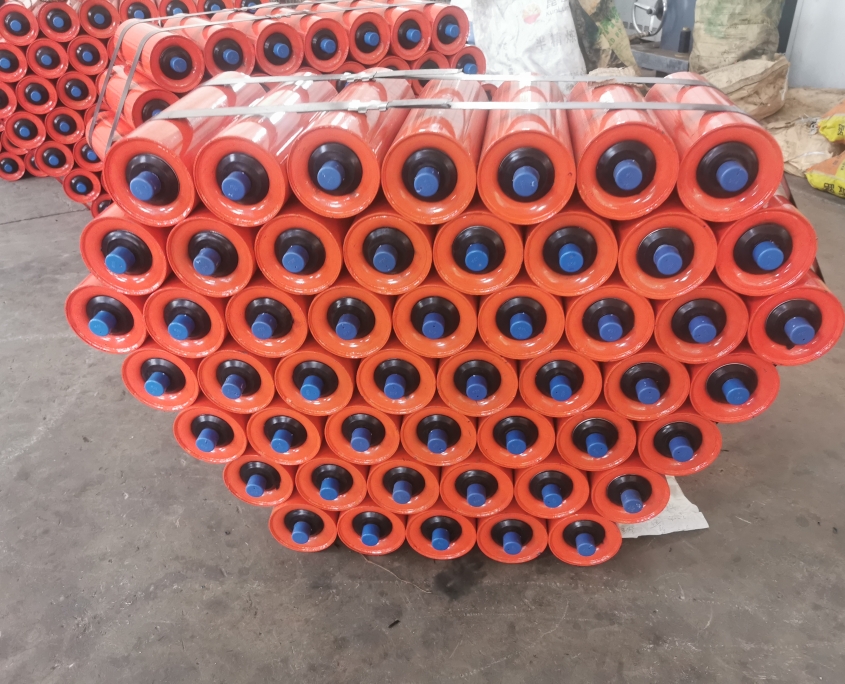
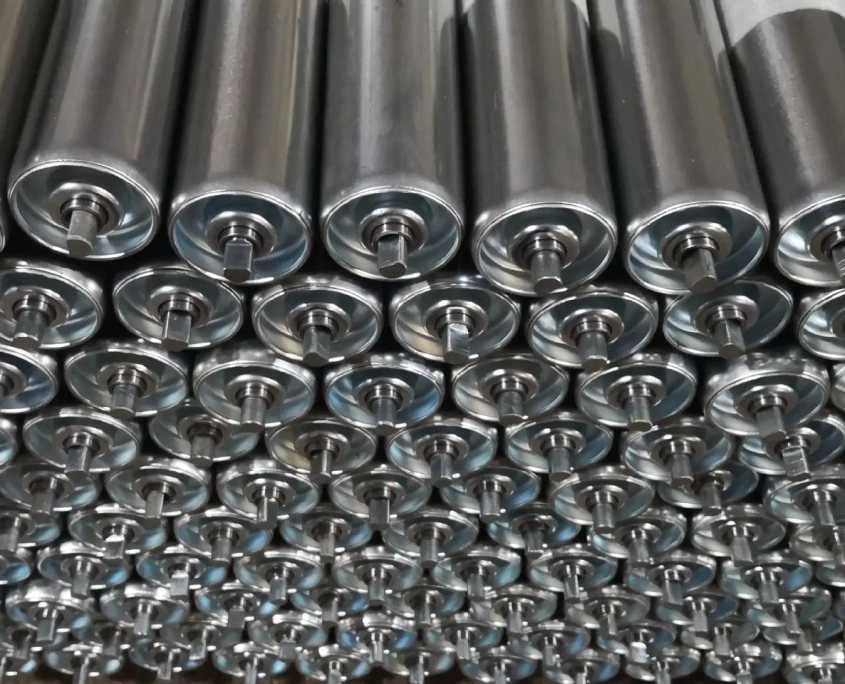
As an excellent conveyor roller supplier and conveyor belt manufacturer, Gram’s products mainly include the following three types: conveyor roller, a wide variety of conveyor belt, and different types of conveyor accessories/conveyor parts. Gram is a conveyor roller manufacturers that provides products of different materials and functions based on your needs among these three major product categories.
conveyor roller
conveyor belt
conveyor accessories/conveyor parts



Gram’s Mission
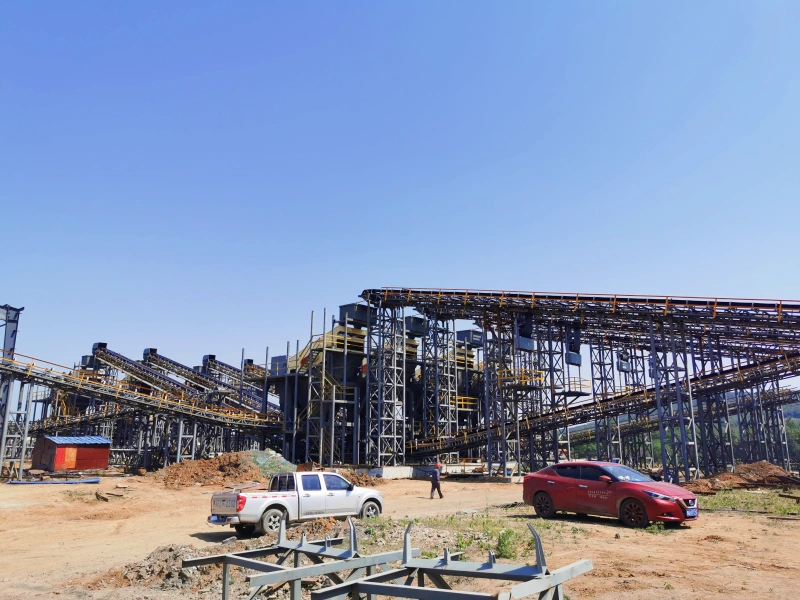
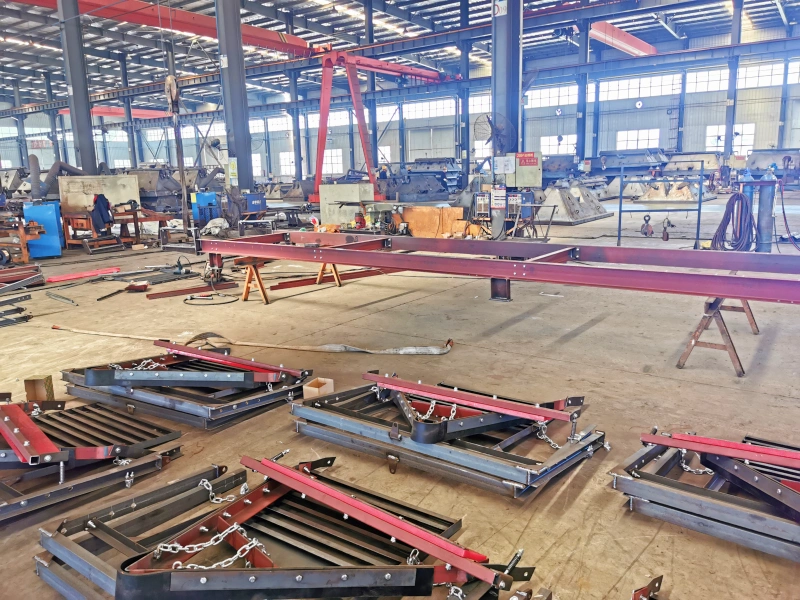
As one of China’s premier conveyor producers and distributors, Gram is recognized for its superior qualityEliminate the strain of manual lifting, carrying, and storage with our industrial conveyor systems, which not only help in preventing workplace injuries but also significantly increase productivity. Additionally, our conveyors make the loading and unloading of products more efficient and less prone to accidental damage. Our capabilities are diverse enough to cater to all your needs, whether large-scale or small. With a broad spectrum of roller sizes that align with the majority of popular conveyor brands, we also provide the option of customizing rollers to fit your unique specifications. Our manufacturing facility is committed to the production and supply of components for belt conveyor systems.
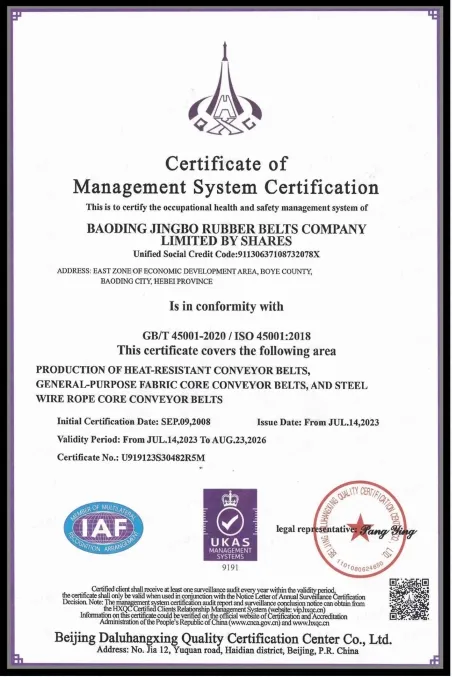
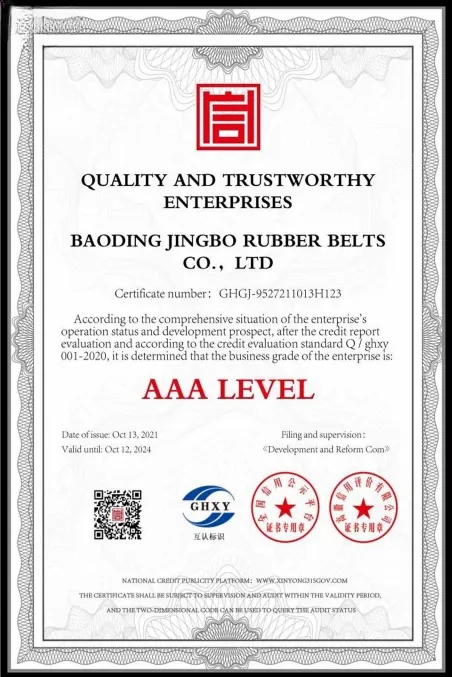
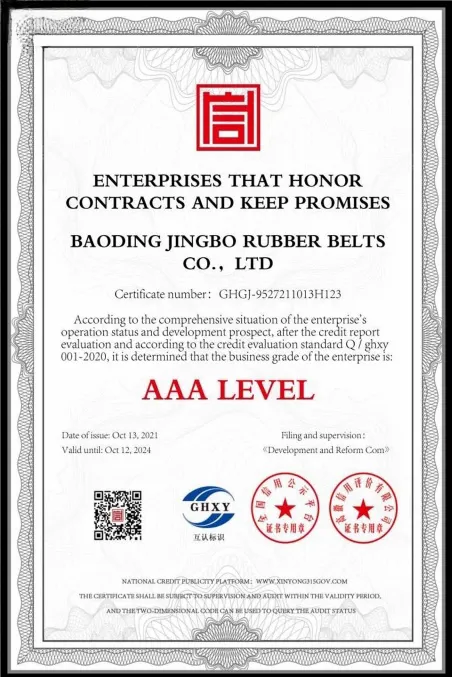
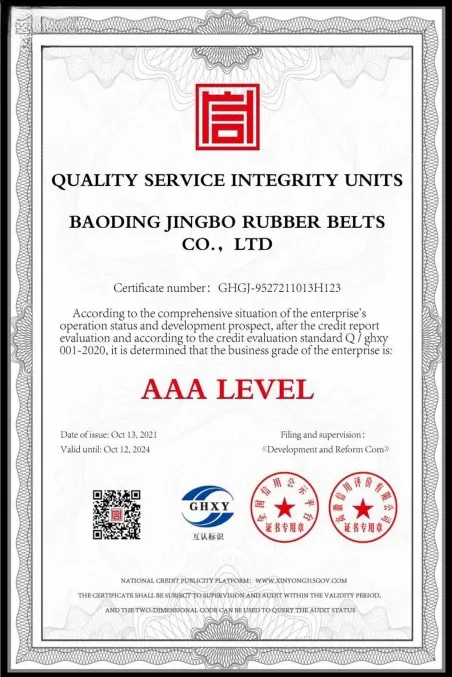
As a premier of conveyor roller suppliers and conveyor belt manufacturers, Gram is steadfast in your commitment to product quality
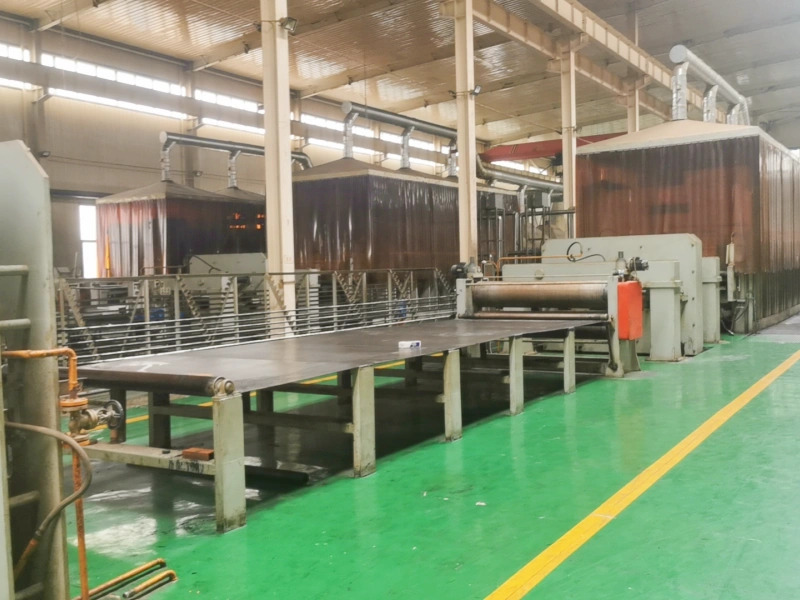
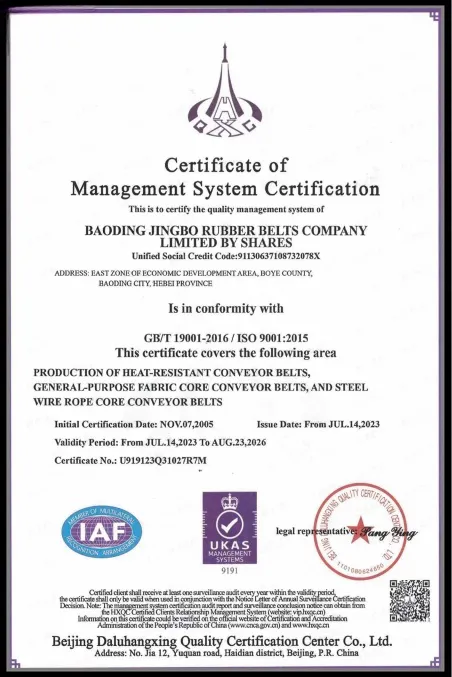
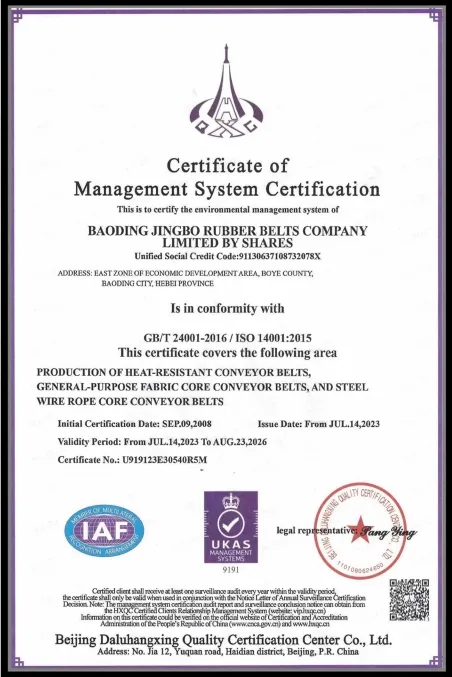
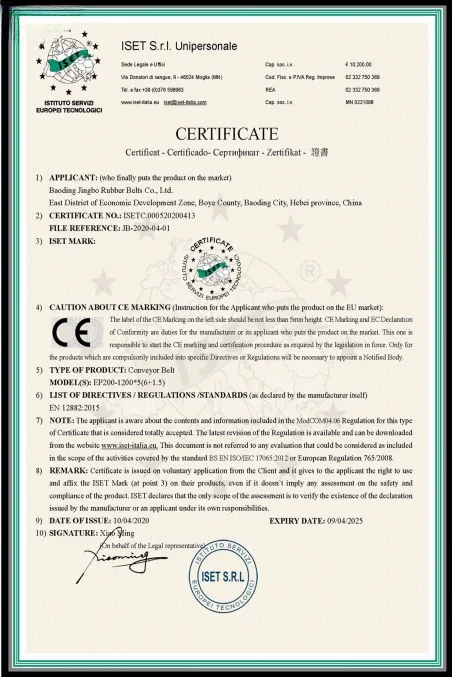
Gram are committed to delivering conveyor rollers and conveyor belt that not only meet but exceed industry standards. Our rigorous quality assurance process involves meticulous testing and inspection at every stage of production, ensuring that each roller we supply is robust, durable and capable of withstanding the demands of your specific operational environment. We source our materials from reputable suppliers, ensuring that every component in our conveyor rollers is of the highest quality. Our manufacturing process combines state-of-the-art technology with skilled craftsmanship, resulting in rollers that offer exceptional performance and longevity. At the heart of your conveyor system are the conveyor belts, offered in a wide array of types from lightweight to heavy-duty, each with different surface materials and cover options. Choosing the right belt and conveying solution is essential for meeting the unique needs and standards of your industry and business. Our commitment to quality extends beyond our products to our customer service. We believe in building lasting relationships with our clients, grounded in trust and the assurance that they are receiving the best conveyor rollers on the market. Choose us as your conveyor roller supplier, and experience the difference that quality assurance can make in your operations.
What are Gram Specialty Products?

The Benefit of Heavy Duty Roller Conveyor
- High Load Capacity
- Durability and Longevity
- Efficient Material Handling
- Ease of Maintenance
- Customization Options
- Integration with Other Systems

The Benefit of Impact Roller
- Protection of the Conveyor Belt
- Reduced Maintenance Costs
- Improved Efficiency
- Enhanced Durability
- Noise Reduction

The Benefit of Guide Rollers
- Belt Alignment
- Reduced Wear and Tear
- Protection Against Damage
- Enhanced Safety
- Energy Efficiency
- Ease of Installation and Maintenance

The Benefit of Steel Roller
- Long Lifespan
- Suitable for High-Speed Applications
- Low Maintenance
- Resistance to Corrosion
- Temperature Resistance
- Load Capacity
- Improved Conveyor Performance
Guides about Conveyor Roller & Conveyor Belt & Conveyor Accessories/Conveyor Parts
https://www.gramconveyor.com/wp-content/uploads/2024/08/Steel-Cord-Rubber-Conveyor-Belt-Manufacturers.png
320
685
gramconveyor_admin
http://www.gramconveyor.com/wp-content/uploads/2023/12/gram-180x180.png
gramconveyor_admin2026-06-18 16:27:002026-06-18 00:10:16Steel Cord Conveyor Belt Selection for Long, High-Tension Bulk Handling Routes https://www.gramconveyor.com/wp-content/uploads/2024/07/How-to-Choose-Fabric-Conveyor-Belt-Manufacturers.png
320
685
gramconveyor_admin
http://www.gramconveyor.com/wp-content/uploads/2023/12/gram-180x180.png
gramconveyor_admin2026-06-18 16:16:002026-06-18 00:10:14Cotton Conveyor Belt Questions for Buyers Comparing Older Fabric Belt Specifications
https://www.gramconveyor.com/wp-content/uploads/2024/07/How-to-Choose-Fabric-Conveyor-Belt-Manufacturers.png
320
685
gramconveyor_admin
http://www.gramconveyor.com/wp-content/uploads/2023/12/gram-180x180.png
gramconveyor_admin2026-06-18 16:16:002026-06-18 00:10:14Cotton Conveyor Belt Questions for Buyers Comparing Older Fabric Belt Specifications https://www.gramconveyor.com/wp-content/uploads/2024/08/Multi-Ply-Rubber-Textile-Conveyor-Belts.jpg
167
640
gramconveyor_admin
http://www.gramconveyor.com/wp-content/uploads/2023/12/gram-180x180.png
gramconveyor_admin2026-06-18 15:55:002026-06-18 00:10:12Multi-Ply Conveyor Belt Specification for Fabric Strength and Practical Replacement
https://www.gramconveyor.com/wp-content/uploads/2024/08/Multi-Ply-Rubber-Textile-Conveyor-Belts.jpg
167
640
gramconveyor_admin
http://www.gramconveyor.com/wp-content/uploads/2023/12/gram-180x180.png
gramconveyor_admin2026-06-18 15:55:002026-06-18 00:10:12Multi-Ply Conveyor Belt Specification for Fabric Strength and Practical Replacement https://www.gramconveyor.com/wp-content/uploads/2025/06/Representing-the-Pinnacle-Tropical-Rainy-Season-Solution.jpg
320
685
gramconveyor_admin
http://www.gramconveyor.com/wp-content/uploads/2023/12/gram-180x180.png
gramconveyor_admin2026-06-18 15:44:002026-06-18 00:10:10Polyester Conveyor Belt Planning for EP Carcass Bulk Handling Applications
https://www.gramconveyor.com/wp-content/uploads/2025/06/Representing-the-Pinnacle-Tropical-Rainy-Season-Solution.jpg
320
685
gramconveyor_admin
http://www.gramconveyor.com/wp-content/uploads/2023/12/gram-180x180.png
gramconveyor_admin2026-06-18 15:44:002026-06-18 00:10:10Polyester Conveyor Belt Planning for EP Carcass Bulk Handling Applications https://www.gramconveyor.com/wp-content/uploads/2025/06/Nylon-carcasses-in-NN100-belts-are-less-resistant-to-longitudinal-tearing-than-polyester-in-EP-belts.png
320
685
gramconveyor_admin
http://www.gramconveyor.com/wp-content/uploads/2023/12/gram-180x180.png
gramconveyor_admin2026-06-18 15:33:002026-06-18 00:10:07Nylon Conveyor Belt Selection for Flexible Strength and Quarry Handling
https://www.gramconveyor.com/wp-content/uploads/2025/06/Representing-the-Pinnacle-Tropical-Rainy-Season-Solution.jpg
320
685
gramconveyor_admin
http://www.gramconveyor.com/wp-content/uploads/2023/12/gram-180x180.png
gramconveyor_admin2026-06-18 15:22:002026-06-18 00:10:05NN Conveyor Belt Buying Guide for Flexible, Impact-Aware Conveyor Systems
https://www.gramconveyor.com/wp-content/uploads/2025/06/Nylon-carcasses-in-NN100-belts-are-less-resistant-to-longitudinal-tearing-than-polyester-in-EP-belts.png
320
685
gramconveyor_admin
http://www.gramconveyor.com/wp-content/uploads/2023/12/gram-180x180.png
gramconveyor_admin2026-06-18 15:33:002026-06-18 00:10:07Nylon Conveyor Belt Selection for Flexible Strength and Quarry Handling
https://www.gramconveyor.com/wp-content/uploads/2025/06/Representing-the-Pinnacle-Tropical-Rainy-Season-Solution.jpg
320
685
gramconveyor_admin
http://www.gramconveyor.com/wp-content/uploads/2023/12/gram-180x180.png
gramconveyor_admin2026-06-18 15:22:002026-06-18 00:10:05NN Conveyor Belt Buying Guide for Flexible, Impact-Aware Conveyor Systems https://www.gramconveyor.com/wp-content/uploads/2024/12/Rubber-Conveyor-Belt-HS-Code.png
500
500
gramconveyor_admin
http://www.gramconveyor.com/wp-content/uploads/2023/12/gram-180x180.png
gramconveyor_admin2026-06-18 14:50:002026-06-18 00:10:00Rubber Conveyor Belt Selection for Industrial Buyers Comparing Cover Grades
https://www.gramconveyor.com/wp-content/uploads/2024/12/Rubber-Conveyor-Belt-HS-Code.png
500
500
gramconveyor_admin
http://www.gramconveyor.com/wp-content/uploads/2023/12/gram-180x180.png
gramconveyor_admin2026-06-18 14:50:002026-06-18 00:10:00Rubber Conveyor Belt Selection for Industrial Buyers Comparing Cover Grades https://www.gramconveyor.com/wp-content/uploads/2024/12/Fire-Retardant-and-Fire-Resistant-NN-Rubber-Belt.png
500
500
gramconveyor_admin
http://www.gramconveyor.com/wp-content/uploads/2023/12/gram-180x180.png
gramconveyor_admin2026-06-18 14:39:002026-06-18 00:09:58Underground Mining Flame Retardant Belt Selection for Fire-Risk Conveyors
https://www.gramconveyor.com/wp-content/uploads/2024/12/Fire-Retardant-and-Fire-Resistant-NN-Rubber-Belt.png
500
500
gramconveyor_admin
http://www.gramconveyor.com/wp-content/uploads/2023/12/gram-180x180.png
gramconveyor_admin2026-06-18 14:39:002026-06-18 00:09:58Underground Mining Flame Retardant Belt Selection for Fire-Risk Conveyors https://www.gramconveyor.com/wp-content/uploads/2024/12/Heat-Resistant-NN-Rubber-Belt.png
500
500
gramconveyor_admin
http://www.gramconveyor.com/wp-content/uploads/2023/12/gram-180x180.png
gramconveyor_admin2026-06-18 14:28:002026-06-18 00:09:56Heat Resistant Conveyor Belt for Cement Plant Clinker and Raw Material Lines
https://www.gramconveyor.com/wp-content/uploads/2025/06/Representing-the-Pinnacle-Tropical-Rainy-Season-Solution.jpg
320
685
gramconveyor_admin
http://www.gramconveyor.com/wp-content/uploads/2023/12/gram-180x180.png
gramconveyor_admin2026-06-18 14:11:002026-06-18 00:10:03EP Conveyor Belt Specification for Stable Strength and Low Stretch Replacement
https://www.gramconveyor.com/wp-content/uploads/2024/12/Heat-Resistant-NN-Rubber-Belt.png
500
500
gramconveyor_admin
http://www.gramconveyor.com/wp-content/uploads/2023/12/gram-180x180.png
gramconveyor_admin2026-06-18 14:28:002026-06-18 00:09:56Heat Resistant Conveyor Belt for Cement Plant Clinker and Raw Material Lines
https://www.gramconveyor.com/wp-content/uploads/2025/06/Representing-the-Pinnacle-Tropical-Rainy-Season-Solution.jpg
320
685
gramconveyor_admin
http://www.gramconveyor.com/wp-content/uploads/2023/12/gram-180x180.png
gramconveyor_admin2026-06-18 14:11:002026-06-18 00:10:03EP Conveyor Belt Specification for Stable Strength and Low Stretch ReplacementFAQs about Conveyor Roller Manufacturers & Conveyor Belt Manufacturers & Conveyor Accessories/Conveyor Parts Suppliers
FAQs about Conveyor Rollers
What Things should I to Consider when I choose Conveyor Roller?
- Load Requirements: Assess the weight and size of the items that the conveyor will carry. The rollers need to be capable of handling the load without deforming or breaking. Heavier loads may require rollers with a higher load capacity, often made of stronger materials like steel.
- Roller Material: Common materials for rollers include steel, stainless steel, plastic, and rubber-coated. Steel rollers are durable and suitable for heavy loads, while plastic rollers are lighter and work well for lighter loads. Rubber-coated rollers can provide additional grip and reduce noise.
- Conveyor Environment: Consider the environment where the conveyor will operate. If it’s in a corrosive or wet environment, stainless steel or plastic rollers might be necessary. For high-temperature areas, heat-resistant materials are essential.
- Roller Diameter: The size of the roller affects how much load it can support and the types of items it can convey. Smaller diameter rollers are typically used for lighter loads and smaller items, while larger rollers are better for heavier loads.
- Roller Length: The width of the items being conveyed will determine the required roller length. Ensure that the rollers are wide enough to effectively support and transport the load.
- Shaft Type: The design of the roller’s shaft can vary. Choose between a fixed shaft (non-removable) or a removable shaft based on maintenance preferences and load requirements.
- Bearing Type: Bearings play a crucial role in the operation of conveyor rollers. Consider sealed bearings for environments with dust or contaminants, and choose bearing types that can handle the load and speed requirements.
- Speed Requirements: The speed at which the conveyor will operate influences the choice of rollers. High-speed conveyors may require rollers designed to minimize friction and heat build-up.
- Maintenance and Durability: Consider how easy the rollers are to maintain and their expected lifespan. Rollers that are easy to replace or require less frequent maintenance can reduce downtime.
- Cost: While cost is always a consideration, it should be balanced with quality and suitability for the application. Cheaper rollers might not perform well under certain conditions or may wear out more quickly. You can have the most cost-effective conveyor roller at Gram.
- Manufacturer Reputation: Choose rollers from a reputable manufacturer known for quality and reliability. This can ensure better performance and longevity of the conveyor system. Gram, as a excellent conveyor roller suppliers will be your best choice. If you need, please contact us.
How to Proper Care for Conveyor Roller?
- Regular Inspections: Schedule routine inspections of the conveyor rollers. Check for signs of wear, damage, or misalignment. Regular inspections help in early detection of issues that could lead to more significant problems if left unaddressed.
- Keep Rollers Clean: Ensure that the rollers are kept clean from debris, dust, and any material build-up. Accumulated debris can impair roller function, leading to potential conveyor belt misalignment or damage.
- Lubrication: Regularly lubricate the bearings of the rollers, if applicable, according to the manufacturer’s specifications. Proper lubrication reduces friction, prevents overheating, and extends the life of the rollers.
- Adjust Tension and Alignment: Maintain the correct tension of the conveyor belt and ensure that the rollers are properly aligned. Incorrect tension or misalignment can cause excessive wear and tear on both the belt and the rollers.
- Replace Worn or Damaged Rollers: Do not delay in replacing rollers that are significantly worn out or damaged. Damaged rollers can cause additional wear to the conveyor belt and other components of the system.
- Monitor Load Capacity: Avoid overloading the conveyor system. Excessive weight can strain the rollers, bearings, and the conveyor belt, leading to quicker wear and potential failures.
- Follow Manufacturer’s Guidelines: Adhere to the maintenance and care instructions provided by the conveyor system’s manufacturer. Different types of rollers may have specific care requirements.
- Keep Maintenance Records: Document all maintenance activities, including inspections, cleaning, lubrication, and replacements. This helps in tracking the condition of the conveyor system and planning preventive maintenance.
FAQs about Conveyor Belt
What is a Belt Conveyor?
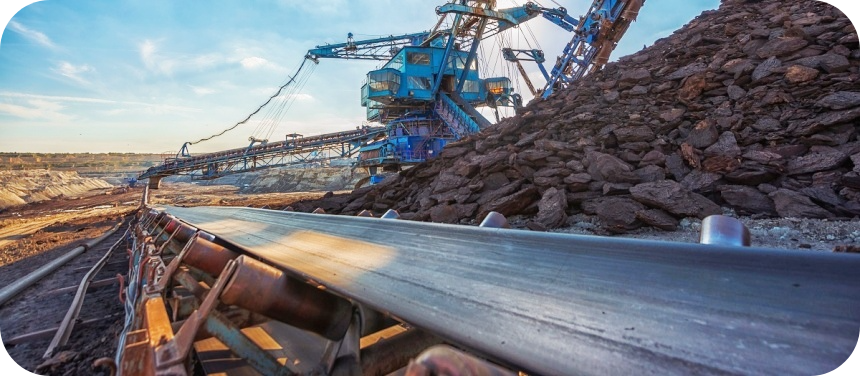
Belt conveyor systems stand out as the most straightforward and adaptable systems for handling materials. They operate using at least two pulleys that propel a continuous looped belt, transporting items from one location (Point A) to another (Point B). These systems typically utilize belts crafted from rubber or fabric, and are widely employed in manufacturing and distribution settings.
How Can I Identify the Conveyor Belt that Best Fits my Needs?
As a leading of conveyor belts manufacturer , Gram provides a range of belting choices tailored to your unique requirements. When deciding on the right conveyor belt, it’s important to consider various factors beyond its primary use, including temperature tolerance, abrasion resistance, static conductivity or anti-static properties, and chemical resistance.
What is the Conveyor Belt Definition?
Should it be called ‘conveyor belts’ or ‘belt conveyors’? Technically, what you see here is a belt conveyor or a belt conveyor system. The belt is made from materials like fabric, rubber, or flexible plastic, and this is what is known as the ‘conveyor belt’. Sometimes the term ‘conveyor belt system’ is used to describe the combination of the conveyor belt and its operating mechanism. The belt is supported either by a steel plate, which is the slider bed style, or by spaced rollers, referred to as the roller belt style or roller conveyor belt. For more in-depth technical insights, please contact us right away!
FAQs about Conveyor Accessories/Conveyor Parts
What are the Conveyor Accessories?
Conveyor accessories are various components and add-ons that enhance the functionality, efficiency, and safety of a conveyor system. Some common conveyor accessories include Guide Rails, Belt Cleaners, Impact Beds,Side Skirts, Conveyor Rollers, Motorized Pulleys, Belt Fasteners. These accessories are essential for optimizing the performance of a conveyor system, ensuring it operates smoothly, efficiently, and safely, and can be adapted to suit a wide range of industrial applications.As an outstanding conveyor parts suppliers, Gram can provide you with high-quality conveyor accessories, such asself-aligning idlers, Impact Load Zone Belt Support and Polyurethane conveyor cleaner.
Still Have Questions?

CONTACT US
Let us help you find a better solution!


