
Ask a Nylon Idler Rollers Supplier Which Components the Material Declaration Covers

The customer specifies a nylon roller, but the quotation says only “polymer.” Before accepting it, establish what material the actual offered body uses and which parts the declaration covers. A nylon idler rollers supplier should connect the material information to the proposed complete assembly. Start with GRAM’s nylon conveyor roller route, then identify the intended function, body construction and retained interfaces instead of treating all non-metallic rollers as the same product.
For distributors and engineering buyers, the word nylon can identify a material family without defining a particular grade or every component in the roller. Keep that limit clear. The accepted offer should say what is being supplied without borrowing a resin name, property value or approval from an unrelated material document.
A nylon idler roller offer should identify the declared component
Ask whether the nylon description concerns the working body, a sleeve or another identified part in the actual proposal. Do not infer a particular construction from the family name. GRAM describes cylindrical nylon rollers, but the supplier needs to define the specific offered assembly for the intended duty.
- Material family
- The declared material of an identified component, not a universal description of the whole assembly.
- Body construction
- The actual offered working-body form and dimensions.
- Complete roller
- The body together with its accepted bearings, ends and mounting relationship.
A buyer should preserve those distinctions when comparing a nylon request with a general polymer alternative. If the customer’s material requirement is explicit, ask whether the actual proposal meets it. A supplier’s broad product-family description should not silently replace that requirement.
The nylon body declaration should refer to the actual offered roller
Keep the material statement with the construction reference used in the quotation. A general description of nylon’s applications is not the same as a declaration for the selected item. Where the supplier’s information is incomplete, identify which component and material question remain unresolved.
A distributor should not use a photograph as proof of a particular grade. Similar body colours can occur across different products, and a visual resemblance cannot establish the supplier’s material declaration. Ask for the actual identified proposal rather than name the resin from appearance.
Polyamide grade information requires its own source
Primary polyamide material information distinguishes different polyamide types and modified grades. That establishes a general reason not to treat the nylon family as one universal set of properties. It does not identify a BASF material, PA6 or PA66 grade in a GRAM roller.
If the project specifies a particular grade or material property, keep that requirement explicit and ask for relevant information for the actual offered component. Do not copy a resin datasheet from another product and present it as the roller’s evidence. The supplier needs to establish the applicable connection.
A polymer alternative should remain a distinguishable proposal
The GRAM polymer roller route describes a machined polymer tube or solid bar, sealed precision bearings, non-contact rubber seals and metal end caps. That assembly contains different component types. A polymer body does not establish that every part is made from the same material.

Tube and solid-bar descriptions answer a construction question
Preserve the proposed form with the material declaration. A shared outside diameter does not establish the same internal body construction. The supplier should identify the actual offered unit so the engineer can assess it for the intended retained position.
Do not derive missing wall thickness, weight or capacity from the word nylon. Those details belong to the actual proposed construction. If a tube proposal changes to a solid-bar proposal, keep that revision visible rather than describe it as an unchanged material-only offer.
Bearings, rubber seals and metal ends need separate identities
GRAM’s polymer description includes bearings, rubber seals and metal end caps. Those parts remain relevant to the complete assembly even when the buyer’s first concern is the body material. A nylon body declaration should not be expanded into a claim that all components share its material properties.
For a customer with an environmental requirement, identify which part and exposure the supplier’s information addresses. The complete roller needs an accepted basis for its actual duty. A general body-material statement cannot provide an unsupported approval for every end component.
Steel and nylon comparisons need the same retained function
GRAM steel rollers use cylindrical bodies, bearing ends and projecting shaft interfaces. If nylon is considered as an alternative at a retained steel position, compare complete proposals for that function. A body-material preference is not a universal interchangeability decision.
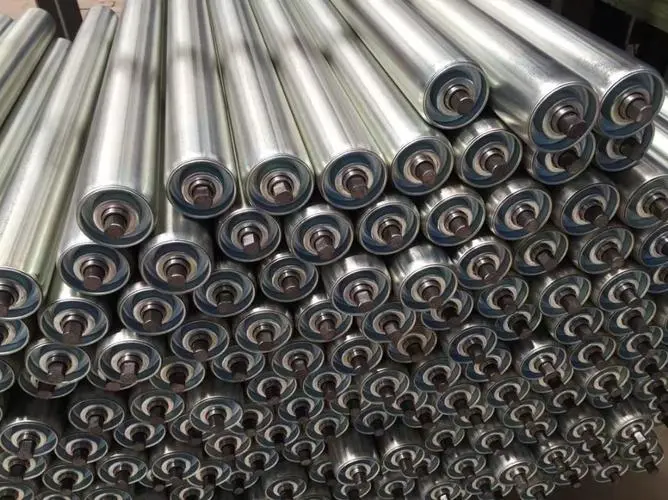
Keep the mounting relationship and relevant duty information with each alternative. If both proposals use similar outside dimensions, that helps identify a comparison but does not establish equal performance. The project needs the actual supplier information for each offered construction.
A distributor should also preserve whether the customer accepts an alternative material. If the order calls for nylon specifically, a steel or unspecified polymer proposal should remain an alternative until approved. Do not describe it as a direct fulfilment of the original material requirement.
Guide and quiet-operation requirements do not follow from nylon alone
GRAM’s guide rollers with built-in bearings address a local guiding function. A nylon body offered for that role still needs the actual contact and mounting definition. An ordinary carrying description does not automatically establish a suitable guide assembly.
The silent roller route provides an entry for noise-related enquiries. A project requiring an acoustic result needs its own applicable information. The nylon name should not be presented as proof of a measured noise level or a guaranteed reduction.
Keep material, function and performance requirements distinguishable. A supplier can identify a nylon component while still needing to address a specific guide duty or noise condition. The buyer should not convert one confirmed description into several unverified claims.
Resolve ambiguous material information before consolidating nylon orders
Consider a distributor combining two customer orders. One specifies nylon explicitly; the other accepts a defined polymer alternative. Similar outside dimensions do not justify using the same material description for both. Preserve the accepted declaration and construction reference for each destination.
A contractor may also have an old sample marked “nylon” but no supporting construction record. Keep that label as the available sample information, not independent proof of its precise grade. Ask the supplier to identify the proposed current material rather than reproduce an unsupported assumption about the removed item.
If a supplier revises the body material after quoting, record the change even when the external shape remains. The final customer needs to accept the actual offered component. A similar colour or shared product-family label should not conceal the substitution.
The nylon dry and wet duty discussion addresses operating exposure. Keep that assessment alongside the material declaration. Identifying the material is necessary for a clear proposal; it is not a replacement for evaluating the complete assembly in the actual environment.
Keep the material declaration attached to the delivered roller reference
Consider an offer that identifies a nylon body but attaches a general document covering several polyamide grades. Ask which material the proposed component actually uses before treating any listed property as applicable. The presence of a useful industry document does not establish that every grade in it belongs to the supplied roller.
If the customer requires a material document with the delivery, identify that requirement for the actual accepted component. Keep the body declaration separate from the bearings, seals and end caps. A complete roller reference should connect those parts without implying that one resin description establishes the properties of the whole assembly.
Agree how the actual order identifies the accepted material and complete construction. Where different offered bodies or grades are involved, the delivery information should preserve their distinctions. Do not require the receiving team to identify the material by colour or outside appearance.
If a material document is supplied, establish which item it concerns. A general resin document detached from the selected component does not identify every roller in the consignment. The supplier’s actual proposal and delivery references should connect the evidence to the supplied unit.
Accept the nylon offer when its declared component, actual construction and intended function are clear. Keep unidentified grades or unsupported properties open rather than inventing them to complete the description. That gives the customer a real material decision and gives the supplier a specific roller to supply.
Last Updated on October 3, 2026 by gramconveyor_admin


