Evaluate a Coal Conveyor Rollers Supplier Where Wet Fines Reach the Return Run
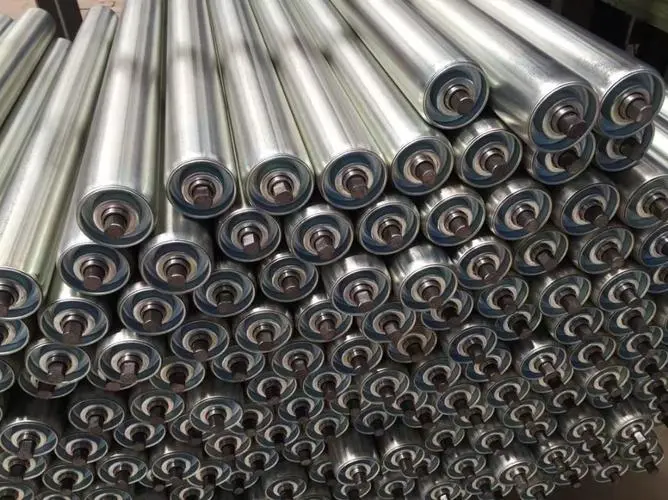
Wet coal fines on the return run can make a roller replacement look like a material problem when the contamination begins at the discharge. A plant evaluating a coal conveyor rollers supplier should describe where the fines accumulate, which side of the belt meets each roller and how the material enters the conveyor. GRAM’s steel rollers, polymer rollers and loading-zone assemblies offer different routes to review. The right starting point is a position-by-position account of the coal-handling line.
This approach suits coal preparation plants, power-station handling routes and contractors replacing rollers near unloading or transfer points. First distinguish carrying support, impact support and return duty. Then provide frame dimensions, shaft interfaces and the real moisture condition. A single coal roller description is too broad to establish those requirements.
A coal conveyor rollers supplier needs to know where the fines begin
Observe the operating problem from a safe position and use the plant’s approved shutdown procedure for close inspection. Record whether the fines arrive with the incoming coal, fall around the transfer or remain on the belt after discharge. These locations lead to different assembly questions. Do not assume the worst-looking roller is the source of the contamination.
A coal preparation plant may see wet material collecting on the return side while its loaded carrying rollers remain relatively clean. That difference is useful information. The return assembly meets residue carried back by the belt, whereas the carrying assembly supports the loaded belt. Ordering the same replacement for both can ignore the condition that caused the first failure.
Return rollers should be assessed against coal carryback
Identify the returning belt surface and any deposits where it contacts the roller. Record whether buildup is concentrated in a strip, spreads across the belt or reaches the bearing ends. The return-roller carryback guide discusses this duty separately from ordinary carrying support.
A roller body material change may be part of the solution, but it should not conceal the unresolved source of carryback. Review the discharge cleaning arrangement and the site’s maintenance procedure. Specify the return roller for the actual residue condition while keeping cleaning equipment and roller support as distinct functions.
Coal loading points require a separate impact-support decision
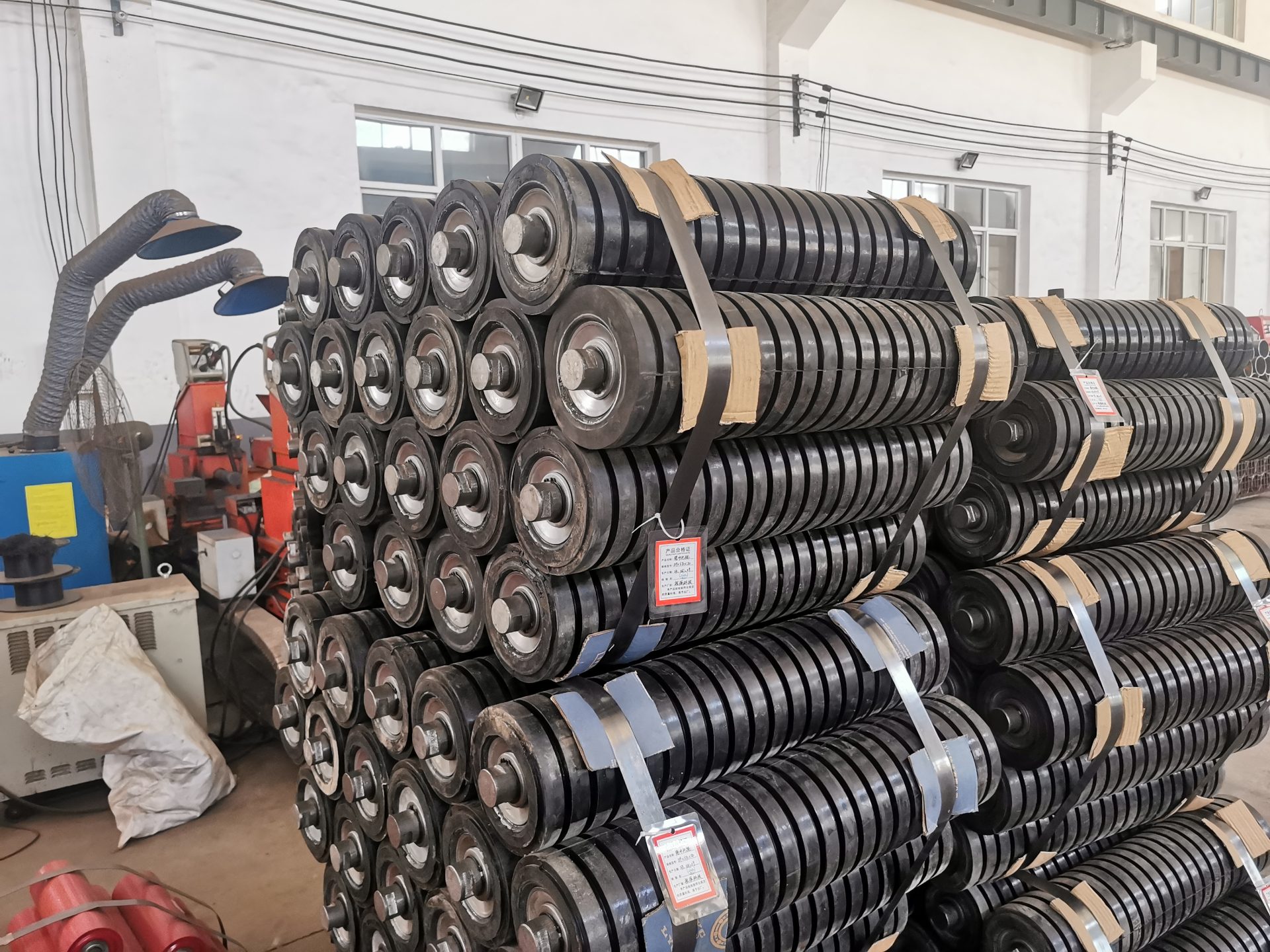
At an unloading or transfer point, material can land on the belt rather than simply remain supported along it. GRAM’s impact rollers use rubber-ring working surfaces. That construction serves a different purpose from a plain steel or polymer carrying surface.
A power-plant buyer replacing rollers near coal unloading should therefore describe the landing position and any change in the incoming stream. If the material now strikes near the belt edge or after a chute alteration, copying the old roller dimensions alone may not establish the right support. Have the loading arrangement reviewed against the actual conveyor design.
Coal conveyor roller selection should separate body material from end protection
Steel rollers provide a metal body route with bearing-end and shaft interfaces. Polymer rollers provide another construction route. GRAM describes polymer tubes or solid bars on sealed precision bearings, with non-contact rubber seals and metal end caps. Identify the offered complete assembly instead of comparing only steel and plastic shells.
Wet coal fines at bearing ends need a defined protection arrangement
Tell the supplier whether the fines collect at the running surface, end gap or frame connection. A body that resists corrosion does not automatically protect a bearing from abrasive wet deposits. Ask which end components are proposed for that exposure and obtain the assembly description or drawing.
If the plant uses direct washing near those ends, include that method in the enquiry. Process moisture and cleaning spray are not identical conditions. The offered protection should be reviewed against both, without claiming that a generic sealed bearing can tolerate every cleaning pressure, direction or chemical mixture.

Compare coal carrying stations with suspended garland arrangements
GRAM’s carrying garland range describes linked suspended roller groups and includes coal-handling applications. A garland set is an arrangement of connected rollers; it is not merely an individual roller with a different material name. Its suspension and frame connection must be included in the purchase scope.
| Coal-handling position | Assembly route to review | Information missing from a generic roller name |
|---|---|---|
| Normal carrying run | Approved carrying assembly | Support geometry, loading and frame interface |
| Material entry | Impact roller support | Landing position and transition to carrying support |
| Suspended carrying station | Linked garland group | Suspension connections and complete set geometry |
| Returning belt | Return-duty roller arrangement | Contact side, residue and end exposure |
If the replacement scope includes a garland group, identify whether the order covers individual rollers, connecting parts or the assembled set. Do not assume the surrounding suspension components will be renewed. A contractor should inspect the retained interfaces under the plant’s approved procedure and resolve their compatibility before the replacement arrives.
The external Rulmeca bulk component range distinguishes carrying, impact, return and suspended arrangements. That functional separation supports a position-based enquiry. Its individual ratings, models and certifications remain manufacturer-specific and should not be assigned to the GRAM options.
Cleaning equipment should address the coal residue rather than replace roller support
GRAM also lists a conveyor roller cleaner route. Identify what is being cleaned and where the equipment acts. A roller cleaner and a belt-cleaning assembly are different product enquiries, and neither establishes the mechanical suitability of the carrying or return roller itself.
For a wet-fines problem, provide the material condition at the cleaning location and the access available for maintenance. If the plant changes the cleaning arrangement, reassess the residue reaching the return rollers. The final roller duty should reflect the condition expected after that change, rather than mixing evidence from the old and new setups.
Coal-site fire requirements remain separate from a roller material claim
Ask the site to identify any required fire, static or other compliance documents for the intended location. A polymer shell name is not an underground approval, and a general coal application description does not establish every site’s acceptance requirements. Obtain the actual offered assembly documentation where those requirements apply.
Keep the requirements tied to the installation location. A surface power-station transfer and an underground mine conveyor should not share a purchasing approval merely because both handle coal. The buyer’s engineering and compliance review must establish the applicable construction and evidence for each route.
Coal moisture and heat changes belong in the roller replacement order
Changing coal moisture can change the return-roller condition without changing its frame
A power station receiving a wetter coal supply may see a different deposit pattern even though the conveyor and roller dimensions remain the same. Tell the supplier when the material source or drainage condition changes. The replacement should be assessed against the resulting carryback and end exposure, rather than against a dry operating description retained from the original purchase.
A coal preparation plant should also distinguish a persistent wet deposit from occasional rain-related contamination. Record where the residue stays after ordinary operation and how it is removed under the approved maintenance procedure. The supplier can then discuss the offered body and end protection against a defined exposure. A photograph taken immediately after cleaning may conceal the condition that matters most.
Where the belt has developed an uneven deposit, inspect whether the return contact is changing across the roller. Do not assume that every apparent tracking problem requires a different roller material. The residue, belt condition and support arrangement need separate review. Keep any cleaning change documented so the purchaser can identify the duty expected after the process is corrected.
Coal roller enquiries should identify warm material and local heat sources
Some coal-handling routes can receive unusual thermal exposure from an upset or nearby process. The buyer should identify the credible condition at the roller rather than using the site’s average ambient temperature. A proposed polymer body or seal arrangement requires its own suitability information. No numerical temperature limit should be inferred from the material name.
If the replacement is intended for several conveyor locations, list which positions share the same exposure and which do not. A common mounting span can simplify stocking, but it is not an operating approval. Keep the wet return position, loading zone and any heat-exposed location distinct until the offered assembly is confirmed for each. That makes a mixed replacement order more useful than a blanket description of coal rollers.
The purchasing record should preserve the material and exposure information used for the selection. A later repeat order may otherwise arrive with the correct nominal dimensions but a different end arrangement or material description. Request that any proposed construction change be identified before the replacement is accepted for the original coal duty.
Compare the delivered shaft ends, mounting spans and assembly forms with the approved position list. Check visible damage and rotation before installation. Where the offered end protection is a critical part of the wet-fines solution, confirm that the supplied end components match the declared construction rather than accepting a visually similar substitute.
Agree package identification that separates impact, carrying, garland and return assemblies. Protect projecting shafts and end components from transit contact. A coal plant receiving several similar steel rollers should be able to assign them to the intended positions without guessing from their tube lengths.
Make the order describe the coal line from loading to return. Address wet fines where they enter or remain, choose the support assembly for each position and retain the site’s actual compliance requirements. That gives the supplier a useful duty description and avoids expecting a single roller material to solve unrelated loading, contamination and cleaning problems.
Last Updated on October 3, 2026 by gramconveyor_admin


