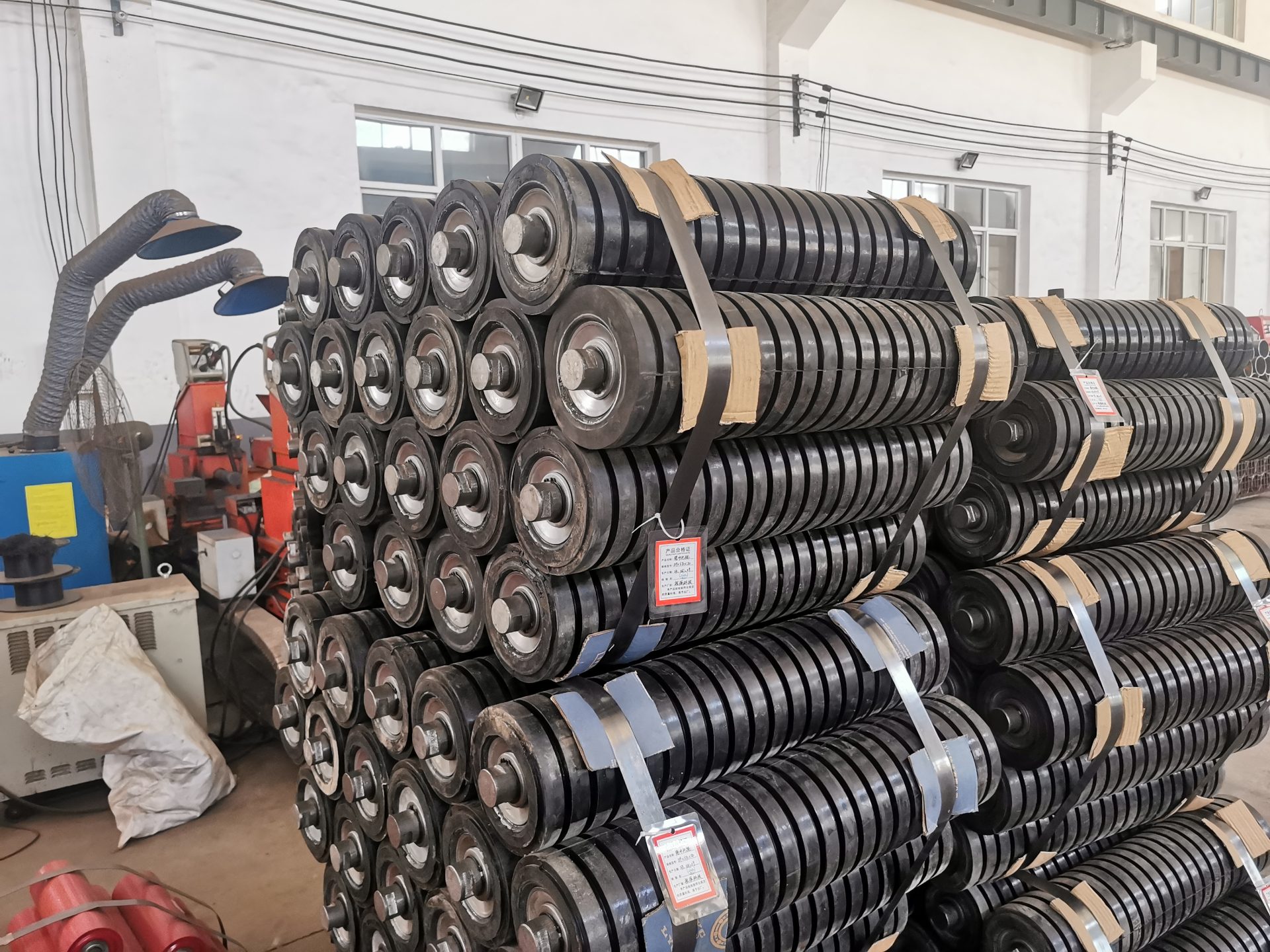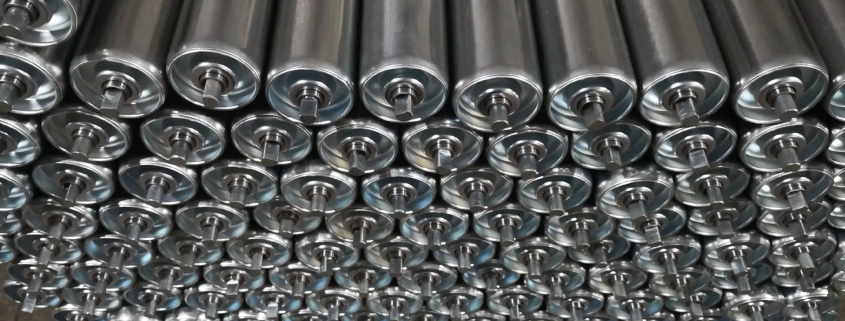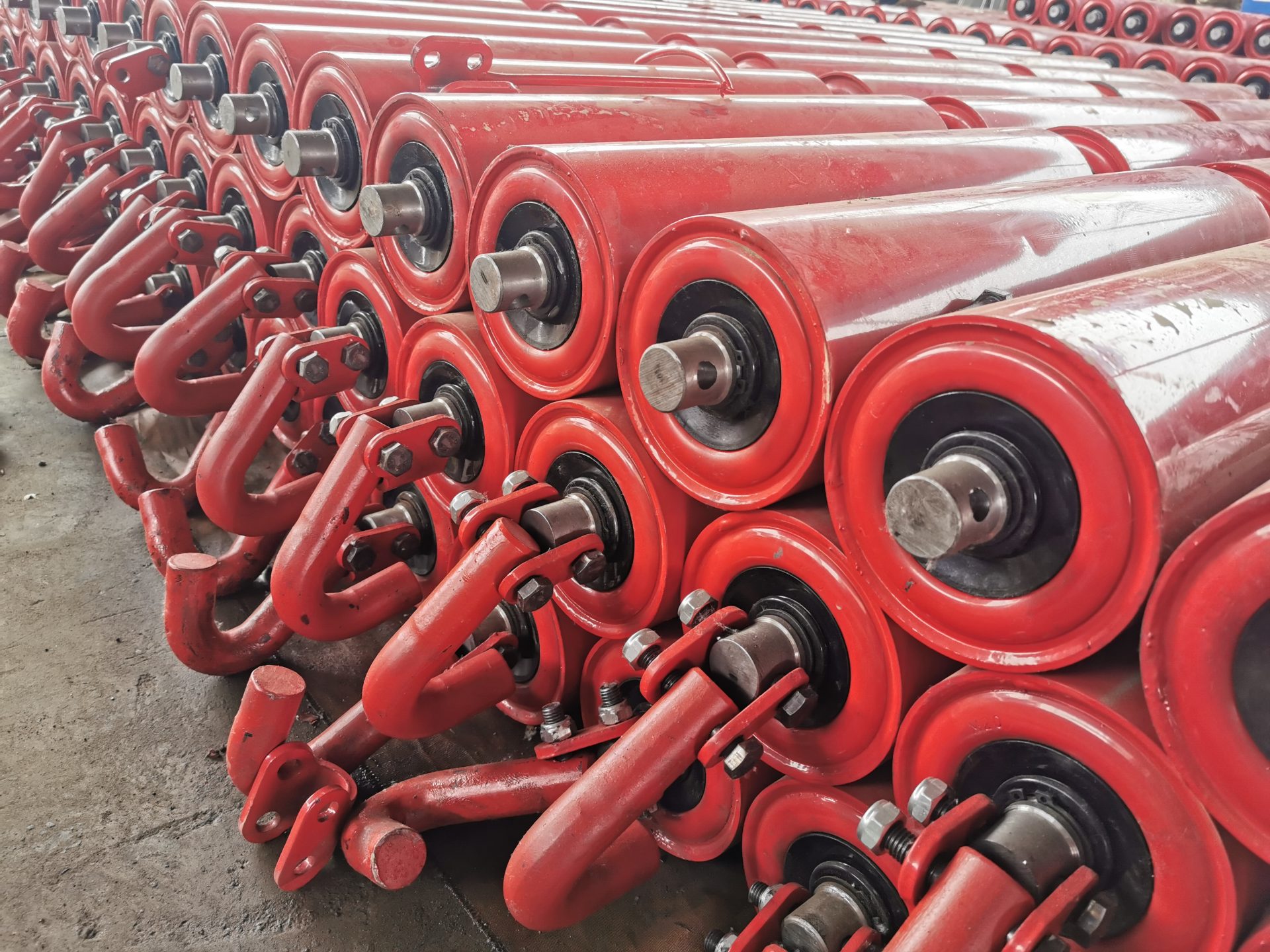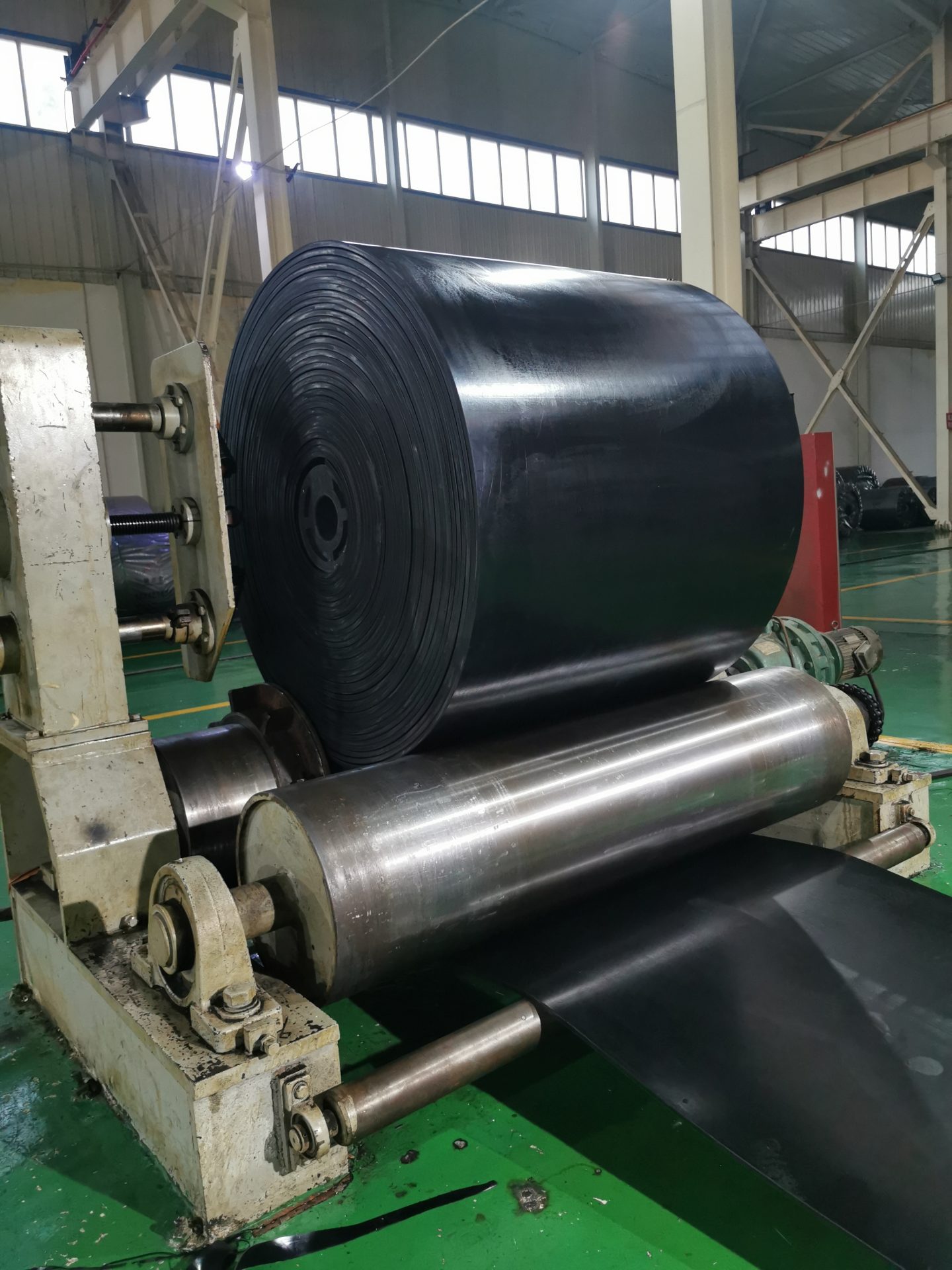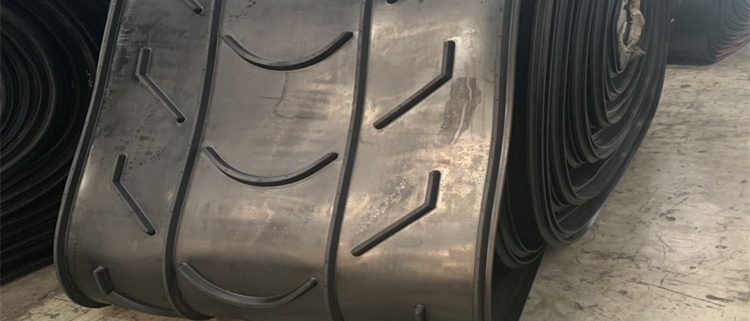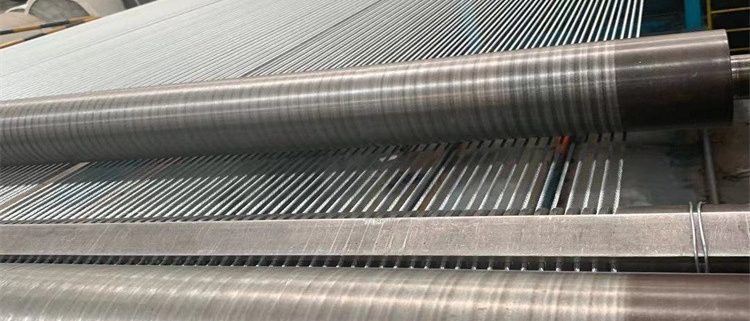
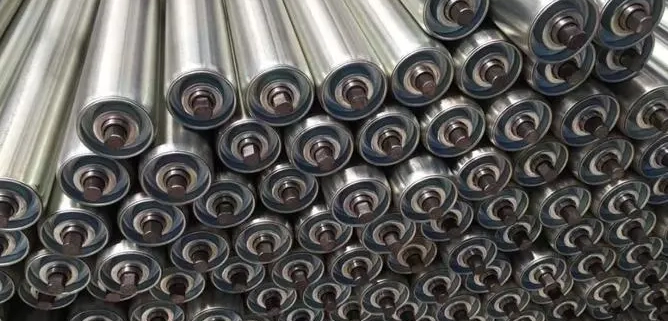
Steel conveyor rollers stacked with bearing ends and shaft interfaces visible

A chain-driven roller can match the frame width and still put its sprocket outside the transmission’s working plane. A buyer evaluating a sprocket conveyor rollers manufacturer should begin with chain alignment, retained shaft engagement and clearance to the side guards. GRAM lists sprocket rollers in its specialized steel roller range. Use that route to discuss a complete driven assembly for the actual conveyor, rather than selecting a roller by tube dimensions alone.

The relevant customers are integrators, maintenance teams and distributors supplying powered unit-load transfers. First identify the existing chain arrangement and the drawing reference that locates the sprocket. Then define the roller body, shaft ends and loading requirements. A photograph of the chain side is helpful, but it should accompany measurements, not replace them.

A sprocket conveyor rollers manufacturer needs the chain plane

The chain transmission occupies a defined plane relative to the conveyor frame. The sprocket on the replacement must meet that plane within the approved design. State the reference used to locate it: an identified shaft end, mounting surface or another equipment datum. Without that reference, an offset measurement can be interpreted in several ways.

Sprocket offset and tube length describe different interfaces

The tube supports the load; the sprocket engages the chain. Changing one dimension does not automatically preserve the other. Record the working tube length separately from the sprocket location and complete installation span. If the roller has different end components from the original, review how those changes affect the installed chain plane.

An integrator replacing rollers while retaining the conveyor side guards should also define the envelope available around the sprocket. A component may be correctly aligned with the chain yet contact a guard or bracket. Include the retained surroundings in the drawing so the supplier can identify the proposed assembly’s occupied space.

Chain identification must be confirmed rather than guessed from appearance

The actual chain interface belongs in the enquiry. Provide the equipment specification, chain identification or dimensions verified by the responsible designer. A similar-looking chain can have a different required mating geometry. Do not infer a chain standard or sprocket tooth count from a product photograph.

GRAM’s steel product description establishes that a sprocket roller route exists, but it does not declare every chain pitch, tooth count or arrangement available for every assembly. Ask for the offered configuration and verify it against the retained transmission. Keep third-party catalog examples as background rather than treating them as GRAM model specifications.

Sprocket conveyor roller selection should retain the shaft’s working engagement

GRAM’s main roller range describes shaft-end choices, including round, hex and spring-loaded arrangements. The offered end form must fit the existing frame and retain the intended assembly position. A nominal tube size cannot establish that fit.

A spring-loaded shaft does not define the chain-side location

If a spring feature is used to assist installation, check the working shaft engagement after the roller is seated. The spring movement should not be used as a substitute for a defined mounting reference. Confirm where the driven assembly sits in the retained frame before judging whether its sprocket aligns.

A distributor comparing two returned samples may find identical body lengths but different sprocket offsets or shaft projections. Keep those assemblies separate until the customer identifies their conveyor positions. Describing both as the same chain roller can conceal a meaningful transmission difference.
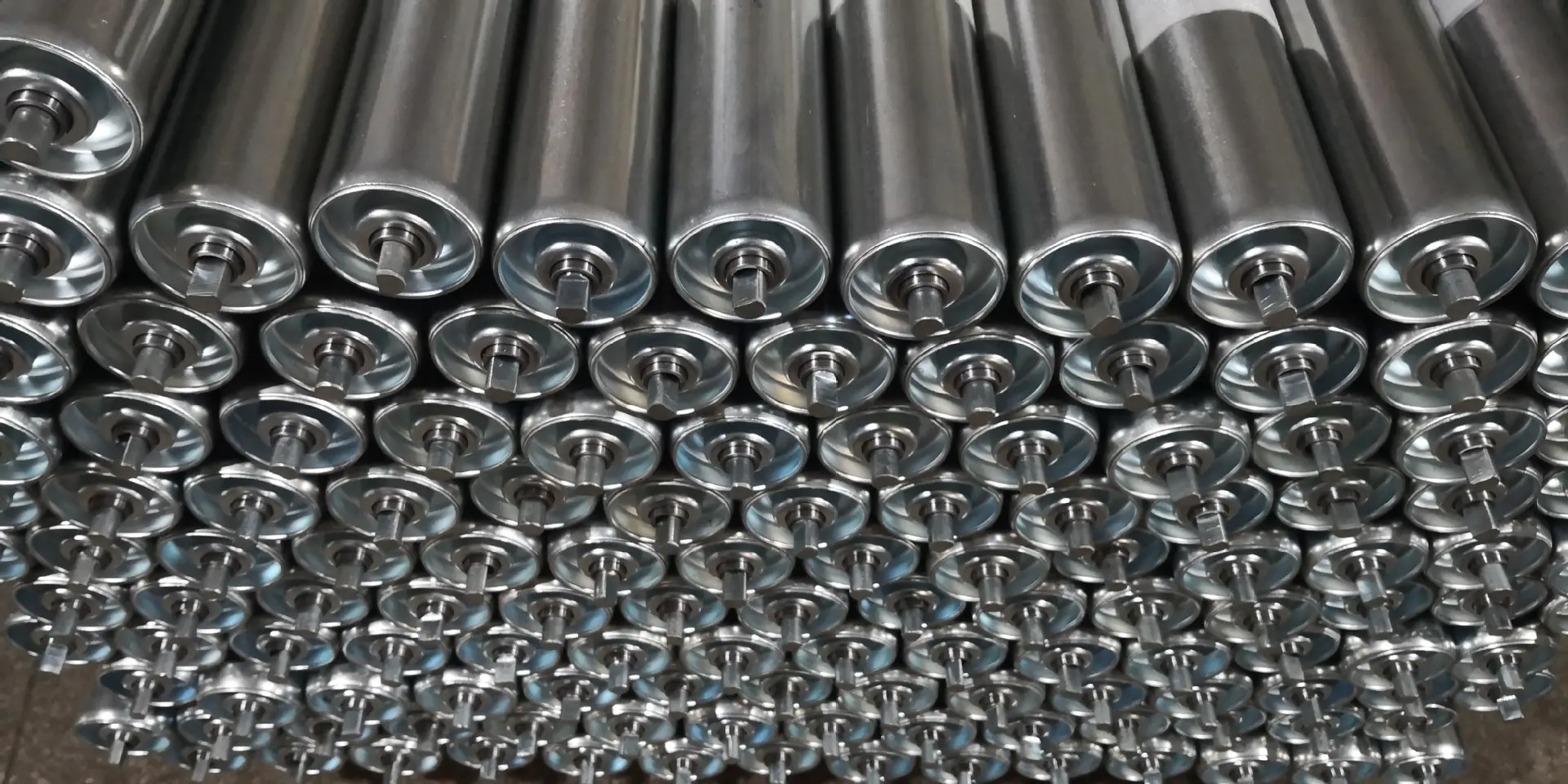
Steel conveyor roller assemblies illustrating shaft and tube references for a driven roller specification
The driven roller drawing needs both the frame interface and the transmission reference.

Distinguish sprocket rollers from the other GRAM conveying routes

The heavy-duty roller conveyor range describes gravity and powered movement. A sprocket roller belongs to a chain-driven arrangement; a gravity roller depends on an entirely different means of moving the load. Avoid comparing them as interchangeable assemblies simply because their tubes have similar dimensions.

Roller route Interface to establish Reason to keep the enquiry distinct
Sprocket-driven steel roller Chain interface and sprocket plane Transmission alignment governs the driven connection
Grooved steel roller Drive-belt profile and groove location A belt interface is not a chain interface
Tapered steel roller Curve geometry and orientation Running diameter changes across the working length
Free-running roller Support and mounting arrangement No chain drive should be assumed

GRAM names grooved and tapered variants within the steel range. If a buyer proposes changing the transmission or conveyor geometry, the complete system needs review by its designer. Replacing a sprocket with another roller feature is not merely a surface option change. It can alter how the load is driven and how the equipment must be guarded.

Guide rollers have a separate local-guiding role with built-in bearings. They can be relevant elsewhere on the handling line, but they do not replace the sprocket roller’s driven load support. Name each component by its function in the project purchase list.

Review chain-side access before comparing manufacturing offers

A chain-driven assembly needs room for approved installation and maintenance. Show whether the roller can be removed without disturbing the surrounding transmission, and identify the access required by the equipment’s procedure. The supplier should know if a projecting component will be inaccessible after the guard is refitted.

For a powered transfer carrying crates or other substantial unit loads, the load and movement conditions must be declared as well. The chain interface does not establish the roller’s load capacity or the conveyor’s ability to stop the load. Request the offered assembly’s applicable mechanical information and have the system requirements checked by the responsible designer.

The Rolcon conveyor roller catalog shows different roller constructions and drive arrangements. It is a useful reference for understanding why transmission details belong in a roller specification. Its chain choices, dimensions and ratings remain manufacturer-specific and should not be copied into a GRAM order.
Bearing guide roller assembly showing a separate function from sprocket-driven load support
Keep local guiding components separate from the driven roller assembly and its chain connection.

Acceptance should compare the delivered sprocket assembly with the approved drawing

An offer should also explain the boundary between the roller assembly and the customer’s retained transmission. If the customer supplies the chain, guard and drive arrangement, identify those items as retained interfaces. The roller quotation should still show how the proposed sprocket meets them. An undefined boundary can leave both parties assuming that the other has checked chain compatibility.

When the site has modified a powered transfer, supply the current drawing rather than an obsolete original. A moved side frame or altered bracket can change the assembly reference even if the nominal conveyor width is unchanged. The offered roller should be checked against the current installation, with any departure from the approved design reviewed by its responsible engineer.

Check the identified chain interface, sprocket location and shaft ends against the approved assembly record. Inspect for visible damage and rotate the unit using the supplier’s instructions. Any dimensional tolerance or runout requirement should already be defined in the order, so inspection can refer to a measurable criterion.

Do not accept an undocumented sprocket substitution because the roller body fits. Confirm whether the change preserves the approved chain engagement and assembly envelope. If a transmission component has changed, obtain the responsible designer’s review before installation rather than relying on a workshop adjustment.

Keep chain alignment evidence with the sprocket roller specification

Uneven chain wear should trigger an alignment enquiry, not an automatic roller upgrade

If a buyer replaces a driven roller because the transmission wears unevenly, describe the wear location and the equipment condition at removal. The fault may involve the installed chain plane, the retained transmission or another system constraint. An apparently more substantial roller body cannot establish that those interfaces have been corrected.

Compare the position of the old assembly with the approved drawing before deciding what the new roller should copy. A workshop-adjusted spacer or altered shaft end may have moved the original sprocket away from the intended location. Copying that sample without checking the frame can reproduce the problem. Mark any difference between the sample and the equipment specification in the enquiry.

The handled load also deserves an explicit description. Starting a loaded transfer, accumulating crates and moving a steady stream are different operating conditions. The equipment designer needs to confirm the required roller and transmission duty for the actual process. Do not convert a sprocket size or an informal heavy-duty description into an unsupported complete-assembly capacity.

If the project changes the load or movement cycle, identify whether the retained chain transmission is still part of the approved design. The supplier can propose an assembly against that stated duty, but the conveyor’s system suitability requires its responsible designer. A replacement order should make the division of responsibility clear without claiming a drive redesign service that has not been agreed.

For a distributor, keep the chain interface, sprocket offset and shaft reference in the stocking description. Two steel rollers can look similar on a shelf while belonging to different powered lines. Labeling only their tube length invites a mistaken substitution during an urgent repair. The intended drive configuration is part of the product identity, not a detail to recover after shipment.

Agree packing that keeps projecting drive components from striking neighboring tubes, shafts or end assemblies. Identify the sprocket configuration and conveyor location on the packages. A mixed delivery with similar tube sizes should remain traceable to the actual approved driven assemblies.

The custom roller locating-dimension guide is relevant when the retained frame, sample and new drawing do not agree. For a chain-driven purchase, give the sprocket location the same attention as the tube diameter. The order is ready when the offered assembly fits the frame, meets the transmission and leaves the required guarded operating space.
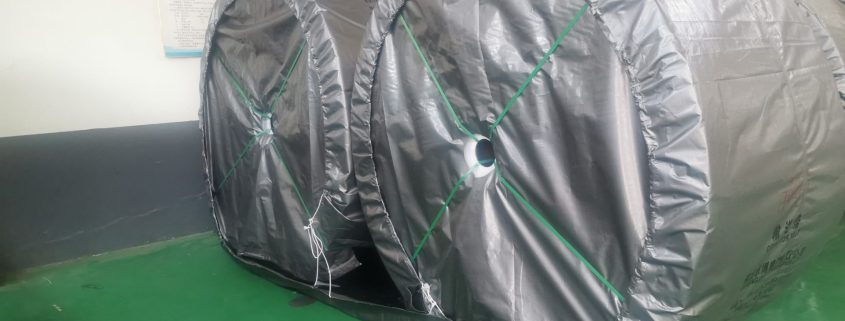
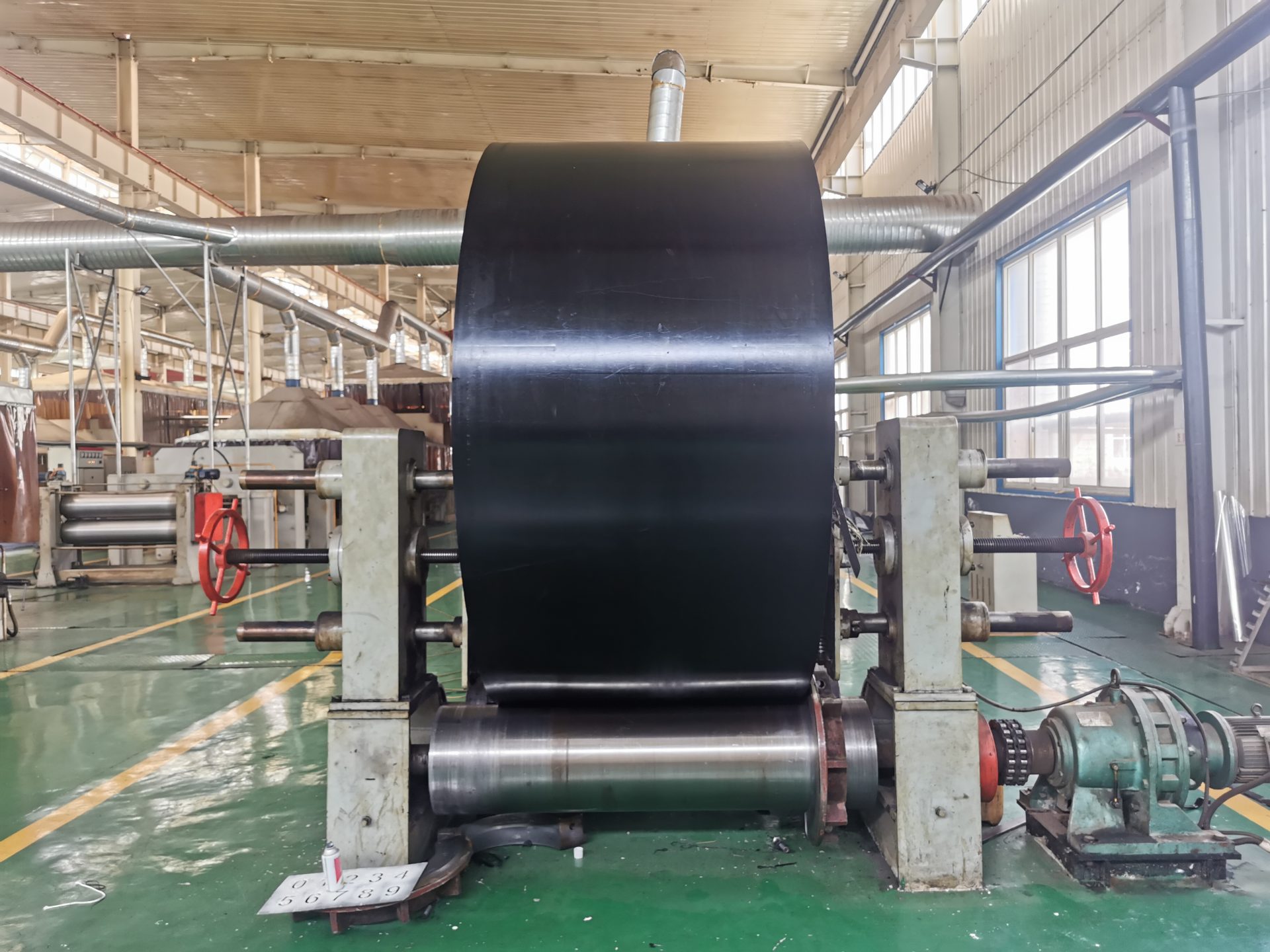
Wrapped GRAM belt rolls requiring identification of the actual supplied construction and form

A request for a nylon conveyor belt can leave a supplier answering the wrong construction question. Nylon appears in more than one reinforcing arrangement, so confirm what both fabric directions contain before selecting an NN rubber conveyor belt supplier. GRAM’s NN rubber belt construction uses nylon yarns longitudinally and transversely. That declaration is the starting point for buyers who need a particular replacement fabric, not a complete approval of every cover, ply build or installation condition.

An NN rubber conveyor belt supplier should identify both fabric directions

The first N refers to the longitudinal reinforcing direction and the second to the transverse direction. GRAM describes nylon fibres in the warp and weft of its NN construction. Preserve both directions in the accepted offer so the fabric declaration remains clear when the inquiry moves from a sales description to the actual order.

A distributor receiving only the words “nylon belt” should ask which reinforcing arrangement the customer intends. The term may identify the general material family without specifying the whole fabric. An NN proposal should not depend on the receiving team deciding what the original shorthand probably meant.

Make the fabric statement complete: nylon in the longitudinal direction and nylon in the transverse direction. Then identify the actual belt build and covers. The two-letter designation and the complete replacement specification answer related but different questions.

Longitudinal nylon belongs to the accepted carcass description

In GRAM’s NN construction, the longitudinal nylon yarns form part of the fabric carcass. The buyer should retain the accepted reinforcement description together with the proposed ply build. A general reference to nylon does not define every fabric property or the complete belt’s accepted strength.

If an offer states a strength without identifying whether it concerns a fabric ply or the finished belt, clarify that basis before comparing alternatives. Do not derive a missing rating from the number of letters in the fabric name. The GRAM proposal needs its own identifiable construction and the project’s actual acceptance requirements.

Transverse nylon is not an optional word in an NN offer

The transverse declaration distinguishes NN from other reinforcing arrangements that can also include nylon. Keep that part of the specification visible when a supplier proposes a substitute or simplifies a quotation. Removing the transverse description makes the fabric identity less precise, even if the commercial line still says “nylon conveyor belt.”

The declaration also gives the buyer a concrete question when the offered material information is incomplete: does the supplied fabric match the accepted nylon/nylon construction? The answer should refer to the actual offered belt, not only a general explanation of synthetic fabrics used throughout the industry.

GRAM’s nylon belt route still needs an identifiable complete build

GRAM’s nylon conveyor belt range provides a broader entry for discussing nylon-reinforced applications. Use that route to describe the intended duty, while preserving the explicit NN declaration where that is the selected construction. A general range name should not replace the accepted belt specification.

The NN description separates three parts: an upper rubber cover, a nylon fabric carcass and a lower cover. Those parts need their own roles in the inquiry. The outer appearance of a roll may show the rubber surface while leaving the yarn directions hidden inside the belt.

Upper cover
The rubber surface presented to the conveyed material.
NN carcass
The fabric reinforcement declared as nylon in both directions.
Lower cover
The rubber surface associated with the belt’s underlying equipment contact.

The NN fabric declaration does not identify the rubber compound

A buyer ordering for a particular material exposure should preserve the cover requirement separately from the NN name. The fabric declaration does not establish oil compatibility, chemical resistance or a heat rating. Those application questions require an identifiable offered cover and actual acceptance information.

For example, a plant comparing two NN offers should check whether both are being assessed against the same material and cover duty. A shared reinforcing material does not make different rubber constructions interchangeable. The supplier’s proposal should state which complete build is being offered for the retained conveyor.

GRAM nylon-range rubber belt roll whose outer surface does not establish the hidden fabric directions
The roll’s appearance is not proof of its internal yarn arrangement or cover grade.

Compare an NN proposal with EP by construction, not the shared nylon content

GRAM’s EP rubber belts use polyester yarns longitudinally and nylon yarns transversely. Both EP and NN therefore include nylon, but they do not declare the same fabric. A buyer should preserve this distinction when comparing replacement offers that share nominal outer dimensions.

For a plant with an existing NN order, an EP alternative should be identified as a construction change. The supplier and responsible project team need to assess that change against the retained conveyor and duty. It should not pass through purchasing as a simple wording variation of the original nylon request.

Matching width and thickness does not establish the same fabric

Two proposed belts can have similar width and overall thickness while differing in reinforcement and cover allocation. Keep the accepted construction description alongside those dimensions. The receiving team should not infer that a roll is NN simply because it matches the visible envelope of the removed belt.

If a comparison lacks a complete fabric declaration, resolve that omission before treating the offers as equivalent. A precise NN/EP distinction is useful even where the supplier has not yet supplied every accepted numerical parameter. It prevents a known construction difference from being hidden by a superficially similar outer size.

Fenner Dunlop’s fabric discussion also distinguishes longitudinal and transverse materials when explaining belt declarations. Its examples are not GRAM models. The useful general principle is to identify the actual reinforcing arrangement rather than accept a broad fabric name as sufficient evidence.

Fabric plies, covers and joining information should describe the same NN belt

GRAM’s fabric conveyor belts separate the rubber covers from the reinforcing layers. For an NN replacement, the accepted layer description and joining information should refer to the same offered construction. A document describing another belt build is not made applicable merely by replacing its title with NN.

A contractor responsible for joining the replacement needs the actual accepted construction information. The purchaser should identify who provides that information and which revision describes the delivered belt. No universal splice method or allowance follows from the fact that both yarn directions use nylon.

A changed ply build needs its own acceptance

Where the supplier changes the proposed number or form of reinforcing layers, keep that change visible within the NN offer. The fabric designation can remain the same while the complete construction changes. The buyer should not use the shared NN name as a reason to omit the revised build from the project review.

This is particularly relevant to repeat orders whose old documents contain only a short product code. Preserve the accepted current construction rather than assume that the previous shorthand defines every new layer. The supplier’s actual offer should connect its reinforcing description, covers and joining information to the replacement being purchased.

An HR requirement must remain separate from the NN yarn declaration

GRAM’s HR rubber belts are a separate route for discussing hot-material exposure. If the intended NN replacement also has a hot-duty requirement, keep both requirements identifiable. The nylon/nylon declaration does not establish that the proposed rubber cover has been accepted for that exposure.

A distributor should therefore avoid combining an NN fabric declaration from one offer with a heat-related claim taken from another. The supplier must identify the actual complete belt proposed for the customer’s duty. A combined description assembled from separate general product statements is not an accepted construction.

GRAM EP application illustration showing a separate reinforcing route from the declared NN construction
EP is a separate reinforcing route even though it also includes transverse nylon yarns.

Keep the NN declaration attached to the actual delivered belt

Consider a quotation that says “nylon reinforced” while its attached construction drawing identifies polyester in the running direction. The distributor should resolve that contradiction before confirming NN to the plant. A transverse nylon yarn description can be consistent with EP; it does not establish nylon in both directions. Ask the supplier to correct the product identity or provide the construction that matches the requested NN offer. Keep the corrected document with the selected roll reference, so the receiving team does not have to decide which of two incompatible descriptions was intended.

The accepted quotation, construction information and delivered identification should agree on which belt is NN. This is more useful than a generic material assurance detached from the actual supplied roll. Where evidence has not been supplied, preserve that gap rather than imply that the internal yarns have been independently verified.

The supplier should identify the relevant construction record for the order and any accepted changes made during procurement. If the delivered description differs, resolve the difference before treating the belt as the selected replacement. This does not prescribe a laboratory identification method or claim that visual inspection can determine hidden fibre composition.

The nylon belt and retained take-up discussion addresses another part of replacement suitability. Keep that equipment review alongside the fabric declaration. Confirming both nylon directions clarifies what the belt is; it does not settle every condition in which the belt will be installed.

Release an NN order that says what is being supplied in both fabric directions, how the complete build is identified and which cover duty has been accepted. Where EP or another build remains an alternative, preserve it as a separate proposal. That gives the distributor, contractor and receiving team the same construction to evaluate instead of three interpretations of the words “nylon belt.”

Steel conveyor rollers stacked with bearing ends and shaft interfaces visible

Where does the load sit along the roller face? A steel conveyor rollers manufacturer needs that answer before a long roller is treated as an approved heavy-load replacement. The diameter and material name describe only part of the component. For an engineer retaining the conveyor supports, start with GRAM’s steel roller range and identify the face length, shaft support positions, load distribution and operating duty of the complete proposed assembly. Those particulars belong on the same approval record.

A broad material load, a concentrated contact and a changing distribution are different conditions for a roller. The buyer should describe which one the conveyor presents. Asking for a stronger steel roller without identifying that condition can produce proposals that appear comparable on price while answering different mechanical questions.

Give the Steel Conveyor Rollers Manufacturer the Load Position Along the Face

GRAM describes steel roller bodies rotating around a central axle for industrial material handling. The assembly must carry its load through the body, bearings and shaft supports. The location and distribution of that load therefore matter alongside its magnitude. A material label cannot establish the capacity of an unnamed assembly.

A Long Steel Roller Face Does Not Describe the Shaft Support Span

The working face and the distance between the shaft supports are different measurements. Identify both. A proposal for a longer body may retain a shaft arrangement, change the supports or require a revised frame. The engineer needs to know which condition the offered roller assumes.

Consider a buyer extending the useful supported width while retaining the existing brackets. The new roller should not be selected solely because its face reaches the requested length. The complete geometry and proposed load must be assessed against the actual support positions. If the supplier assumes different supports, that assumption must become an explicit project change.

The relevant drawing should show where the load acts in relation to the bearing and support positions. A few unrelated dimensions on photographs can leave that relationship unclear. Use a common reference so the shell, shaft and load case can be reviewed as one assembly rather than as separate component sizes.

Concentrated Contact Needs a Different Description from Distributed Material

A conveyor carrying material broadly across a belt presents a different load description from a localised contact. The purchasing team should identify the distribution the engineer is expected to assess. Do not convert the total carried load into a roller capacity by dividing it between components without an appropriate system calculation.

For an unevenly loaded bulk conveyor, record whether material consistently favours one part of the belt and whether that distribution changes. The proposal should account for the intended operating conditions, including relevant loading variations. A central load drawn for convenience does not describe every operating case.

For a return-belt roller, describe accumulated material separately from the cleaned belt contact; it can alter the operating condition.

If the buyer is uncertain about the load allocation to a particular roller, keep that as an engineering question. A supplier cannot resolve it from outside diameter alone. The requirement should state the system information available and identify which load assessment is needed before the component is approved.

A second purchase situation arises when a roller face is lengthened to support a wider material path but the load remains concentrated toward an old transfer position. The resulting duty is not necessarily a uniformly loaded longer roller. Show the unchanged loading position within the revised face outline so the manufacturer does not assess an assumed distribution that the conveyor will not present.

Where material buildup changes the contact or loading condition, describe that operating variation separately from the clean condition. The supplier should know which condition the project expects the proposed assembly to accommodate. Do not use a photograph taken after cleaning as the only evidence for a roller that routinely operates with a different material distribution.

Review the Steel Roller Body and Shaft as One Proposed Assembly

A thicker-looking body or a larger shaft may influence the proposal, but neither is a complete rating. The selected construction must be assessed for its duty and installation. GRAM’s conveyor roller families help identify different routes; approval belongs to the actual offered roller, including its bearings and ends.

Shell Condition and Shaft Condition Should Not Be Combined into One Failure Label

A plant engineer examining an old roller may find damage to the working surface, persistent deformation or poor rotation. Those observations should remain separate. Surface wear does not automatically prove that the shaft is undersized, and poor rotation does not automatically require a thicker shell.

Record where deformation or wear appears along the face. Compare that location with the known loading pattern and support arrangement. If the visible problem is concentrated near one end, a photograph of the middle of the roller may miss the evidence most relevant to the replacement decision.

Where a shaft or bracket has changed position, establish the intended geometry before copying the damaged component. A replacement drawing based on a bent assembly can reproduce the wrong condition. Separate measurements of the serviceable retained frame from measurements of the failed roller.

If two steel proposals use the same outside diameter, compare their offered construction and stated assumptions before comparing their prices. Identify the shell description, shaft arrangement, bearing construction and supported span each bidder has evaluated. A diameter match does not reveal whether the assemblies were assessed against the same load position.

When a manufacturer supplies a load acceptance statement, retain the drawing revision and operating condition to which it applies. If the face length or shaft support arrangement changes later, ask for an updated assessment of that revised assembly. A statement for the earlier construction should not remain attached to a commercially amended roller with different mechanical geometry.

Metso’s heavy-duty roller technical material treats the roller as a construction with bearing and sealing features. Its ratings belong to Metso. The useful comparison principle is to evaluate a complete assembly for a defined duty rather than assign capacity from a shell description.

Steel conveyor roller assemblies with projecting shaft ends shown separately from their cylindrical bodies
The roller body, shaft ends and support interface describe different parts of the same approval.

Roller-end Geometry Must Preserve the Intended Support Relationship

Identify how the shaft ends locate in the retained frame and how they are secured. The end form and supported span should agree with the proposed assembly drawing. A roller with an acceptable body length can still have a shaft arrangement that changes how the load reaches the conveyor structure.

If the proposal changes an end feature, establish whether the retained bracket is still suitable. Do not resolve a dimensional disagreement with an improvised mounting change unless that change has been assessed. The approval needs the actual installed arrangement, not an assumption that the installer will make the component fit.

Steel Roller Bearings Need the Actual Rotation and Contamination Duty

The bearings support rotation under the proposed load. Identify belt speed, roller dimensions and the conditions around the roller ends so the supplier can assess the offered assembly. A buyer should not compare two bearing descriptions while omitting the operating duty that makes those descriptions meaningful.

A Sound Steel Surface Can Conceal a Bearing-led Replacement Problem

If a roller body remains visibly intact but no longer turns as intended, examine the bearing and contamination condition. Buying a thicker tube alone may leave the original failure route unchanged. Describe water, dust, splash or cleaning exposure where those conditions reach the assembly.

A maintenance buyer may observe repeated rotation failures beneath one transfer area but few elsewhere. Keep that location information with the order. It can indicate why a bearing or sealing review is needed for that position instead of an undifferentiated request to replace every roller with a heavier shell.

Do not infer a bearing service life or an environmental rating from a smooth hand-rotation check. That check can contribute to a receiving inspection, but it does not establish performance under the conveyor load and speed. Request the construction-specific information required by the project’s acceptance agreement.

Steel and Polymer Roller Proposals Need the Same Defined Load Case

GRAM’s polymer rollers are described with a machined tube or solid bar, sealed precision bearings, non-contact rubber seals and metal end caps. That is a separate assembly route to review where the application warrants it. It does not make a polymer body an automatic substitute for a specified steel roller.

Compare steel and polymer proposals against the same face geometry, supported span, load distribution and exposure. Otherwise the comparison can attribute a difference to material while the offered assemblies actually have different construction assumptions. Keep body material and complete mechanical suitability as related but separate decisions.

Separate Impact and Suspended Roller Duties from Plain Steel Carrying Duty

Some positions require more than a change to steel shell dimensions. GRAM’s rubber-ring impact rollers and linked carrying garlands illustrate two different support routes. The engineer should identify which function the replacement must perform before comparing roller bodies.

At a loading point, the material contact and support arrangement need assessment together. A plain steel carrying roller should not be offered as an equivalent to a ringed impact assembly merely because it appears robust. The rubber-ring construction has a different contact function, and the complete station must suit the actual loading duty.

Rubber-ring impact roller assemblies stacked with shaft ends exposed
An impact roller’s ringed working surface distinguishes its duty from a plain steel carrying body.

For a garland, the inter-roller links and suspension ends form part of the support arrangement. A roller approved for a rigid carrying station is not automatically approved for a linked suspended set. Confirm the actual connection and assembly construction rather than transferring a shell description between those positions.

Keeping these duties separate also improves quotation comparison. A proposal for an individual roller, a linked group and a complete support station represents three different supply objects. Identify which one each price includes before treating a cheaper line as an equivalent offer.

Keep the Approved Steel Roller Construction Attached to the Delivered Components

Once the load and assembly have been assessed, give the supplied components a reference that identifies the approved construction and location. Where several long rollers share a diameter but differ in shaft or bearing arrangement, a common diameter label is insufficient. The receiving team needs a way to distinguish the actual approved assemblies.

Agree transport protection for the working faces and projecting shaft ends. The proposed supports and restraints should suit the components being supplied, with the handling method based on their actual mass and geometry. Do not use a product photograph to infer package weight or a safe lifting arrangement.

At receiving, compare the assembly with the final approved drawing, including the face length, support relationship and end features. Record visible damage before fitting. If a roller arrives with an unapproved construction change, separate that issue from a routine receiving tolerance discussion and obtain the appropriate technical decision.

The existing steel roller and bearing explanation provides additional construction context. For the actual purchase, retain the load-position drawing and the complete approved assembly details together. A long steel roller becomes an appropriate replacement when its shell, bearings and shaft support the defined duty—not when its outside diameter merely resembles the old component.

Steel roller assemblies with cylindrical bodies, bearing ends and projecting shafts

A mixed replacement list can contain carrying rollers, rubber-ring rollers, suspended sets and belt guides, all described by a similar outside diameter. Combining them into one spare line is convenient until a technician receives the wrong working component. A conveyor roller manufacturer needs the role and complete assembly behind each item. Begin with GRAM’s conveyor roller range, then divide the fleet by the job each component performs before comparing apparently similar dimensions.

This approach suits a distributor serving several bulk conveyors or an engineering buyer consolidating replacement orders. The first decision is which items can legitimately share an approval record. A shared diameter is a useful observation; it is not evidence that different roller families can replace one another.

A Conveyor Roller Manufacturer Needs the Working Position Behind Each Spare Line

A fleet record should identify the conveyor and the component’s working position, then name the supplied object. An individual roller, a linked suspended assembly and a guide component need different descriptions. Separating those objects prevents a consolidated order from quietly losing hardware or changing function.

Steel Carrying Rollers Belong to the Belt-support Record

GRAM’s steel conveyor rollers provide a route for reviewing steel-bodied belt-support components. Their proposed assembly must match the actual installation and operating duty. The body material alone does not identify the shaft ends, bearing arrangement, supported span or approved load.

For a distributor, keep each approved carrying roller associated with its installation record. If two conveyors use similar bodies but different mounting ends, the stock descriptions should distinguish them before receiving. Otherwise a picker can supply an apparently correct roller that the maintenance team cannot fit without an unapproved change.

Do not turn a steel material choice into a universal carrying-roller specification. A proposed roller still needs its full drawing and duty assessment. Where the application changes, confirm whether the existing approval remains applicable rather than treating the same material and visible diameter as a permanent fleet standard.

Distinguish the roller’s working face from the overall assembly length in that drawing. The belt-supporting region, shaft extensions and mounting references describe different interfaces. A warehouse measurement across exposed ends can look consistent while concealing a difference in usable face length. Keep the supplier’s agreed dimension definitions with the approved family so later staff compare the same references rather than reproduce a convenient but ambiguous measurement.

Rubber-ring Impact Rollers Need Their Own Family Identity

The visible rubber rings on GRAM’s impact roller range distinguish a working surface intended for an impact-support role. An impact roller should remain separate from a plain carrying roller even if part of its metal body or mounting arrangement looks familiar.

A maintenance buyer can record the actual ring arrangement and complete proposed geometry alongside the approved position. Its ringed surface must be assessed with the conveyor’s loading duty and support arrangement. The presence of rubber rings does not establish a particular impact-energy rating or confirm that the offered roller fits every receiving zone.

Rubber-ring impact rollers stacked with shafts extending beyond the roller bodies
The rubber-ring working surface distinguishes an impact family from a plain carrying roller.

When the commercial request says only “roller,” the receiving team may compare the metal mounting ends and overlook the working surface. Write the impact family and agreed assembly into the line description. If rings are supplied as separate replacement components, distinguish that scope from a complete roller; do not assume that a ring order includes the roller body or bearings.

Ask the Conveyor Roller Manufacturer Where an Assembly Begins and Ends

A roller replacement can be one component within a larger support system. Identify what remains on the conveyor and what the new supply includes. This boundary matters most when a fleet combines independent rollers, suspended groups and guiding components under one supplier relationship.

Garland Spares Include a Connection Decision as Well as a Roller Decision

GRAM’s carrying garland assemblies link several rollers and suspend the group from the conveyor structure. The connected set should have its own identity in the fleet, rather than appear as an arithmetic count of unrelated rollers.

A buyer ordering a complete garland must distinguish the linked group from individual replacement rollers within that group. The inter-roller connections and outer suspension interfaces need to match the agreed assembly. If some hardware is retained, say which hardware remains and how the proposed supplied parts relate to it.

For a mixed-fleet contractor, receiving three correctly sized roller bodies does not necessarily fulfil an order for a suspended assembly. The connections may be absent, belong to a different arrangement or require retained pieces that the site no longer has. A complete-set description and a component-only description should remain visibly different on the purchase and delivery records.

Within a suspended set, identify which member a component-only spare replaces. A roller located at one position should not become a generic substitute for every member because its tube looks similar. Retain the agreed connection arrangement and orientation for that position. If the complete set is approved as one arrangement, a changed member or connection requires review of the resulting assembly rather than an isolated confirmation of the replacement body’s dimensions.

Linked carrying garland rollers with red suspension connections visible between rollers
A suspended group has connection boundaries that an independent roller order does not contain.

Guide Rollers Should Not Disappear into the Carrying-roller Quantity

The guide roller route addresses a different contact from the main carrying support. Keep guide components associated with their actual brackets, orientation and intended belt contact. A body that rotates does not make its function interchangeable with a carrying roller.

A distributor may receive one large order containing carrying rollers and a few guides. If every line is described by diameter alone, those smaller quantities can become difficult to identify after unpacking. Preserve the guide role and agreed mounting reference with the supplied item, especially where its supporting hardware is retained separately.

Repeated belt-edge contact also deserves its own investigation. Ordering a guide replacement should not be treated as approval to force the belt into a path that has not been assessed. The fleet identity can prevent a wrong component from being supplied; it cannot, by itself, confirm the cause or acceptable level of belt contact.

Polymer Bodies Add a Material Branch Without Removing Assembly Differences

GRAM’s polymer roller family provides a different body route, but the complete assembly still needs a defined job. The published description includes machined tube or solid-bar construction, sealed precision bearings, non-contact rubber sealing and metal end caps. Those details make a material-only inventory label incomplete.

If a buyer changes a fleet position from steel to polymer, compare the full offered construction for that position. Do not approve the swap from body appearance or weight impression alone. Its mounting ends, support arrangement, bearings and exposure need to be consistent with the application accepted by the responsible engineer.

A distributor can separate material branches inside an established working family: for example, two proposed body routes for one carrying position can remain separate until both are approved. That is different from combining every polymer roller into a single spare group. Material identity and installation identity should support each other rather than compete for one short stock description.

Where a polymer body is proposed for a different exposure, record which assembly components remain metallic. GRAM’s description specifically includes metal end caps, so the nonmetallic body should not become a claim that every exposed part has changed material. The actual offered shaft, end construction and bearing protection need their own identification. That makes the material branch useful for purchasing without overstating what the polymer designation establishes.

The external Rulmeca technical information for belt-conveyor rollers discusses shell, end-cap, bearing, protection and spindle factors. Its product specifications belong to Rulmeca. The relevant general lesson is to assess the assembled roller, not only its shell material.

Classify a Mixed Roller Order Before Consolidating Quantities

Consolidation should follow technical agreement rather than create it. Begin with the fleet’s working positions and identify the approved supplied object for each. Only then combine quantities where the same construction and application approval genuinely apply.

  1. Name the role: carrying support, impact support, linked suspended support or a defined guide contact.
  2. Name the object: complete roller, complete linked set, individual member or separately supplied wearing component.
  3. Name the accepted installation: retain the drawing and duty reference that authorize that object at the stated position.
  4. Combine only confirmed equivalents: record which positions share an approval and which remain separate.

For an engineering buyer, this produces a more useful conversation than sending a warehouse photograph and asking for one large batch of “matching rollers.” Photographs can support identification, but the proposed drawing and working duty establish what is being ordered. Where an old part is worn or modified, make that limitation visible instead of assuming every measured feature was originally intended.

One customer may have two lines with nominally similar carrying rollers but different retained frame ends. Another may have replaced part of a linked group with locally sourced components. Neither situation should be hidden inside a fleet-wide quantity. Resolve those exceptions before consolidation so the manufacturer is not expected to guess which version the buyer means.

If an obsolete family is replaced by a revised construction, identify the approved successor without leaving both versions under one undifferentiated stock name. State which installation accepted the change and whether other positions have been reviewed. A buyer can then retire or retain the old spare intentionally, instead of allowing a revised roller to circulate across the entire fleet through an informal statement that it is the new version.

Receiving Checks Should Compare the Family-specific Features

Check a plain carrying roller against its agreed full assembly and ends. Check an impact item against the approved ringed construction as well. For a garland order, verify the supplied connected scope and its identified interfaces. For a guide, verify the component and mounting boundary for the intended contact. These checks differ because the items do different jobs.

If a delivery contains component-only spares, keep them identifiable separately from complete assemblies. A loose ring, connection or bearing-related component should not be counted as a complete roller merely because it appears on the same delivery note. The receiving record needs to preserve the commercial scope that the technical team approved.

Shared Shipments Need Separate Roller and Suspension Identification

Agree how the shipment will preserve each family’s identity during unloading and storage. Shaft ends need protection appropriate to the supplied geometry; ringed surfaces and connection hardware need their own agreed handling arrangements. These are requirements to resolve for the actual consignment, not a promise that every roller type uses one standard package.

A distributor dispatching part of a received batch should keep the identified construction attached to that outgoing quantity. If connection hardware travels separately, link it to its intended assembly rather than placing it in an undifferentiated accessories container. A correct roller becomes an unusable spare when its required connection pieces cannot be identified.

The existing steel roller and bearing discussion can support the steel branch of the assessment. It does not replace the other family records. Consolidate the fleet order only after its carrying, impact, suspended and guide items remain distinguishable to both the manufacturer and the person fitting the delivered spare.

Black nylon conveyor belt roll positioned on industrial belt handling equipment

One cement plant purchase order can contain conveyor belts for duties that have little in common beyond the site name. A raw-feed line, a hot-product conveyor and another retained transfer should not inherit the same requirement simply because they are being bought together. Give a cement plant conveyor belt supplier a separate duty description for each line. GRAM’s heat-resistant rubber belts offer a route for hot-material review, while reinforcement and cover choices for the other lines need their own acceptance.

A cement plant conveyor belt supplier should preserve each line’s duty

Begin with the plant reference and material conveyed at each position. State whether the inquiry concerns raw feed, a hot product or another transfer within the process. The distinction lets the supplier connect an actual GRAM construction to an actual conveyor, instead of treating the plant’s most demanding duty as a specification for every belt.

A purchasing team consolidating several replacement orders may simplify its inquiry to “cement plant belts.” That makes the administrative scope shorter but the technical scope less clear. Preserve the separate line references even when the supplier provides one commercial offer, because the receiving and maintenance teams will still install the belts on different equipment.

Consolidate the purchase, not the application assumptions. A single supplier and delivery can serve several accepted constructions. Each proposed belt should retain its own process position, reinforcement and cover requirement.

Raw-feed wear does not define the hot-product cover requirement

For a raw-material conveyor, identify the actual material and transfer condition being assessed. GRAM’s rubber conveyor belt range provides the broader construction route. The supplier should identify the offered cover and reinforcement against that line, rather than select a hot-material description merely because another conveyor on the site carries clinker.

Where the raw feed changes, keep that change attached to the affected conveyor reference. It does not automatically change the specification for the hot-product line or another retained belt. The buyer needs the proposed differences explained at the relevant position, not a plant-wide upgrade claim with no connection to the individual equipment.

The same separation should remain visible when one line has a more demanding replacement requirement than before. If the revised HR offer applies only to the hot-product conveyor, identify that line on the accepted revision. Do not describe all belts in the shipment as the revised hot-duty construction unless that is actually the agreed supply. A raw-feed EP belt may retain its own accepted cover and build while sharing the commercial order. Receiving personnel need both descriptions, especially when a plant project changes some conveyors while leaving others in their previous service.

Clinker duty belongs with the actual HR belt offer

GRAM’s HR material description names clinker among its hot-material applications. That supports reviewing this product route for an appropriate cement duty, but the offered belt must still be assessed against the actual exposure and retained conveyor. A general product description does not establish an accepted operating temperature for every clinker line.

Do not copy a temperature figure from another manufacturer into the GRAM inquiry as if it were the supplier’s capability. The actual proposal should identify the construction and applicable duty information. If a cooling-stage change alters the belt exposure, make that changed condition part of the review for the affected conveyor.

Compare cement belt reinforcement separately from the cover duty

GRAM’s belt families distinguish reinforcement from the rubber surfaces that encounter the operating environment. Keep those distinctions visible in a multi-line proposal. The term heat-resistant describes a cover-related duty requirement; an EP, NN or steel-cord description identifies a different part of the construction discussion.

Line requirement GRAM route to review Decision still required
Identified raw-material duty Rubber belt with accepted textile construction Material exposure and retained machine fit
Defined hot-product exposure HR rubber belt proposal Actual cover duty and complete belt construction
Different retained reinforcement route EP, NN or steel-cord construction Equipment and joining compatibility for that line

EP’s yarn arrangement should remain explicit on the relevant line

GRAM’s EP rubber belts use polyester yarns in the longitudinal direction and nylon yarns transversely. This is a useful construction detail to preserve in an accepted proposal. It is not a complete statement of cover duty, ply build or compatibility with every retained pulley and support arrangement.

If two plant lines use EP reinforcement, their covers and complete construction can still require separate review. The buyer should not treat the shared fabric name as permission to exchange their replacement rolls. Identify the actual offered build for each line and keep its order reference connected to the intended position.

GRAM rubber belt roll illustrating why the accepted construction must remain connected to its cement plant line
Similar outer appearance does not identify the accepted duty of a replacement belt.

NN reinforcement is a separate alternative, not a heat rating

GRAM’s NN rubber belt construction uses nylon in both fabric directions. If it is proposed as an alternative for one line, identify what changes from the accepted construction and assess that change against the actual conveyor. The material name alone does not establish the suitability of the rubber cover for hot product.

A buyer comparing EP and NN offers should preserve the same line duty in both reviews. Otherwise, the comparison can become misleading: one quotation may assume ordinary raw feed while the other includes a hot-material cover requirement. Resolve those application assumptions before treating the offers as alternatives for the same replacement.

A steel-cord proposal needs its own cement conveyor interface review

GRAM’s steel-cord conveyor belts provide a distinct reinforcement route. The visible longitudinal steel cords and the complete belt construction need an application review suited to the actual retained conveyor. They should not be treated as a universal substitute for the textile belts elsewhere on the purchase order.

If a plant asks the supplier to combine steel-cord and fabric belt replacements in one delivery, preserve their separate construction and joining requirements. A shared plant reference does not make their reinforcement or acceptance documents interchangeable. The proposal should show which conveyor each supplied construction is intended to serve.

Delivery identification should distinguish the reinforcement routes

The receiving documents should connect each delivered belt to its accepted line and construction. This matters when the commercial order covers several similar-looking black rolls. Preserve the steel-cord identity alongside its specified cover and agreed delivery-unit information; do not rely on appearance to distinguish it from a fabric belt.

Actual roll dimensions, mass, protective arrangements and delivery timing must come from the accepted supply offer. The buyer should request information for the particular delivered units, rather than infer a standard packing method from GRAM’s production photographs. Grouped delivery should make the separate order identities clearer, not remove them.

Longitudinal steel reinforcement cords in GRAM belt production as a distinct construction from textile reinforcement
Steel-cord reinforcement is a separate construction decision, not the name of a heat-resistant cover.

Keep cleaning contact tied to the belt supplied for that line

A replacement belt can also affect the retained cleaning interface. GRAM’s polyurethane conveyor cleaners have direct blade contact with the belt, with photographed transverse supports and adjustment components. The cleaning proposal should use the actual belt and duty at that position rather than a plant-wide assumption.

If the hot-product belt and a raw-feed belt are being replaced together, assess their cleaning requirements separately. A scraper selected for one belt surface, residue condition and mounting arrangement should not be assumed suitable for the other. The offered cleaner’s actual application boundaries need to be identified when it accompanies a belt order.

For a plant changing the cooling stage, include any changed condition at the cleaner in that line’s review. Do not assume that replacing the belt with an HR construction establishes the cleaner’s temperature capability or pressure setting. The belt and cleaning assembly are separate products whose shared contact must be accepted for the proposed installation.

Challenge a cement belt substitution at the line where it will run

A supplier may propose another construction when the purchasing team asks about delivery. Assess the alternative against the same conveyor duty and retained equipment that supported the original selection. Identify which reinforcement, cover or construction detail changes and which acceptance documents must be updated for that line.

This keeps a commercial substitution from becoming an unexamined application change. A convenient width or a shared reinforcement name is not enough to establish equivalence. The plant needs a defensible accepted offer for each position, even when the supplier can deliver several alternatives in the same shipment.

Fenner Dunlop’s cement-industry overview highlights the different wear and hot-material demands encountered in this industry. Its proprietary constructions and temperature claims remain its own. The useful general lesson is to retain the actual duty when selecting a belt, not to adopt another producer’s grades for GRAM supply.

Release the consolidated order with separate belt acceptance records

The detailed hot-material exposure discussion can help define the HR line. Use that description alongside the separate raw-feed and retained construction requirements. One well-defined hot-duty inquiry should improve its own belt proposal without becoming a blanket specification for the whole plant.

At supply inspection, connect each delivered construction to the accepted line reference, reinforcement and cover description. Where an offer changed during ordering, retain the accepted revision. The plant should be able to explain why each roll belongs at its intended position before installation personnel are asked to distinguish them on the floor.

Approve the purchase as several defined conveyor duties supplied together. Keep the clinker requirement with the hot-product line, the raw-material requirement with its own transfer, and each reinforcement choice with the retained machine it must serve. That is a clearer basis for repeat supply than asking the next buyer to reconstruct every belt from the phrase “cement plant order.”

Steel conveyor rollers stacked with bearing ends and shaft interfaces visible

The replacement roller fits between the side frames, yet the drive belt no longer sits in its groove. That is the failure a buyer should prevent when choosing a grooved conveyor rollers supplier. On a line-shaft or other belt-driven roller installation, define the groove position from an agreed mounting reference before approving the nominal roller length. GRAM names grooved rollers within its steel roller range; the right starting point is the existing drive arrangement and the complete roller drawing.

For a maintenance buyer or conveyor integrator, the first information is where the drive belt must run, how the roller is retained and what surface carries the load. A groove should be specified as a transmission interface, not merely a visible feature copied from a photograph. The offered construction must match the actual equipment.

A grooved conveyor rollers supplier needs a common groove datum

A dimension is only useful when both parties measure from the same reference. State which end of the roller establishes the groove position and identify that end on the drawing. If one party measures from the tube edge and another from the shaft end, the quoted dimensions can look consistent while locating the groove differently.

Groove offset should be measured from an identified roller end

Measure an installed working roller or use the conveyor’s approved drawing. A loose sample may have been turned around during removal, and wear can make the groove edges difficult to identify. Mark the orientation and measurement surfaces before sending the sample to the supplier. Include both ends when their shaft arrangements differ.

A distributor who receives a worn grooved roller with only an overall length should not assume its groove is centered or mirrored. Ask where the drive is located on the conveyor and which direction the sample was installed. That small clarification can prevent the manufacture of an assembly that fits the frame but does not meet the retained transmission.

Groove profile and drive-belt contact need their own description

The location of the groove and its shape are different requirements. Supply the existing drive-belt information or have the conveyor designer define the required interface. Ask the supplier to show the offered groove profile. Do not assume that every recessed ring in a roller is intended for the same belt section or contact geometry.

GRAM’s general steel range does not establish a single groove count or a universal drive-belt specification. Those details belong to the particular enquiry. Where the existing belt is also being changed, coordinate the new belt interface with the roller proposal rather than allowing each part to be selected independently.

Grooved conveyor roller selection must preserve shaft orientation

The GRAM conveyor roller range discusses round, hex and spring-loaded shaft arrangements. These mounting features can determine how a roller is positioned and retained. Identify the actual end form before approving the groove location; the visible tube length alone does not establish the assembly’s position in the frame.

Spring-loaded ends simplify fitting but do not locate the drive plane

A spring-loaded shaft can help a roller fit between fixed frames. Once installed, its retained geometry still needs to place the groove where the drive belt expects it. Confirm the compressed installation condition and the working shaft engagement separately. Do not use installation convenience as evidence that the drive interface is correct.

For a line-shaft conveyor retaining its existing drive belts, the buyer should compare the proposed roller’s installed groove plane with the old working assembly. If a shaft projection or end component changes, the groove may move relative to the conveyor even when its distance from the tube edge appears unchanged. Review the complete drawing.

Steel roller assemblies showing the tube and shaft references needed for a grooved roller enquiry
Define the groove position relative to the installed assembly, not an unidentified nominal length.

Keep grooved, sprocket and free-running roller enquiries separate

GRAM lists sprocket rollers as a separate specialized steel variant. A sprocket engages a chain transmission, while a groove can serve a belt-driven arrangement. These are different interfaces. If the conveyor owner is considering a drive conversion, that is a system design decision rather than a simple replacement of one roller surface feature.

The heavy-duty roller conveyor range also distinguishes gravity and powered conveying. A free-running roller may have no driven interface at all. Establish the movement method first so that the supplier does not have to infer it from the customer’s informal description of the conveyor.

Tapered rollers belong to another geometry question. If the replacement is for a curve, state the taper and orientation as well as any groove. A groove dimension copied from a straight roller should not be assumed appropriate for the curved section. The combined construction needs to match the equipment drawing.

Rolcon’s conveyor products separates gravity, grooved and other replacement roller routes. This is useful external context for identifying the drive function. The manufacturer’s model-specific dimensions and options are not GRAM specifications and should not be used to fill gaps in the purchase drawing.

Look beyond the groove when the replacement line is noisy

A drive belt that does not track in its intended groove can create a contact problem, but not every noise comes from groove alignment. Inspect whether the sound coincides with a loaded roller, a drive contact or a bearing end. Record the condition before ordering a different surface treatment or a quiet-running alternative.

GRAM’s quiet roller conveying range is relevant when the buyer is evaluating noise-related construction. It does not establish a measured noise improvement for an unspecified grooved assembly. Ask what is offered for the actual drive and load rather than assigning a sound reduction from a general product description.

Bearing guide roller assembly illustrating a different roller function from a grooved drive roller
Local guiding and driven load support should remain separate functions in the replacement list.

A line with local guides may need those components reviewed as well, but a guide roller should not be used to force a misaligned drive belt into place. Correct the specified transmission interface through the equipment’s approved design. Work on the conveyor must follow its isolation and guarding procedures.

Receiving a grooved roller requires more than checking its outside diameter

Compare the delivered groove location and profile with the approved drawing. Confirm the shaft ends and mounting span, and check that the roller rotates without obvious end contact. If multiple groove positions are included in one delivery, identify each assembly before it enters storage. Visual similarity is not enough to keep different drive arrangements apart.

Where dimensional tolerances or a runout requirement are important, state the acceptance values before production. The supplier’s inspection record should refer to the same groove and mounting references used in the drawing. A generic quality statement does not establish that the drive plane was measured.

Separate groove contamination from grooved spare-part identification

Deposits in the drive groove should be distinguished from a dimensional mismatch

A groove that collects residue can create a different fault from one manufactured at the wrong position. Record whether the drive belt tracks correctly when the roller is clean and whether the problem changes as deposits build up. That observation helps the buyer describe the service condition without prematurely assigning the cause to the supplied dimensions.

Do not scrape or adjust a moving transmission to test that theory. Use the conveyor’s approved isolation and inspection procedure. If residue is present, identify its source and ask how the offered surface and groove construction should be maintained. A new roller with the correct dimensions may still face the same contamination unless the operating condition is understood.

Another useful distinction is between groove wear and drive-belt wear. A worn belt can make an otherwise correct groove appear unsuitable, while a damaged groove can affect a new belt. If both components are being replaced, tell the supplier which interface the new assembly must satisfy. An enquiry based only on the old roller’s worn surface can preserve the wrong contact geometry.

For a distributor keeping emergency spares, retain the drive-belt identification with the roller record even if the belt is supplied by someone else. This does not mean GRAM supplies that drive component. It means the replacement roller must be identified by the transmission it is intended to meet, as well as its own tube and shaft dimensions.

Agree packing that protects the working surface and projecting ends from damage. Preserve the identification of groove position, shaft form and conveyor section on the packages. A distributor stocking several similar rollers should separate them by those interfaces rather than keeping only a nominal diameter and length in the inventory description.

The replacement roller assembly discussion helps define what is included in the supplied unit. For a grooved roller order, keep the drive interface within that definition. The belt contact, groove profile, installed groove plane and frame fit need to be approved together.

Send the supplier the groove reference before asking it to copy the tube length. That order of information makes the intended transmission clear. When the drawing preserves the existing drive plane and the complete mounting interface, the replacement can be assessed as a working conveyor component rather than a roller with a recess in its surface.

GRAM fabric conveyor belt with a raised working profile

The drive pulley looks large enough, so the replacement belt is approved. Later, the installer finds that the revised construction has not been assessed around the smaller retained pulleys elsewhere in the path. A fabric conveyor belt supplier should receive the complete pulley inventory before an engineer approves a changed textile carcass. Begin with GRAM’s fabric belt range, including its EP and NN constructions, and identify the offered belt and joining method against every retained bend.

This is a construction approval, not a request for a universal pulley diameter. The belt’s fabric arrangement, covers and joint must be suitable for the conveyor it will follow. If the proposal changes those elements, an old approval for a different belt cannot silently become approval of the new one.

Give the Fabric Conveyor Belt Supplier the Entire Retained Pulley Path

A belt encounters more than the drive pulley. Depending on the installation, the path can include tail, bend, snub, take-up or tripper pulleys. Identify which are present and which will stay. Their positions and duties should be clear enough that the proposed belt can be assessed against the real path rather than an abbreviated equipment description.

Small Bend Pulleys Can Remain Unchanged When the Carcass Changes

A plant buyer may increase the requested ply arrangement to address a perceived strength problem while retaining the take-up path. The supplier needs to know that those pulleys remain. The new construction should not be approved only at the drive because its repeated bending duty also includes the retained smaller positions.

Record each relevant pulley’s actual dimensions and location using the project’s agreed measurement method. Do not assume that the general arrangement drawing still matches a conveyor modified over several maintenance cycles. If a replacement pulley has been installed, identify it in the inventory used for the belt assessment.

Also show how the belt passes around each pulley. The same nominal diameter at two positions does not necessarily describe the same duty. The reviewer needs the path and operating condition associated with the measurement, including any arrangement that bends the belt in a different sense.

Keep pulley measurements distinct from dimensions of adjacent hardware. A photograph of the assembly can show a bearing housing or projecting shaft more clearly than the pulley face itself. Mark what has actually been measured so a component dimension is not mistaken for the diameter or face information needed for the belt review.

Where old equipment identification is incomplete, supply the available machine record and clearly mark unresolved measurements. A missing bend-pulley dimension should remain visible as a pending construction question. Filling the record with a value from a different conveyor makes the approval appear complete while giving the supplier the wrong retained path.

Trippers and Changing Belt Paths Need Their Operating Positions

If retained equipment changes position, show the belt path through the intended operating envelope. A proposal assessed against one convenient stationary position may omit another condition that the belt encounters during service. Identify those conditions before accepting a complete construction approval.

A contractor preparing an installation file should make this information retrievable without several separate conversations. One clearly marked path record can identify the pulleys, their dimensions and the retained equipment revision. The record does not need to duplicate a design calculation, but it must describe the machine against which that calculation or construction assessment is made.

Keep each retained pulley identifiable.

Use the equipment reference, position in the belt path, actual diameter and relevant operating condition together. Mark which pulleys are staying and which are part of an approved change. The belt proposal should refer to the same register revision.

Keep Fabric Carcass and Rubber Cover Details Separate in the Proposal

GRAM describes EP with polyester warp and nylon weft, and NN with nylon reinforcement in both directions. Its belt construction descriptions distinguish the top cover, textile carcass and bottom cover. Those parts have different roles; the complete offered construction is the object that needs approval for the retained conveyor.

EP and NN Abbreviations Do Not Establish a Pulley Requirement

The reinforcement family helps identify the product route, but it does not supply a universal bending limit. Ask for the actual fabric construction, ply arrangement and covers being offered. If a bidder changes those details while retaining the same EP or NN label, the reviewer needs to see the change.

GRAM’s nylon conveyor belt route provides another entry into the nylon construction discussion. Do not treat a broad material name as a complete specification. Confirm whether the offered belt is the approved construction rather than assuming that every nylon-containing carcass has the same mechanical requirements.

Where several fabric proposals are being compared, maintain one common retained-pulley record. Each bidder should state the construction assessed against it. Otherwise a favourable statement from one proposal may be attached to another belt with a different carcass or cover arrangement.

More Fabric Plies Require Review Rather Than Automatic Acceptance

A request for additional plies can sound like a straightforward strength improvement. It also changes the construction being proposed. The engineer should assess the actual revised carcass against the belt’s required bending and support duties, not infer suitability from the larger ply count.

Fenner Dunlop’s textile construction tables show different requirements for different fabric designs. Their particular dimensions and product claims are not GRAM specifications. They demonstrate why a construction-specific assessment is needed when the offered belt changes.

For an older conveyor with limited modification scope, make any conditional approval explicit. If the revised belt requires a retained pulley to change, name that change and its responsibility before accepting the order. A condition that appears only in technical correspondence can be missed by the purchasing and installation teams.

Approve the Fabric Belt Joint Against the Same Conveyor Path

The belt and its joint are not independent replacement decisions. Identify the intended joining method and the actual proposed construction before the joining work is arranged. The installer needs the belt-specific documents and a clear scope, not an assumption that the previous joint procedure can be reused unchanged.

A Changed Carcass Can Make the Previous Joint File Inapplicable

If the old belt had a different fabric arrangement, retain its records as background rather than present them as the new installation instruction. Request the joining information appropriate to the supplied belt. This guide does not provide dimensions or curing settings for a joint; those belong to the actual construction and approved joining procedure.

The contractor should know who supplies the joining materials, who performs the work and which documents govern acceptance. A belt-only quotation should not be interpreted as an included field joining service. Resolve that boundary while the construction is being approved, rather than after the replacement roll reaches the site.

If an old joint sample is retained, identify which belt it came from and what comparison it is intended to support. It may help explain a previous construction or failure, but it should not become the dimensional instruction for the replacement. Keep the new belt-specific joining information separate from that historical sample.

The same applies when a replacement belt has a profiled working surface: the joining plan must describe the actual construction being joined, including any relevant surface arrangement. A sample showing only smooth rubber cannot establish how the ordered profile and textile carcass should be prepared or connected.

Mechanical fastening, where considered, also needs explicit compatibility review for the belt and its path. The correct decision cannot be made from a general statement that fabric belts can be fastened. Identify the proposed fastening arrangement, relevant pulleys and any associated contact equipment before approval.

Joint Allowance Must Remain Separate from the Operating Belt Length

Record the required installed belt length and any additional material needed by the agreed joining plan. Do not apply one informal allowance to every fabric construction. The cutting instruction should reference the actual joint arrangement so usable installation length remains clear.

A distributor supplying a cut length should preserve that instruction with the piece. If the original roll is split, the remaining length and supplied length should each retain their own identity. A delivery note describing the original full roll cannot resolve a later disagreement about the cut piece needed for the approved joint.

Profiled Fabric Belts Add a Contact Geometry Question

GRAM’s fabric range includes photographs of belts with raised surface profiles. Those visible shapes are relevant when the project compares a profiled and a smooth working surface. They do not identify the photographed carcass or establish permission to run that construction around a particular retained arrangement.

Black conveyor belt with raised surface profiles and the belt curved to show its working face
A raised working profile needs its own contact assessment; the photograph does not identify the underlying fabric construction.

Raised Profiles and the Smooth Back Face Encounter Different Contacts

Identify which belt face contacts each retained pulley or other relevant component. A path that includes reverse bending or contact with a profiled face needs to be reviewed for the actual belt. Do not infer compatibility from another conveyor using a similar-looking profile.

The same distinction matters around cleaning or sealing equipment. A surface profile can change the contact that a retained device sees. If the project changes the working face, record the associated equipment that needs review rather than treating it as a purely cosmetic amendment to the roll order.

GRAM’s rubber conveyor belt range provides broader cover and construction context. A chosen cover duty and a chosen working profile should remain identified separately from the reinforcement. Together they describe the offered belt; none alone proves compatibility with the complete retained path.

Send One Approved Fabric-belt Revision to Receiving and Installation

Commercial and technical revisions can become separated during a replacement project. The purchase order may show a new construction while the installation file still describes the old one. Before dispatch, establish which approved revision identifies the belt, pulleys, covers and joining scope that belong together.

For a plant receiving several rolls, keep each roll tied to that revision and its intended conveyor. Similar width or appearance does not establish equal carcass construction. If a later substitution is proposed, review it against the retained pulley inventory rather than approve it solely on availability.

Black conveyor belt roll positioned on industrial belt handling machinery
A replacement roll should carry the construction and installation reference needed to identify its approved duty.

Agree how the roll will be supported and protected during transport using its actual dimensions, mass and handling information. A changed carcass or cover arrangement can change the delivered object even if the width remains the same. Do not infer unloading equipment or safe restraints from a photograph of another roll.

At receiving, compare the documents with the final proposal and record visible damage before the belt is prepared for joining. The inspection should preserve enough information to distinguish a transport concern from an unapproved construction substitution. Neither issue is resolved by confirming the product family abbreviation alone.

Send the installer the approved construction together with the retained-pulley register, not as two files with unrelated revision dates. If the project changes a pulley after the belt order, record that change for the construction reviewer. The installation team should be able to explain which actual belt path the supplier assessed before preparing the textile joint.

The existing EP, NN and multi-ply construction explanation supplies useful background for the reinforcement discussion. For the project approval, keep the complete retained pulley path and actual offered construction together. If a small bend pulley or a changed joint still lacks an assessment, the replacement belt is not yet ready to become the installation team’s assumed solution.

Parallel steel reinforcement cords positioned along a conveyor belt production line

A mine begins feeding material from another working area, but the replacement request still says “same belt as last time.” That can leave a mining rubber conveyor belt supplier evaluating the old duty while the conveyor receives a different feed. For mine procurement teams and contractors, the first step is identifying what changed in the ore, waste or transfer condition. Start with GRAM’s mining belt range and the actual retained conveyor, then review the proposed complete construction against the revised duty.

The change does not automatically mean the previous belt is unsuitable. It means that a repeat order needs an accepted basis for the new condition. Keep the evidence for continuing the existing construction separate from the assumption that an unchanged conveyor name means unchanged service.

A mining rubber conveyor belt supplier needs the changed feed description

Describe the actual new material presented to the belt. Preserve relevant information about the incoming pieces, fines and moisture where it is available. If the mine only knows that the source has changed, say what is known and identify the missing material information rather than inventing a hardness or abrasion number.

Record the change the supplier must assess: former feed, current feed, affected transfer position, retained equipment and any measured duty information already available. An old belt reference belongs beside this record, not in place of it.

A contractor should avoid turning a workshop sample into the whole specification for changed ore duty. The sample can help identify the previous build and observed condition. The mine’s revised feed information gives the supplier the reason to assess whether that build should be repeated or changed.

Large pieces and fines should remain distinguishable in the offer request

A description such as “ore” can conceal different material presentations at different transfer positions. State whether the affected line receives the incoming feed directly or carries material after a processing stage. Where the plant has actual size information, retain it with the applicable line reference.

Do not infer a universal cover selection from a broad mining label. The supplier’s accepted proposal should identify the material duty it addresses. A belt proposed for one stream should not be reassigned to another simply because both streams originate at the same mine.

A revised drop or loading path belongs with the ore description

If the material entry has changed, describe that change alongside the feed. A new transfer path can present a different contact situation even when the nominal material name remains. The buyer should identify the retained loading arrangement and the revised incoming condition for the responsible engineering review.

This does not replace the design of the transfer or support equipment. The changed-load idler discussion addresses another part of the conveyor. Keep the belt and support reviews connected without assuming that selecting a different rubber cover settles the support question.

Rubber cover duty and mining reinforcement need separate answers

GRAM’s rubber conveyor belt range includes reinforcing routes beneath the rubber surface. The cover contacts the material; the reinforcement forms a different part of the complete build. A supplier proposal should identify both rather than use one description as evidence for the other.

If a mine observes new surface cuts after the feed change, give the supplier the actual observation and its location. Do not treat every damaged area as a proven deficiency in the reinforcement. Equally, a reinforced belt description does not establish that the cover is accepted for the changed material presentation.

GRAM rubber conveyor belt roll whose complete construction should be identified for the revised mine feed
A previous roll reference helps identify construction; it does not describe a newly changed ore duty.

EP reinforcement keeps its own declared yarn arrangement

GRAM EP rubber belts use longitudinal polyester and transverse nylon yarns. If the revised offer retains EP reinforcement, keep its actual fabric and ply build identifiable. The two-letter designation is not a complete rating for the finished belt.

For an engineering buyer, the useful comparison is the proposed complete EP construction against the actual retained conveyor and revised duty. Do not calculate a missing capacity from a generic fabric name. Ask for the applicable offered construction information and preserve the project’s own acceptance requirements.

A proposed cover change can leave the EP name unchanged while altering the complete belt. Record the actual revised layer description. Otherwise a repeat-order line item may conceal the very construction change made to address the new feed.

Steel-cord proposals require the accepted complete alternative

GRAM’s steel-cord conveyor belt route uses longitudinal steel reinforcement beneath the rubber construction. This is a different reinforcing route from textile EP. It should not be presented as an automatic upgrade that fits every retained mining conveyor.

If the project considers switching reinforcement, identify that as a construction change and assess its equipment and joining implications with the responsible parties. A shared outside width does not establish equivalence. The offer should state the actual proposed build rather than borrow a steel-cord model or rating from another manufacturer.

For a repeat procurement, keep an available steel-cord alternative separate from the original accepted textile specification. The supplier needs an explicit project acceptance of the offered alternative. Availability, a similar photograph or a mining application description cannot provide that acceptance.

GRAM EP application illustration for a textile reinforcing route to compare separately from longitudinal steel cords
Compare complete reinforcing proposals for the same revised duty.

Changed material does not remove a mine’s flame-related requirements

The GRAM flame-retardant rubber belt route addresses a separate product requirement. If the retained site specification includes a flame-related test or approval basis, preserve it when changing the cover or reinforcement proposal. A material-change review should not silently remove an existing acceptance condition.

Keep the actual applicable requirement connected to the identified belt being offered. A product family name alone does not demonstrate an underground approval, regulatory acceptance or a specific test result. The supplier needs the relevant evidence for the proposed construction where the project requires it.

A buyer comparing a mining belt and a flame-related proposal should clarify whether the offers address the same complete duty. Do not combine separate descriptions into an unsupported assertion that one unspecified belt possesses both sets of properties. The final proposal must identify the actual combined construction and its accepted basis.

External conveying product descriptions distinguish textile and steel-cord families across applications. That general range distinction supports comparing constructions rather than names. Its proprietary products, ratings and service capabilities are not GRAM facts.

Separate a recurring wear observation from a new ore assumption

The mine may notice a change in belt condition at the same time that the feed changes. Preserve both records without assuming the feed is the sole cause. Identify the affected surface and conveyor position, and note whether retained components or material entry also changed.

A contractor evaluating a replacement should not promise that a different belt will eliminate the observed problem before the relevant duty and equipment conditions have been assessed. The supplier can propose a construction for the identified service; unsupported life predictions do not help the buyer compare it.

Consider two retained conveyors receiving different fractions from the same changed feed. One may see the incoming material directly while another carries a processed stream. A consolidated order can still preserve both duties. Do not assign one construction to both merely because procurement prefers a shared supplier and delivery.

For a distributor, identify the destination conveyor with each accepted build. A mining customer can request several similar rolls whose exposure or reinforcing requirements differ. Delivery identification should preserve those differences rather than leave the plant to infer each destination from outside appearance.

Repeat the mining belt order only against the reviewed duty

A change request should also distinguish a trial feed from the duty the mine intends to retain. If the replacement is being selected for a continuing new source, identify that ongoing condition. If several feeds are expected, describe the actual range the proposal must address using available material information. The supplier cannot assess the full service from a sample representing only the easiest part of it.

Where the mine has not yet settled the future feed, avoid presenting an old belt reorder as acceptance for every possible source. Define the duty that is known and the conditions that still need review. That narrower order basis gives procurement a usable decision while preserving the engineering question created by a later change.

Once the supplier proposes retaining or changing the construction, keep the accepted feed description, equipment basis and actual belt build together. If information remains missing, record the condition under which the proposal can be accepted. Do not turn an incomplete inquiry into an unconditional replacement promise.

For the selected roll, agree the actual supplied form, identification and delivery requirements. Those commercial details should follow the accepted construction; they do not establish its suitability for the revised ore. Keep any proposed substitution subject to the same duty review.

The useful repeat order is the one whose old construction has been considered against the current feed and its actual transfer condition. Give the supplier the material change, preserve the separate cover and reinforcing decisions, and release the belt that the project has actually accepted for that duty.

Steel conveyor rollers stacked with bearing ends and shaft interfaces visible

A curved conveyor drawing tells a roller supplier more than a photograph of a cone. An engineering buyer working with a tapered conveyor rollers manufacturer should identify the inner and outer load paths, mounting references and drive arrangement before requesting replacement rollers. GRAM lists tapered rollers in its specialized steel roller range for curved conveying. Start with that range and supply the actual curve geometry; do not assume a taper can be selected from the straight conveyor’s roller diameter alone.

The intended use is typically unit-load handling around a curve, where cartons, containers or components need coordinated support across the width. The first approval question is whether the offered roller geometry belongs to that curve and its mounting frame. Material, bearings and surface options follow that geometric decision.

A tapered conveyor rollers manufacturer needs the inner and outer paths

The outside of a curve follows a longer path than the inside. A tapered roller provides a changing running diameter across its working length, and its orientation matters. State which end is toward the inside of the conveyor and which is toward the outside. The drawing should make that relationship visible without depending on a verbal instruction from the installer.

The large end and small end need separate diameter references

Record the required running diameters at the relevant positions, rather than describing the assembly with one nominal diameter. If a sample has a sleeve or coated surface, identify whether the measurement refers to that finished surface or the underlying body. A supplier should not have to guess which part of the tapered assembly establishes the load contact.

GRAM describes tapered, grooved and sprocket rollers as different specialized steel variants. Those terms can identify geometry and drive features in the same assembly, but the actual combination must be confirmed. Do not infer that every tapered roller is offered with every drive arrangement merely because both appear in the overall range.

The conveyor curve radius belongs with the roller drawing

A curve radius helps explain the relationship between the roller geometry and the conveyor layout. Use the equipment designer’s reference for the radius and state whether it concerns the inner rail, centerline or another defined feature. Different reference locations can produce different numbers for the same physical conveyor.

An integrator joining a curved carton section to a straight conveyor should include the transition locations as well. The curve may be correctly drawn while the final roller creates an unsuitable step or gap at the adjoining section. Give the manufacturer the local mounting and contact geometry at these transitions so that the roller proposal can be evaluated as part of the complete load path.

Curve input Reference to establish Why the buyer needs it
Working diameters Large and small running surfaces Identifies the taper and its orientation
Working length Load-contact region Separates support width from shaft projection
Curve geometry Named radius or layout datum Relates the roller to the correct conveyor path
Mounting span Actual frame retaining surfaces Confirms installation compatibility
Drive position Groove or sprocket plane, if present Keeps the transmission aligned

Tapered conveyor roller replacement requires an orientation check

A loose sample can lose the information that was obvious while it was installed. Mark its inner and outer ends before removal, or obtain the orientation from the equipment drawing. Include photographs showing the shaft ends and any drive feature. That evidence prevents an otherwise accurate dimensional copy from being assigned to the wrong orientation.

A replacement buyer who receives only a tapered sample should identify what the sample can prove. It can show construction and measured dimensions in its present condition. It cannot, by itself, establish the original curve reference, load arrangement or approved new dimensions if the surface has worn. Compare it with the installation before finalizing the order.

Shaft-end dimensions must still fit the curved frame

The GRAM conveyor roller range discusses shaft-end choices including round, hex and spring-loaded arrangements. Select the end form that belongs to the existing curved frame. The taper does not remove the need to check shaft engagement, mounting span and clearance at both ends.

Frame access can differ on the inside and outside of the curve. If a projecting end, bracket or drive component is close to the frame, show that clearance on the installation drawing. A replacement may match the overall width yet interfere at one end because a different end assembly or component position was supplied.

Steel roller assemblies illustrating shaft and end-component interfaces that also require definition for a tapered roller
The curve geometry and mounting interfaces are separate parts of the same replacement specification.

Choose the tapered roller drive route before approving the surface

GRAM’s roller conveyor range distinguishes gravity and powered conveying. A tapered roller may be considered within different movement arrangements, but the offered product must match the particular system. Identify whether the curve is free-running or driven and who owns the conveyor design approval.

Grooved tapered rollers must meet the existing drive plane

If a drive belt engages a groove, the groove position must match the existing transmission. Measure it from an agreed end reference and include the finished running surface in the drawing. A matching taper cannot compensate for a groove that places the drive belt outside its intended plane.

The groove itself also needs a defined interface with the existing belt arrangement. Ask for the offered groove geometry and the approved matching requirements. Do not assign a belt section, groove count or diameter from another manufacturer’s example to the GRAM product without confirmation.

Sprocket tapered rollers require chain-side clearance

A sprocket-driven arrangement needs the chain interface, sprocket position and clearance to guards or side frames. The chain-side envelope may be more restrictive on a curve than on an adjacent straight section. Include the retained transmission and guarding when discussing the proposed roller, especially if the old assembly has been replaced by a different component design.

Rolcon’s tapered roller information illustrates the connection between curved conveying and roller options. Its listed dimensions and drive configurations are model-specific external examples. They explain why geometry matters, but they do not establish GRAM’s available dimensions or product combinations.

Keep the curved load supported without turning guide rollers into carrying rollers

The roller working length and arrangement need to support the actual load base. Provide the smallest and most difficult-to-handle items, not only the largest carton in the system. A flexible base or an uneven load may interact with the curve differently from a rigid container. Have the conveyor designer assess support and movement using the real product condition.

GRAM guide rollers can be relevant to local guiding requirements. Their built-in bearings and guiding role should remain separate from the tapered rollers supporting the load. A guide should not be used to conceal an unresolved support or transition problem in the curve.

Bearing guide roller assembly used for a separate guiding function near material-handling equipment
Specify guiding contact separately from the tapered load-supporting roller geometry.

Evaluate tapered roller fit and carton behavior before delivery

Carton behavior at the curve entrance should be checked separately from roller fit

A roller can fit the curved frame while the load still enters the curve badly. Provide the approach direction, adjoining contact height and the actual load base to the conveyor designer. A skewed carton entering from the straight section should not automatically be treated as a defect in the taper. The transition and surrounding guides may need their own assessment.

For a mixed-product line, include items whose bases are short, flexible or uneven. Their support through the entrance can differ from that of a long rigid container. The curve layout should be evaluated with the relevant load conditions before the buyer approves a roller configuration for the whole range. No universal taper or spacing can be chosen from the product name alone.

Where the curved section is powered, the drive arrangement and running surface need to be considered together. A change in the finished tapered diameter or surface construction can affect how the roller contacts the load at different points along its length. Have the system designer assess the proposed geometry rather than combining a taper copied from one sample with a transmission copied from another.

A project delivery can contain mirror-image or differently driven curve assemblies. Ask that orientation remain identifiable after the packaging is opened. Marking only the roller’s nominal length makes those differences easy to overlook. The purchasing record should identify which installation position each approved assembly serves, so the crew does not have to infer orientation from the loose components.

Mark delivered rollers by orientation and conveyor position where several geometries occur in the same project. Check the large and small end dimensions, shaft interfaces and drive feature against the approved drawing. Inspect the working surface and rotation before installation. Any agreed runout or dimensional tolerance needs to be stated rather than judged from a generic product photograph.

Agree transport support that keeps tapered working surfaces and projecting ends from striking neighboring assemblies. Where the rollers have different orientations or drive-side arrangements, keep the identification attached during storage. The crew should be able to distinguish the required unit at the curve without sorting an unmarked collection of visually similar rollers.

The custom roller drawing discussion helps assign responsibility when the sample, frame and new conveyor layout do not agree. For this order, approve the curve rather than the cone: the tapered roller should belong to the identified path, retain the correct mounting interface and match the actual means of driving the load.

Black nylon conveyor belt roll positioned on industrial belt handling equipment

A production change can leave the conveyor mechanically unchanged while altering what touches its belt. A different feed, process residue or cleaning exposure may require a different cover decision even when the old belt width still fits. An industrial rubber conveyor belt supplier should receive the actual material and contact conditions first. GRAM’s rubber belt range is the starting route for describing that duty; its reinforcing and specialist-cover options should then be evaluated as parts of the complete offered belt.

For manufacturers, engineering buyers and distributors, “industrial rubber” is too broad to release an order. Identify the conveyed material, what else reaches the belt, where contact occurs and which equipment remains. A familiar material name is useful context, but it is not evidence that an unspecified cover suits the changed process.

Describe process contact before comparing industrial rubber belt offers

The carried product may not be the only exposure. State whether process residues, incidental oils or cleaning agents actually contact the proposed belt. Distinguish normal operation from occasional events, and identify which belt surface is involved. The supplier needs the real contact description rather than a list of every substance used somewhere in the plant.

A manufacturer replacing a belt after a feed change should tell the supplier what changed. The old belt sample can identify its construction and wear condition, but it does not automatically define a suitable cover for the new material. Preserve the difference between reproducing an old belt and selecting a replacement for revised duty.

Describe an exposure as a condition: material identity, belt-contact location, actual operating condition and whether the event is routine or occasional. Attach available process information instead of replacing it with an assumed resistance label.

The carrying cover sees the material presented to the conveyor

The carrying surface needs a cover decision suited to the actual feed. If the product contains a substance relevant to rubber compatibility, provide that information with the offer request. Do not infer suitability from the fact that the belt is black, reinforced or described as heavy duty.

Where a process specification gives a mixture rather than a single substance, preserve the relevant mixture information for the supplier’s review. A general product-family description cannot establish compatibility with every concentration or combination. The accepted offer should identify the exposure it addresses and any unresolved requirement.

The lower cover has its own retained-equipment contact

The pulley-side surface runs against the retained conveyor components. Keep its construction distinguishable from the carrying cover, especially when the process change affects only one side. A thicker carrying cover is not an automatic solution to a lower-surface contact problem.

The discussion of the quoted EP thickness build explains why total thickness alone can conceal layer allocation. Use the offered upper cover, reinforcing carcass and lower cover description to identify the complete build rather than treating one outside measurement as the full specification.

GRAM rubber belt roll whose cover and reinforcing construction require identification for the proposed industrial duty
A roll photograph identifies the product form, not its acceptance for a particular process exposure.

An industrial rubber conveyor belt supplier should keep reinforcement separate

Rubber covers and reinforcement answer different construction questions. GRAM describes fabric and steel-reinforced routes within its rubber belt range. The reinforcing arrangement does not establish the cover’s resistance to every material that the belt might carry.

EP identifies polyester and nylon directions, not a cover grade

GRAM EP rubber belts use polyester in the longitudinal warp and nylon in the transverse weft. Preserve that reinforcing identity when comparing proposals. An EP label does not specify every cover property, ply build or finished belt rating.

If the supplier keeps EP reinforcement while changing the cover proposal, record both parts of the revision. The buyer should be able to see what remains and what changes. A shared EP name is not a reason to accept two differently described complete constructions as the same product.

NN describes another fabric arrangement within the rubber build

GRAM NN rubber belts use nylon in both longitudinal and transverse fabric directions. That differs from the EP declaration even where the outside belt dimensions are similar. The buyer still needs the accepted covers and complete construction for the intended process.

A distributor supplying two industrial customers should not use a common roll width to collapse their reinforcing and exposure requirements into one stock description. Keep the actual accepted builds recognizable. Similar handling equipment or external appearance does not establish equivalent operating duty.

GRAM EP conveying illustration showing a fabric-reinforced route distinct from process-specific cover acceptance
Reinforcement selection and process-cover acceptance belong in the same offer as separate decisions.

Heat and flame requirements need explicit product boundaries

Specialist requirements should identify the actual duty and proposed complete belt. The presence of separate heat and flame-related routes on a supplier’s website does not prove that one unspecified belt combines every property. Keep the required combination visible in the accepted proposal.

An HR proposal should identify the relevant hot-material duty

GRAM’s HR rubber belt route names hot-material applications including clinker, coke and sinter. Use it to describe the intended exposure. The buyer still needs the supplier’s accepted construction and applicable operating basis; a general application name does not supply a verified temperature limit for the order.

If a production line alternates between ordinary feed and hot product, provide both conditions. Do not select only the familiar cold duty in the offer request. Conversely, an HR description does not settle an unrelated oil or chemical exposure merely because the product is a specialist belt.

A flame-related offer is not an automatic site approval

The GRAM flame-retardant rubber belt route addresses a separate safety-related requirement. The actual specified test or approval basis must remain explicit for the project. A product name alone should not be presented as proof that a particular facility requirement has been met.

This matters when a buyer requests several properties in one line item. Heat, fire-related behaviour and material compatibility should not be merged into an unsupported claim that the proposed cover addresses them all. Accept the actual identified construction against the actual requirements.

Oil and chemical descriptions require the actual substance information

An external manufacturer’s oil-resistance guidance explains that different oil sources and chemicals can create different rubber compatibility questions. This is useful general background. Its proprietary compounds, test results and combined-property products are not GRAM specifications.

For the industrial buyer, the practical consequence is to provide the substance information that the supplier needs to evaluate the offered cover. Avoid accepting a broad resistance word without its intended exposure basis. If the supplier cannot establish the requested suitability, keep it unresolved or consider a clearly identified alternative.

A cleaning process deserves the same care. Describe actual belt contact where it occurs, instead of assuming that a process chemical used nearby reaches the belt. This helps the supplier assess the relevant condition and avoids expanding the purchase into an unnecessary generic resistance claim.

Keep revised feed conditions attached to the accepted belt offer

Consider a distributor supplying equal-width belts to two factories. One customer carries ordinary dry material; the other reports a process residue that reaches the carrying surface. The width may allow the rolls to share handling equipment, but it does not make the cover decisions interchangeable. Separate their accepted exposure descriptions and construction references in the supplier order. Do not use a convenient combined purchase description to remove a requirement that only one customer has.

A plant can also change the lower-surface contact without changing the carried product. If residue now reaches return supports or pulleys, describe that actual contact to the supplier and retain the lower-cover requirement in the replacement proposal. Merely repeating the unchanged feed name would omit the changed condition. Identify where the residue reaches the belt and which retained equipment is involved; avoid diagnosing the material’s effect on rubber without supporting compatibility information.

Where a combined requirement remains uncertain, ask for an offer that clearly states the accepted exposure and its limitations. A narrower, documented proposal can be evaluated honestly. A broad assertion assembled from separate EP, HR and flame-related descriptions cannot substitute for the actual complete belt being offered. Keep unanswered cover questions visible until the responsible project review has accepted them.

When the plant changes the material after the initial quotation, ask whether the selected construction remains the accepted proposal. A commercial revision that only changes quantity can overlook the altered cover duty. Preserve the revised material condition with the construction reference so the supplier and plant evaluate the same replacement.

For a distributor, the same distinction applies when an available roll is proposed instead of the originally selected belt. Identify the actual offered build and compare it with the customer’s accepted exposure and equipment requirements. Availability alone does not establish equivalence.

The order should retain the actual exposure basis, cover description, reinforcing identity and equipment relationship. Agree how the delivered identification connects to that build. Packaging and dispatch details belong to the selected roll and actual order; they should not be copied from an unrelated industrial belt offer.

Give the supplier the changed process before approving the changed belt. An accepted industrial replacement is a specific construction for identified contact conditions, not an unrestricted interpretation of the words “rubber conveyor belt.”