Review Chain Alignment with a Sprocket Conveyor Rollers Manufacturer
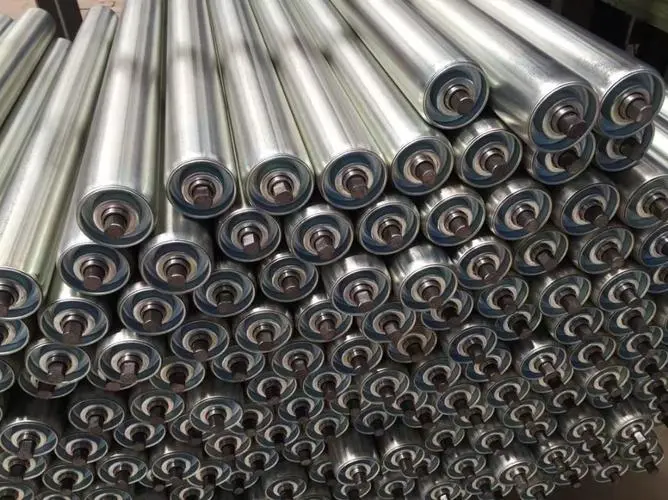
A chain-driven roller can match the frame width and still put its sprocket outside the transmission’s working plane. A buyer evaluating a sprocket conveyor rollers manufacturer should begin with chain alignment, retained shaft engagement and clearance to the side guards. GRAM lists sprocket rollers in its specialized steel roller range. Use that route to discuss a complete driven assembly for the actual conveyor, rather than selecting a roller by tube dimensions alone.
The relevant customers are integrators, maintenance teams and distributors supplying powered unit-load transfers. First identify the existing chain arrangement and the drawing reference that locates the sprocket. Then define the roller body, shaft ends and loading requirements. A photograph of the chain side is helpful, but it should accompany measurements, not replace them.
A sprocket conveyor rollers manufacturer needs the chain plane
The chain transmission occupies a defined plane relative to the conveyor frame. The sprocket on the replacement must meet that plane within the approved design. State the reference used to locate it: an identified shaft end, mounting surface or another equipment datum. Without that reference, an offset measurement can be interpreted in several ways.
Sprocket offset and tube length describe different interfaces
The tube supports the load; the sprocket engages the chain. Changing one dimension does not automatically preserve the other. Record the working tube length separately from the sprocket location and complete installation span. If the roller has different end components from the original, review how those changes affect the installed chain plane.
An integrator replacing rollers while retaining the conveyor side guards should also define the envelope available around the sprocket. A component may be correctly aligned with the chain yet contact a guard or bracket. Include the retained surroundings in the drawing so the supplier can identify the proposed assembly’s occupied space.
Chain identification must be confirmed rather than guessed from appearance
The actual chain interface belongs in the enquiry. Provide the equipment specification, chain identification or dimensions verified by the responsible designer. A similar-looking chain can have a different required mating geometry. Do not infer a chain standard or sprocket tooth count from a product photograph.
GRAM’s steel product description establishes that a sprocket roller route exists, but it does not declare every chain pitch, tooth count or arrangement available for every assembly. Ask for the offered configuration and verify it against the retained transmission. Keep third-party catalog examples as background rather than treating them as GRAM model specifications.
Sprocket conveyor roller selection should retain the shaft’s working engagement
GRAM’s main roller range describes shaft-end choices, including round, hex and spring-loaded arrangements. The offered end form must fit the existing frame and retain the intended assembly position. A nominal tube size cannot establish that fit.
A spring-loaded shaft does not define the chain-side location
If a spring feature is used to assist installation, check the working shaft engagement after the roller is seated. The spring movement should not be used as a substitute for a defined mounting reference. Confirm where the driven assembly sits in the retained frame before judging whether its sprocket aligns.
A distributor comparing two returned samples may find identical body lengths but different sprocket offsets or shaft projections. Keep those assemblies separate until the customer identifies their conveyor positions. Describing both as the same chain roller can conceal a meaningful transmission difference.
Distinguish sprocket rollers from the other GRAM conveying routes
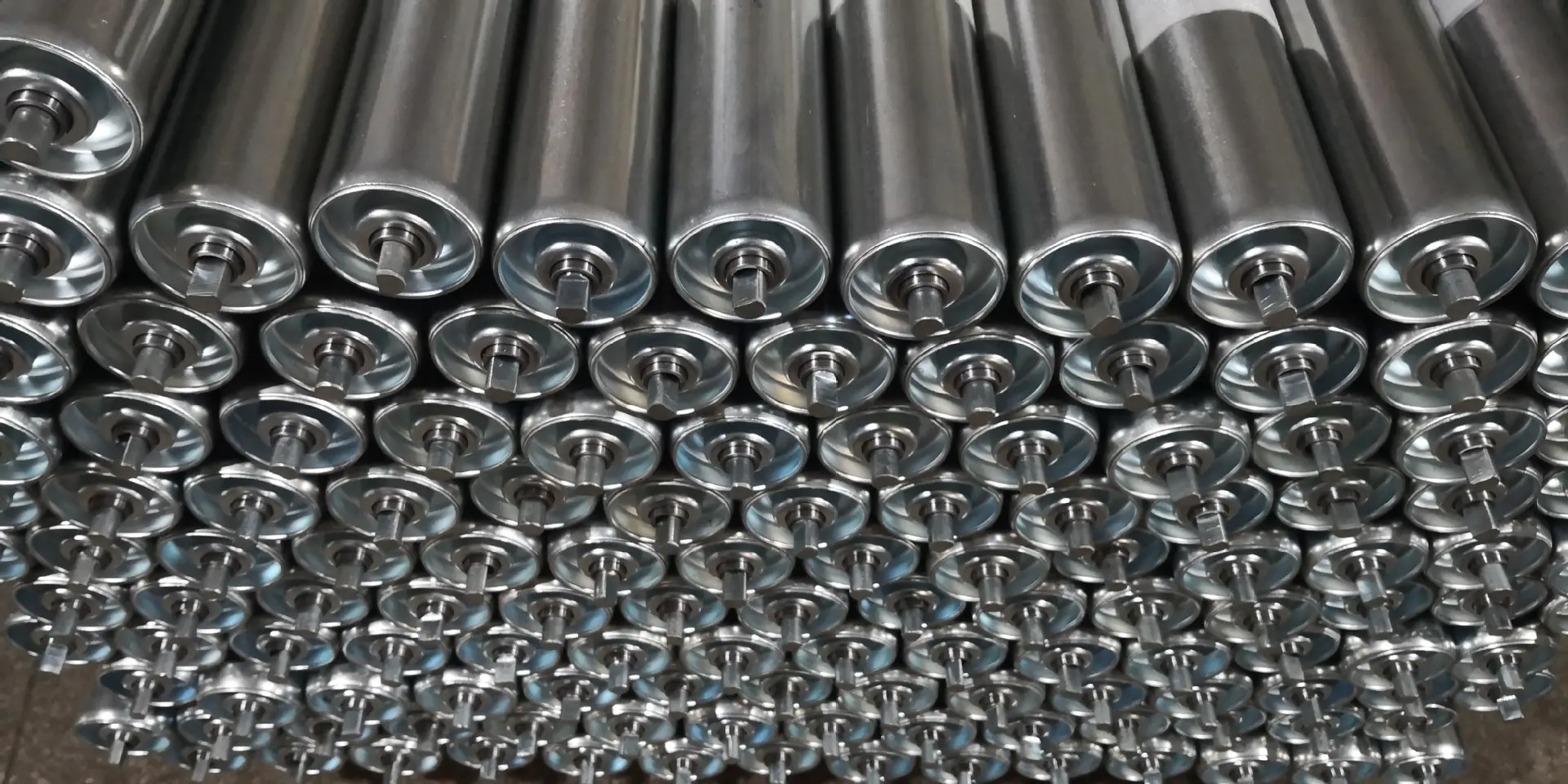
The heavy-duty roller conveyor range describes gravity and powered movement. A sprocket roller belongs to a chain-driven arrangement; a gravity roller depends on an entirely different means of moving the load. Avoid comparing them as interchangeable assemblies simply because their tubes have similar dimensions.
| Roller route | Interface to establish | Reason to keep the enquiry distinct |
|---|---|---|
| Sprocket-driven steel roller | Chain interface and sprocket plane | Transmission alignment governs the driven connection |
| Grooved steel roller | Drive-belt profile and groove location | A belt interface is not a chain interface |
| Tapered steel roller | Curve geometry and orientation | Running diameter changes across the working length |
| Free-running roller | Support and mounting arrangement | No chain drive should be assumed |
GRAM names grooved and tapered variants within the steel range. If a buyer proposes changing the transmission or conveyor geometry, the complete system needs review by its designer. Replacing a sprocket with another roller feature is not merely a surface option change. It can alter how the load is driven and how the equipment must be guarded.
Guide rollers have a separate local-guiding role with built-in bearings. They can be relevant elsewhere on the handling line, but they do not replace the sprocket roller’s driven load support. Name each component by its function in the project purchase list.
Review chain-side access before comparing manufacturing offers
A chain-driven assembly needs room for approved installation and maintenance. Show whether the roller can be removed without disturbing the surrounding transmission, and identify the access required by the equipment’s procedure. The supplier should know if a projecting component will be inaccessible after the guard is refitted.
For a powered transfer carrying crates or other substantial unit loads, the load and movement conditions must be declared as well. The chain interface does not establish the roller’s load capacity or the conveyor’s ability to stop the load. Request the offered assembly’s applicable mechanical information and have the system requirements checked by the responsible designer.
The Rolcon conveyor roller catalog shows different roller constructions and drive arrangements. It is a useful reference for understanding why transmission details belong in a roller specification. Its chain choices, dimensions and ratings remain manufacturer-specific and should not be copied into a GRAM order.
Acceptance should compare the delivered sprocket assembly with the approved drawing
An offer should also explain the boundary between the roller assembly and the customer’s retained transmission. If the customer supplies the chain, guard and drive arrangement, identify those items as retained interfaces. The roller quotation should still show how the proposed sprocket meets them. An undefined boundary can leave both parties assuming that the other has checked chain compatibility.
When the site has modified a powered transfer, supply the current drawing rather than an obsolete original. A moved side frame or altered bracket can change the assembly reference even if the nominal conveyor width is unchanged. The offered roller should be checked against the current installation, with any departure from the approved design reviewed by its responsible engineer.
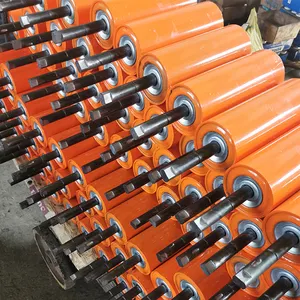
Check the identified chain interface, sprocket location and shaft ends against the approved assembly record. Inspect for visible damage and rotate the unit using the supplier’s instructions. Any dimensional tolerance or runout requirement should already be defined in the order, so inspection can refer to a measurable criterion.
Do not accept an undocumented sprocket substitution because the roller body fits. Confirm whether the change preserves the approved chain engagement and assembly envelope. If a transmission component has changed, obtain the responsible designer’s review before installation rather than relying on a workshop adjustment.
Keep chain alignment evidence with the sprocket roller specification
Uneven chain wear should trigger an alignment enquiry, not an automatic roller upgrade
If a buyer replaces a driven roller because the transmission wears unevenly, describe the wear location and the equipment condition at removal. The fault may involve the installed chain plane, the retained transmission or another system constraint. An apparently more substantial roller body cannot establish that those interfaces have been corrected.
Compare the position of the old assembly with the approved drawing before deciding what the new roller should copy. A workshop-adjusted spacer or altered shaft end may have moved the original sprocket away from the intended location. Copying that sample without checking the frame can reproduce the problem. Mark any difference between the sample and the equipment specification in the enquiry.
The handled load also deserves an explicit description. Starting a loaded transfer, accumulating crates and moving a steady stream are different operating conditions. The equipment designer needs to confirm the required roller and transmission duty for the actual process. Do not convert a sprocket size or an informal heavy-duty description into an unsupported complete-assembly capacity.
If the project changes the load or movement cycle, identify whether the retained chain transmission is still part of the approved design. The supplier can propose an assembly against that stated duty, but the conveyor’s system suitability requires its responsible designer. A replacement order should make the division of responsibility clear without claiming a drive redesign service that has not been agreed.
For a distributor, keep the chain interface, sprocket offset and shaft reference in the stocking description. Two steel rollers can look similar on a shelf while belonging to different powered lines. Labeling only their tube length invites a mistaken substitution during an urgent repair. The intended drive configuration is part of the product identity, not a detail to recover after shipment.
Agree packing that keeps projecting drive components from striking neighboring tubes, shafts or end assemblies. Identify the sprocket configuration and conveyor location on the packages. A mixed delivery with similar tube sizes should remain traceable to the actual approved driven assemblies.
The custom roller locating-dimension guide is relevant when the retained frame, sample and new drawing do not agree. For a chain-driven purchase, give the sprocket location the same attention as the tube diameter. The order is ready when the offered assembly fits the frame, meets the transmission and leaves the required guarded operating space.
Last Updated on October 3, 2026 by gramconveyor_admin


