
Show a Quarry Conveyor Rollers Supplier Where Fines Reach the Roller Ends
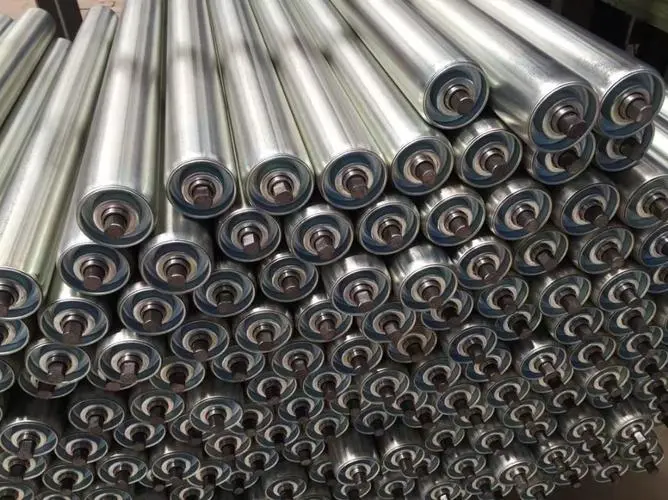
Fine material around a roller end is useful evidence for a quarry replacement inquiry, but it is not proof that a bearing has failed or that changing the body material will solve the problem. A quarry conveyor rollers supplier should see where the deposits form, which positions are affected and what cleaning exposure occurs there. Begin with GRAM steel rollers and the actual complete end construction, then compare alternatives for the identified quarry duty.
A quarry operator or contractor should preserve the distinction between dust on the outside, deposits on the working body and evidence of an internal problem. Each raises a different question. The supplier needs the actual observation and retained equipment information before offering an accepted replacement construction.
A quarry conveyor rollers supplier needs the deposit location
State whether fines collect on the roller body, near the end cap, around the shaft interface or on surrounding supports. A photograph should show enough of the retained position to locate the deposit. A close-up of dust alone can conceal which part of the assembly the buyer wants the supplier to evaluate.
For a quarry whose screening duty has changed, describe the current stream as well as the former one. Fine material presented to a roller near a screen discharge can differ from exposure elsewhere in the plant. Do not turn the shared quarry application into an assumption that all positions need the same end construction.
Working-surface deposits are not bearing inspection results
A visible deposit on the body describes belt-contact conditions and material accumulation. It does not identify the internal bearing state. If the buyer has separate inspection information, attach it with the roller reference; if not, describe the external observation without presenting a diagnosis.
The same caution applies to a stiff or noisy removed unit. Record how the condition was observed and which assembly was examined. The supplier should not be asked to infer a universal bearing failure mode from a short description that lacks the relevant component and operating context.
End exposure should include the actual cleaning contact
If quarry cleaning reaches the roller ends, describe that exposure as part of the duty. State what actually contacts the assembly rather than assume that any outdoor roller is suitable for every cleaning method. The proposed end and seal construction needs its own accepted basis for the relevant condition.
A contractor should distinguish cleaning of nearby structure from direct exposure of the roller ends. Otherwise the supplier may assess a different condition from the one present at the retained position. This article does not prescribe a washing method or claim that a seal arrangement has been tested for it.
Compare steel and polymer as complete quarry roller assemblies
GRAM’s steel route describes a cylindrical rotating body with bearings toward the ends and projecting shaft interfaces. Those end components matter when the buyer’s concern involves fines near the shaft or cap. The steel body alone does not define the complete assembly’s resistance to the observed environment.
Steel body identity should remain attached to the offered ends
Ask for the actual proposed body and end arrangement for the retained position. A replacement that reproduces the tube dimensions can still contain a different end construction. Conversely, a familiar external cap appearance does not establish identical internal components or a particular dust-exclusion performance.
For a quarry ordering several ordinary steel rollers, identify which positions carry the end-exposure requirement. A consolidated manufacturing or shipping order can still preserve those different duty references. Do not let a shared tube size erase the condition that triggered the supplier review.
Polymer bodies do not remove metal ends and bearings from the review
The GRAM polymer roller route describes a machined polymer tube or solid bar, sealed precision bearings, non-contact rubber seals and metal end caps. A polymer body is therefore one part of a more varied assembly. The end components remain relevant to the quarry exposure.

A buyer comparing a polymer offer with the previous steel roller should keep the changed body and proposed end construction visible. The accepted mounting relationship also remains necessary. Neither a body-material preference nor a retained shaft fit settles the complete environmental suitability question.
A primary roller field-evaluation example relates observations to identified equipment and conditions. That is a useful general evidence principle. Its measured values, operating history and seal conclusions do not describe GRAM rollers or the buyer’s quarry.
Ringed quarry rollers need the working body and ends described together
GRAM’s rubber-ring impact rollers use a different belt-contacting surface from a plain cylinder. If the affected position lies at material entry, preserve the ringed working construction in the offer while also identifying the ends being evaluated.
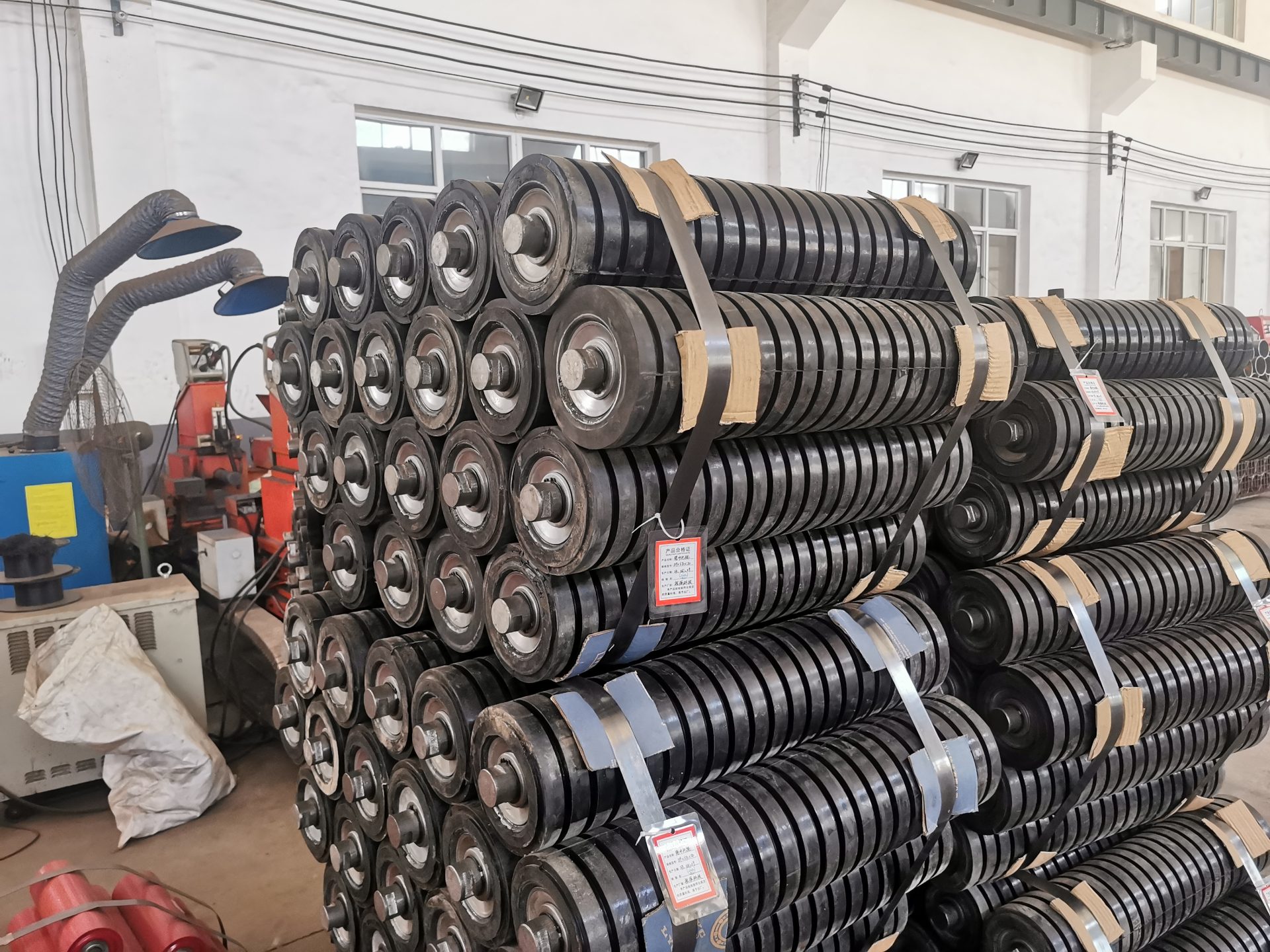
Do not treat rubber rings as evidence of a particular bearing-seal rating. The rings address a working-surface function; the complete end construction addresses another part of the proposal. A supplier should identify both where the customer’s retained duty requires them.
For a contractor comparing plain and impact positions near the same transfer, mark which roller construction belongs at each location. Similar deposits do not make their operating roles interchangeable. Keep the material-entry condition connected to the impact proposal rather than copying the ordinary carrying description.
Belt cleaning and tracking are separate from a roller-end substitution
If deposits originate from material carried beyond the discharge, the buyer should also identify the belt residue path. GRAM’s polyurethane cleaner route addresses belt contact through a blade and supporting assembly. It does not establish that fitting a cleaner will eliminate every deposit at roller ends.
The return roller carryback discussion helps describe that residue duty. Keep the cleaner and roller proposals separate, identifying which observed problem each is intended to address. A changed roller body should not be sold as a substitute for an unresolved material path.
Likewise, the GRAM self-aligning idler route concerns tracking-related support. If deposits coincide with belt movement, preserve both observations without assuming that an end seal change will correct the belt path. The actual retained arrangement needs its own assessment.
A quarry can investigate several interacting conditions while still keeping the supply order clear. Identify the selected roller construction, any separately accepted cleaner or tracking proposal and the equipment interfaces that remain. Avoid combining unrelated product descriptions into a promise of a complete cure.
Protect the accepted quarry roller ends through delivery identification
Consider a quarry that reports dry fines around several steel roller ends near one screening line, while rollers elsewhere mainly show deposits on the working bodies. Keep those observations attached to their separate locations. A photograph of the worst dusty end should not become the environmental description for the entire plant’s replacement order. The supplier can compare constructions for the identified positions without being asked to infer that every unit has the same internal condition.
A contractor may also find that one affected roller sits near a cleaning access point while a neighbouring unit is shielded by retained equipment. Show that distinction in the inquiry where it changes actual exposure. It does not prove that the shielded assembly needs no review; it gives the supplier a clearer description than a blanket statement that the conveyor is washed. Avoid assigning a washing-resistance rating that neither the actual proposed assembly nor its documentation establishes.
For ringed loading rollers, separate material lodged around the working rings from fines observed at the ends. The ringed surface may require its own maintenance assessment while the end construction remains a separate supplier question. Describe both locations and preserve the complete roller reference so one photograph is not used to support two different diagnoses.
The supplier’s proposed end construction should remain recognizable in the accepted item reference and delivery information. Where several similar roller bodies have different agreed ends, the receiving team should be able to distinguish them. Agree that requirement for the actual order instead of assuming an unpublished standard label system.
Ask how the selected roller bodies, end caps and shaft interfaces will be protected in the proposed package. The discussion should concern these supplied assemblies, not a generic export packing statement. Identify any transport or receiving constraints the quarry has, and let the supplier define the actual arrangement.
On receipt, preserve any observed external damage separately from the original operating concern about fines. A damaged delivered end and a dusty retained unit are different records. Neither should be used to invent an internal diagnosis or an unsupported claim about the new assembly’s expected life.
Give the supplier a clear picture of where fines reach the retained roller, accept a complete construction for that position, and keep the unrelated cleaning or tracking questions visible. That makes the replacement decision specific enough to review without assigning every quarry problem to the body material.
Last Updated on October 3, 2026 by gramconveyor_admin


