
Tell an Aggregate Conveyor Idlers Supplier When the Screen Product Changes
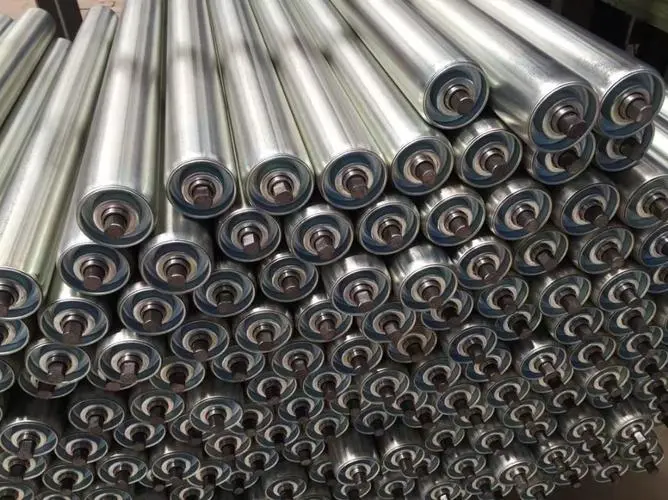
A screen adjustment can change the idler duty downstream without moving a single conveyor bracket. A plant choosing an aggregate conveyor idlers supplier should tell the supplier when the handled product changes from coarse stone to smaller or wetter material. GRAM’s conveyor roller range and its steel, polymer, impact and suspended arrangements provide routes to review. Start with the material leaving the screen, the loaded belt shape and the installed support geometry.
This is useful for screening operators, quarry maintenance buyers and distributors supplying several aggregate lines. First establish whether the purchase replaces normal carrying support, loading-zone support or a suspended group. Then describe the changed particle distribution, moisture and feed pattern. An old roller sample can preserve mounting dimensions while saying little about the new duty.
An aggregate conveyor idlers supplier needs the current screen output
The product name should identify what the conveyor now carries. Coarse aggregate, washed fines and a changing mixture can present different contact and contamination conditions. Provide the current operating description rather than the screen setting alone. The supplier needs to understand the material that reaches the belt and where it is deposited.
Coarse aggregate and wet fines should not share an unexplained duty description
A screening plant may change its product grading while retaining the conveyor frames and rollers. If the resulting material contains more fines or moisture, the ends may see a different deposit pattern. Record that change alongside the existing mounting dimensions. The replacement discussion should address the present exposure, not merely reproduce the original purchase label.
A distributor stocking for both dry stone and washed material should keep those duty descriptions separate. The same nominal roller size can appear in both locations, but the assembly selected for each must be confirmed. Stocking convenience is useful only after the operating requirements are understood.
Screen discharge position affects the loading-zone support
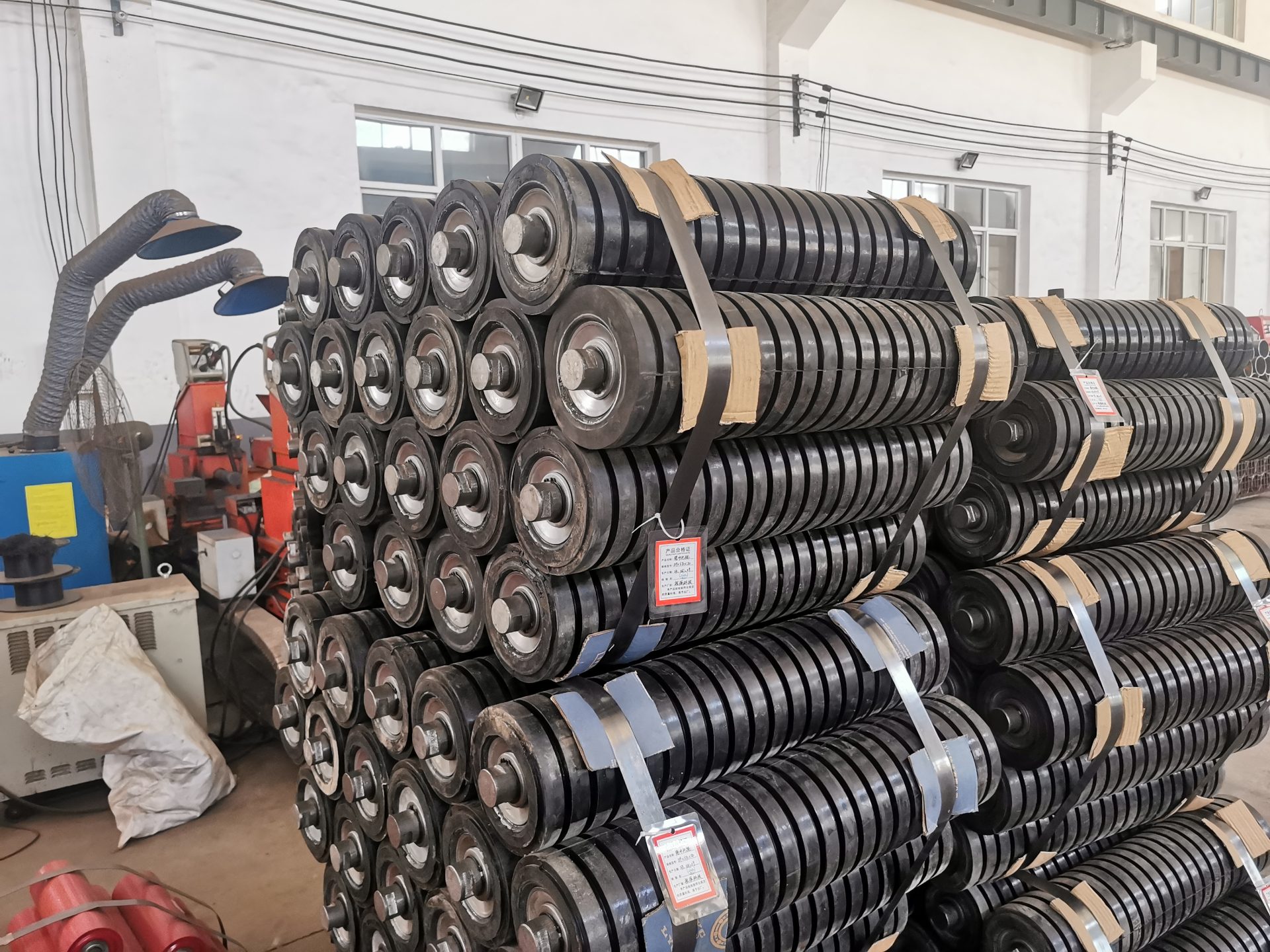
The material stream may move when the screen arrangement or discharge chute changes. Identify where it lands relative to the belt center and support station. GRAM’s rubber-ring impact rollers are a different construction from ordinary carrying rollers. Their purpose should be assessed at the actual material entry.
If the stream now reaches an edge or a different station, have the loading arrangement reviewed. A correctly sized replacement roller cannot establish that the retained station sits beneath the changed landing point. Record the chute and support geometry together rather than trying to solve the problem by requesting a more substantial roller body.
Aggregate conveyor idler selection should preserve the belt support shape
The idler assembly supports the belt in an intended cross-sectional shape. That shape and the conveyor’s frame references belong in the enquiry. Do not assume an individual roller’s tube dimensions establish the station geometry. If the purchase includes brackets or a complete set, identify those parts of the assembly explicitly.
Carrying rollers need a position within the support station
Use the carrying-roller position guide to separate the role of an individual roller from the whole support arrangement. State which station and position the replacement serves, and retain its shaft-end and mounting references. A roller described only by diameter and length can leave that relationship unclear.
When the handled aggregate changes, review the loaded belt condition through the equipment’s approved engineering process. The offered roller assembly must suit the defined load and support geometry. A supplier’s general carrying-roller description is not a calculation of the conveyor’s capacity under the new screen product.
Suspended garland groups need their links and connections defined
GRAM’s carrying garland range describes linked suspended rollers and includes aggregate applications such as sand, gravel and crushed stone. The group is a complete arrangement, so specify its suspension interfaces and geometry as well as the individual rollers.
If only one component is being replaced, assess compatibility with the retained group. If the whole group is being renewed, identify what the supplier includes in the assembled set. The purchasing scope should not depend on an installer discovering which links or mounting components were omitted after delivery.
Compare steel and polymer idlers against the aggregate exposure
GRAM’s steel rollers provide a metal body route with end bearings and shaft interfaces. Its polymer rollers provide a separate route described with tubes or solid-bar bodies, sealed precision bearings, non-contact rubber seals and metal end caps. Compare complete assemblies rather than isolated shell materials.
Wet fines can make the end construction particularly important. Tell the supplier where deposits reach the roller and whether cleaning adds another exposure. A polymer body’s general corrosion resistance does not establish the protection of every bearing or shaft. Ask what construction is offered for that actual position.

For a dry coarse-product line, a different problem may dominate: the mechanical support duty or damage at entry. Do not assume a moisture-focused replacement addresses those requirements. State why a material change is being considered and compare the offered assemblies against that reason.
Rulmeca’s bulk component information separates steel, polymer, impact, return and suspended products by function. That external distinction helps organize an aggregate enquiry. Its specific models, loads and approvals remain its own; they are not ratings for the GRAM assemblies.
Use the aggregate line’s operating evidence before repeating an old idler order
Record when the screen product changed and which roller positions began to show different deposits or rotation. The observation should identify an actual condition rather than claim an unverified failure mechanism. Close inspection must follow the plant’s isolation procedure; do not approach moving rollers to collect measurements.
Compare similar positions under similar material conditions where possible. A new idler on a clean dry line is not a useful comparison with a worn unit beneath wet fines. Keep the exposure and load differences visible so that the purchase decision does not assign every change to the roller body material.
Short production runs and changing moisture should be included in the enquiry
A plant producing several grades during a day should describe the range of material conditions the same conveyor sees. The roller may not operate under a single steady product description. Explain which combinations of coarse material, fines and moisture are credible, and ask for the offered assembly to be assessed against that defined range.
If cleaning is performed between products, provide the method and any exposure at the roller ends. That can be relevant even when the conveyed aggregate is normally dry. Retain the cleaning condition in the replacement record so a later repeat order does not omit it.
Keep aggregate duty changes with the replacement station drawing
Before a changed screen product becomes the new normal, agree what information needs to remain in the idler specification. The product description, moisture condition and loading location should be current. The mounting dimensions may be unchanged, but that does not make the old duty description accurate. Keep both parts of the record so an urgent purchase does not revert to an obsolete operating assumption.
A buyer comparing assembly offers should also identify which components belong to the supplied unit. An individual carrying roller, a roller-and-bracket combination and a suspended garland group have different boundaries. If the quotation omits that boundary, ask for the drawing and item description to be clarified. The installer should not discover the intended scope while trying to assemble parts from several deliveries.
The aggregate spare register should preserve the approved material and end arrangement
A distributor may receive an offer for a polymer body after previously stocking steel rollers of the same nominal dimensions. Identify that material change in the inventory description, together with the offered bearing-end construction. Matching mounting dimensions can be useful, but they do not establish equal duty. Keep the customer’s approved operating condition with the assembly that was evaluated for it.
Similarly, do not combine dry carrying rollers and replacements selected for wet fines simply because their tubes look alike. The proposed end arrangement may be a significant part of the selection. If the supplier offers a substitute, obtain its construction description and assess it against the same exposure before accepting it for the stored part number.
For an installation trial, select a station with a defined material and loading condition. Record what the comparison is intended to show, and retain the approved isolation and maintenance procedure. A short successful trial under one screen grade should not become a blanket performance claim for every aggregate mixture handled at the plant.
At delivery, compare the complete assemblies with the approved station records. Confirm mounting span, shaft ends and supplied set components, and inspect rotation and visible damage. If end protection was part of the selection, verify the declared arrangement on the delivered units rather than accepting an undocumented alternative.
Agree packing and identification that distinguishes impact assemblies, ordinary carrying rollers and suspended groups. Protect shaft ends and connecting components from contact damage. A distributor serving several aggregate customers should retain both the mounting specification and duty description on the inventory record.
When the screen product changes, update the idler enquiry before placing the repeat order. Keep the frame dimensions that remain valid, replace the obsolete material description and confirm the role of each support assembly. That gives the supplier a clear basis for a replacement that belongs to the current aggregate line.
Last Updated on October 3, 2026 by gramconveyor_admin


