conveyor belt made of

Conveyor belts are integral components of the global industrial landscape, facilitating the seamless transport of goods across various sectors including manufacturing, mining, agriculture, and logistics. The material a conveyor belt made of plays a pivotal role in its operational efficiency and suitability for specific applications. Understanding the diverse materials that a conveyor belt can be made of is essential for selecting the right belt that meets the unique demands of different industrial processes. From the durability of rubber to the hygienic properties of polyurethane and the strength of steel, each material offers distinct advantages. This introduction delves into the significance of conveyor belts in enhancing productivity and the critical importance of choosing the appropriate material—a decision that directly impacts the conveyor system’s functionality, efficiency, and overall performance in a myriad of industrial operations.

Read more
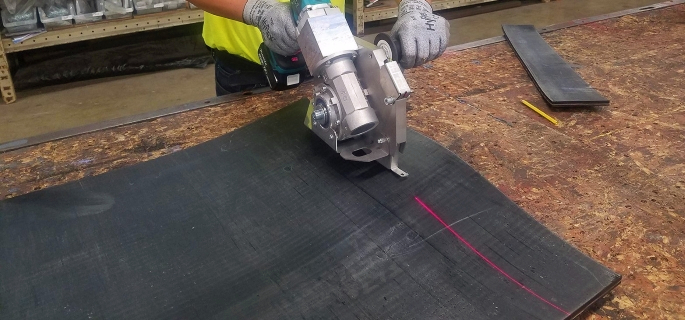
Electric Conveyor Belt Cutter – Power Belt Cutters

Conveyor belts are indispensable in various industries, serving as the backbone for material handling in mining, manufacturing, logistics, and more. These belts facilitate the efficient movement of goods and raw materials, significantly enhancing productivity and operational efficiency. However, the continuous operation and varying loads can lead to wear and tear, necessitating regular maintenance and, at times, the precise cutting of belts for repairs or adjustments. This is where electric conveyor belt cutter comes into play, revolutionizing the way maintenance teams approach belt repairs. Unlike manual cutting tools, which can be laborious and less accurate, electric conveyor belt cutters offer a swift, clean, and precise cutting solution. They significantly reduce the effort and time required to cut through tough conveyor belt materials, ensuring that the belts are quickly returned to service with minimal downtime. The introduction of electric conveyor belt cutters has thus become a game-changer in maintaining the efficiency and longevity of conveyor systems across industries.

Read more
rubber disc return rollers

Rubber disc return rollers are pivotal components in the realm of conveyor systems, designed to enhance operational efficiency and extend the lifespan of the conveyor belt. These specialized rollers are equipped with rubber discs along their surface, which play a crucial role in minimizing the accumulation of materials that can lead to belt misalignment and excessive wear. The strategic placement of these rubber discs ensures a cleaner return belt, thereby significantly reducing the likelihood of material buildup that often contributes to operational disruptions. By incorporating rubber disc return rollers into conveyor systems, industries can achieve a more reliable and maintenance-friendly operation, ensuring that the conveyor belts run smoothly for longer periods without the need for frequent interventions. This not only optimizes the performance of the conveyor system but also contributes to the longevity and durability of the belt, making rubber disc return rollers an indispensable asset in material handling applications.

Read more
cut conveyor belt

Conveyor belts are indispensable components across various industries, serving as the backbone for material handling in manufacturing, mining, agriculture, and logistics. These belts facilitate the efficient transport of goods and materials, significantly enhancing productivity and operational flow. However, the dynamic nature of industrial demands often necessitates the modification of these belts to suit specific operational needs or to maintain optimal functionality. This is where the skill to cut conveyor belt comes into play, a critical maintenance task that ensures conveyor systems remain efficient, reliable, and tailored to the unique requirements of each application. Whether it’s adjusting the length for a better fit, removing worn sections to prevent operational failures, or customizing the belt for a specific task, the ability to precisely cut conveyor belts is essential for maintaining the high efficiency and customization that modern industries demand. This process not only extends the life of the conveyor system but also significantly contributes to the smooth operation of the industry’s material handling capabilities.

Read more
conveyor belt corner

The world of material handling and logistics is intricately designed to enhance efficiency and productivity. At the heart of this intricate design lies the conveyor belt, a fundamental tool that has revolutionized the way industries move materials and products. From the sprawling assembly lines of automotive factories to the bustling corridors of airport baggage handling systems, conveyor belts play a pivotal role. However, not all conveyor paths are straight; this is where the concept of the conveyor belt corner becomes crucial.

Conveyor belt corners allow for the seamless change of direction of a conveyor belt path, enabling facilities to optimize space and improve operational flow. In essence, the implementation of a conveyor belt corner can dramatically transform the layout of a production floor, warehouse, or any area where conveyor belts are utilized. The importance of these corners cannot be overstated. They not only facilitate a smooth transition and flow of goods but also contribute significantly to the overall efficiency of the conveyor system. Without these ingeniously designed corners, the flexibility and functionality of conveyor systems would be significantly hindered, showcasing their indispensable role in the world of material handling.

Read more
cut edge conveyor belt

Conveyor belts are indispensable components in the industrial world, seamlessly facilitating the transportation of materials across various sectors such as mining, manufacturing, and logistics. These belts are designed to withstand heavy loads, abrasive materials, and long operational hours, making them a critical element in the efficiency and productivity of industrial operations. Among the various features that differentiate conveyor belts, the type of edge finish—specifically, cut edge and moulded edge—plays a significant role in their performance and application. Cut edge conveyor belt is characterized by its raw, unsealed edges where the fabric layers are visible, offering a cost-effective solution with flexibility in width customization. In contrast, moulded edge conveyor belts feature sealed edges that protect the belt’s carcass, enhancing durability and resistance to wear. Understanding the distinctions between these two types of conveyor belt edges is crucial for selecting the right belt for specific industrial applications, ensuring optimal performance and longevity.

Read more
how to replace a conveyor belt

Conveyor belts are the lifelines of countless industries, from manufacturing and mining to agriculture and retail, facilitating the seamless movement of goods and materials. These belts endure constant stress, heavy loads, and exposure to various environmental conditions, making wear and tear an inevitable reality over time. Recognizing the critical role they play, it becomes essential to address the maintenance needs of these belts proactively. This blog post is dedicated to guiding you through the process of how to replace a conveyor belt, ensuring your operations continue to run smoothly and efficiently. We’ll delve into practical tips and insights, not only on the replacement process but also on how to locate reliable local services and access valuable maintenance resources, ensuring your conveyor system remains in top condition for years to come.

Read more
how are conveyor belts made

Conveyor belts are integral components in a myriad of industries, streamlining operations in manufacturing, mining, agriculture, and logistics, to name a few. These belts facilitate the efficient transport of goods and materials over short and long distances, playing a pivotal role in production lines and material handling systems. The question of how are conveyor belts made unveils the intricate processes and diverse materials involved in their creation. From the initial selection of raw materials to the final stages of vulcanization and inspection, the manufacturing of conveyor belts is a complex procedure that requires precision and expertise. This complexity is further amplified by the variety of materials used, including rubber, fabric, and steel, each chosen for its specific properties to meet the unique demands of different applications. Understanding the manufacturing process sheds light on the durability and reliability of conveyor belts in various industrial settings.

Read more
who made the conveyor belt

In the tapestry of modern industry, the conveyor belt stands out as a pivotal innovation, weaving efficiency and productivity into the fabric of manufacturing, warehousing, and distribution. This seemingly simple mechanism, an endless loop of material driven by pulleys, is the backbone of assembly lines worldwide, propelling goods from point A to B with seamless precision. But amidst the hum of machinery and the dance of automated systems, one might pause and ponder, Who made the conveyor belt? This question beckons us to delve into the annals of industrial history, where the origins of the conveyor belt are as layered and intricate as the systems they now support. As we embark on this exploration, we unravel the concept and basic functionality of conveyor belts, marveling at their evolution from rudimentary designs to the complex, computer-integrated marvels that define the heartbeat of today’s industrial operations.

Read more
return roller conveyor

Return roller conveyors are an integral component of material handling systems, designed to facilitate the smooth and efficient transport of goods across various industrial settings. These conveyors utilize return rollers to support the underside of the conveyor belt as it cycles back after depositing materials at the end of the line. The primary function of these rollers is to ensure the belt maintains its structure and tension, preventing sagging and potential disruptions in the conveyor’s operation. By providing a stable and consistent support structure, conveyor return rollers enhance the longevity and reliability of the conveyor system, making them a vital element in the seamless execution of production and distribution processes within facilities.

Read more