Belt conveyors play a pivotal role in the operational efficiency of various industries across Australia. Known for their reliability and versatility, belt conveyor systems are integral to the mining, agriculture, and manufacturing sectors, among others. The adaptability of belt conveyor Australia systems allows for the transportation of a wide range of materials, including ores, grains, and manufactured goods, across different environmental conditions—from the scorching heat of the Outback to the humid conditions along the coast. This versatility ensures that regardless of the material or the environmental challenges, there’s a belt conveyor solution tailored to meet the specific needs of Australian businesses. Their ability to handle both bulk and individual items efficiently makes them an indispensable part of the country’s industrial infrastructure.
Read moreIn the realm of industrial engineering, the use of roller steel is pivotal, serving as the backbone for numerous manufacturing and processing operations. Rollers, particularly those crafted from steel, are indispensable due to their durability, strength, and ability to withstand high-pressure environments. These components play a crucial role in facilitating the smooth and efficient movement of materials across various stages of production. From conveyor systems in assembly lines to heavy-duty applications in metalworking and material handling, the integration of roller steel industrial engineering solutions ensures operational efficiency and productivity. The importance of steel rollers extends beyond mere functionality; they are also vital in maintaining the quality and integrity of products during manufacturing, making them an essential element in the industrial sector.
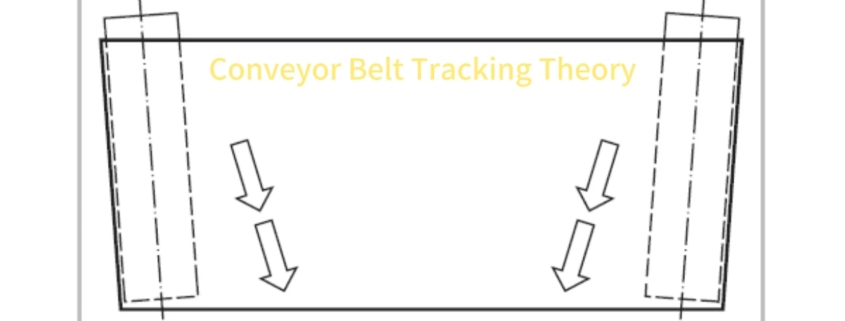
Read moreIn the realm of industrial operations, the efficiency and longevity of conveyor belt systems hinge significantly on the precision of conveyor belt tracking. This critical aspect ensures that belts run smoothly and consistently along their intended paths, minimizing wear and tear and preventing potential downtimes. However, the journey to achieving flawless alignment is often marred by common issues such as misalignment and tracking problems, which can lead to belt damage, product mishandling, and reduced operational efficiency. Understanding and applying the principles of conveyor belt tracking theory is paramount in addressing these challenges. It provides a structured approach to diagnosing and rectifying tracking issues, ensuring that conveyor belts meet the rigorous demands of industrial applications while maintaining optimal performance and safety standards.
Read moreBelt conveyors are a pivotal part of modern industrial operations, offering a highly efficient method to move materials across distances, both short and long. These systems are integral to a multitude of sectors, including manufacturing, mining, agriculture, and logistics, underscoring their versatility and importance. The fundamental belt conveyor function revolves around a continuous loop mechanism, where a long belt made from durable materials is driven by pulleys powered by motors. This setup allows for the seamless transportation of goods and materials from one point to another, significantly enhancing productivity and operational efficiency. By automating the movement process, belt conveyors reduce the need for manual labor, minimize handling times, and increase the overall throughput of materials, making them an indispensable tool in the modern industrial landscape.
Read moreConveyor belt systems are integral to a myriad of industries, facilitating the efficient transport of goods across various stages of production and distribution. The effectiveness of these systems hinges significantly on the precision of belt tracking—the ability of the conveyor belt to maintain its intended path. Misalignment can lead to numerous problems, including premature wear, product damage, and increased downtime for adjustments and repairs. Enter the innovative solution to these pervasive challenges: self-tracking conveyor belts. These advanced systems are designed to automatically maintain proper alignment, significantly reducing the need for manual adjustments and the risk of tracking-related issues. By integrating a self-tracking conveyor belt into their operations, businesses can enhance efficiency, minimize maintenance costs, and improve overall productivity, addressing a critical need in conveyor belt technology with a smart, self-regulating solution.
Read moreIn the intricate world of conveyor systems, the alignment and proper tracking of conveyor belts stand as pivotal elements for operational efficiency and longevity. Despite the advanced engineering behind these systems, conveyor belt tracking issues are often misattributed to the belts themselves, overlooking the critical influence of installation procedures and maintenance practices. This misjudgment underscores a widespread misconception, diverting attention from effective conveyor belt tracking methods that are essential for preventing misalignment and reducing wear and tear. Understanding these methods is vital for anyone involved in the design, operation, or maintenance of conveyor systems. By addressing the root causes of tracking problems, such as improper installation or inadequate tensioning, we can significantly improve conveyor belt performance and durability, ensuring a seamless flow of operations in various industrial applications.
Read moreConveyor belts play a pivotal role in a multitude of industries, serving as the backbone for material handling in mining, manufacturing, logistics, and more. These belts are tasked with moving goods and materials over long distances, under varying conditions, which subjects them to significant wear and tear. The key to maximizing their lifespan and ensuring uninterrupted efficiency lies in their resistance to abrasion. An abrasion resistant conveyor belt is specifically designed to withstand the harsh conditions it encounters, including the continuous friction and impact from loading and transporting abrasive materials. This specialized feature not only extends the operational life of the conveyor belt but also significantly enhances the productivity and cost-effectiveness of the industries relying on these essential components. By investing in high-quality, abrasion-resistant belts, businesses can achieve a remarkable improvement in their operational efficiency and reduce the need for frequent replacements, leading to a more sustainable and profitable operation.
Read moreConveyor belt systems are the lifeline of a wide range of industries, from manufacturing and mining to airports and supermarkets. These systems facilitate the efficient transport of goods and materials over short to long distances within a facility. However, the smooth operation of a conveyor belt system hinges on proper alignment and tracking. Conveyor belt tracking issues can lead to significant operational disruptions, affecting the throughput and efficiency of the entire operation. Understanding and addressing these tracking issues is crucial for maintaining the operational efficiency of conveyor systems. Ensuring that the conveyor belt runs straight and true is a fundamental aspect of conveyor system maintenance, directly impacting productivity, safety, and the bottom line of businesses relying on these systems.
Read moreConveyor belt systems are integral to the operations of a wide range of industries, from manufacturing to logistics, facilitating the efficient transport of goods across various stages of production and distribution. The seamless operation of these systems hinges on the proper tracking of the conveyor belt, ensuring it runs smoothly along its intended path without deviation. Conveyor belt mistracking occurs when the belt drifts away from its aligned course, leading to potential disruptions in operations, increased wear and tear on the conveyor system, and even the risk of halting production. Understanding and addressing the causes of conveyor belt mistracking is crucial for maintaining operational efficiency, minimizing downtime, and extending the lifespan of the conveyor system.
Read moreIn the realm of material handling and logistics, gravity feed conveyor rollers stand out as a cornerstone technology, facilitating the smooth and efficient movement of goods across numerous industries. These systems leverage the force of gravity, allowing items to glide effortlessly along the conveyor path with minimal human intervention or mechanical power. Unlike powered conveyors that require electrical energy to move items, gravity feed conveyor rollers offer a cost-effective and environmentally friendly alternative. Their simplicity in design not only reduces operational costs but also minimizes maintenance needs, making them a preferred choice for businesses looking to optimize their operations. The inherent efficiency and reliability of gravity feed conveyor rollers make them an indispensable tool in the modern logistics and warehousing landscape, underscoring their critical role in streamlining processes and enhancing productivity.
Read moreContact us
No. 11, Bocheng Street, Boye County, Baoding City, Hebei Province, China
+86 18051808778