
gravel conveyor belt

Conveyor belts play a crucial role in the efficient handling of bulk materials, with gravel conveyor belt standing out as key components in construction and landscaping projects.Gravel conveyor belt transport sand, gravel, rock, ore, Ideal for demanding applications, ensure reliability and efficiency. These belts are designed to transport gravel, a fundamental material used widely in building roads, creating foundations, and enhancing landscapes. The aim of this post is to delve into the specifics of heavy-duty gravel conveyor belts, examining their prices, manufacturers, and the critical design considerations that influence their performance and durability. By focusing on gravel conveyor belts, we aim to provide valuable insights into how these specialized conveyor systems can optimize the handling of gravel, ensuring it is moved efficiently and effectively to meet the high demands of construction and landscaping projects.

Read more
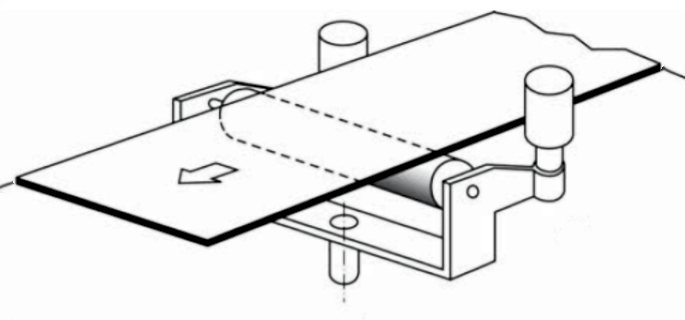
belt trackers conveyor

Belt trackers conveyor play an indispensable role in the operational efficiency and longevity of conveyor systems. These essential components are specifically designed to prevent the common problem of belt misalignment, which can lead to significant operational disruptions and unnecessary wear and tear on the conveyor belt and system components. Conveyor belt tracking theory is fundamental to the smooth operation of a conveyor system, ensuring that the belt remains aligned along its intended path. Without effective belt trackers, conveyor systems are susceptible to a host of issues, including material spillage, increased maintenance costs, and the potential for premature failure of both the belt and conveyor components. By implementing reliable belt trackers, conveyor operators can significantly enhance the performance and reliability of their systems, ensuring that they operate at peak efficiency while minimizing downtime and maintenance requirements.

Read more
track conveyor belt

Proper conveyor belt tracking is crucial for maintaining efficient, safe, and cost-effective operations in any conveyor system. The ability to track conveyor belt alignment accurately ensures that the belt runs smoothly and consistently along its intended path, minimizing the risk of belt slippage, material spillage, and excessive wear on both the belt and conveyor components. Common issues associated with conveyor belt mistracking include misalignment, which can lead to operational disruptions, increased maintenance costs, and potential safety hazards. Addressing these challenges promptly can prevent downtime and extend the lifespan of the conveyor system, making effective belt tracking an essential aspect of conveyor management.

Read more
hs2 conveyor belt

The High Speed Two (HS2) project stands as a monumental advancement in the UK’s transportation infrastructure, aiming to connect London with the Midlands and the North. At the heart of this ambitious project lies the innovative HS2 conveyor belt system, a pioneering solution designed to address the environmental and logistical challenges associated with large-scale construction projects. This hs2 conveyor belt system is specifically engineered to transport millions of tonnes of excavated spoil efficiently, thereby significantly reducing the need for traditional lorry movements. By doing so, HS2 not only mitigates traffic congestion and emissions but also underscores its commitment to sustainability and minimal environmental impact. The introduction of this conveyor belt system marks a significant leap forward in construction methodology, showcasing HS2’s dedication to integrating eco-friendly practices with cutting-edge technology.

Read more
48 belt conveyor

Selecting the appropriate size for a conveyor belt is pivotal in industrial operations, where efficiency and productivity are at the forefront of operational success. The 48 belt conveyor stands out as a versatile and standard choice, catering to a wide array of material handling needs. Its width is ideally suited for the bulk movement of materials, offering a balance between speed and capacity that is crucial for maintaining a seamless flow of operations. This introduction to the 48-inch wide conveyor belt highlights its significance in optimizing material handling processes, underscoring its role as a fundamental component in the infrastructure of modern industrial systems. The adaptability and standardization of the 48 belt conveyor make it an indispensable tool in achieving operational efficiency and effectiveness in various sectors.

Read more
Bulk conveyor belt

Bulk conveyor belt is essential components in the material handling sector, designed to transport large volumes of bulk materials such as sand, gravel, coal, and minerals over both short and long distances. These belts play a crucial role in industries ranging from mining and construction to agriculture and manufacturing, enabling efficient and continuous movement of raw materials and finished products. The term “bulk” in this context refers to materials that are handled in large quantities at a time, often in loose form. The ability of bulk conveyor belts to move substantial amounts of material efficiently not only optimizes production processes but also significantly reduces labor costs and increases safety by minimizing manual handling of potentially hazardous materials.

Read more
conveyor belt tph calculation

Understanding the accurate conveyor belt TPH calculation is crucial for the design, operation, and optimization of conveyor systems across multiple industries. TPH is a key metric that measures the amount of material a conveyor can transport over a given period. This calculation is vital for ensuring operational efficiency, determining the conveyor belt’s capacity, and facilitating the effective management of material flow. Accurate TPH calculations help in selecting the right conveyor belt, optimizing system performance, and avoiding bottlenecks in material handling processes.

Read more
conveyor belt thickness calculation

The conveyor belt thickness calculation plays a critical role in the design, maintenance, and operation of conveyor systems. Accurate determination of belt thickness is essential for assessing wear and predicting the lifespan of the conveyor belt, which directly impacts the system’s efficiency and durability. This calculation helps in selecting the appropriate belt for specific applications, ensuring that the belt can withstand the operational loads and conditions without premature failure. Calculating the thickness of a conveyor belt requires considering several factors, including the load it carries (F), conveyor belt speed (V), belt length (L), belt width (W), etc. Understanding the importance of conveyor belt thickness calculation is fundamental for engineers and maintenance teams to ensure the longevity and optimal performance of conveyor systems. By prioritizing accurate thickness measurements, organizations can significantly enhance the reliability and efficiency of their conveyor operations, leading to improved productivity and reduced downtime.

Read more
conveyor belt load calculation

The accuracy of conveyor belt load calculation is pivotal in the design and operation of conveyor systems, ensuring they are both efficient and safe. This process determines the maximum capacity a conveyor belt can handle, which is crucial for preventing overloading and potential system failures. Various tools and resources are available to assist with these calculations, including specialized Excel sheets, online calculators, and comprehensive handbooks. These instruments provide a solid foundation for engineers and designers to create conveyor systems that are not only reliable but also optimized for specific operational requirements. Incorporating precise conveyor belt load calculation into the planning phase contributes significantly to the overall success and longevity of conveyor system projects.

Read more
conveyor belt life calculation

Understanding the conveyor belt life calculation is crucial for optimizing the efficiency and extending the longevity of conveyor systems. This process involves evaluating various factors that influence the lifespan of a conveyor belt, including the type of material being transported, the design of the conveyor system, the operational environment, and the maintenance practices in place. Accurately calculating conveyor belt life allows for better planning and decision-making, ensuring that the conveyor system operates smoothly while minimizing downtime and maintenance costs. It’s a complex process that requires a deep understanding of the mechanical and environmental stresses placed on the conveyor belt during its operational lifecycle.

Read more