types of conveyor rollers

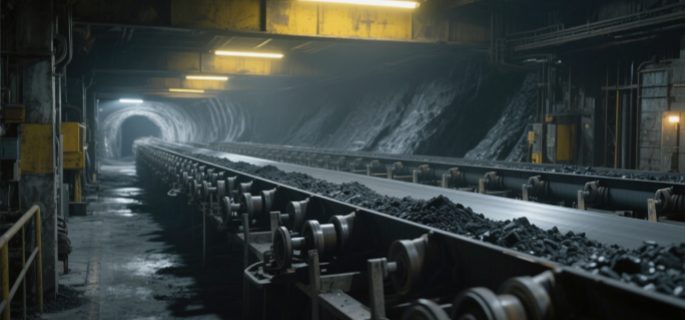
The relentless rumble of conveyor systems is the industrial heartbeat of any mine. When this familiar sound shifts into abnormal noises – grinding, screeching, whining, or rhythmic knocking – it signals distress within the rollers, the critical components supporting and guiding the endless belt. Ignoring these acoustic warnings is a costly gamble, leading to catastrophic roller failure, belt damage, unplanned downtime, and significant safety hazards. Improve conveyor reliability with proactive maintenance, correct bearing selection, precise alignment, and advanced condition monitoring. Effective diagnosis requires a systematic approach, starting from the very heart of the roller – the bearing – and extending to the often-overlooked geometry of roller installation.

The Crux: Bearing Selection and Failure Modes (The Source of the Sound)

The bearing is the primary source of noise in a roller. Choosing the right type and understanding its failure modes are key to effective diagnosis. This includes considering construction, sealing, lubrication, internal clearance, and material—each playing a critical role in bearing performance, particularly in the harsh and demanding conditions found in Heavy Duty Roller Conveyor systems used in mining operations.

Bearing Selection Imperatives for Harsh Mining Environments

Robust Construction

Deep groove ball bearings are common, but spherical roller bearings often perform better under high radial loads and misalignment. They are more durable in dirty and high-vibration conditions. Specialized mining-grade bearings offer enhanced reliability and longer service life, especially where extreme operating environments are involved.

Sealing is Paramount

Effective sealing prevents contamination from entering the bearing. Labyrinth seals are standard, while double-lip contact seals offer better protection but increase friction and temperature. The choice depends on dust, moisture, and slurry levels. Seal failure is a leading cause of early bearing damage, especially when operating in abrasive mining environments.

Grease Quality & Quantity

High-viscosity, extreme pressure grease designed for mining should be used. It often includes solid lubricants like molybdenum disulfide. Too little grease causes wear, while too much leads to overheating. Regular relubrication with the correct amount and type of grease is critical to bearing longevity and smooth, quiet operation.

Internal Clearance

Bearings often require more internal clearance than standard types (C3 or C4 grades). This helps compensate for shaft deflection, thermal expansion, and shock loads. Inadequate clearance can cause preload, increasing friction, noise, and operating temperatures. Proper clearance improves reliability and reduces the risk of early failure in heavy-duty applications.

Material Matters

Standard chrome steel is adequate for many environments, but in highly abrasive or electrically charged areas, harder materials or ceramic hybrids may be needed. Hardened steel components resist wear better, while ceramic balls reduce electrical damage like fluting. These options greatly extend bearing life under severe operating conditions.

Common Roller Bearing Failure Modes & Associated Noises

Failure ModePrimary CauseTypical Noise CharacteristicsContributing Factors
ContaminationDust/Water Ingress, Seal FailureGrinding, Crunching, Gritty SoundHarsh Environment, Poor Seals
Lubrication FailureInsufficient Grease, Degraded GreaseHigh-Pitched Screeching, WhiningExtended Intervals, Wrong Grease Type
Fatigue SpallingMaterial Fatigue, OverloadingRhythmic Clicking, KnockingHeavy Loads, High Cycles, Contamination
BrinellingShock Load, Improper InstallationRhythmic Clicking (often single)Hammering Bearings, Rock Impact
Cage DamageImpact, Fatigue, ContaminationIrregular Rattling, SlappingSevere Vibration, Misalignment
CorrosionWater Ingress, CondensationRustling, Grinding, Intermittent SquealWet Environment, Inadequate Seals
The bearing is the primary source of noise in a roller

Beyond the Bearing: Installation Geometry and Alignment (The Amplifier)

Even with the right bearing in perfect condition, improper roller installation can cause abnormal noise. Misalignment and incorrect angles lead to uneven load distribution, increased stress, and amplified vibrations. These issues often stem from installation errors in the roller frame or idler configuration, which distort the roller’s operating geometry. They can be effectively resolved through proper installation practices and the use of a China conveyor roller idler frame designed with precise alignment and durable construction, ensuring the roller’s operating geometry remains stable.

The Critical Role of Roller Frames and Idler Angles

Frame Distortion

When roller frames are bent, twisted, or installed out of square, rollers cannot sit parallel to the belt path. This misalignment places continuous stress on bearings. Even small angular deviations can result in excessive wear, noise, and a shortened operational lifespan due to the constant forced correction of movement.

Idler Angle Misalignment

Conveyors utilize conveyor troughing idlers, typically in sets of three rollers. The precise angles of the wing rollers (usually 20°, 35°, or 45°) are crucial for forming the trough and ensuring even belt and load distribution across all rollers. Deviations from the specified angle cause:

  • Uneven load sharing (some rollers carry more weight)
  • Conveyor Belt Mistracking, leading to edge damage and uneven roller wear
  • Increased rolling resistance and friction noise
  • Side forces on bearings they are not designed to handle

Impact of Installation Geometry on Roller Performance & Noise

Geometry IssueConsequence on Roller/BearingPotential Noise ManifestationsCorrection Method
Frame MisalignmentBearing Misalignment, Uneven LoadWhining, Grinding, Rhythmic ThumpingLaser Alignment, Frame Straightening
Incorrect Idler AngleUneven Belt Loading, Belt MistrackingSquealing (Edge Rub), Flapping, Uneven WearAngle Verification/Adjustment (Inclinometer)
Non-Identical Angles in SetSevere Uneven Loading, Belt InstabilityChatter, Variable Grinding/WhiningPrecise Setting of All Wing Rollers
Loose Mounting BoltsRoller Instability, VibrationRattling, ClunkingRe-tightening, Structural Reinforcement

Diagnosis Methodology: Pinpointing the Culprit

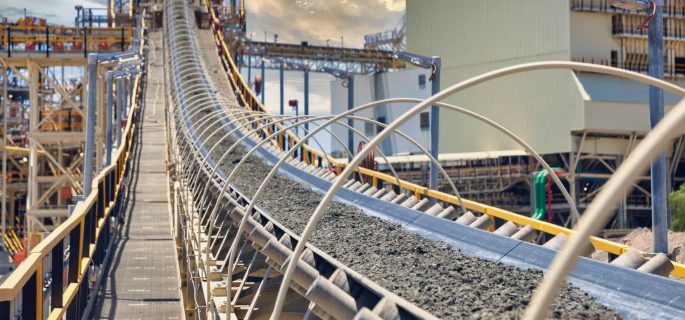
Effective diagnosis of roller-related noise demands a systematic approach that blends observation, listening, and technology. Operators should begin with basic sensory inspection—what can be seen, heard, or felt—and then escalate to advanced diagnostic tools. This tiered strategy helps isolate the root cause efficiently, reduces guesswork, and allows for both early intervention and long-term reliability improvements in Mine Conveyor Rollers and overall conveyor system operation.

Initial Inspection and Isolation

Visual

Begin with a visual inspection of the conveyor system. Look for seized or visibly damaged rollers, bent or twisted frames, and signs of severe belt mistracking. Grease leaks, corrosion, or buildup of debris around rollers may also indicate excessive friction or bearing failure. These clues provide a fast, low-cost way to narrow down problem areas before using more advanced tools.

Auditory

Walk the conveyor while it’s operating and listen for abnormal sounds such as grinding, clicking, or whining. Try to locate where the noise originates and determine if it changes with speed or load. Use a mechanic’s stethoscope or carefully place a screwdriver against the roller end caps to amplify and isolate the sound. This helps pinpoint the affected roller or bearing more precisely.

Tactile

After ensuring all safety procedures are followed, place your hand lightly on the roller end caps to detect excess heat or vibration. Heat often signals lubrication breakdown, overloading, or internal friction, while vibration may point to early-stage misalignment or damage. These tactile signs, though basic, can be extremely valuable in identifying rollers that are under abnormal stress.

Advanced Techniques

Infrared Thermography

Thermal imaging reveals rollers that are significantly hotter than their neighbors—an immediate red flag. Heat often results from internal friction caused by bearing seizure, overloading, or misalignment. Since it is non-contact, infrared thermography is especially useful during live inspections and can quickly identify issues in hard-to-reach or dangerous areas without interrupting operation.

Vibration Analysis

This is one of the most precise tools for diagnosing bearing problems. By attaching accelerometers to rollers, you can measure vibration signatures. Specific frequency patterns indicate defects in the inner race, outer race, rolling elements, or cage. Vibration analysis can also detect misalignment, unbalance, or looseness—often weeks or months before any audible noise appears.

Ultrasonic Detection

Ultrasound tools detect high-frequency sound waves created by early-stage bearing damage, lubrication failure, or even pneumatic air leaks. These frequencies are often beyond human hearing but can be picked up with handheld ultrasonic detectors. The technique is excellent for pinpointing defective rollers in large systems and works well even in loud industrial environments.
diagnosis of roller-related noise demands a systematic approach

Correction Strategies: From Bearings to Angles

Once a noise issue is diagnosed, correction must target the root cause—not just the symptom. Whether the problem originates from the bearing itself or the roller’s installation geometry, a lasting solution requires precision, proper parts, and adherence to best practices. Corrective actions should prevent recurrence and restore the system to reliable, quiet operation.

Bearing-Related Corrections

Replacement

Bearings that show signs of significant damage must be replaced without delay. Use the exact type and specification—matching size, seal type, and internal clearance (e.g., C3 or C4). Substituting with incorrect bearings can result in repeat failures or continued noise due to mismatch in load handling or thermal tolerance.

Re-lubrication

If the bearing is only slightly degraded and not yet damaged, flushing out old grease and applying the correct type and quantity may extend its life. This is only effective if done early. Follow the equipment manufacturer’s guidelines for grease selection and relubrication intervals to ensure proper film formation and protection.

Seal Repair or Replacement

Damaged seals allow contaminants to enter and cause recurring failures. Replace any worn, cracked, or missing seals promptly. In high-contamination areas, consider upgrading to double-lip or labyrinth seals. Ensuring seal integrity is a simple, cost-effective step that significantly improves bearing life and operating noise levels.

Handling and Installation

Bearings must be installed cleanly and using the right tools. Use induction heaters or bearing presses—never hammer bearings directly, as this can cause brinelling. Ensure correct shaft and housing fits to prevent excessive preload or clearance. Improper installation is a major cause of premature noise and failure.

Installation Geometry Correction

Laser Alignment

Laser alignment systems offer precise alignment of the entire conveyor structure—including head, tail, and intermediate frames. This ensures that rollers are aligned with the belt path. It corrects small angular misalignments that can otherwise lead to uneven loads, belt drift, and amplified noise across multiple rollers.

Frame Straightening or Replacement

Visibly bent or twisted roller frames must be repaired or replaced. Misaligned or warped frames throw off roller position and stress the bearings. Even small distortions can result in cumulative misalignment over long conveyor runs. Proper frame geometry is foundational to quiet, efficient roller operation.

Idler Angle Verification and Adjustment

Use digital inclinometers or angle gauges to check that wing rollers are set to their design angles, such as 35 degrees. If incorrect, loosen the mounting bolts, realign the rollers carefully, and retighten. All rollers in a set must be adjusted equally to ensure balanced load sharing and consistent belt support.

Belt Tracking Adjustment

Correcting roller angles and frame alignment sets the stage for effective belt tracking. Trained personnel should adjust training idlers using proper procedures. Poor belt tracking not only causes noise but also contributes to edge wear, mistracking, and stress on both bearings and the conveyor belt supporting structure over time.

Proactive Prevention: Minimizing Noise and Maximizing Uptime

Preventing roller noise and related failures requires a proactive approach. By focusing on design quality, installation accuracy, ongoing monitoring, and skilled maintenance, operators can extend equipment life, reduce unplanned downtime, and maintain a quieter, more efficient conveyor system. Prevention is more cost-effective than reactive repair and protects both productivity and safety.

Strategic Bearing Selection

Choose high-quality bearings designed for the specific application and environment. Consider sealing type, load requirements, and internal clearance. For mining, this often means spherical or mining-grade bearings with C3 or C4 clearance and advanced sealing. Investing upfront reduces long-term failure risks and maintenance costs.

Precision Installation

Follow strict procedures during both construction and maintenance. Ensure proper roller frame alignment, shaft seating, and conveyor idler angle settings. Use laser alignment tools to guarantee structural accuracy. Improper installation leads to misalignment stress and early bearing failure—regardless of component quality.

Robust Lubrication Program

Establish a consistent lubrication plan using the correct type and amount of grease. Use condition-based intervals informed by operating hours, load, and environment. Monitor grease condition and reapply before degradation causes damage. Over- or under-greasing leads to overheating, noise, or early bearing wear.

Regular Inspections

Schedule and perform regular visual and auditory inspections. Look for signs of wear, material buildup, belt mistracking, and grease leakage. Listen for new or changing noises. Include thermal checks to catch overheating rollers, which often signal friction or internal damage not visible externally.

Condition Monitoring

Use predictive maintenance tools like vibration analysis and infrared thermography. These techniques detect early-stage bearing wear, misalignment, and imbalance before failure occurs. Implement monitoring on critical conveyor sections. Early detection prevents major breakdowns and allows planned maintenance rather than emergency shutdowns.

Training

Train maintenance teams to understand bearing selection, installation techniques, idler angle importance, and correct lubrication practices. Emphasize early diagnosis methods such as tactile checks, sound recognition, and thermal monitoring. Well-trained personnel are essential for preventing minor issues from becoming costly failures.
Preventing roller noise and related failures requires proactive approach
types of conveyor rollers

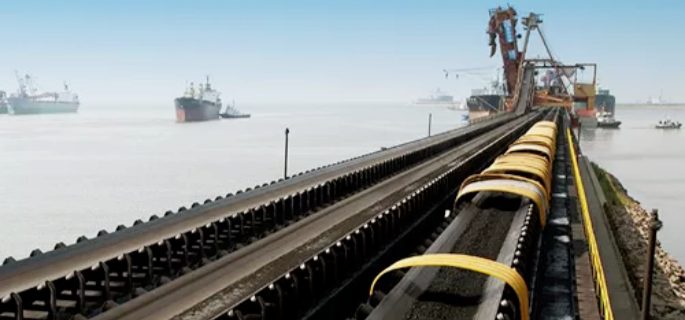
Port conveyor systems are the arteries of global trade, moving mountains of bulk materials and containers. But when belts slip on drive or tail pulleys, it’s more than just an annoyance – it’s a costly crisis causing downtime, wear, spillage, safety hazards, and lost productivity. The key battleground against slippage is the roller surface. Solve conveyor belt slippage using targeted roller lagging materials for wet, dusty, and high-load port environments. Here are 7 proven anti-slip solutions for roller surfaces, including a specialized version specifically engineered for the brutal challenges of the tropical rainy season.

Why Roller Surface Matters

Conveyor belt slippage is a serious issue in high-throughput port operations, where uptime is critical. In Heavy Duty Roller Conveyor systems, which move large volumes of bulk materials under high loads, the risk is even greater. Slippage occurs when the tractive force generated at the drive pulley—which depends on friction between the belt and roller surface—is insufficient to overcome system resistance. This results in lost efficiency, belt wear, and operational downtime. The condition and design of the roller surface (lagging) play a central role in solving this problem.

Belt Load

This refers to the weight and characteristics of the material being conveyed. Heavier materials such as coal, ore, or wet bulk require greater traction force than lighter materials like grain or fertilizer. Additionally, load surges or uneven distribution can suddenly increase demand on the drive pulley, making adequate friction essential to prevent slippage during peak load moments.

Belt Inertia and Flexure

Every time the conveyor starts, stops, or changes direction, energy is required to overcome the belt’s inertia. Further resistance arises as the belt flexes around pulleys and idlers. The longer and heavier the belt—or the more frequently it bends—the more energy it demands from the drive system, putting additional strain on the contact surface to maintain traction.

Idler Rolling Resistance

Idlers support the belt but introduce friction through their internal bearings. When these bearings become misaligned, contaminated, or worn, rolling resistance increases. This added resistance amplifies the overall load on the drive pulley, and if the lagging isn’t high-friction or properly maintained, slippage becomes far more likely.

Material Lift (Incline Conveying)

On inclined conveyors, the system must constantly overcome gravity to lift materials. This added vertical component of resistance significantly increases the traction required. In such cases, any loss of grip between the belt and pulley—especially in wet or overloaded conditions—can lead to rollback, stoppages, or belt wear, making a high-performance roller surface essential.

Auxiliary Equipment Resistance

Additional conveyor accessories such as trippers, ploughs, belt cleaners, or diverters contribute to mechanical resistance. While these components are necessary for managing material flow, they create extra drag on the system. The roller surface must provide sufficient friction to maintain belt movement despite the cumulative effect of this added resistance.

Why Roller Surface Matters

7 Roller Surface Anti-Slip Solutions (Including the Tropical Rainy Season)

Standard Rubber Lagging

What it is: A vulcanized layer of durable rubber bonded directly onto the steel roller shell.

How it fights slippage: Provides significantly higher friction than bare steel, especially when clean. Offers good impact resistance and protects the roller.

Best for: General-purpose applications with moderate demands and relatively dry conditions. The baseline solution.

Diamond Groove Rubber Lagging

What it is: Standard rubber lagging embossed with a raised diamond-shaped pattern.

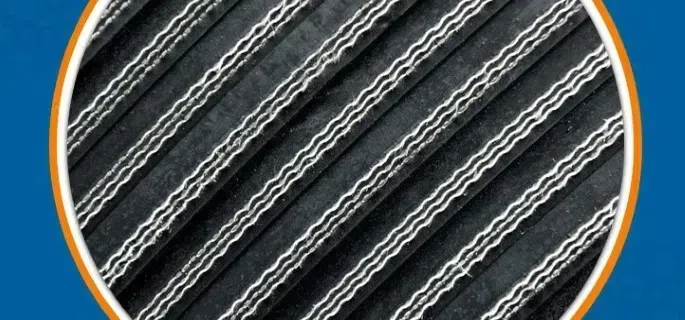
How it fights slippage: The grooves act as channels to expel water, dust, and fine particles that act as lubricants. The raised diamond points aggressively grip the belt’s underside, dramatically increasing friction, particularly in damp or slightly contaminated conditions.

Best for: Most common port environments experiencing light rain, humidity, or dust. Offers a major upgrade over plain rubber.

Herringbone Groove Rubber Lagging

What it is: Rubber lagging with a V-shaped or chevron (herringbone) pattern.

How it fights slippage: Similar to diamond groove, but the directional herringbone pattern is particularly effective at pushing water and debris outwards and away from the center of the roller as it turns, maximizing the clean contact area. Provides excellent traction.

Best for: Applications with higher volumes of water or fine, slurry-like materials. Excellent all-round performer, often preferred over diamond in very wet conditions.

Ceramic Lagging (Inset or Embedded)

What it is: Small, extremely hard ceramic tiles (typically alumina oxide) are either inset into a rubber base or bonded directly onto the roller shell within a rubber matrix.

How it fights slippage: Ceramic offers the highest possible coefficient of friction. The tiles create aggressive, wear-resistant “bite points” that grip the belt powerfully. The rubber matrix provides flexibility and impact absorption.

Best for: Severe slippage problems, heavy loads, steep inclines, and abrasive materials. Highly effective but more expensive. Ideal for critical drive pulleys.

Urethane Lagging

What it is: A layer of polyurethane elastomer applied to the roller shell.

How it fights slippage: Offers excellent friction characteristics, often superior to standard rubber, especially in wet conditions. Highly resistant to abrasion, cutting, tearing, and many chemicals. Can be grooved.

Best for: Environments with chemical exposure, oil/grease, or where exceptional abrasion resistance is needed alongside good grip. Good alternative to rubber where specific properties are required.

Specialized High-Friction Compound Rubber

What it is: Rubber lagging formulated with specific additives to maximize the coefficient of friction.

How it fights slippage: Uses unique polymers and fillers designed to create stickier, more aggressive surfaces even when slightly damp or dusty. Performance surpasses standard rubber compounds.

Best for: Situations demanding the highest possible friction from a pure rubber surface, perhaps where ceramic is deemed too aggressive for the belt. Often used in combination with grooving (Diamond/Herringbone).

Tropical Rainy Season Special: Advanced Hybrid Ceramic + Deep Herringbone Grooves + Tropical Compound

What it is: A high-performance composite lagging engineered for extreme tropical conditions, combining inset ceramic tiles, deep herringbone grooves, and a weather-resistant rubber matrix.

How it prevents slippage: The ceramic tiles deliver maximum baseline friction, while deep, wide herringbone grooves efficiently channel away heavy rainfall and slurry. The tropical-grade rubber matrix enhances wet grip, repels water, and resists UV, ozone, salt spray, and mold.

Best for: Port operations in tropical regions during intense rainy seasons, where standard lagging fails. Designed for saturated, high-humidity, and highly corrosive environments.

7 Roller Surface Anti-Slip Solutions (Including the Tropical Rainy Season Special)

Representing the Pinnacle: Tropical Rainy Season Solution

Ports located in tropical regions face some of the harshest operational environments on Earth. During the monsoon season, these facilities are bombarded by a perfect storm of challenges: torrential rainfall, near-saturation humidity, corrosive salt-laden air, soaring temperatures, and an ever-present threat of biological growth. Under such conditions, conventional roller lagging solutions quickly deteriorate or fail to maintain traction, leading to frequent slippage, downtime, and maintenance headaches.

The Solution: Advanced Hybrid Ceramic Lagging with Deep Aggressive Grooving & Tropical-Grade Compound

This specialized solution was engineered from the ground up to handle the relentless punishment of tropical environments. It brings together cutting-edge materials science and mechanical design in a high-performance package built for wet-weather reliability.

Core Component: Inset Ceramic Lagging

At the heart of the solution is high-grade inset ceramic lagging. Ceramic tiles embedded in a rubber matrix deliver the maximum baseline friction, resisting slippage even when the belt is heavily loaded and wet. Ceramic’s micro-textured surface provides “bite points” that engage the belt, while the rubber base absorbs shock and helps accommodate minor belt misalignments.

Key Benefits:

  • Extreme friction performance
  • Exceptional wear resistance
  • Proven reliability under heavy loads and continuous operation

Surface Pattern: Deep, Wide Herringbone Grooves

What truly sets this solution apart is the deep, aggressive herringbone groove pattern, precisely machined through the ceramic surface and into the underlying rubber. These grooves are wider and deeper than standard patterns, allowing for:

  • Rapid evacuation of water, slurry, and fine debris
  • Optimized drainage, ensuring a consistently clean contact patch between belt and roller
  • Directional water control, with the V-shaped pattern channeling moisture outward to the roller edges rather than letting it pool or film under the belt

This design maintains full traction even during periods of sustained heavy rainfall — a common occurrence in monsoon zones.

Rubber Compound: Specialized Tropical Formulation

Surrounding and supporting the ceramic is a tropical-grade rubber matrix. This compound is tailored to withstand the unique environmental stresses found in equatorial port environments.

Engineered Properties:

  • Enhanced Hydrophobicity: Surface resists water retention, reducing the formation of slick layers
  • Superior Wet Traction: Maintains high coefficients of friction even when fully saturated
  • UV and Ozone Resistance: Withstands long-term exposure to intense solar radiation
  • Mold and Mildew Resistance: Prevents microbial degradation in hot, humid climates
  • Salt Spray Resistance: Ideal for coastal and marine-adjacent installations

Maintenance Considerations: Keep the Grooves Clean

While this advanced lagging provides excellent anti-slip performance, its deep grooves can accumulate mud, silt, and other residues. Over time, hardened deposits may reduce the groove depth and compromise performance.

Recommended Maintenance Practices:

  • High-efficiency belt scrapers at head and tail pulley
  • Targeted water spray systems to flush out debris
  • Rotary cleaning brushes for continuous surface conditioning
  • Scheduled inspections to ensure groove integrity and prevent buildup

Ideal Use Cases

  • Coastal bulk terminals in Southeast Asia, West Africa, and South America
  • Container yards and grain ports in high-rainfall zones
  • Mining export operations exposed to tropical downpours
  • Any belt-driven system in hot, wet, salty environments with high uptime demands
Representing the Pinnacle Tropical Rainy Season Solution

Key Factors for Selecting the Rollers Surface Anti-slip Solutions

Choosing the right roller surface treatment is essential for solving conveyor belt slippage in demanding port environments. With varying conditions such as heavy loads, high humidity, abrasive materials, and extreme weather—especially in tropical rainy seasons—each situation requires a tailored solution. The table below highlights the key factors that should guide your selection of anti-slip roller lagging, helping ensure optimal grip, durability, and long-term reliability across different operational scenarios.

FactorKey QuestionConsiderations
Severity of SlippageIs it occasional or constant?Occasional slippage may need basic upgrades; constant issues require advanced solutions.
Primary CauseIs it water, dust, mud, load weight, incline?Match lagging to the challenge: grooved for debris, ceramic for load/incline, etc.
Material TypeAbrasive, oily, sticky?Use ceramic for abrasion, urethane for oil, grooved rubber for sticky/slurry loads.
BudgetCan you invest in premium materials?Rubber is cost-effective; ceramic and tropical hybrids offer higher performance but cost more.
ClimateStandard vs. Extreme Tropical?Tropical zones require hydrophobic, UV-, mold-, and salt-resistant materials.
Pulley LocationDrive pulleys need maximum grip; tail pulleys benefit too.Prioritize high-friction lagging on drive pulleys; grooved options for tail pulleys help overall stability.
belt conveyor machine

Selecting the optimal conveyor belt for steep mine slope applications transcends mere purchase price. The specter of longitudinal belt tearing looms large, carrying potentially catastrophic costs in downtime, lost production, emergency repairs, and safety hazards. When comparing common fabric belt types like EP400/3 and NN100 for these demanding inclines, understanding their inherent resistance to tearing is paramount for true cost-effectiveness.This article presents a comprehensive comparison of EP400/3 and NN100 conveyor belts focusing on tear resistance, downtime impact, and overall cost-efficiency.

The High-Stakes Environment of Slope Conveying

Mine slope conveyors are among the most demanding applications for conveyor belt systems, operating under a combination of mechanical stressors, environmental hazards, and operational constraints that push belt materials to their limits. In these environments, even a minor belt failure can lead to major operational setbacks. Understanding the risks and mechanics involved is essential for choosing the right belt specification.

Increased Load on the Carcass

One of the most significant challenges in slope conveying is the amplified longitudinal tension imposed on the belt carcass due to the steep incline. As material is transported upward, gravity exerts a continuous counterforce, increasing the belt tension dramatically—especially in fully loaded conditions. This sustained stress can strain the belt’s fabric structure, particularly at weak points such as splices and edges. A stronger, low-elongation fabric (such as polyester in EP rubber belt) can better withstand these forces and minimize deformation over time.

Material Shifting and High-Impact Zones

Material behavior on inclined conveyors also poses unique hazards. Unlike flat conveyors, materials on slope systems are more prone to shifting, bouncing, or rolling back—especially if the conveyor is suddenly stopped or restarted. These erratic movements can lead to repeated impacts in localized areas, creating high-pressure zones that weaken the top cover and underlying plies. Sharp fragments can puncture the belt, initiating tears that may expand rapidly without a robust carcass or adequate ripstop features.

Splice Vulnerability Under Tension

Splices—whether mechanical or vulcanized—are typically the weakest structural points in any conveyor belt. On slope conveyors, these splices are subjected to intense traction, especially during acceleration, deceleration, and load surges. If not properly designed or maintained, a splice failure on an inclined system can be catastrophic, potentially leading to uncontrolled belt slippage or a full longitudinal tear.

Consequences of Failure: Far Beyond the Surface

A belt failure on a slope conveyor is not just a maintenance inconvenience—it can represent a critical operational emergency. A longitudinal tear that starts from a single snag can unzip across the belt length in seconds, resulting in:

  • Massive spillage of material down the slope
  • Extensive belt damage requiring specialized repair or full section replacement
  • Hours or days of unplanned downtime, halting material flow from key production zones
  • Elevated repair costs, especially in remote, steep, or underground locations where access is limited and labor must be deployed with specialized safety measures
The High-Stakes Environment of Slope Conveying

Comparison of Tearing Resistance and Slope Suitability: EP400/3 vs NN100 Conveyor Belts

In mining operations, especially on inclined conveyors, tearing resistance is a critical factor in selecting the right belt. The fabric construction—specifically the type of fibers used in the warp and weft—plays a decisive role in a belt’s ability to withstand high tension, impact, and tear propagation. This section provides a comparative overview of two commonly used belt types, EP400/3 and NN rubber belt (NN100), highlighting how their internal construction influences performance in slope conveying environments.

FeatureEP400/3 (Polyester Warp / Nylon Weft)NN100 (All-Nylon)
Fabric ConstructionPolyester in warp (longitudinal), nylon in weft (transverse); 3 fabric pliesNylon in both warp and weft
Tensile Strength (Warp)High (due to polyester)Moderate (nylon has lower tensile strength than polyester)
Elongation Under LoadLow elongation – maintains dimensional stabilityHigher elongation – more stretch under load
Tear Resistance (Longitudinal)Excellent – strong resistance to tear initiation and propagationWeaker – prone to longitudinal tear propagation under tension
Cut Propagation ResistanceHigh – polyester resists the spread of cutsLower – cuts spread more easily through nylon fibers
Impact AbsorptionModerate – stiffer but still flexibleHigh – better cushioning due to nylon’s elasticity
Performance on SlopesSuperior – ideal for resisting the steep incline forces and tear risksInferior – higher susceptibility to tears from snags and impacts
Typical Use CaseHeavy-duty slope conveying under high tensionLight to medium-duty conveying, preferably flat or shallow gradients
tearing resistance is a critical factor in selecting the right belt

Tearing Cost Comparison: Why EP400/3 Often Wins Economically

While NN100 belts offer lower upfront costs, the EP 400 3 Conveyor Belt often proves more economical over time. Its superior tear resistance reduces the risk of catastrophic failures on slope conveyors, helping operators avoid costly downtime, complex repairs, and production losses. When factoring in the hidden costs of maintenance, repairs, and lost output, EP400/3 delivers a more reliable and cost-effective long-term solution.

Initial Purchase Price vs Long-Term Value

NN100 belts are typically cheaper to purchase, making them attractive in short-term budgeting. However, their lower tear resistance increases the likelihood of failure, especially in demanding environments like slope conveyors. EP400/3 belts, while more expensive initially, offer greater durability and reduced maintenance needs. Over time, this leads to fewer interruptions, better performance, and a lower total cost of ownership.

The Hidden Cost – Tearing Risk and Its Consequences

Increased Probability of Tearing

Nylon carcasses in NN100 belts are less resistant to longitudinal tearing than polyester in EP belts. Under high tension and frequent impact, NN100 belts are statistically more likely to suffer tearing incidents. This higher failure rate leads to frequent unplanned stoppages, especially on mine slopes where impact and snagging risks are elevated and constant.

Severity of Damage and Tear Propagation

Tears in NN100 belts tend to spread quickly due to nylon’s lower resistance to cut propagation. A small snag can escalate into a major failure, often requiring long belt sections to be replaced. EP400/3 belts limit tear spread more effectively, making repairs shorter, less expensive, and more localized. This structural integrity is crucial in high-tension incline operations.

Downtime Costs

Downtime on a mine slope conveyor is extremely expensive, potentially costing hundreds of thousands per day in lost production—especially when the failure occurs on the mining conveyor belt itself, the core component of material transport. Because NN100 belts are more likely to tear and take longer to repair, they cause significantly more downtime. EP400/3 belts offer stronger resistance to failure, helping operations maintain higher availability and avoid expensive operational delays.

Repair Costs and Logistical Complexity

Repairing a conveyor belt on a steep mine slope is time-consuming, risky, and costly. Access challenges, specialized tools, and safety precautions all add to the expense. NN100 belts often require longer replacement sections due to rapid tear spread, increasing labor and material costs. EP400/3 belts reduce these incidents and simplify maintenance logistics.

Safety and Cleanup

Tearing incidents on slopes often result in bulk material spillage, posing serious safety risks and requiring extensive cleanup. Spilled material must be cleared before the conveyor resumes operation, further extending downtime. EP400/3 belts, with their better tear resistance, help prevent such events, reducing both direct cleanup costs and indirect safety risks.

Nylon carcasses in NN100 belts are less resistant to longitudinal tearing than polyester in EP belts

Practical Case Comparison

In a coal mine operating multiple slope conveyors, both EP400/3 and NN100 belts from a single conveyor belt manufacturer were deployed over a full one-year period under similar working conditions. The objective was to assess their tearing performance in real incline applications.

  • EP400/3 experienced only one significant tearing incident during the year. The damage was minor, localized, and easily repaired on-site, resulting in approximately 3 hours of downtime. No belt section replacement was necessary, and operations resumed promptly.
  • In contrast, NN100 belts encountered four tearing incidents over the same period. While two were manageable, one incident was severe enough to require a full belt section replacement, causing a total of 12 hours of unplanned downtime and a major disruption to material flow.

Based on repair costs, downtime losses, and replacement materials, the estimated annual tearing cost was:

  • EP400/3: approximately $1,500
  • NN100: approximately $6,200
roller types

In industrial settings, ceramic conveyor rollers are a crucial component in systems that move materials efficiently across production lines. These conveyor systems are commonly used in industries such as manufacturing, mining, food processing, and logistics. One of the most common yet often overlooked elements in these systems is the roller itself. When ceramic rollers are used, their material properties offer distinct advantages—but one of the most critical factors is the friction coefficient between the roller and the conveyor belt, which can have a profound impact on the overall efficiency of the system.

The Hidden Cost of Friction

In the world of industrial material handling, friction is a silent profit killer. While often overlooked, the friction between conveyor rollers and belts can significantly impact operational efficiency, energy consumption, and long-term maintenance costs. This is especially true in heavy duty roller conveyor systems, where loads are larger and operating hours are longer. Traditional steel rollers, widely used in these conveyor systems, are particularly notorious for their high friction coefficients, typically ranging from 0.15 to 0.20 or higher. This seemingly small number hides a cascade of costly consequences.

High Rolling Resistance: Motors Work Harder

When the friction coefficient is high, the resistance to motion increases. This means that conveyor motors must exert more force to overcome that resistance and keep the system moving. As a result, motors operate under heavier loads, consume more energy, and are subjected to greater wear and tear. Over time, this leads to:

  • Higher electricity bills.
  • More frequent motor maintenance or replacements.
  • Reduced overall system efficiency.

Wasted Energy Turned Into Heat

Not all the energy used in a conveyor system goes into productive motion. In high-friction environments, a significant portion of input energy is lost as heat due to resistance between the belt and rollers. This energy loss not only affects the bottom line but can also contribute to elevated operating temperatures, which may further:

  • Degrade nearby components (like belts and bearings).
  • Require additional cooling solutions.
  • Pose safety or fire risks in sensitive environments.

Accelerated Wear on Chains and Bearings

Friction doesn’t just slow things down — it wears things out. The chains, bearings, and other moving parts in a high-friction system are constantly subjected to excessive mechanical stress. This results in:

  • Increased frequency of part failures.
  • Higher maintenance costs due to replacements and downtime.
  • Reduced lifespan of key system components.

Excessive Noise Pollution

Another often overlooked side effect of high friction is noise. When metal rollers grind against conveyor belts or chain-driven mechanisms under high resistance, they produce loud, grating sounds. This noise pollution contributes to:

  • A harsher, more unpleasant working environment.
  • Increased risk of hearing damage or the need for protective equipment.
  • Potential compliance issues with workplace safety and noise regulations.
the friction between conveyor rollers and belts can significantly impact operational efficiency

The Secret Weapon: Engineered Ceramic Coating

To combat the hidden costs of friction in conveyor systems, many forward-thinking industries are turning to a powerful solution: engineered ceramic coatings. Far more than a cosmetic upgrade, these advanced coatings offer a transformative performance advantage over traditional steel roller — and they’re quickly becoming the secret weapon in high-efficiency material handling systems.

Ultra-Smooth Surface Finish

Engineered ceramic coatings are applied using advanced thermal spray technology, followed by precision grinding and polishing to achieve an ultra-smooth finish. This process creates a surface with an exceptionally low roughness average (Ra), often approaching a mirror-like level. As a result, the friction coefficient can be reduced to as low as 0.05–0.08 — a drop of over 0.1 compared to traditional steel rollers. This reduction significantly improves energy efficiency, reduces motor load, and enhances the overall conveyor system performance.

Extreme Hardness & Wear Resistance

Ceramic coatings made from materials like alumina and chromia offer outstanding hardness and durability. These ceramics are significantly harder than steel and maintain their integrity even under continuous mechanical stress and abrasive environments. In friction roller conveyor applications, this exceptional wear resistance ensures that the low-friction surface remains effective for years, drastically reducing the need for roller replacements. As a result, maintenance intervals are extended, operating costs drop, and productivity increases, making ceramic-coated rollers a long-term cost-effective solution for high-performance conveyor systems.

Anti-Stick Properties

Traditional rollers often suffer from surface buildup due to dust, moisture, or sticky materials, which increases friction over time. Ceramic coatings, however, offer excellent anti-stick properties thanks to their dense, non-porous, and chemically inert surfaces. These surfaces prevent debris and contaminants from adhering, keeping the rollers clean and friction low. This results in more stable operation, less downtime for cleaning, and consistent performance even in environments with high humidity or particulate matter. Overall, it helps maintain optimal conveyor efficiency over long durations.

Stability in Harsh Environments

Ceramic-coated rollers are exceptionally stable in environments where traditional materials may fail. Their natural resistance to corrosion, oxidation, and high temperatures allows them to perform reliably in industries such as mining, metallurgy, or chemical processing. They maintain structural integrity and surface smoothness even under harsh thermal or chemical exposure. This stability ensures long-term performance with minimal degradation, enabling companies to operate conveyor systems with greater confidence, fewer disruptions, and lower maintenance costs — even in the most demanding operating conditions.

Ceramic coatings made from materials like alumina and chromia offer outstanding hardness and durability

How It Saves $23,000/Year (Example Calculation)

Let’s break down a realistic example to show how reducing the friction coefficient of conveyor rollers leads to significant energy and cost savings.

System Overview:

  • Conveyor motor power: 100 kW
  • Operating time: 8,000 hours per year (24/7 continuous use)
  • Friction’s share of motor load: ~40%
  • Friction coefficient reduction: From 0.18 to 0.08 (Δμ = 0.1)

Step 1: Estimate the friction-related energy savings

Friction accounts for 40% of total motor power. Reducing the friction coefficient from 0.18 to 0.08 yields a relative reduction:

 (0.1 / 0.18) × 40% ≈ 22.2% energy savings

Step 2: Calculate annual energy savings


100 kW × 8,000 hours × 22.2% = 177,600 kWh saved per year

Step 3: Convert to cost savings


177,600 kWh × $0.13/kWh = $23,088 saved annually

Beyond Energy Savings

While the reduction in electricity costs is a major benefit, engineered ceramic rollers provide a wide range of additional advantages that boost operational efficiency, reduce environmental impact, and improve overall system performance.

Lower Maintenance Costs

Ceramic-coated rollers have a 3 to 5 times longer lifespan compared to traditional steel rollers. Their extreme hardness and wear resistance mean they don’t degrade as quickly, even under heavy loads or in abrasive environments. This durability leads to fewer roller replacements, less unscheduled downtime, and lower maintenance labor costs — all of which contribute to a more reliable and cost-efficient operation over time.

Increased Productivity

Lower friction doesn’t just reduce energy use — it also enhances system throughput. With less rolling resistance, conveyor systems can operate at higher speeds or handle heavier loads without increasing power demand. This flexibility opens up opportunities for greater production capacity, faster processing times, and improved responsiveness in high-demand environments.

Improved Sustainability

Reducing friction and saving energy also benefits the environment. Saving 177,600 kWh per year equates to a reduction of approximately 125 metric tons of CO₂ emissions, based on the average U.S. electricity grid emissions factor. For companies committed to sustainability, this helps meet carbon reduction goals and supports ESG (Environmental, Social, and Governance) reporting.

Quieter Operation

High-friction steel rollers can generate substantial mechanical noise, especially at high speeds. Ceramic rollers, with their smooth, low-resistance surfaces, enable quieter conveyor operation, creating a more pleasant and safer work environment. Reduced noise levels can also help meet workplace health regulations and reduce the need for hearing protection in some settings.

Cleaner Process

Ceramic surfaces are chemically inert and non-stick, meaning they resist the buildup of dust, moisture, grease, and product residues. This reduces the reliance on frequent conveyor roller cleaner interventions, resulting in less contamination risk, lower cleaning requirements, and improved hygiene — particularly important in food, pharmaceutical, or clean manufacturing environments. The cleaner surface also ensures that friction remains consistently low over time.

engineered ceramic rollers provide a wide range of additional advantages that boost operational efficiency

Implementation Strategy

Successfully integrating ceramic-coated rollers into your conveyor system requires a strategic and targeted approach. By focusing on the most impactful areas and aligning materials with operational demands, companies can maximize return on investment while minimizing disruption.

Audit Critical Zones

Start by conducting a system-wide audit to identify key areas where friction has the highest operational cost. Focus on conveyors that operate under high loads, run long distances, or are exposed to harsh environments such as dust, moisture, or chemicals. These zones typically experience the most wear and energy loss, making them ideal candidates for ceramic coating upgrades.

Customize Coating Selection

Not all ceramic coatings are the same. Match the type of ceramic material — such as alumina (Al₂O₃) or chromia (Cr₂O₃) — to the specific requirements of each conveyor. Factors like load capacity, belt speed, environmental exposure, and required surface roughness should guide material selection. This ensures optimal performance, durability, and friction reduction tailored to your exact application.

Phased Rollout

Rather than overhauling the entire system at once, implement a phased installation strategy. Start with high-wear areas or locations with a history of excessive energy use or maintenance issues. These priority zones typically deliver the fastest return on investment, allowing you to evaluate performance improvements and cost savings before committing to a full-scale rollout.

Monitor Performance

Establish a clear method for measuring and comparing system performance before and after installation. Track energy consumption, maintenance frequency, roller replacement rates, and any operational disruptions. This data will help quantify savings, identify additional opportunities for improvement, and build a strong business case for further investment in ceramic technology.

industrial conveyor belt

Conveyor belts are the backbone of industrial applications, ensuring the smooth and efficient transport of materials across various sectors. Whether in mining, manufacturing, or recycling, these belts streamline operations and boost productivity. Among the different types of conveyor belts, the multi ply conveyor belt stands out for its durability and versatility. Comprising multiple layers of fabric, each with a rubber interface, these belts are designed to withstand the most demanding conditions. They play a crucial role in heavy-duty industries such as mining, stone quarries, and cement plants, providing reliable performance and extending the lifespan of the conveyor systems.

Read more
What is Conveyor Belt Ply and Conveyor Belt Ply Adhesion

Conveyors are the backbone of many industrial operations, ensuring efficient material transport. At the core of these systems lies the crucial component: conveyor belts. But have you ever wondered what makes these belts so reliable and robust? The answer lies in the construction and quality of the conveyor belt ply. This blog post will delve into the concept of conveyor belt ply, exploring its significance, different types, thicknesses, pricing, and availability. By understanding these aspects, industrial users can make informed decisions to enhance their operations’ efficiency and longevity. Whether you’re upgrading an existing system or installing a new one, knowing about conveyor belt ply is essential for optimal performance.

Read more
cold resistant conveyor belt

Cold resistant conveyor belts are specially designed to operate efficiently in environments with extremely low temperatures. These belts are essential in industries such as mining, construction, and agriculture, where materials need to be transported in freezing conditions. The primary purpose of cold resistant conveyor belt is to maintain flexibility and durability despite the harsh cold, ensuring uninterrupted operation. Their importance cannot be overstated, as they prevent material handling delays and equipment malfunctions, which are common in sub-zero environments. Cold resistant conveyor belt available in laceration-resistant, abrasion-resistant are ideal for conveying materials in freezing areas. By utilizing cold resistant conveyor belts, industries can enhance productivity and safety, reducing the risks associated with brittle or malfunctioning standard conveyor systems in cold climates.

Read more
machine conveyor belt

Conveyor belts are essential in various industrial applications, providing efficient material handling solutions. They are used in manufacturing, mining, and logistics to transport goods seamlessly. Among the different types of conveyor belts, EP (Polyester/Nylon) conveyor belts stand out due to their durability and flexibility. This blog will focus on the EP 400 3 conveyor belt, a popular choice in many industries. The EP 400 3 conveyor belt combines high tensile strength and low elongation, making it ideal for heavy-duty operations. One relevant aspect worth exploring is EP400/3 and NN100 Conveyor Belts: Tearing Cost Comparison for Mine Slope Conveying, which provides further context for understanding its performance under demanding conditions. We will explore its features, benefits, and applications, highlighting why the EP 400 3 conveyor belt is a preferred option for industrial material handling needs.

Read more

Conveyor system parts are essential components that ensure the efficient operation of conveyor systems. These parts include belts, rollers, motors, pulleys, bearings, and frames. Each part plays a critical role in the system’s functionality, enabling smooth material handling and transportation. Understanding these parts and their functions helps in maintaining and troubleshooting conveyor systems. Accessories like guides, sensors, and controllers further enhance the system’s performance. Proper maintenance and timely replacement of these parts are crucial for minimizing downtime and maximizing operational efficiency.

Read more
best belt conveyor

Modular belt conveyor systems are versatile and efficient solutions for material handling in various industries. They are composed of interlocking plastic modules, providing flexibility and ease of maintenance. These systems are cost-effective due to their durability and modular design, allowing for easy repairs and modifications. Suitable for a wide range of applications, from food processing to manufacturing, modular belt conveyors enhance productivity and operational efficiency. Key components like FlexLink conveyor parts and MCE conveyors ensure seamless integration and high performance, making them a popular choice for industrial conveyor systems.

Read more