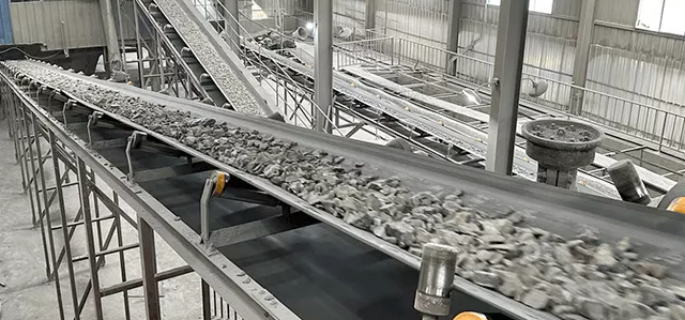
How to Choose Fabric Conveyor Belt Manufacturers

Food Grade Conveyor Belt Selection for Clean Handling and Light Industrial Lines

food grade conveyor belt buyer brief

Buyer brief. A food grade conveyor belt should be selected around the material, conveyor geometry, operating risk, and replacement plan. The right belt is not only the one with the correct name; it is the belt that keeps its cover, carcass, edges, and splice area stable under clean packaged goods, light processing, ingredient transfer, and indoor handling equipment.

Gram Conveyor’s real product range gives buyers several practical routes: Conveyor Belt, Fabric Conveyor Belt, rubber conveyor belt, EP rubber belt. These product pages matter because industrial belt purchasing usually fails when a quotation is separated from the conveyor’s load, temperature, abrasion, fire risk, cleaning method, and pulley size.

For this application, the most important purchasing theme is cleanability, edge finish, pulley size, cover material, and separation from heavy-duty rubber belt duty. A useful specification should include the belt family, width, length, carcass, cover grade, top and bottom cover thickness, edge condition, roll length, packing method, and inspection photos before shipment.

Product options for food grade conveyor belt orders

Conveyor Belt in food grade conveyor belt projects

The broad Conveyor Belt range is the starting point when a buyer is still comparing rubber, fabric, steel cord, mining, heat-resistant, and fire-risk belt families. It keeps the discussion tied to real conveyor duty instead of a loose material name.

For clean packaged goods, light processing, ingredient transfer, and indoor handling equipment, this product path helps the buyer define the belt by structure and duty. The practical order details are width, roll length, top and bottom cover, carcass type, operating temperature, material shape, pulley size, and packing. Gram Conveyor’s Conveyor Belt page gives the purchasing team a product reference that can be linked directly from the specification file.

Fabric Conveyor Belt in food grade conveyor belt projects

Fabric Conveyor Belt covers EP, NN, nylon, polyester, and multi-ply constructions. It is often the practical replacement choice for medium and heavy-duty plant conveyors because it balances strength, flexibility, splice work, and cost.

For clean packaged goods, light processing, ingredient transfer, and indoor handling equipment, this product path helps the buyer define the belt by structure and duty. The practical order details are width, roll length, top and bottom cover, carcass type, operating temperature, material shape, pulley size, and packing. Gram Conveyor’s Fabric Conveyor Belt page gives the purchasing team a product reference that can be linked directly from the specification file.

rubber conveyor belt in food grade conveyor belt projects

Rubber conveyor belt is the main option for bulk materials because the cover compound can be matched to abrasion, heat, fire risk, oil, chemical exposure, impact, and outdoor storage. Buyers should specify top cover, bottom cover, edge type, and carcass before comparing offers.

For clean packaged goods, light processing, ingredient transfer, and indoor handling equipment, this product path helps the buyer define the belt by structure and duty. The practical order details are width, roll length, top and bottom cover, carcass type, operating temperature, material shape, pulley size, and packing. Gram Conveyor’s rubber conveyor belt page gives the purchasing team a product reference that can be linked directly from the specification file.

EP rubber belt uses polyester in the warp direction and nylon in the weft direction, giving stable strength and controlled elongation for many plant conveyors. EP400/3 and EP800/4 are useful specification references for replacement planning.

For clean packaged goods, light processing, ingredient transfer, and indoor handling equipment, this product path helps the buyer define the belt by structure and duty. The practical order details are width, roll length, top and bottom cover, carcass type, operating temperature, material shape, pulley size, and packing. Gram Conveyor’s EP rubber belt page gives the purchasing team a product reference that can be linked directly from the specification file.

NN rubber belt uses nylon fabric in both warp and weft directions. It can be useful where flexibility and impact behavior matter, but it should be compared with EP when take-up travel and long-term stretch are important.

For clean packaged goods, light processing, ingredient transfer, and indoor handling equipment, this product path helps the buyer define the belt by structure and duty. The practical order details are width, roll length, top and bottom cover, carcass type, operating temperature, material shape, pulley size, and packing. Gram Conveyor’s NN rubber belt page gives the purchasing team a product reference that can be linked directly from the specification file.

Product option Where it fits What to verify before buying
Conveyor Belt Early-stage comparison when the buyer needs to map the whole conveyor belt range. Check width, cover grade, carcass, pulley fit, roll length, label, packing, and inspection photos.
Fabric Conveyor Belt Medium and heavy-duty replacement where EP, NN, nylon, polyester, or multi-ply carcass selection matters. Check width, cover grade, carcass, pulley fit, roll length, label, packing, and inspection photos.
rubber conveyor belt General bulk materials where cover compound protects the belt from abrasion, heat, moisture, or impact. Check width, cover grade, carcass, pulley fit, roll length, label, packing, and inspection photos.
EP rubber belt Stable strength, controlled elongation, common plant replacement, and practical splicing. Check width, cover grade, carcass, pulley fit, roll length, label, packing, and inspection photos.
NN rubber belt Flexible fabric behavior, impact awareness, and conveyor layouts where nylon carcass is preferred. Check width, cover grade, carcass, pulley fit, roll length, label, packing, and inspection photos.

Application fit for clean packaged goods, light processing, ingredient transfer, and indoor handling equipment

A buyer using this belt in clean packaged goods, light processing, ingredient transfer, and indoor handling equipment should separate normal running load from the worst part of the conveyor. Loading zones, skirtboards, transition areas, belt cleaners, return rollers, and storage conditions can create more damage than the straight carrying section. A belt that looks correct on paper can fail early if the drop height, cleaner pressure, or pulley diameter is ignored.

food grade conveyor belt product option for clean packaged goods, light processing, ingredient transfer, and indoor handling equipment
food grade conveyor belt product option for industrial belt selection

When food grade conveyor belt is the right choice

It is the right choice when the application risk named in the keyword is real and recurring. In that case, paying attention to the cover compound, carcass, roll marking, and packing protects service life. For many buyers, the best value comes from using a standard Gram product family such as Conveyor Belt, Fabric Conveyor Belt, rubber conveyor belt and then tuning the specification around the actual conveyor.

When another conveyor belt type may be safer

Some sites need a different belt family even when the keyword sounds close. Long high-tension routes may move toward Steel Cord Conveyor Belt; coal or enclosed fire-risk handling may require FR rubber belt; hot clinker may require HR rubber belt; and impact zones may need both a heavier belt and Impact Load Zone Belt Support. The buyer should decide by material behavior and conveyor geometry, not by a broad product label.

food grade conveyor belt specification details buyers should confirm

Start with the old belt if the order is a replacement. Photograph the belt label, edge, splice, top cover, bottom cover, and the failure area. If the old marking is missing, measure the belt width and thickness, check the conveyor center distance, identify the take-up type, and note the carried material. For Gram Conveyor belt discussions, useful model references include light fabric belt, EP fabric belt, NN rubber belt.

food-contact projects require documented compound suitability and cleaning compatibility before installation. This is why buyers should not approve a belt only from a unit price. The quotation should name the product family and cover duty, then state whether the carcass is EP, NN, nylon, polyester, multi-ply fabric, or steel cord. For hot, fire-risk, chemical, oily, or tearing applications, the cover compound and inspection records become part of the purchase decision.

food grade conveyor belt width, cover, and carcass checklist

  • Confirm belt width, roll length, top cover, bottom cover, edge type, and total thickness.
  • State the carried material, lump size, temperature, moisture, oil or chemical exposure, and cleaning method.
  • Match carcass choice to pulley diameter, take-up travel, belt speed, splice method, and expected tension.
  • Ask for roll label information, packing photos, and inspection photos before shipment.
  • Keep one spare roll ready when shutdown cost is higher than the price difference between belt grades.

Inspection, packing, and supply control for food grade conveyor belt

Quality control should be visible before the roll leaves the supplier. For Gram Conveyor orders, buyers can ask for surface photos, edge photos, label photos, width confirmation, thickness confirmation, and packing photos. The inspection should match the risk of the belt: heat aging for HR duty, fire-risk documentation for FR duty, cover consistency for abrasion duty, carcass condition for EP or NN belts, and cord-related checks for steel cord belts.

food grade conveyor belt inspection and packing details
food grade conveyor belt inspection and packing details before shipment

Roll packing details that protect the order

Export and wholesale orders should use strong cores, waterproof wrapping, edge protection, readable labels, and roll direction marks. The label should connect the roll to the purchase order and the specification. This is especially important for repeat buyers who stock several widths or several belt families in one warehouse.

Supply planning is part of the product choice. Standard widths and repeat constructions are easier to reorder, easier to stock, and easier to install during a shutdown. Special cover compounds or steel cord constructions may need more lead time, so buyers should separate emergency spare rolls from project-specific rolls.

FAQ about food grade conveyor belt sourcing

Which Gram product page should buyers review first?

Start with Conveyor Belt. Then compare Fabric Conveyor Belt, rubber conveyor belt, EP rubber belt if the application requires a different carcass, cover compound, or duty level.

What specifications affect price and service life most?

The biggest factors are belt width, roll length, carcass, ply or tensile rating, cover thickness, compound grade, edge type, splice allowance, packing, and inspection requirements. The price is only useful when every supplier is quoting the same duty.

What should be checked when receiving the belt?

Check the roll label, packing condition, edge condition, surface appearance, width, and any supplied inspection photos or documents. Store the roll away from standing water, oil, direct sunlight, sharp objects, and unnecessary deformation before installation.

Product navigation for food grade conveyor belt buyers

Use the links below to move from the buying guide to the relevant Gram Conveyor product range. These links point to already published product or technical pages and help purchasing teams keep the article connected to the real product line.

View Product Range View Fabric Conveyor Belt View rubber conveyor belt

Related reading: How a Multi Ply Conveyor Belt Enhances Efficiency | Detailed Guide on How to Measure a Conveyor Belt | Choosing the Right Heavy Duty Conveyor Belt

The best purchase is the belt that fits the conveyor before it reaches the site. For food grade conveyor belt, that means naming the right Gram product family, confirming the duty, and keeping enough inspection and packing detail to make the next replacement easier than the last one.

Procurement notes for repeat food grade conveyor belt orders

For repeat supply, buyers should keep one internal belt file per conveyor. The file should include the old belt label, conveyor width, pulley diameter, take-up travel, carried material, operating temperature, cleaner type, skirtboard condition, and the last failure mode. This keeps the next order focused on the conveyor instead of starting from a blank quotation request.

When several lines use similar widths, Gram Conveyor can help buyers compare whether one standard product family can cover multiple positions or whether separate HR, FR, EP, NN, mining, or steel cord belts should be stocked. That decision usually saves more money than cutting a few percent from the wrong belt specification.
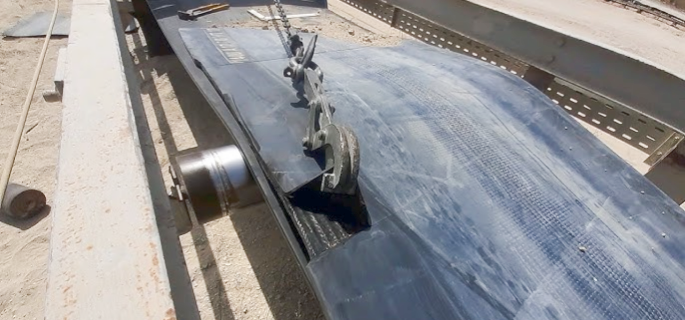
Conveyor Belt Testing Abrasion and Elongation

Abrasion Resistant Conveyor Belt Selection for Aggregate, Ore, and Recycling Lines

abrasion resistant conveyor belt buyer brief

Buyer brief. A abrasion resistant conveyor belt should be selected around the material, conveyor geometry, operating risk, and replacement plan. The right belt is not only the one with the correct name; it is the belt that keeps its cover, carcass, edges, and splice area stable under crushed stone, ore, sand, gravel, slag, recycling, and cement raw material handling.

Gram Conveyor’s real product range gives buyers several practical routes: rubber conveyor belt, Mining Conveyor Belt, EP rubber belt, NN rubber belt. These product pages matter because industrial belt purchasing usually fails when a quotation is separated from the conveyor’s load, temperature, abrasion, fire risk, cleaning method, and pulley size.

For this application, the most important purchasing theme is cover wear, lump sharpness, loading height, belt cleaning, and top cover thickness. A useful specification should include the belt family, width, length, carcass, cover grade, top and bottom cover thickness, edge condition, roll length, packing method, and inspection photos before shipment.

abrasion resistant conveyor belt specification details buyers should confirm

Start with the old belt if the order is a replacement. Photograph the belt label, edge, splice, top cover, bottom cover, and the failure area. If the old marking is missing, measure the belt width and thickness, check the conveyor center distance, identify the take-up type, and note the carried material. For Gram Conveyor belt discussions, useful model references include EP400/3, EP800/4, NN100, Heavy Duty Conveyor Belt.

a belt can have enough tensile strength and still fail early if the top cover is not chosen for abrasion. This is why buyers should not approve a belt only from a unit price. The quotation should name the product family and cover duty, then state whether the carcass is EP, NN, nylon, polyester, multi-ply fabric, or steel cord. For hot, fire-risk, chemical, oily, or tearing applications, the cover compound and inspection records become part of the purchase decision.

abrasion resistant conveyor belt width, cover, and carcass checklist

  • Confirm belt width, roll length, top cover, bottom cover, edge type, and total thickness.
  • State the carried material, lump size, temperature, moisture, oil or chemical exposure, and cleaning method.
  • Match carcass choice to pulley diameter, take-up travel, belt speed, splice method, and expected tension.
  • Ask for roll label information, packing photos, and inspection photos before shipment.
  • Keep one spare roll ready when shutdown cost is higher than the price difference between belt grades.

Application fit for crushed stone, ore, sand, gravel, slag, recycling, and cement raw material handling

A buyer using this belt in crushed stone, ore, sand, gravel, slag, recycling, and cement raw material handling should separate normal running load from the worst part of the conveyor. Loading zones, skirtboards, transition areas, belt cleaners, return rollers, and storage conditions can create more damage than the straight carrying section. A belt that looks correct on paper can fail early if the drop height, cleaner pressure, or pulley diameter is ignored.

abrasion resistant conveyor belt product option for crushed stone, ore, sand, gravel, slag, recycling, and cement raw material handling
abrasion resistant conveyor belt product option for industrial belt selection

When abrasion resistant conveyor belt is the right choice

It is the right choice when the application risk named in the keyword is real and recurring. In that case, paying attention to the cover compound, carcass, roll marking, and packing protects service life. For many buyers, the best value comes from using a standard Gram product family such as rubber conveyor belt, Mining Conveyor Belt, EP rubber belt and then tuning the specification around the actual conveyor.

When another conveyor belt type may be safer

Some sites need a different belt family even when the keyword sounds close. Long high-tension routes may move toward Steel Cord Conveyor Belt; coal or enclosed fire-risk handling may require FR rubber belt; hot clinker may require HR rubber belt; and impact zones may need both a heavier belt and Impact Load Zone Belt Support. The buyer should decide by material behavior and conveyor geometry, not by a broad product label.

Product options for abrasion resistant conveyor belt orders

rubber conveyor belt in abrasion resistant conveyor belt projects

Rubber conveyor belt is the main option for bulk materials because the cover compound can be matched to abrasion, heat, fire risk, oil, chemical exposure, impact, and outdoor storage. Buyers should specify top cover, bottom cover, edge type, and carcass before comparing offers.

For crushed stone, ore, sand, gravel, slag, recycling, and cement raw material handling, this product path helps the buyer define the belt by structure and duty. The practical order details are width, roll length, top and bottom cover, carcass type, operating temperature, material shape, pulley size, and packing. Gram Conveyor’s rubber conveyor belt page gives the purchasing team a product reference that can be linked directly from the specification file.

Mining Conveyor Belt in abrasion resistant conveyor belt projects

Mining Conveyor Belt is the product path for ore, coal, overburden, tunnel muck, and other high-risk bulk handling. The selection normally combines cover grade, carcass strength, loading impact, fire-risk duty, and spare roll planning.

For crushed stone, ore, sand, gravel, slag, recycling, and cement raw material handling, this product path helps the buyer define the belt by structure and duty. The practical order details are width, roll length, top and bottom cover, carcass type, operating temperature, material shape, pulley size, and packing. Gram Conveyor’s Mining Conveyor Belt page gives the purchasing team a product reference that can be linked directly from the specification file.

EP rubber belt in abrasion resistant conveyor belt projects

EP rubber belt uses polyester in the warp direction and nylon in the weft direction, giving stable strength and controlled elongation for many plant conveyors. EP400/3 and EP800/4 are useful specification references for replacement planning.

For crushed stone, ore, sand, gravel, slag, recycling, and cement raw material handling, this product path helps the buyer define the belt by structure and duty. The practical order details are width, roll length, top and bottom cover, carcass type, operating temperature, material shape, pulley size, and packing. Gram Conveyor’s EP rubber belt page gives the purchasing team a product reference that can be linked directly from the specification file.

NN rubber belt uses nylon fabric in both warp and weft directions. It can be useful where flexibility and impact behavior matter, but it should be compared with EP when take-up travel and long-term stretch are important.

For crushed stone, ore, sand, gravel, slag, recycling, and cement raw material handling, this product path helps the buyer define the belt by structure and duty. The practical order details are width, roll length, top and bottom cover, carcass type, operating temperature, material shape, pulley size, and packing. Gram Conveyor’s NN rubber belt page gives the purchasing team a product reference that can be linked directly from the specification file.

Product option Where it fits What to verify before buying
rubber conveyor belt General bulk materials where cover compound protects the belt from abrasion, heat, moisture, or impact. Check width, cover grade, carcass, pulley fit, roll length, label, packing, and inspection photos.
Mining Conveyor Belt Ore, coal, overburden, sharp lumps, long running hours, and mine-site spare stock. Check width, cover grade, carcass, pulley fit, roll length, label, packing, and inspection photos.
EP rubber belt Stable strength, controlled elongation, common plant replacement, and practical splicing. Check width, cover grade, carcass, pulley fit, roll length, label, packing, and inspection photos.
NN rubber belt Flexible fabric behavior, impact awareness, and conveyor layouts where nylon carcass is preferred. Check width, cover grade, carcass, pulley fit, roll length, label, packing, and inspection photos.

Inspection, packing, and supply control for abrasion resistant conveyor belt

Quality control should be visible before the roll leaves the supplier. For Gram Conveyor orders, buyers can ask for surface photos, edge photos, label photos, width confirmation, thickness confirmation, and packing photos. The inspection should match the risk of the belt: heat aging for HR duty, fire-risk documentation for FR duty, cover consistency for abrasion duty, carcass condition for EP or NN belts, and cord-related checks for steel cord belts.

abrasion resistant conveyor belt inspection and packing details
abrasion resistant conveyor belt inspection and packing details before shipment

Roll packing details that protect the order

Export and wholesale orders should use strong cores, waterproof wrapping, edge protection, readable labels, and roll direction marks. The label should connect the roll to the purchase order and the specification. This is especially important for repeat buyers who stock several widths or several belt families in one warehouse.

Supply planning is part of the product choice. Standard widths and repeat constructions are easier to reorder, easier to stock, and easier to install during a shutdown. Special cover compounds or steel cord constructions may need more lead time, so buyers should separate emergency spare rolls from project-specific rolls.

FAQ about abrasion resistant conveyor belt sourcing

Which Gram product page should buyers review first?

Start with rubber conveyor belt. Then compare Mining Conveyor Belt, EP rubber belt, NN rubber belt if the application requires a different carcass, cover compound, or duty level.

What specifications affect price and service life most?

The biggest factors are belt width, roll length, carcass, ply or tensile rating, cover thickness, compound grade, edge type, splice allowance, packing, and inspection requirements. The price is only useful when every supplier is quoting the same duty.

What should be checked when receiving the belt?

Check the roll label, packing condition, edge condition, surface appearance, width, and any supplied inspection photos or documents. Store the roll away from standing water, oil, direct sunlight, sharp objects, and unnecessary deformation before installation.

Product navigation for abrasion resistant conveyor belt buyers

Use the links below to move from the buying guide to the relevant Gram Conveyor product range. These links point to already published product or technical pages and help purchasing teams keep the article connected to the real product line.

View Product Range View Mining Conveyor Belt View EP rubber belt

Related reading: High-Temperature And Heat Resistant Conveyor Belt | What is Conveyor Belt Ply and Conveyor Belt Ply Adhesion | How a Multi Ply Conveyor Belt Enhances Efficiency

The best purchase is the belt that fits the conveyor before it reaches the site. For abrasion resistant conveyor belt, that means naming the right Gram product family, confirming the duty, and keeping enough inspection and packing detail to make the next replacement easier than the last one.

Procurement notes for repeat abrasion resistant conveyor belt orders

For repeat supply, buyers should keep one internal belt file per conveyor. The file should include the old belt label, conveyor width, pulley diameter, take-up travel, carried material, operating temperature, cleaner type, skirtboard condition, and the last failure mode. This keeps the next order focused on the conveyor instead of starting from a blank quotation request.

When several lines use similar widths, Gram Conveyor can help buyers compare whether one standard product family can cover multiple positions or whether separate HR, FR, EP, NN, mining, or steel cord belts should be stocked. That decision usually saves more money than cutting a few percent from the wrong belt specification.

Procurement notes for repeat abrasion resistant conveyor belt orders

For repeat supply, buyers should keep one internal belt file per conveyor. The file should include the old belt label, conveyor width, pulley diameter, take-up travel, carried material, operating temperature, cleaner type, skirtboard condition, and the last failure mode. This keeps the next order focused on the conveyor instead of starting from a blank quotation request.

When several lines use similar widths, Gram Conveyor can help buyers compare whether one standard product family can cover multiple positions or whether separate HR, FR, EP, NN, mining, or steel cord belts should be stocked. That decision usually saves more money than cutting a few percent from the wrong belt specification.
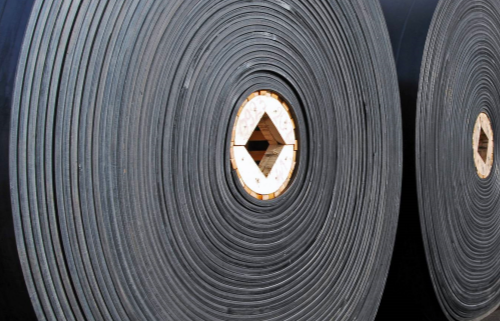
Rubber Conveyor Belt HS Code

Chemical Resistant Conveyor Belt Checks for Fertilizer, Processing, and Corrosive Duty

chemical resistant conveyor belt buyer brief

Buyer brief. A chemical resistant conveyor belt should be selected around the material, conveyor geometry, operating risk, and replacement plan. The right belt is not only the one with the correct name; it is the belt that keeps its cover, carcass, edges, and splice area stable under fertilizer, mineral processing, chemical powders, treated materials, and wet industrial transfer.

Gram Conveyor’s real product range gives buyers several practical routes: rubber conveyor belt, Fabric Conveyor Belt, EP rubber belt, NN rubber belt. These product pages matter because industrial belt purchasing usually fails when a quotation is separated from the conveyor’s load, temperature, abrasion, fire risk, cleaning method, and pulley size.

For this application, the most important purchasing theme is compound compatibility, edge sealing, cleaning chemicals, moisture, and material retention time. A useful specification should include the belt family, width, length, carcass, cover grade, top and bottom cover thickness, edge condition, roll length, packing method, and inspection photos before shipment.

Product options for chemical resistant conveyor belt orders

rubber conveyor belt in chemical resistant conveyor belt projects

Rubber conveyor belt is the main option for bulk materials because the cover compound can be matched to abrasion, heat, fire risk, oil, chemical exposure, impact, and outdoor storage. Buyers should specify top cover, bottom cover, edge type, and carcass before comparing offers.

For fertilizer, mineral processing, chemical powders, treated materials, and wet industrial transfer, this product path helps the buyer define the belt by structure and duty. The practical order details are width, roll length, top and bottom cover, carcass type, operating temperature, material shape, pulley size, and packing. Gram Conveyor’s rubber conveyor belt page gives the purchasing team a product reference that can be linked directly from the specification file.

Fabric Conveyor Belt in chemical resistant conveyor belt projects

Fabric Conveyor Belt covers EP, NN, nylon, polyester, and multi-ply constructions. It is often the practical replacement choice for medium and heavy-duty plant conveyors because it balances strength, flexibility, splice work, and cost.

For fertilizer, mineral processing, chemical powders, treated materials, and wet industrial transfer, this product path helps the buyer define the belt by structure and duty. The practical order details are width, roll length, top and bottom cover, carcass type, operating temperature, material shape, pulley size, and packing. Gram Conveyor’s Fabric Conveyor Belt page gives the purchasing team a product reference that can be linked directly from the specification file.

EP rubber belt in chemical resistant conveyor belt projects

EP rubber belt uses polyester in the warp direction and nylon in the weft direction, giving stable strength and controlled elongation for many plant conveyors. EP400/3 and EP800/4 are useful specification references for replacement planning.

For fertilizer, mineral processing, chemical powders, treated materials, and wet industrial transfer, this product path helps the buyer define the belt by structure and duty. The practical order details are width, roll length, top and bottom cover, carcass type, operating temperature, material shape, pulley size, and packing. Gram Conveyor’s EP rubber belt page gives the purchasing team a product reference that can be linked directly from the specification file.

NN rubber belt uses nylon fabric in both warp and weft directions. It can be useful where flexibility and impact behavior matter, but it should be compared with EP when take-up travel and long-term stretch are important.

For fertilizer, mineral processing, chemical powders, treated materials, and wet industrial transfer, this product path helps the buyer define the belt by structure and duty. The practical order details are width, roll length, top and bottom cover, carcass type, operating temperature, material shape, pulley size, and packing. Gram Conveyor’s NN rubber belt page gives the purchasing team a product reference that can be linked directly from the specification file.

The broad Conveyor Belt range is the starting point when a buyer is still comparing rubber, fabric, steel cord, mining, heat-resistant, and fire-risk belt families. It keeps the discussion tied to real conveyor duty instead of a loose material name.

For fertilizer, mineral processing, chemical powders, treated materials, and wet industrial transfer, this product path helps the buyer define the belt by structure and duty. The practical order details are width, roll length, top and bottom cover, carcass type, operating temperature, material shape, pulley size, and packing. Gram Conveyor’s Conveyor Belt page gives the purchasing team a product reference that can be linked directly from the specification file.

Product option Where it fits What to verify before buying
rubber conveyor belt General bulk materials where cover compound protects the belt from abrasion, heat, moisture, or impact. Check width, cover grade, carcass, pulley fit, roll length, label, packing, and inspection photos.
Fabric Conveyor Belt Medium and heavy-duty replacement where EP, NN, nylon, polyester, or multi-ply carcass selection matters. Check width, cover grade, carcass, pulley fit, roll length, label, packing, and inspection photos.
EP rubber belt Stable strength, controlled elongation, common plant replacement, and practical splicing. Check width, cover grade, carcass, pulley fit, roll length, label, packing, and inspection photos.
NN rubber belt Flexible fabric behavior, impact awareness, and conveyor layouts where nylon carcass is preferred. Check width, cover grade, carcass, pulley fit, roll length, label, packing, and inspection photos.
Conveyor Belt Early-stage comparison when the buyer needs to map the whole conveyor belt range. Check width, cover grade, carcass, pulley fit, roll length, label, packing, and inspection photos.

chemical resistant conveyor belt specification details buyers should confirm

Start with the old belt if the order is a replacement. Photograph the belt label, edge, splice, top cover, bottom cover, and the failure area. If the old marking is missing, measure the belt width and thickness, check the conveyor center distance, identify the take-up type, and note the carried material. For Gram Conveyor belt discussions, useful model references include EP rubber belt, NN rubber belt, EP400/3, NN100.

chemical duty should be specified with the actual material and cleaning exposure rather than a broad label. This is why buyers should not approve a belt only from a unit price. The quotation should name the product family and cover duty, then state whether the carcass is EP, NN, nylon, polyester, multi-ply fabric, or steel cord. For hot, fire-risk, chemical, oily, or tearing applications, the cover compound and inspection records become part of the purchase decision.

chemical resistant conveyor belt width, cover, and carcass checklist

  • Confirm belt width, roll length, top cover, bottom cover, edge type, and total thickness.
  • State the carried material, lump size, temperature, moisture, oil or chemical exposure, and cleaning method.
  • Match carcass choice to pulley diameter, take-up travel, belt speed, splice method, and expected tension.
  • Ask for roll label information, packing photos, and inspection photos before shipment.
  • Keep one spare roll ready when shutdown cost is higher than the price difference between belt grades.

Inspection, packing, and supply control for chemical resistant conveyor belt

Quality control should be visible before the roll leaves the supplier. For Gram Conveyor orders, buyers can ask for surface photos, edge photos, label photos, width confirmation, thickness confirmation, and packing photos. The inspection should match the risk of the belt: heat aging for HR duty, fire-risk documentation for FR duty, cover consistency for abrasion duty, carcass condition for EP or NN belts, and cord-related checks for steel cord belts.

chemical resistant conveyor belt inspection and packing details
chemical resistant conveyor belt inspection and packing details before shipment

Roll packing details that protect the order

Export and wholesale orders should use strong cores, waterproof wrapping, edge protection, readable labels, and roll direction marks. The label should connect the roll to the purchase order and the specification. This is especially important for repeat buyers who stock several widths or several belt families in one warehouse.

Supply planning is part of the product choice. Standard widths and repeat constructions are easier to reorder, easier to stock, and easier to install during a shutdown. Special cover compounds or steel cord constructions may need more lead time, so buyers should separate emergency spare rolls from project-specific rolls.

Application fit for fertilizer, mineral processing, chemical powders, treated materials, and wet industrial transfer

A buyer using this belt in fertilizer, mineral processing, chemical powders, treated materials, and wet industrial transfer should separate normal running load from the worst part of the conveyor. Loading zones, skirtboards, transition areas, belt cleaners, return rollers, and storage conditions can create more damage than the straight carrying section. A belt that looks correct on paper can fail early if the drop height, cleaner pressure, or pulley diameter is ignored.

chemical resistant conveyor belt product option for fertilizer, mineral processing, chemical powders, treated materials, and wet industrial transfer
chemical resistant conveyor belt product option for industrial belt selection

When chemical resistant conveyor belt is the right choice

It is the right choice when the application risk named in the keyword is real and recurring. In that case, paying attention to the cover compound, carcass, roll marking, and packing protects service life. For many buyers, the best value comes from using a standard Gram product family such as rubber conveyor belt, Fabric Conveyor Belt, EP rubber belt and then tuning the specification around the actual conveyor.

When another conveyor belt type may be safer

Some sites need a different belt family even when the keyword sounds close. Long high-tension routes may move toward Steel Cord Conveyor Belt; coal or enclosed fire-risk handling may require FR rubber belt; hot clinker may require HR rubber belt; and impact zones may need both a heavier belt and Impact Load Zone Belt Support. The buyer should decide by material behavior and conveyor geometry, not by a broad product label.

FAQ about chemical resistant conveyor belt sourcing

Which Gram product page should buyers review first?

Start with rubber conveyor belt. Then compare Fabric Conveyor Belt, EP rubber belt, NN rubber belt if the application requires a different carcass, cover compound, or duty level.

What specifications affect price and service life most?

The biggest factors are belt width, roll length, carcass, ply or tensile rating, cover thickness, compound grade, edge type, splice allowance, packing, and inspection requirements. The price is only useful when every supplier is quoting the same duty.

What should be checked when receiving the belt?

Check the roll label, packing condition, edge condition, surface appearance, width, and any supplied inspection photos or documents. Store the roll away from standing water, oil, direct sunlight, sharp objects, and unnecessary deformation before installation.

Product navigation for chemical resistant conveyor belt buyers

Use the links below to move from the buying guide to the relevant Gram Conveyor product range. These links point to already published product or technical pages and help purchasing teams keep the article connected to the real product line.

View Product Range View Fabric Conveyor Belt View EP rubber belt

Related reading: Detailed Guide on How to Measure a Conveyor Belt | Choosing the Right Heavy Duty Conveyor Belt | Rubber Conveyor Belt Weight Calculation Methods and Chart

The best purchase is the belt that fits the conveyor before it reaches the site. For chemical resistant conveyor belt, that means naming the right Gram product family, confirming the duty, and keeping enough inspection and packing detail to make the next replacement easier than the last one.

Procurement notes for repeat chemical resistant conveyor belt orders

For repeat supply, buyers should keep one internal belt file per conveyor. The file should include the old belt label, conveyor width, pulley diameter, take-up travel, carried material, operating temperature, cleaner type, skirtboard condition, and the last failure mode. This keeps the next order focused on the conveyor instead of starting from a blank quotation request.

When several lines use similar widths, Gram Conveyor can help buyers compare whether one standard product family can cover multiple positions or whether separate HR, FR, EP, NN, mining, or steel cord belts should be stocked. That decision usually saves more money than cutting a few percent from the wrong belt specification.

Rubber Conveyor Belt HS Code

Cold Resistant Conveyor Belt Planning for Outdoor, Winter, and High-Latitude Sites

cold resistant conveyor belt buyer brief

Buyer brief. A cold resistant conveyor belt should be selected around the material, conveyor geometry, operating risk, and replacement plan. The right belt is not only the one with the correct name; it is the belt that keeps its cover, carcass, edges, and splice area stable under winter stockyards, ports, open-pit mines, aggregate plants, and outdoor transfer conveyors.

Gram Conveyor’s real product range gives buyers several practical routes: rubber conveyor belt, Fabric Conveyor Belt, EP rubber belt, NN rubber belt. These product pages matter because industrial belt purchasing usually fails when a quotation is separated from the conveyor’s load, temperature, abrasion, fire risk, cleaning method, and pulley size.

For this application, the most important purchasing theme is low-temperature flexibility, pulley fit, storage practice, cover cracking, and safe installation windows. A useful specification should include the belt family, width, length, carcass, cover grade, top and bottom cover thickness, edge condition, roll length, packing method, and inspection photos before shipment.

cold resistant conveyor belt specification details buyers should confirm

Start with the old belt if the order is a replacement. Photograph the belt label, edge, splice, top cover, bottom cover, and the failure area. If the old marking is missing, measure the belt width and thickness, check the conveyor center distance, identify the take-up type, and note the carried material. For Gram Conveyor belt discussions, useful model references include EP400/3, NN100, EP rubber belt, NN rubber belt.

a standard belt may become too stiff in cold service, especially around small pulleys and starting conditions. This is why buyers should not approve a belt only from a unit price. The quotation should name the product family and cover duty, then state whether the carcass is EP, NN, nylon, polyester, multi-ply fabric, or steel cord. For hot, fire-risk, chemical, oily, or tearing applications, the cover compound and inspection records become part of the purchase decision.

cold resistant conveyor belt width, cover, and carcass checklist

  • Confirm belt width, roll length, top cover, bottom cover, edge type, and total thickness.
  • State the carried material, lump size, temperature, moisture, oil or chemical exposure, and cleaning method.
  • Match carcass choice to pulley diameter, take-up travel, belt speed, splice method, and expected tension.
  • Ask for roll label information, packing photos, and inspection photos before shipment.
  • Keep one spare roll ready when shutdown cost is higher than the price difference between belt grades.

Product options for cold resistant conveyor belt orders

rubber conveyor belt in cold resistant conveyor belt projects

Rubber conveyor belt is the main option for bulk materials because the cover compound can be matched to abrasion, heat, fire risk, oil, chemical exposure, impact, and outdoor storage. Buyers should specify top cover, bottom cover, edge type, and carcass before comparing offers.

For winter stockyards, ports, open-pit mines, aggregate plants, and outdoor transfer conveyors, this product path helps the buyer define the belt by structure and duty. The practical order details are width, roll length, top and bottom cover, carcass type, operating temperature, material shape, pulley size, and packing. Gram Conveyor’s rubber conveyor belt page gives the purchasing team a product reference that can be linked directly from the specification file.

Fabric Conveyor Belt in cold resistant conveyor belt projects

Fabric Conveyor Belt covers EP, NN, nylon, polyester, and multi-ply constructions. It is often the practical replacement choice for medium and heavy-duty plant conveyors because it balances strength, flexibility, splice work, and cost.

For winter stockyards, ports, open-pit mines, aggregate plants, and outdoor transfer conveyors, this product path helps the buyer define the belt by structure and duty. The practical order details are width, roll length, top and bottom cover, carcass type, operating temperature, material shape, pulley size, and packing. Gram Conveyor’s Fabric Conveyor Belt page gives the purchasing team a product reference that can be linked directly from the specification file.

EP rubber belt in cold resistant conveyor belt projects

EP rubber belt uses polyester in the warp direction and nylon in the weft direction, giving stable strength and controlled elongation for many plant conveyors. EP400/3 and EP800/4 are useful specification references for replacement planning.

For winter stockyards, ports, open-pit mines, aggregate plants, and outdoor transfer conveyors, this product path helps the buyer define the belt by structure and duty. The practical order details are width, roll length, top and bottom cover, carcass type, operating temperature, material shape, pulley size, and packing. Gram Conveyor’s EP rubber belt page gives the purchasing team a product reference that can be linked directly from the specification file.

NN rubber belt uses nylon fabric in both warp and weft directions. It can be useful where flexibility and impact behavior matter, but it should be compared with EP when take-up travel and long-term stretch are important.

For winter stockyards, ports, open-pit mines, aggregate plants, and outdoor transfer conveyors, this product path helps the buyer define the belt by structure and duty. The practical order details are width, roll length, top and bottom cover, carcass type, operating temperature, material shape, pulley size, and packing. Gram Conveyor’s NN rubber belt page gives the purchasing team a product reference that can be linked directly from the specification file.

The broad Conveyor Belt range is the starting point when a buyer is still comparing rubber, fabric, steel cord, mining, heat-resistant, and fire-risk belt families. It keeps the discussion tied to real conveyor duty instead of a loose material name.

For winter stockyards, ports, open-pit mines, aggregate plants, and outdoor transfer conveyors, this product path helps the buyer define the belt by structure and duty. The practical order details are width, roll length, top and bottom cover, carcass type, operating temperature, material shape, pulley size, and packing. Gram Conveyor’s Conveyor Belt page gives the purchasing team a product reference that can be linked directly from the specification file.

Product option Where it fits What to verify before buying
rubber conveyor belt General bulk materials where cover compound protects the belt from abrasion, heat, moisture, or impact. Check width, cover grade, carcass, pulley fit, roll length, label, packing, and inspection photos.
Fabric Conveyor Belt Medium and heavy-duty replacement where EP, NN, nylon, polyester, or multi-ply carcass selection matters. Check width, cover grade, carcass, pulley fit, roll length, label, packing, and inspection photos.
EP rubber belt Stable strength, controlled elongation, common plant replacement, and practical splicing. Check width, cover grade, carcass, pulley fit, roll length, label, packing, and inspection photos.
NN rubber belt Flexible fabric behavior, impact awareness, and conveyor layouts where nylon carcass is preferred. Check width, cover grade, carcass, pulley fit, roll length, label, packing, and inspection photos.
Conveyor Belt Early-stage comparison when the buyer needs to map the whole conveyor belt range. Check width, cover grade, carcass, pulley fit, roll length, label, packing, and inspection photos.

Inspection, packing, and supply control for cold resistant conveyor belt

Quality control should be visible before the roll leaves the supplier. For Gram Conveyor orders, buyers can ask for surface photos, edge photos, label photos, width confirmation, thickness confirmation, and packing photos. The inspection should match the risk of the belt: heat aging for HR duty, fire-risk documentation for FR duty, cover consistency for abrasion duty, carcass condition for EP or NN belts, and cord-related checks for steel cord belts.

cold resistant conveyor belt inspection and packing details
cold resistant conveyor belt inspection and packing details before shipment

Roll packing details that protect the order

Export and wholesale orders should use strong cores, waterproof wrapping, edge protection, readable labels, and roll direction marks. The label should connect the roll to the purchase order and the specification. This is especially important for repeat buyers who stock several widths or several belt families in one warehouse.

Supply planning is part of the product choice. Standard widths and repeat constructions are easier to reorder, easier to stock, and easier to install during a shutdown. Special cover compounds or steel cord constructions may need more lead time, so buyers should separate emergency spare rolls from project-specific rolls.

Application fit for winter stockyards, ports, open-pit mines, aggregate plants, and outdoor transfer conveyors

A buyer using this belt in winter stockyards, ports, open-pit mines, aggregate plants, and outdoor transfer conveyors should separate normal running load from the worst part of the conveyor. Loading zones, skirtboards, transition areas, belt cleaners, return rollers, and storage conditions can create more damage than the straight carrying section. A belt that looks correct on paper can fail early if the drop height, cleaner pressure, or pulley diameter is ignored.

cold resistant conveyor belt product option for winter stockyards, ports, open-pit mines, aggregate plants, and outdoor transfer conveyors
cold resistant conveyor belt product option for industrial belt selection

When cold resistant conveyor belt is the right choice

It is the right choice when the application risk named in the keyword is real and recurring. In that case, paying attention to the cover compound, carcass, roll marking, and packing protects service life. For many buyers, the best value comes from using a standard Gram product family such as rubber conveyor belt, Fabric Conveyor Belt, EP rubber belt and then tuning the specification around the actual conveyor.

When another conveyor belt type may be safer

Some sites need a different belt family even when the keyword sounds close. Long high-tension routes may move toward Steel Cord Conveyor Belt; coal or enclosed fire-risk handling may require FR rubber belt; hot clinker may require HR rubber belt; and impact zones may need both a heavier belt and Impact Load Zone Belt Support. The buyer should decide by material behavior and conveyor geometry, not by a broad product label.

FAQ about cold resistant conveyor belt sourcing

Which Gram product page should buyers review first?

Start with rubber conveyor belt. Then compare Fabric Conveyor Belt, EP rubber belt, NN rubber belt if the application requires a different carcass, cover compound, or duty level.

What specifications affect price and service life most?

The biggest factors are belt width, roll length, carcass, ply or tensile rating, cover thickness, compound grade, edge type, splice allowance, packing, and inspection requirements. The price is only useful when every supplier is quoting the same duty.

What should be checked when receiving the belt?

Check the roll label, packing condition, edge condition, surface appearance, width, and any supplied inspection photos or documents. Store the roll away from standing water, oil, direct sunlight, sharp objects, and unnecessary deformation before installation.

Product navigation for cold resistant conveyor belt buyers

Use the links below to move from the buying guide to the relevant Gram Conveyor product range. These links point to already published product or technical pages and help purchasing teams keep the article connected to the real product line.

View Product Range View Fabric Conveyor Belt View EP rubber belt

Related reading: How a Multi Ply Conveyor Belt Enhances Efficiency | Detailed Guide on How to Measure a Conveyor Belt | Choosing the Right Heavy Duty Conveyor Belt

The best purchase is the belt that fits the conveyor before it reaches the site. For cold resistant conveyor belt, that means naming the right Gram product family, confirming the duty, and keeping enough inspection and packing detail to make the next replacement easier than the last one.

Procurement notes for repeat cold resistant conveyor belt orders

For repeat supply, buyers should keep one internal belt file per conveyor. The file should include the old belt label, conveyor width, pulley diameter, take-up travel, carried material, operating temperature, cleaner type, skirtboard condition, and the last failure mode. This keeps the next order focused on the conveyor instead of starting from a blank quotation request.

When several lines use similar widths, Gram Conveyor can help buyers compare whether one standard product family can cover multiple positions or whether separate HR, FR, EP, NN, mining, or steel cord belts should be stocked. That decision usually saves more money than cutting a few percent from the wrong belt specification.

Conveyor Belt Wear Strips and Maintenance for Prolonged Durability

Wear Resistant Belt Buying Guide for Quarry, Cement, and Bulk Handling Plants

wear resistant belt buyer brief

Buyer brief. A wear resistant belt should be selected around the material, conveyor geometry, operating risk, and replacement plan. The right belt is not only the one with the correct name; it is the belt that keeps its cover, carcass, edges, and splice area stable under quarry transfer, cement raw materials, aggregate stockpiles, recycling, and general bulk handling.

Gram Conveyor’s real product range gives buyers several practical routes: rubber conveyor belt, EP rubber belt, NN rubber belt, Fabric Conveyor Belt. These product pages matter because industrial belt purchasing usually fails when a quotation is separated from the conveyor’s load, temperature, abrasion, fire risk, cleaning method, and pulley size.

For this application, the most important purchasing theme is surface wear, belt cleaner pressure, chute loading, cover thickness, and spare roll planning. A useful specification should include the belt family, width, length, carcass, cover grade, top and bottom cover thickness, edge condition, roll length, packing method, and inspection photos before shipment.

Product options for wear resistant belt orders

rubber conveyor belt in wear resistant belt projects

Rubber conveyor belt is the main option for bulk materials because the cover compound can be matched to abrasion, heat, fire risk, oil, chemical exposure, impact, and outdoor storage. Buyers should specify top cover, bottom cover, edge type, and carcass before comparing offers.

For quarry transfer, cement raw materials, aggregate stockpiles, recycling, and general bulk handling, this product path helps the buyer define the belt by structure and duty. The practical order details are width, roll length, top and bottom cover, carcass type, operating temperature, material shape, pulley size, and packing. Gram Conveyor’s rubber conveyor belt page gives the purchasing team a product reference that can be linked directly from the specification file.

EP rubber belt in wear resistant belt projects

EP rubber belt uses polyester in the warp direction and nylon in the weft direction, giving stable strength and controlled elongation for many plant conveyors. EP400/3 and EP800/4 are useful specification references for replacement planning.

For quarry transfer, cement raw materials, aggregate stockpiles, recycling, and general bulk handling, this product path helps the buyer define the belt by structure and duty. The practical order details are width, roll length, top and bottom cover, carcass type, operating temperature, material shape, pulley size, and packing. Gram Conveyor’s EP rubber belt page gives the purchasing team a product reference that can be linked directly from the specification file.

NN rubber belt in wear resistant belt projects

NN rubber belt uses nylon fabric in both warp and weft directions. It can be useful where flexibility and impact behavior matter, but it should be compared with EP when take-up travel and long-term stretch are important.

For quarry transfer, cement raw materials, aggregate stockpiles, recycling, and general bulk handling, this product path helps the buyer define the belt by structure and duty. The practical order details are width, roll length, top and bottom cover, carcass type, operating temperature, material shape, pulley size, and packing. Gram Conveyor’s NN rubber belt page gives the purchasing team a product reference that can be linked directly from the specification file.

Fabric Conveyor Belt covers EP, NN, nylon, polyester, and multi-ply constructions. It is often the practical replacement choice for medium and heavy-duty plant conveyors because it balances strength, flexibility, splice work, and cost.

For quarry transfer, cement raw materials, aggregate stockpiles, recycling, and general bulk handling, this product path helps the buyer define the belt by structure and duty. The practical order details are width, roll length, top and bottom cover, carcass type, operating temperature, material shape, pulley size, and packing. Gram Conveyor’s Fabric Conveyor Belt page gives the purchasing team a product reference that can be linked directly from the specification file.

Impact Load Zone Belt Support protects the belt where heavy lumps fall onto the conveyor. For anti-tear and impact-resistant belt projects, the support system can be as important as the belt construction itself.

For quarry transfer, cement raw materials, aggregate stockpiles, recycling, and general bulk handling, this product path helps the buyer define the belt by structure and duty. The practical order details are width, roll length, top and bottom cover, carcass type, operating temperature, material shape, pulley size, and packing. Gram Conveyor’s Impact Load Zone Belt Support page gives the purchasing team a product reference that can be linked directly from the specification file.

Product option Where it fits What to verify before buying
rubber conveyor belt General bulk materials where cover compound protects the belt from abrasion, heat, moisture, or impact. Check width, cover grade, carcass, pulley fit, roll length, label, packing, and inspection photos.
EP rubber belt Stable strength, controlled elongation, common plant replacement, and practical splicing. Check width, cover grade, carcass, pulley fit, roll length, label, packing, and inspection photos.
NN rubber belt Flexible fabric behavior, impact awareness, and conveyor layouts where nylon carcass is preferred. Check width, cover grade, carcass, pulley fit, roll length, label, packing, and inspection photos.
Fabric Conveyor Belt Medium and heavy-duty replacement where EP, NN, nylon, polyester, or multi-ply carcass selection matters. Check width, cover grade, carcass, pulley fit, roll length, label, packing, and inspection photos.
Impact Load Zone Belt Support Loading zones where drop height and lump impact can damage the belt. Check width, cover grade, carcass, pulley fit, roll length, label, packing, and inspection photos.

Application fit for quarry transfer, cement raw materials, aggregate stockpiles, recycling, and general bulk handling

A buyer using this belt in quarry transfer, cement raw materials, aggregate stockpiles, recycling, and general bulk handling should separate normal running load from the worst part of the conveyor. Loading zones, skirtboards, transition areas, belt cleaners, return rollers, and storage conditions can create more damage than the straight carrying section. A belt that looks correct on paper can fail early if the drop height, cleaner pressure, or pulley diameter is ignored.

wear resistant belt product option for quarry transfer, cement raw materials, aggregate stockpiles, recycling, and general bulk handling
wear resistant belt product option for industrial belt selection

When wear resistant belt is the right choice

It is the right choice when the application risk named in the keyword is real and recurring. In that case, paying attention to the cover compound, carcass, roll marking, and packing protects service life. For many buyers, the best value comes from using a standard Gram product family such as rubber conveyor belt, EP rubber belt, NN rubber belt and then tuning the specification around the actual conveyor.

When another conveyor belt type may be safer

Some sites need a different belt family even when the keyword sounds close. Long high-tension routes may move toward Steel Cord Conveyor Belt; coal or enclosed fire-risk handling may require FR rubber belt; hot clinker may require HR rubber belt; and impact zones may need both a heavier belt and Impact Load Zone Belt Support. The buyer should decide by material behavior and conveyor geometry, not by a broad product label.

wear resistant belt specification details buyers should confirm

Start with the old belt if the order is a replacement. Photograph the belt label, edge, splice, top cover, bottom cover, and the failure area. If the old marking is missing, measure the belt width and thickness, check the conveyor center distance, identify the take-up type, and note the carried material. For Gram Conveyor belt discussions, useful model references include EP rubber belt, NN rubber belt, EP800/4, NN100.

wear problems often start at loading and cleaning points, so belt selection should be matched with support and maintenance habits. This is why buyers should not approve a belt only from a unit price. The quotation should name the product family and cover duty, then state whether the carcass is EP, NN, nylon, polyester, multi-ply fabric, or steel cord. For hot, fire-risk, chemical, oily, or tearing applications, the cover compound and inspection records become part of the purchase decision.

wear resistant belt width, cover, and carcass checklist

  • Confirm belt width, roll length, top cover, bottom cover, edge type, and total thickness.
  • State the carried material, lump size, temperature, moisture, oil or chemical exposure, and cleaning method.
  • Match carcass choice to pulley diameter, take-up travel, belt speed, splice method, and expected tension.
  • Ask for roll label information, packing photos, and inspection photos before shipment.
  • Keep one spare roll ready when shutdown cost is higher than the price difference between belt grades.

Inspection, packing, and supply control for wear resistant belt

Quality control should be visible before the roll leaves the supplier. For Gram Conveyor orders, buyers can ask for surface photos, edge photos, label photos, width confirmation, thickness confirmation, and packing photos. The inspection should match the risk of the belt: heat aging for HR duty, fire-risk documentation for FR duty, cover consistency for abrasion duty, carcass condition for EP or NN belts, and cord-related checks for steel cord belts.

wear resistant belt inspection and packing details
wear resistant belt inspection and packing details before shipment

Roll packing details that protect the order

Export and wholesale orders should use strong cores, waterproof wrapping, edge protection, readable labels, and roll direction marks. The label should connect the roll to the purchase order and the specification. This is especially important for repeat buyers who stock several widths or several belt families in one warehouse.

Supply planning is part of the product choice. Standard widths and repeat constructions are easier to reorder, easier to stock, and easier to install during a shutdown. Special cover compounds or steel cord constructions may need more lead time, so buyers should separate emergency spare rolls from project-specific rolls.

FAQ about wear resistant belt sourcing

Which Gram product page should buyers review first?

Start with rubber conveyor belt. Then compare EP rubber belt, NN rubber belt, Fabric Conveyor Belt if the application requires a different carcass, cover compound, or duty level.

What specifications affect price and service life most?

The biggest factors are belt width, roll length, carcass, ply or tensile rating, cover thickness, compound grade, edge type, splice allowance, packing, and inspection requirements. The price is only useful when every supplier is quoting the same duty.

What should be checked when receiving the belt?

Check the roll label, packing condition, edge condition, surface appearance, width, and any supplied inspection photos or documents. Store the roll away from standing water, oil, direct sunlight, sharp objects, and unnecessary deformation before installation.

Product navigation for wear resistant belt buyers

Use the links below to move from the buying guide to the relevant Gram Conveyor product range. These links point to already published product or technical pages and help purchasing teams keep the article connected to the real product line.

View Product Range View EP rubber belt View NN rubber belt

Related reading: What is Conveyor Belt Ply and Conveyor Belt Ply Adhesion | How a Multi Ply Conveyor Belt Enhances Efficiency | Detailed Guide on How to Measure a Conveyor Belt

The best purchase is the belt that fits the conveyor before it reaches the site. For wear resistant belt, that means naming the right Gram product family, confirming the duty, and keeping enough inspection and packing detail to make the next replacement easier than the last one.

Procurement notes for repeat wear resistant belt orders

For repeat supply, buyers should keep one internal belt file per conveyor. The file should include the old belt label, conveyor width, pulley diameter, take-up travel, carried material, operating temperature, cleaner type, skirtboard condition, and the last failure mode. This keeps the next order focused on the conveyor instead of starting from a blank quotation request.

When several lines use similar widths, Gram Conveyor can help buyers compare whether one standard product family can cover multiple positions or whether separate HR, FR, EP, NN, mining, or steel cord belts should be stocked. That decision usually saves more money than cutting a few percent from the wrong belt specification.
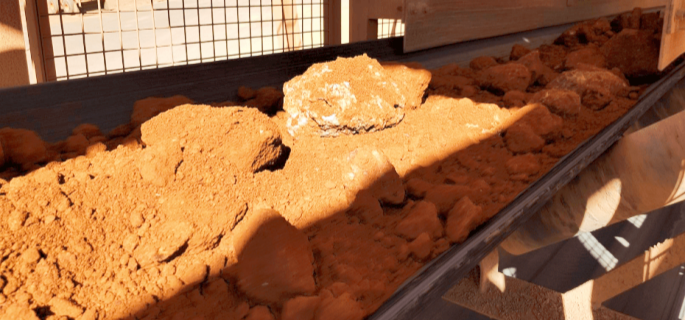
Rubber Conveyor Belt HS Code

Oil Resistant Conveyor Belt Decisions for Recycling, Fertilizer, and Oily Bulk Materials

oil resistant conveyor belt buyer brief

Buyer brief. A oil resistant conveyor belt should be selected around the material, conveyor geometry, operating risk, and replacement plan. The right belt is not only the one with the correct name; it is the belt that keeps its cover, carcass, edges, and splice area stable under recycling, fertilizer, wood chips, grain by-products, oily fines, and mixed industrial material transfer.

Gram Conveyor’s real product range gives buyers several practical routes: rubber conveyor belt, Fabric Conveyor Belt, EP rubber belt, NN rubber belt. These product pages matter because industrial belt purchasing usually fails when a quotation is separated from the conveyor’s load, temperature, abrasion, fire risk, cleaning method, and pulley size.

For this application, the most important purchasing theme is oil swelling risk, cover grade, cleaning exposure, carcass flexibility, and replacement intervals. A useful specification should include the belt family, width, length, carcass, cover grade, top and bottom cover thickness, edge condition, roll length, packing method, and inspection photos before shipment.

Application fit for recycling, fertilizer, wood chips, grain by-products, oily fines, and mixed industrial material transfer

A buyer using this belt in recycling, fertilizer, wood chips, grain by-products, oily fines, and mixed industrial material transfer should separate normal running load from the worst part of the conveyor. Loading zones, skirtboards, transition areas, belt cleaners, return rollers, and storage conditions can create more damage than the straight carrying section. A belt that looks correct on paper can fail early if the drop height, cleaner pressure, or pulley diameter is ignored.

oil resistant conveyor belt product option for recycling, fertilizer, wood chips, grain by-products, oily fines, and mixed industrial material transfer
oil resistant conveyor belt product option for industrial belt selection

When oil resistant conveyor belt is the right choice

It is the right choice when the application risk named in the keyword is real and recurring. In that case, paying attention to the cover compound, carcass, roll marking, and packing protects service life. For many buyers, the best value comes from using a standard Gram product family such as rubber conveyor belt, Fabric Conveyor Belt, EP rubber belt and then tuning the specification around the actual conveyor.

When another conveyor belt type may be safer

Some sites need a different belt family even when the keyword sounds close. Long high-tension routes may move toward Steel Cord Conveyor Belt; coal or enclosed fire-risk handling may require FR rubber belt; hot clinker may require HR rubber belt; and impact zones may need both a heavier belt and Impact Load Zone Belt Support. The buyer should decide by material behavior and conveyor geometry, not by a broad product label.

Product options for oil resistant conveyor belt orders

rubber conveyor belt in oil resistant conveyor belt projects

Rubber conveyor belt is the main option for bulk materials because the cover compound can be matched to abrasion, heat, fire risk, oil, chemical exposure, impact, and outdoor storage. Buyers should specify top cover, bottom cover, edge type, and carcass before comparing offers.

For recycling, fertilizer, wood chips, grain by-products, oily fines, and mixed industrial material transfer, this product path helps the buyer define the belt by structure and duty. The practical order details are width, roll length, top and bottom cover, carcass type, operating temperature, material shape, pulley size, and packing. Gram Conveyor’s rubber conveyor belt page gives the purchasing team a product reference that can be linked directly from the specification file.

Fabric Conveyor Belt in oil resistant conveyor belt projects

Fabric Conveyor Belt covers EP, NN, nylon, polyester, and multi-ply constructions. It is often the practical replacement choice for medium and heavy-duty plant conveyors because it balances strength, flexibility, splice work, and cost.

For recycling, fertilizer, wood chips, grain by-products, oily fines, and mixed industrial material transfer, this product path helps the buyer define the belt by structure and duty. The practical order details are width, roll length, top and bottom cover, carcass type, operating temperature, material shape, pulley size, and packing. Gram Conveyor’s Fabric Conveyor Belt page gives the purchasing team a product reference that can be linked directly from the specification file.

EP rubber belt in oil resistant conveyor belt projects

EP rubber belt uses polyester in the warp direction and nylon in the weft direction, giving stable strength and controlled elongation for many plant conveyors. EP400/3 and EP800/4 are useful specification references for replacement planning.

For recycling, fertilizer, wood chips, grain by-products, oily fines, and mixed industrial material transfer, this product path helps the buyer define the belt by structure and duty. The practical order details are width, roll length, top and bottom cover, carcass type, operating temperature, material shape, pulley size, and packing. Gram Conveyor’s EP rubber belt page gives the purchasing team a product reference that can be linked directly from the specification file.

NN rubber belt uses nylon fabric in both warp and weft directions. It can be useful where flexibility and impact behavior matter, but it should be compared with EP when take-up travel and long-term stretch are important.

For recycling, fertilizer, wood chips, grain by-products, oily fines, and mixed industrial material transfer, this product path helps the buyer define the belt by structure and duty. The practical order details are width, roll length, top and bottom cover, carcass type, operating temperature, material shape, pulley size, and packing. Gram Conveyor’s NN rubber belt page gives the purchasing team a product reference that can be linked directly from the specification file.

The broad Conveyor Belt range is the starting point when a buyer is still comparing rubber, fabric, steel cord, mining, heat-resistant, and fire-risk belt families. It keeps the discussion tied to real conveyor duty instead of a loose material name.

For recycling, fertilizer, wood chips, grain by-products, oily fines, and mixed industrial material transfer, this product path helps the buyer define the belt by structure and duty. The practical order details are width, roll length, top and bottom cover, carcass type, operating temperature, material shape, pulley size, and packing. Gram Conveyor’s Conveyor Belt page gives the purchasing team a product reference that can be linked directly from the specification file.

Product option Where it fits What to verify before buying
rubber conveyor belt General bulk materials where cover compound protects the belt from abrasion, heat, moisture, or impact. Check width, cover grade, carcass, pulley fit, roll length, label, packing, and inspection photos.
Fabric Conveyor Belt Medium and heavy-duty replacement where EP, NN, nylon, polyester, or multi-ply carcass selection matters. Check width, cover grade, carcass, pulley fit, roll length, label, packing, and inspection photos.
EP rubber belt Stable strength, controlled elongation, common plant replacement, and practical splicing. Check width, cover grade, carcass, pulley fit, roll length, label, packing, and inspection photos.
NN rubber belt Flexible fabric behavior, impact awareness, and conveyor layouts where nylon carcass is preferred. Check width, cover grade, carcass, pulley fit, roll length, label, packing, and inspection photos.
Conveyor Belt Early-stage comparison when the buyer needs to map the whole conveyor belt range. Check width, cover grade, carcass, pulley fit, roll length, label, packing, and inspection photos.

oil resistant conveyor belt specification details buyers should confirm

Start with the old belt if the order is a replacement. Photograph the belt label, edge, splice, top cover, bottom cover, and the failure area. If the old marking is missing, measure the belt width and thickness, check the conveyor center distance, identify the take-up type, and note the carried material. For Gram Conveyor belt discussions, useful model references include EP rubber belt, NN rubber belt, EP400/3, NN100.

ordinary rubber can swell or soften when oil exposure is strong enough, so cover compound should be confirmed before ordering. This is why buyers should not approve a belt only from a unit price. The quotation should name the product family and cover duty, then state whether the carcass is EP, NN, nylon, polyester, multi-ply fabric, or steel cord. For hot, fire-risk, chemical, oily, or tearing applications, the cover compound and inspection records become part of the purchase decision.

oil resistant conveyor belt width, cover, and carcass checklist

  • Confirm belt width, roll length, top cover, bottom cover, edge type, and total thickness.
  • State the carried material, lump size, temperature, moisture, oil or chemical exposure, and cleaning method.
  • Match carcass choice to pulley diameter, take-up travel, belt speed, splice method, and expected tension.
  • Ask for roll label information, packing photos, and inspection photos before shipment.
  • Keep one spare roll ready when shutdown cost is higher than the price difference between belt grades.

FAQ about oil resistant conveyor belt sourcing

Which Gram product page should buyers review first?

Start with rubber conveyor belt. Then compare Fabric Conveyor Belt, EP rubber belt, NN rubber belt if the application requires a different carcass, cover compound, or duty level.

What specifications affect price and service life most?

The biggest factors are belt width, roll length, carcass, ply or tensile rating, cover thickness, compound grade, edge type, splice allowance, packing, and inspection requirements. The price is only useful when every supplier is quoting the same duty.

What should be checked when receiving the belt?

Check the roll label, packing condition, edge condition, surface appearance, width, and any supplied inspection photos or documents. Store the roll away from standing water, oil, direct sunlight, sharp objects, and unnecessary deformation before installation.

Inspection, packing, and supply control for oil resistant conveyor belt

Quality control should be visible before the roll leaves the supplier. For Gram Conveyor orders, buyers can ask for surface photos, edge photos, label photos, width confirmation, thickness confirmation, and packing photos. The inspection should match the risk of the belt: heat aging for HR duty, fire-risk documentation for FR duty, cover consistency for abrasion duty, carcass condition for EP or NN belts, and cord-related checks for steel cord belts.

oil resistant conveyor belt inspection and packing details
oil resistant conveyor belt inspection and packing details before shipment

Roll packing details that protect the order

Export and wholesale orders should use strong cores, waterproof wrapping, edge protection, readable labels, and roll direction marks. The label should connect the roll to the purchase order and the specification. This is especially important for repeat buyers who stock several widths or several belt families in one warehouse.

Supply planning is part of the product choice. Standard widths and repeat constructions are easier to reorder, easier to stock, and easier to install during a shutdown. Special cover compounds or steel cord constructions may need more lead time, so buyers should separate emergency spare rolls from project-specific rolls.

Product navigation for oil resistant conveyor belt buyers

Use the links below to move from the buying guide to the relevant Gram Conveyor product range. These links point to already published product or technical pages and help purchasing teams keep the article connected to the real product line.

View Product Range View Fabric Conveyor Belt View EP rubber belt

Related reading: Detailed Guide on How to Measure a Conveyor Belt | Choosing the Right Heavy Duty Conveyor Belt | Rubber Conveyor Belt Weight Calculation Methods and Chart

The best purchase is the belt that fits the conveyor before it reaches the site. For oil resistant conveyor belt, that means naming the right Gram product family, confirming the duty, and keeping enough inspection and packing detail to make the next replacement easier than the last one.

Procurement notes for repeat oil resistant conveyor belt orders

For repeat supply, buyers should keep one internal belt file per conveyor. The file should include the old belt label, conveyor width, pulley diameter, take-up travel, carried material, operating temperature, cleaner type, skirtboard condition, and the last failure mode. This keeps the next order focused on the conveyor instead of starting from a blank quotation request.

When several lines use similar widths, Gram Conveyor can help buyers compare whether one standard product family can cover multiple positions or whether separate HR, FR, EP, NN, mining, or steel cord belts should be stocked. That decision usually saves more money than cutting a few percent from the wrong belt specification.

Fire-Retardant and Fire-Resistant NN Rubber Belt

Fire Retardant Belt Options for Safer Coal and Industrial Conveying

fire retardant belt buyer brief

Buyer brief. A fire retardant belt should be selected around the material, conveyor geometry, operating risk, and replacement plan. The right belt is not only the one with the correct name; it is the belt that keeps its cover, carcass, edges, and splice area stable under coal yards, recycling lines, tunnel conveyors, enclosed galleries, and dusty material transfer.

Gram Conveyor’s real product range gives buyers several practical routes: FR rubber belt, rubber conveyor belt, Mining Conveyor Belt, EP rubber belt. These product pages matter because industrial belt purchasing usually fails when a quotation is separated from the conveyor’s load, temperature, abrasion, fire risk, cleaning method, and pulley size.

For this application, the most important purchasing theme is retardant rubber compound, consistent cover, fabric strength, and receiving inspection. A useful specification should include the belt family, width, length, carcass, cover grade, top and bottom cover thickness, edge condition, roll length, packing method, and inspection photos before shipment.

Product options for fire retardant belt orders

FR rubber belt in fire retardant belt projects

FR rubber belt is the product direction for coal, enclosed galleries, underground mining, and other fire-risk handling. Buyers should confirm compound, documents, marking, and receiving inspection rather than relying on a general belt name.

For coal yards, recycling lines, tunnel conveyors, enclosed galleries, and dusty material transfer, this product path helps the buyer define the belt by structure and duty. The practical order details are width, roll length, top and bottom cover, carcass type, operating temperature, material shape, pulley size, and packing. Gram Conveyor’s FR rubber belt page gives the purchasing team a product reference that can be linked directly from the specification file.

rubber conveyor belt in fire retardant belt projects

Rubber conveyor belt is the main option for bulk materials because the cover compound can be matched to abrasion, heat, fire risk, oil, chemical exposure, impact, and outdoor storage. Buyers should specify top cover, bottom cover, edge type, and carcass before comparing offers.

For coal yards, recycling lines, tunnel conveyors, enclosed galleries, and dusty material transfer, this product path helps the buyer define the belt by structure and duty. The practical order details are width, roll length, top and bottom cover, carcass type, operating temperature, material shape, pulley size, and packing. Gram Conveyor’s rubber conveyor belt page gives the purchasing team a product reference that can be linked directly from the specification file.

Mining Conveyor Belt in fire retardant belt projects

Mining Conveyor Belt is the product path for ore, coal, overburden, tunnel muck, and other high-risk bulk handling. The selection normally combines cover grade, carcass strength, loading impact, fire-risk duty, and spare roll planning.

For coal yards, recycling lines, tunnel conveyors, enclosed galleries, and dusty material transfer, this product path helps the buyer define the belt by structure and duty. The practical order details are width, roll length, top and bottom cover, carcass type, operating temperature, material shape, pulley size, and packing. Gram Conveyor’s Mining Conveyor Belt page gives the purchasing team a product reference that can be linked directly from the specification file.

EP rubber belt uses polyester in the warp direction and nylon in the weft direction, giving stable strength and controlled elongation for many plant conveyors. EP400/3 and EP800/4 are useful specification references for replacement planning.

For coal yards, recycling lines, tunnel conveyors, enclosed galleries, and dusty material transfer, this product path helps the buyer define the belt by structure and duty. The practical order details are width, roll length, top and bottom cover, carcass type, operating temperature, material shape, pulley size, and packing. Gram Conveyor’s EP rubber belt page gives the purchasing team a product reference that can be linked directly from the specification file.

NN rubber belt uses nylon fabric in both warp and weft directions. It can be useful where flexibility and impact behavior matter, but it should be compared with EP when take-up travel and long-term stretch are important.

For coal yards, recycling lines, tunnel conveyors, enclosed galleries, and dusty material transfer, this product path helps the buyer define the belt by structure and duty. The practical order details are width, roll length, top and bottom cover, carcass type, operating temperature, material shape, pulley size, and packing. Gram Conveyor’s NN rubber belt page gives the purchasing team a product reference that can be linked directly from the specification file.

Product option Where it fits What to verify before buying
FR rubber belt Coal, enclosed galleries, underground mining, tunnel conveyors, or fire-risk material handling. Check width, cover grade, carcass, pulley fit, roll length, label, packing, and inspection photos.
rubber conveyor belt General bulk materials where cover compound protects the belt from abrasion, heat, moisture, or impact. Check width, cover grade, carcass, pulley fit, roll length, label, packing, and inspection photos.
Mining Conveyor Belt Ore, coal, overburden, sharp lumps, long running hours, and mine-site spare stock. Check width, cover grade, carcass, pulley fit, roll length, label, packing, and inspection photos.
EP rubber belt Stable strength, controlled elongation, common plant replacement, and practical splicing. Check width, cover grade, carcass, pulley fit, roll length, label, packing, and inspection photos.
NN rubber belt Flexible fabric behavior, impact awareness, and conveyor layouts where nylon carcass is preferred. Check width, cover grade, carcass, pulley fit, roll length, label, packing, and inspection photos.

fire retardant belt specification details buyers should confirm

Start with the old belt if the order is a replacement. Photograph the belt label, edge, splice, top cover, bottom cover, and the failure area. If the old marking is missing, measure the belt width and thickness, check the conveyor center distance, identify the take-up type, and note the carried material. For Gram Conveyor belt discussions, useful model references include FR rubber belt, EP400/3, EP800/4, NN100.

fire retardant selection must be based on the conveyor duty and required documentation, not on color or name alone. This is why buyers should not approve a belt only from a unit price. The quotation should name the product family and cover duty, then state whether the carcass is EP, NN, nylon, polyester, multi-ply fabric, or steel cord. For hot, fire-risk, chemical, oily, or tearing applications, the cover compound and inspection records become part of the purchase decision.

fire retardant belt width, cover, and carcass checklist

  • Confirm belt width, roll length, top cover, bottom cover, edge type, and total thickness.
  • State the carried material, lump size, temperature, moisture, oil or chemical exposure, and cleaning method.
  • Match carcass choice to pulley diameter, take-up travel, belt speed, splice method, and expected tension.
  • Ask for roll label information, packing photos, and inspection photos before shipment.
  • Keep one spare roll ready when shutdown cost is higher than the price difference between belt grades.

Inspection, packing, and supply control for fire retardant belt

Quality control should be visible before the roll leaves the supplier. For Gram Conveyor orders, buyers can ask for surface photos, edge photos, label photos, width confirmation, thickness confirmation, and packing photos. The inspection should match the risk of the belt: heat aging for HR duty, fire-risk documentation for FR duty, cover consistency for abrasion duty, carcass condition for EP or NN belts, and cord-related checks for steel cord belts.

fire retardant belt inspection and packing details
fire retardant belt inspection and packing details before shipment

Roll packing details that protect the order

Export and wholesale orders should use strong cores, waterproof wrapping, edge protection, readable labels, and roll direction marks. The label should connect the roll to the purchase order and the specification. This is especially important for repeat buyers who stock several widths or several belt families in one warehouse.

Supply planning is part of the product choice. Standard widths and repeat constructions are easier to reorder, easier to stock, and easier to install during a shutdown. Special cover compounds or steel cord constructions may need more lead time, so buyers should separate emergency spare rolls from project-specific rolls.

Application fit for coal yards, recycling lines, tunnel conveyors, enclosed galleries, and dusty material transfer

A buyer using this belt in coal yards, recycling lines, tunnel conveyors, enclosed galleries, and dusty material transfer should separate normal running load from the worst part of the conveyor. Loading zones, skirtboards, transition areas, belt cleaners, return rollers, and storage conditions can create more damage than the straight carrying section. A belt that looks correct on paper can fail early if the drop height, cleaner pressure, or pulley diameter is ignored.

fire retardant belt product option for coal yards, recycling lines, tunnel conveyors, enclosed galleries, and dusty material transfer
fire retardant belt product option for industrial belt selection

When fire retardant belt is the right choice

It is the right choice when the application risk named in the keyword is real and recurring. In that case, paying attention to the cover compound, carcass, roll marking, and packing protects service life. For many buyers, the best value comes from using a standard Gram product family such as FR rubber belt, rubber conveyor belt, Mining Conveyor Belt and then tuning the specification around the actual conveyor.

When another conveyor belt type may be safer

Some sites need a different belt family even when the keyword sounds close. Long high-tension routes may move toward Steel Cord Conveyor Belt; coal or enclosed fire-risk handling may require FR rubber belt; hot clinker may require HR rubber belt; and impact zones may need both a heavier belt and Impact Load Zone Belt Support. The buyer should decide by material behavior and conveyor geometry, not by a broad product label.

FAQ about fire retardant belt sourcing

Which Gram product page should buyers review first?

Start with FR rubber belt. Then compare rubber conveyor belt, Mining Conveyor Belt, EP rubber belt if the application requires a different carcass, cover compound, or duty level.

What specifications affect price and service life most?

The biggest factors are belt width, roll length, carcass, ply or tensile rating, cover thickness, compound grade, edge type, splice allowance, packing, and inspection requirements. The price is only useful when every supplier is quoting the same duty.

What should be checked when receiving the belt?

Check the roll label, packing condition, edge condition, surface appearance, width, and any supplied inspection photos or documents. Store the roll away from standing water, oil, direct sunlight, sharp objects, and unnecessary deformation before installation.

Product navigation for fire retardant belt buyers

Use the links below to move from the buying guide to the relevant Gram Conveyor product range. These links point to already published product or technical pages and help purchasing teams keep the article connected to the real product line.

View Product Range View rubber conveyor belt View Mining Conveyor Belt

Related reading: How a Multi Ply Conveyor Belt Enhances Efficiency | Detailed Guide on How to Measure a Conveyor Belt | Choosing the Right Heavy Duty Conveyor Belt

The best purchase is the belt that fits the conveyor before it reaches the site. For fire retardant belt, that means naming the right Gram product family, confirming the duty, and keeping enough inspection and packing detail to make the next replacement easier than the last one.

Procurement notes for repeat fire retardant belt orders

For repeat supply, buyers should keep one internal belt file per conveyor. The file should include the old belt label, conveyor width, pulley diameter, take-up travel, carried material, operating temperature, cleaner type, skirtboard condition, and the last failure mode. This keeps the next order focused on the conveyor instead of starting from a blank quotation request.

When several lines use similar widths, Gram Conveyor can help buyers compare whether one standard product family can cover multiple positions or whether separate HR, FR, EP, NN, mining, or steel cord belts should be stocked. That decision usually saves more money than cutting a few percent from the wrong belt specification.
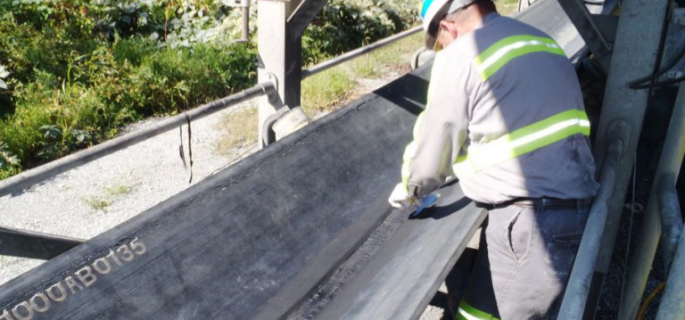
Fire-Retardant and Fire-Resistant NN Rubber Belt

Flame Resistant Conveyor Belt Buying Guide for Coal, Tunnels, and Fire-Risk Lines

flame resistant conveyor belt buyer brief

Buyer brief. A flame resistant conveyor belt should be selected around the material, conveyor geometry, operating risk, and replacement plan. The right belt is not only the one with the correct name; it is the belt that keeps its cover, carcass, edges, and splice area stable under coal mines, power plants, tunnel muck, dusty transfer points, and enclosed bulk conveyors.

Gram Conveyor’s real product range gives buyers several practical routes: FR rubber belt, Mining Conveyor Belt, rubber conveyor belt, Fabric Conveyor Belt. These product pages matter because industrial belt purchasing usually fails when a quotation is separated from the conveyor’s load, temperature, abrasion, fire risk, cleaning method, and pulley size.

For this application, the most important purchasing theme is fire-risk material handling, certification documents, cover grade, and roll traceability. A useful specification should include the belt family, width, length, carcass, cover grade, top and bottom cover thickness, edge condition, roll length, packing method, and inspection photos before shipment.

flame resistant conveyor belt specification details buyers should confirm

Start with the old belt if the order is a replacement. Photograph the belt label, edge, splice, top cover, bottom cover, and the failure area. If the old marking is missing, measure the belt width and thickness, check the conveyor center distance, identify the take-up type, and note the carried material. For Gram Conveyor belt discussions, useful model references include FR rubber belt, EP fabric belt, NN rubber belt, ST steel cord.

a general rubber belt should not be treated as flame resistant unless the compound, labeling, and documents support that duty. This is why buyers should not approve a belt only from a unit price. The quotation should name the product family and cover duty, then state whether the carcass is EP, NN, nylon, polyester, multi-ply fabric, or steel cord. For hot, fire-risk, chemical, oily, or tearing applications, the cover compound and inspection records become part of the purchase decision.

flame resistant conveyor belt width, cover, and carcass checklist

  • Confirm belt width, roll length, top cover, bottom cover, edge type, and total thickness.
  • State the carried material, lump size, temperature, moisture, oil or chemical exposure, and cleaning method.
  • Match carcass choice to pulley diameter, take-up travel, belt speed, splice method, and expected tension.
  • Ask for roll label information, packing photos, and inspection photos before shipment.
  • Keep one spare roll ready when shutdown cost is higher than the price difference between belt grades.

Product options for flame resistant conveyor belt orders

FR rubber belt in flame resistant conveyor belt projects

FR rubber belt is the product direction for coal, enclosed galleries, underground mining, and other fire-risk handling. Buyers should confirm compound, documents, marking, and receiving inspection rather than relying on a general belt name.

For coal mines, power plants, tunnel muck, dusty transfer points, and enclosed bulk conveyors, this product path helps the buyer define the belt by structure and duty. The practical order details are width, roll length, top and bottom cover, carcass type, operating temperature, material shape, pulley size, and packing. Gram Conveyor’s FR rubber belt page gives the purchasing team a product reference that can be linked directly from the specification file.

Mining Conveyor Belt in flame resistant conveyor belt projects

Mining Conveyor Belt is the product path for ore, coal, overburden, tunnel muck, and other high-risk bulk handling. The selection normally combines cover grade, carcass strength, loading impact, fire-risk duty, and spare roll planning.

For coal mines, power plants, tunnel muck, dusty transfer points, and enclosed bulk conveyors, this product path helps the buyer define the belt by structure and duty. The practical order details are width, roll length, top and bottom cover, carcass type, operating temperature, material shape, pulley size, and packing. Gram Conveyor’s Mining Conveyor Belt page gives the purchasing team a product reference that can be linked directly from the specification file.

rubber conveyor belt in flame resistant conveyor belt projects

Rubber conveyor belt is the main option for bulk materials because the cover compound can be matched to abrasion, heat, fire risk, oil, chemical exposure, impact, and outdoor storage. Buyers should specify top cover, bottom cover, edge type, and carcass before comparing offers.

For coal mines, power plants, tunnel muck, dusty transfer points, and enclosed bulk conveyors, this product path helps the buyer define the belt by structure and duty. The practical order details are width, roll length, top and bottom cover, carcass type, operating temperature, material shape, pulley size, and packing. Gram Conveyor’s rubber conveyor belt page gives the purchasing team a product reference that can be linked directly from the specification file.

Fabric Conveyor Belt covers EP, NN, nylon, polyester, and multi-ply constructions. It is often the practical replacement choice for medium and heavy-duty plant conveyors because it balances strength, flexibility, splice work, and cost.

For coal mines, power plants, tunnel muck, dusty transfer points, and enclosed bulk conveyors, this product path helps the buyer define the belt by structure and duty. The practical order details are width, roll length, top and bottom cover, carcass type, operating temperature, material shape, pulley size, and packing. Gram Conveyor’s Fabric Conveyor Belt page gives the purchasing team a product reference that can be linked directly from the specification file.

Steel Cord Conveyor Belt is used when long distance, high tension, low elongation, and heavy route loading matter. It needs careful splice planning, roll handling, and cord-related inspection before shipment.

For coal mines, power plants, tunnel muck, dusty transfer points, and enclosed bulk conveyors, this product path helps the buyer define the belt by structure and duty. The practical order details are width, roll length, top and bottom cover, carcass type, operating temperature, material shape, pulley size, and packing. Gram Conveyor’s Steel Cord Conveyor Belt page gives the purchasing team a product reference that can be linked directly from the specification file.

Product option Where it fits What to verify before buying
FR rubber belt Coal, enclosed galleries, underground mining, tunnel conveyors, or fire-risk material handling. Check width, cover grade, carcass, pulley fit, roll length, label, packing, and inspection photos.
Mining Conveyor Belt Ore, coal, overburden, sharp lumps, long running hours, and mine-site spare stock. Check width, cover grade, carcass, pulley fit, roll length, label, packing, and inspection photos.
rubber conveyor belt General bulk materials where cover compound protects the belt from abrasion, heat, moisture, or impact. Check width, cover grade, carcass, pulley fit, roll length, label, packing, and inspection photos.
Fabric Conveyor Belt Medium and heavy-duty replacement where EP, NN, nylon, polyester, or multi-ply carcass selection matters. Check width, cover grade, carcass, pulley fit, roll length, label, packing, and inspection photos.
Steel Cord Conveyor Belt Long distance, high tension, low elongation, and overland or mining routes. Check width, cover grade, carcass, pulley fit, roll length, label, packing, and inspection photos.

Inspection, packing, and supply control for flame resistant conveyor belt

Quality control should be visible before the roll leaves the supplier. For Gram Conveyor orders, buyers can ask for surface photos, edge photos, label photos, width confirmation, thickness confirmation, and packing photos. The inspection should match the risk of the belt: heat aging for HR duty, fire-risk documentation for FR duty, cover consistency for abrasion duty, carcass condition for EP or NN belts, and cord-related checks for steel cord belts.

flame resistant conveyor belt inspection and packing details
flame resistant conveyor belt inspection and packing details before shipment

Roll packing details that protect the order

Export and wholesale orders should use strong cores, waterproof wrapping, edge protection, readable labels, and roll direction marks. The label should connect the roll to the purchase order and the specification. This is especially important for repeat buyers who stock several widths or several belt families in one warehouse.

Supply planning is part of the product choice. Standard widths and repeat constructions are easier to reorder, easier to stock, and easier to install during a shutdown. Special cover compounds or steel cord constructions may need more lead time, so buyers should separate emergency spare rolls from project-specific rolls.

Application fit for coal mines, power plants, tunnel muck, dusty transfer points, and enclosed bulk conveyors

A buyer using this belt in coal mines, power plants, tunnel muck, dusty transfer points, and enclosed bulk conveyors should separate normal running load from the worst part of the conveyor. Loading zones, skirtboards, transition areas, belt cleaners, return rollers, and storage conditions can create more damage than the straight carrying section. A belt that looks correct on paper can fail early if the drop height, cleaner pressure, or pulley diameter is ignored.

flame resistant conveyor belt product option for coal mines, power plants, tunnel muck, dusty transfer points, and enclosed bulk conveyors
flame resistant conveyor belt product option for industrial belt selection

When flame resistant conveyor belt is the right choice

It is the right choice when the application risk named in the keyword is real and recurring. In that case, paying attention to the cover compound, carcass, roll marking, and packing protects service life. For many buyers, the best value comes from using a standard Gram product family such as FR rubber belt, Mining Conveyor Belt, rubber conveyor belt and then tuning the specification around the actual conveyor.

When another conveyor belt type may be safer

Some sites need a different belt family even when the keyword sounds close. Long high-tension routes may move toward Steel Cord Conveyor Belt; coal or enclosed fire-risk handling may require FR rubber belt; hot clinker may require HR rubber belt; and impact zones may need both a heavier belt and Impact Load Zone Belt Support. The buyer should decide by material behavior and conveyor geometry, not by a broad product label.

FAQ about flame resistant conveyor belt sourcing

Which Gram product page should buyers review first?

Start with FR rubber belt. Then compare Mining Conveyor Belt, rubber conveyor belt, Fabric Conveyor Belt if the application requires a different carcass, cover compound, or duty level.

What specifications affect price and service life most?

The biggest factors are belt width, roll length, carcass, ply or tensile rating, cover thickness, compound grade, edge type, splice allowance, packing, and inspection requirements. The price is only useful when every supplier is quoting the same duty.

What should be checked when receiving the belt?

Check the roll label, packing condition, edge condition, surface appearance, width, and any supplied inspection photos or documents. Store the roll away from standing water, oil, direct sunlight, sharp objects, and unnecessary deformation before installation.

Product navigation for flame resistant conveyor belt buyers

Use the links below to move from the buying guide to the relevant Gram Conveyor product range. These links point to already published product or technical pages and help purchasing teams keep the article connected to the real product line.

View Product Range View Mining Conveyor Belt View rubber conveyor belt

Related reading: What is Conveyor Belt Ply and Conveyor Belt Ply Adhesion | How a Multi Ply Conveyor Belt Enhances Efficiency | Detailed Guide on How to Measure a Conveyor Belt

The best purchase is the belt that fits the conveyor before it reaches the site. For flame resistant conveyor belt, that means naming the right Gram product family, confirming the duty, and keeping enough inspection and packing detail to make the next replacement easier than the last one.

Procurement notes for repeat flame resistant conveyor belt orders

For repeat supply, buyers should keep one internal belt file per conveyor. The file should include the old belt label, conveyor width, pulley diameter, take-up travel, carried material, operating temperature, cleaner type, skirtboard condition, and the last failure mode. This keeps the next order focused on the conveyor instead of starting from a blank quotation request.

When several lines use similar widths, Gram Conveyor can help buyers compare whether one standard product family can cover multiple positions or whether separate HR, FR, EP, NN, mining, or steel cord belts should be stocked. That decision usually saves more money than cutting a few percent from the wrong belt specification.
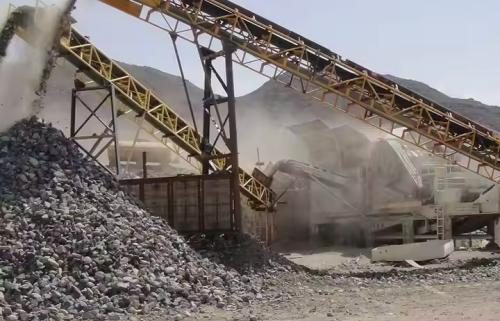
Heat-Resistant NN Rubber Belt

Heat Resistant Conveyor Belt Selection for Cement, Clinker, and Hot Bulk Materials

heat resistant conveyor belt buyer brief

Buyer brief. A heat resistant conveyor belt should be selected around the material, conveyor geometry, operating risk, and replacement plan. The right belt is not only the one with the correct name; it is the belt that keeps its cover, carcass, edges, and splice area stable under cement clinker, coke, foundry sand, sintered material, and hot aggregate transfer.

Gram Conveyor’s real product range gives buyers several practical routes: HR rubber belt, rubber conveyor belt, EP rubber belt, NN rubber belt. These product pages matter because industrial belt purchasing usually fails when a quotation is separated from the conveyor’s load, temperature, abrasion, fire risk, cleaning method, and pulley size.

For this application, the most important purchasing theme is temperature exposure, cover cracking, carcass protection, and planned shutdown replacement. A useful specification should include the belt family, width, length, carcass, cover grade, top and bottom cover thickness, edge condition, roll length, packing method, and inspection photos before shipment.

Product options for heat resistant conveyor belt orders

HR rubber belt in heat resistant conveyor belt projects

HR rubber belt is the Gram product direction for hot material handling. It is most relevant when cover hardening, cracking, and heat aging would shorten the life of a standard rubber conveyor belt.

For cement clinker, coke, foundry sand, sintered material, and hot aggregate transfer, this product path helps the buyer define the belt by structure and duty. The practical order details are width, roll length, top and bottom cover, carcass type, operating temperature, material shape, pulley size, and packing. Gram Conveyor’s HR rubber belt page gives the purchasing team a product reference that can be linked directly from the specification file.

rubber conveyor belt in heat resistant conveyor belt projects

Rubber conveyor belt is the main option for bulk materials because the cover compound can be matched to abrasion, heat, fire risk, oil, chemical exposure, impact, and outdoor storage. Buyers should specify top cover, bottom cover, edge type, and carcass before comparing offers.

For cement clinker, coke, foundry sand, sintered material, and hot aggregate transfer, this product path helps the buyer define the belt by structure and duty. The practical order details are width, roll length, top and bottom cover, carcass type, operating temperature, material shape, pulley size, and packing. Gram Conveyor’s rubber conveyor belt page gives the purchasing team a product reference that can be linked directly from the specification file.

EP rubber belt in heat resistant conveyor belt projects

EP rubber belt uses polyester in the warp direction and nylon in the weft direction, giving stable strength and controlled elongation for many plant conveyors. EP400/3 and EP800/4 are useful specification references for replacement planning.

For cement clinker, coke, foundry sand, sintered material, and hot aggregate transfer, this product path helps the buyer define the belt by structure and duty. The practical order details are width, roll length, top and bottom cover, carcass type, operating temperature, material shape, pulley size, and packing. Gram Conveyor’s EP rubber belt page gives the purchasing team a product reference that can be linked directly from the specification file.

NN rubber belt uses nylon fabric in both warp and weft directions. It can be useful where flexibility and impact behavior matter, but it should be compared with EP when take-up travel and long-term stretch are important.

For cement clinker, coke, foundry sand, sintered material, and hot aggregate transfer, this product path helps the buyer define the belt by structure and duty. The practical order details are width, roll length, top and bottom cover, carcass type, operating temperature, material shape, pulley size, and packing. Gram Conveyor’s NN rubber belt page gives the purchasing team a product reference that can be linked directly from the specification file.

The broad Conveyor Belt range is the starting point when a buyer is still comparing rubber, fabric, steel cord, mining, heat-resistant, and fire-risk belt families. It keeps the discussion tied to real conveyor duty instead of a loose material name.

For cement clinker, coke, foundry sand, sintered material, and hot aggregate transfer, this product path helps the buyer define the belt by structure and duty. The practical order details are width, roll length, top and bottom cover, carcass type, operating temperature, material shape, pulley size, and packing. Gram Conveyor’s Conveyor Belt page gives the purchasing team a product reference that can be linked directly from the specification file.

Product option Where it fits What to verify before buying
HR rubber belt Hot clinker, coke, foundry sand, sintered material, or cement plant heat exposure. Check width, cover grade, carcass, pulley fit, roll length, label, packing, and inspection photos.
rubber conveyor belt General bulk materials where cover compound protects the belt from abrasion, heat, moisture, or impact. Check width, cover grade, carcass, pulley fit, roll length, label, packing, and inspection photos.
EP rubber belt Stable strength, controlled elongation, common plant replacement, and practical splicing. Check width, cover grade, carcass, pulley fit, roll length, label, packing, and inspection photos.
NN rubber belt Flexible fabric behavior, impact awareness, and conveyor layouts where nylon carcass is preferred. Check width, cover grade, carcass, pulley fit, roll length, label, packing, and inspection photos.
Conveyor Belt Early-stage comparison when the buyer needs to map the whole conveyor belt range. Check width, cover grade, carcass, pulley fit, roll length, label, packing, and inspection photos.

Application fit for cement clinker, coke, foundry sand, sintered material, and hot aggregate transfer

A buyer using this belt in cement clinker, coke, foundry sand, sintered material, and hot aggregate transfer should separate normal running load from the worst part of the conveyor. Loading zones, skirtboards, transition areas, belt cleaners, return rollers, and storage conditions can create more damage than the straight carrying section. A belt that looks correct on paper can fail early if the drop height, cleaner pressure, or pulley diameter is ignored.

heat resistant conveyor belt product option for cement clinker, coke, foundry sand, sintered material, and hot aggregate transfer
heat resistant conveyor belt product option for industrial belt selection

When heat resistant conveyor belt is the right choice

It is the right choice when the application risk named in the keyword is real and recurring. In that case, paying attention to the cover compound, carcass, roll marking, and packing protects service life. For many buyers, the best value comes from using a standard Gram product family such as HR rubber belt, rubber conveyor belt, EP rubber belt and then tuning the specification around the actual conveyor.

When another conveyor belt type may be safer

Some sites need a different belt family even when the keyword sounds close. Long high-tension routes may move toward Steel Cord Conveyor Belt; coal or enclosed fire-risk handling may require FR rubber belt; hot clinker may require HR rubber belt; and impact zones may need both a heavier belt and Impact Load Zone Belt Support. The buyer should decide by material behavior and conveyor geometry, not by a broad product label.

heat resistant conveyor belt specification details buyers should confirm

Start with the old belt if the order is a replacement. Photograph the belt label, edge, splice, top cover, bottom cover, and the failure area. If the old marking is missing, measure the belt width and thickness, check the conveyor center distance, identify the take-up type, and note the carried material. For Gram Conveyor belt discussions, useful model references include HR rubber belt, EP400/3, EP800/4, NN100.

ordinary abrasion cover can harden or crack when the material temperature stays above the belt compound limit. This is why buyers should not approve a belt only from a unit price. The quotation should name the product family and cover duty, then state whether the carcass is EP, NN, nylon, polyester, multi-ply fabric, or steel cord. For hot, fire-risk, chemical, oily, or tearing applications, the cover compound and inspection records become part of the purchase decision.

heat resistant conveyor belt width, cover, and carcass checklist

  • Confirm belt width, roll length, top cover, bottom cover, edge type, and total thickness.
  • State the carried material, lump size, temperature, moisture, oil or chemical exposure, and cleaning method.
  • Match carcass choice to pulley diameter, take-up travel, belt speed, splice method, and expected tension.
  • Ask for roll label information, packing photos, and inspection photos before shipment.
  • Keep one spare roll ready when shutdown cost is higher than the price difference between belt grades.

Inspection, packing, and supply control for heat resistant conveyor belt

Quality control should be visible before the roll leaves the supplier. For Gram Conveyor orders, buyers can ask for surface photos, edge photos, label photos, width confirmation, thickness confirmation, and packing photos. The inspection should match the risk of the belt: heat aging for HR duty, fire-risk documentation for FR duty, cover consistency for abrasion duty, carcass condition for EP or NN belts, and cord-related checks for steel cord belts.

heat resistant conveyor belt inspection and packing details
heat resistant conveyor belt inspection and packing details before shipment

Roll packing details that protect the order

Export and wholesale orders should use strong cores, waterproof wrapping, edge protection, readable labels, and roll direction marks. The label should connect the roll to the purchase order and the specification. This is especially important for repeat buyers who stock several widths or several belt families in one warehouse.

Supply planning is part of the product choice. Standard widths and repeat constructions are easier to reorder, easier to stock, and easier to install during a shutdown. Special cover compounds or steel cord constructions may need more lead time, so buyers should separate emergency spare rolls from project-specific rolls.

FAQ about heat resistant conveyor belt sourcing

Which Gram product page should buyers review first?

Start with HR rubber belt. Then compare rubber conveyor belt, EP rubber belt, NN rubber belt if the application requires a different carcass, cover compound, or duty level.

What specifications affect price and service life most?

The biggest factors are belt width, roll length, carcass, ply or tensile rating, cover thickness, compound grade, edge type, splice allowance, packing, and inspection requirements. The price is only useful when every supplier is quoting the same duty.

What should be checked when receiving the belt?

Check the roll label, packing condition, edge condition, surface appearance, width, and any supplied inspection photos or documents. Store the roll away from standing water, oil, direct sunlight, sharp objects, and unnecessary deformation before installation.

Product navigation for heat resistant conveyor belt buyers

Use the links below to move from the buying guide to the relevant Gram Conveyor product range. These links point to already published product or technical pages and help purchasing teams keep the article connected to the real product line.

View Product Range View rubber conveyor belt View EP rubber belt

Related reading: High-Temperature And Heat Resistant Conveyor Belt | What is Conveyor Belt Ply and Conveyor Belt Ply Adhesion | How a Multi Ply Conveyor Belt Enhances Efficiency

The best purchase is the belt that fits the conveyor before it reaches the site. For heat resistant conveyor belt, that means naming the right Gram product family, confirming the duty, and keeping enough inspection and packing detail to make the next replacement easier than the last one.

Procurement notes for repeat heat resistant conveyor belt orders

For repeat supply, buyers should keep one internal belt file per conveyor. The file should include the old belt label, conveyor width, pulley diameter, take-up travel, carried material, operating temperature, cleaner type, skirtboard condition, and the last failure mode. This keeps the next order focused on the conveyor instead of starting from a blank quotation request.

When several lines use similar widths, Gram Conveyor can help buyers compare whether one standard product family can cover multiple positions or whether separate HR, FR, EP, NN, mining, or steel cord belts should be stocked. That decision usually saves more money than cutting a few percent from the wrong belt specification.

High Quality HR Rubber Belt for Heat Resistance

Cheap Conveyor Belt Options for Industrial Buyers Who Still Need Reliable Performance

Buyer brief. A cheap conveyor belt should be a practical low-cost belt for the right job, not an unknown roll that fails after a few weeks. Industrial buyers can usually reduce cost by choosing a standard belt construction, a common width, a sensible cover grade, and packing that protects the roll during storage and transport.

For replacement work, the lowest price is not always the best saving. A belt that is too thin, too stiff, or built with the wrong cover compound can stop a conveyor line, damage pulleys, or force a second purchase. The better way to buy a cheap conveyor belt is to decide where cost can be reduced without removing the features that keep the conveyor running. Standard rubber belts, EP fabric belts, NN fabric belts, and lighter PVC-style belts can all be cost-effective when they are matched to the material, pulley size, belt speed, and working environment.

Gram Conveyor supplies conveyor belt products for mining, quarry, aggregate, cement, recycling, warehouse, and general bulk handling systems. For buyers comparing low-cost options, the most useful starting pages are rubber conveyor belt, Fabric Conveyor Belt, EP rubber belt, and the broader Conveyor Belt range. Those product families give purchasing teams a real way to compare price, service life, and installation risk instead of looking only at the unit price on a quotation.

cheap conveyor belt product options for industrial replacement orders
A low-cost conveyor belt still needs the correct cover, carcass, width, and roll condition for the conveyor line.

cheap conveyor belt choices that make sense for industrial replacement

The most common low-cost choice for bulk material handling is a standard rubber conveyor belt. It is usually the first option for aggregate, sand, crushed stone, cement, fertilizer, light mining, and general transfer conveyors. A rubber conveyor belt can save money when the buyer uses a common belt width, a normal roll length, and a cover grade that fits the material instead of over-specifying every detail. For many replacement jobs, an abrasion-resistant rubber cover with a fabric carcass gives a better balance than choosing the thickest or heaviest belt available.

Fabric conveyor belts are also important for cost control. EP rubber belt constructions are widely used because they offer stable strength, controlled elongation, and practical splicing for many plant conveyors. NN rubber belt options can be useful where flexibility and impact absorption matter. When a buyer needs a belt for a shorter conveyor, a transfer line, or a standard duty replacement, EP or NN fabric construction may be more economical than a steel cord belt. The buyer still needs to confirm width, ply, tensile rating, top cover, bottom cover, and pulley diameter before approving the order.

PVC conveyor belt options belong in a different conversation. They can be a low-cost choice for lighter equipment, packaged goods, cleaner indoor handling, or processing lines where rubber belt is not required. PVC is not a direct substitute for a heavy rubber belt in quarry or mining service. It can, however, reduce cost in clean, light, or medium-duty applications where abrasion, impact, and temperature are limited. The buyer should compare the actual material, cleaning needs, pulley size, and load before deciding whether PVC, fabric rubber, or standard rubber belt is the right fit.

rubber conveyor belt options for lower-cost bulk handling

A cheap rubber conveyor belt should still have a cover that matches the material. Fine sand and grain do not need the same cover as sharp stone or clinker. Coal handling may need fire-resistant rubber. Hot material may need a heat-resistant belt instead of a basic cover. Oil, chemical exposure, outdoor storage, and moisture also change the best choice. This is why a low price should be checked against the actual conveyor: material type, loading height, lump size, belt speed, trough angle, and expected daily running hours.

Buyers who want a lower price often have room to save through standardization. If several conveyors can use the same width, carcass, and cover grade, the plant can buy more efficiently and keep fewer spare belt types in stock. A standard rubber conveyor belt may be the best value when the work is steady but not extreme, especially if the order includes clear labels and roll length confirmation.

fabric, EP, and NN belt constructions for cost-sensitive orders

EP and NN fabric belts are often where industrial buyers find the best value. EP belts are a strong choice for many medium and heavy-duty conveyors because polyester warp and nylon weft can provide good strength with controlled stretch. NN belts can suit applications where flexibility and impact behavior matter. In both cases, the cost depends on the number of plies, tensile rating, cover thickness, and cover compound. A buyer who only asks for a cheap conveyor belt may receive a belt that is cheaper on paper but wrong for the pulley system or splice method.

For a practical order, write the belt as a specification instead of a price request. State the belt width, required roll length, EP or NN structure, top cover, bottom cover, carried material, and operating temperature. If the existing belt has markings, send a photo of the label or the old belt edge. This gives the supplier enough information to recommend Fabric Conveyor Belt, EP rubber belt, or another belt family without guessing.

Product option Where it saves cost What to check before buying
Standard rubber conveyor belt Good for many bulk handling lines using common widths and normal abrasion grades. Confirm cover grade, top and bottom cover thickness, edge condition, and roll length.
EP rubber belt Cost-effective for many medium and heavy-duty conveyors where stable strength is needed. Check ply rating, elongation, pulley diameter, splice method, and working tension.
NN or fabric conveyor belt Useful when flexibility and practical replacement stock are more important than maximum tension. Review impact level, belt speed, material lump size, and storage conditions.
PVC conveyor belt Can reduce cost on cleaner, lighter, indoor or packaged material systems. Do not use it as a direct replacement for harsh quarry, hot material, or heavy mining service.
Mining replacement belt May lower downtime cost when bought as spare rolls before planned maintenance. Confirm abrasion, impact, fire risk, carcass strength, and packing protection.

cheap conveyor belt specifications buyers should confirm before comparing price

The main price drivers are usually belt width, belt length, carcass construction, cover thickness, compound grade, and order quantity. A 500 mm belt and a 1200 mm belt do not belong in the same price discussion. A two-ply light-duty belt and a multi-ply EP belt are also different products. If a buyer wants a fair comparison, each supplier should quote the same width, length, ply or tensile rating, top cover, bottom cover, edge type, and packing method.

Cover grade deserves special attention. Abrasion-resistant rubber is a normal choice for aggregate, stone, and recycling. Heat-resistant grades are used when the conveyed material is warm enough to damage ordinary cover rubber. Fire-resistant grades matter for coal and some mining environments. A cheap conveyor belt with the wrong cover is often the most expensive option after downtime is counted.

Roll length and packing also affect the real cost. A slightly cheaper belt can become inconvenient if the roll is too large for the receiving equipment, too short for the planned splice allowance, or packed without clear labels. Export buyers should ask for waterproof wrapping, strong cores, edge protection, readable marks, and photos before shipment.

cheap conveyor belt inspection and packing details for bulk buyers
Inspection and clear roll marking help buyers keep low-cost belt orders traceable after delivery.

when a cheap conveyor belt is the right choice

A low-cost belt can be the right choice for standard replacement work, light to medium duty transfer, stock conveyors, short plant conveyors, temporary lines, and distributors building inventory around common sizes. It can also be useful when a buyer wants spare rolls for emergency repair and the duty is already well understood. In these cases, the buyer is not cutting the important features; the buyer is choosing a practical construction that fits the conveyor without overbuying.

For example, a quarry transfer conveyor handling screened aggregate may not need a steel cord belt if the center distance and tension are moderate. A warehouse conveyor may not need a thick mining-grade rubber cover. A distributor may reduce cost by stocking several popular widths of standard rubber or EP belt instead of ordering a special structure for every customer. The key is to save money on unnecessary specification, not on the parts of the belt that protect service life.

when buyers should not choose the cheapest belt

Some applications should not be handled by the cheapest available roll. High-impact loading, long-distance conveying, underground coal service, hot material, sharp ore, high-tension systems, and steep incline conveyors need a more careful belt selection. In those cases, a buyer may need Mining Conveyor Belt, Heavy Duty Conveyor Belt, steel cord construction, heat-resistant rubber, fire-resistant rubber, or a heavier cover. The higher unit price can still be cheaper than repeated replacement, belt tearing, chute blockage, or unplanned shutdowns.

A useful rule is simple: if the conveyor stops an important production line, do not buy only by the lowest roll price. Ask what failure would cost in lost production, labor, splice work, and urgent freight. Then compare the belt against that risk. A cheap conveyor belt is a smart purchase when it fits the duty and arrives ready to install; it is a poor purchase when the savings disappear during the first breakdown.

quality checks for a cheap conveyor belt order

Quality control does not have to be complicated, but it should be visible. Before shipment, buyers can ask for photos of the belt surface, edge, roll label, packing, and measuring points. The supplier should confirm width, roll length, total thickness, top and bottom cover thickness, and belt type. For fabric belts, adhesion and ply condition matter. For rubber belts used in abrasive duty, surface quality and cover consistency matter. For repeat orders, keeping these records makes the next purchase faster and more accurate.

Receiving inspection is just as important. After delivery, check whether the roll label matches the purchase order, whether the packaging is damaged, and whether the belt edge has been crushed during loading. Store the roll away from standing water, direct sunlight, oil, and sharp objects. If the belt will not be installed immediately, keep the label and packing information visible. These simple steps protect the saving that the buyer expected from a low-cost order.

Buyer checklist before approval:

  • Match the belt family to the application: rubber, fabric, EP, NN, PVC, mining, or heavy-duty.
  • Confirm width, length, ply or tensile rating, top cover, bottom cover, and cover grade.
  • Check pulley diameter, loading impact, material temperature, and abrasion level.
  • Ask for roll label details, packing photos, and inspection photos before shipment.
  • Keep one spare roll ready when downtime costs more than the price difference.

FAQ about cheap conveyor belt buying

Is a cheap conveyor belt suitable for quarry use? It can be suitable for lighter quarry transfer points or standard aggregate lines if the cover grade, carcass, width, and pulley fit are correct. For primary crushing, sharp stone, or high-impact loading, a heavier rubber belt or mining belt is safer.

Which belt type is usually most cost-effective? For many industrial replacement jobs, a standard rubber conveyor belt or EP fabric belt gives the best balance of price, service life, and availability. PVC can be economical for clean light-duty systems, but it is not a replacement for harsh bulk handling.

What specifications affect cost most? Width, roll length, ply count, tensile rating, cover thickness, compound grade, and order quantity usually have the biggest effect. Packing, inspection documents, and special marking can also change the final cost.

Can a buyer reduce cost without reducing quality? Yes. Choose standard sizes, avoid unnecessary special covers, combine repeat sizes, confirm the correct product family, and prepare a clear specification. That reduces waste while keeping the belt suitable for the conveyor.

product navigation for low-cost conveyor belt sourcing

Start with rubber conveyor belt when the job involves bulk material, abrasion, or outdoor plant service. Review Fabric Conveyor Belt when the conveyor needs a practical EP or NN carcass for replacement work. Use EP rubber belt when EP construction is already specified on the old belt or in the maintenance file. If the application is still unclear, compare the broader Conveyor Belt range before choosing the final product family.

View Rubber Conveyor Belt

View Product Range

The lowest price is useful only when the belt still fits the conveyor. For many replacement jobs, the best saving comes from choosing a standard rubber or fabric belt with the right width, cover, and packing, then keeping one spare roll ready before the next shutdown. That is the kind of cheap conveyor belt purchase that helps a plant spend less without inviting a preventable stoppage.