
Separate Cement Dust and Kiln Heat When Assessing a Cement Plant Conveyor Rollers Supplier
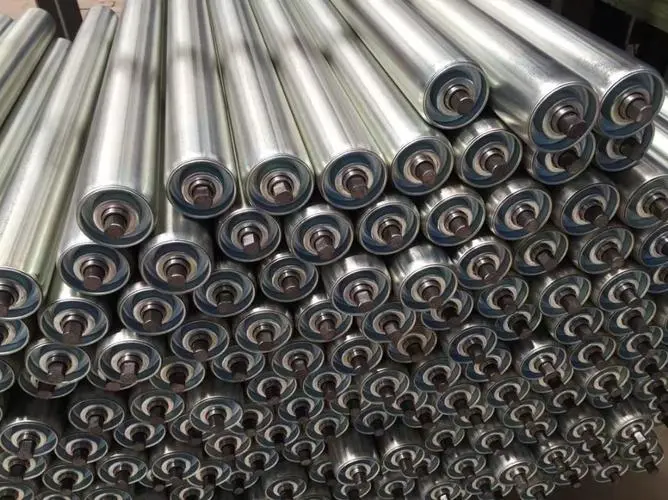
Cement dust and kiln-adjacent heat are different reasons for a roller to need attention. A contractor evaluating a cement plant conveyor rollers supplier should map those exposures separately before choosing one replacement assembly for the entire plant. GRAM’s steel rollers, polymer rollers and suspended carrying arrangements provide product routes to compare. Start with the conveyor location, belt support geometry and actual conditions at the roller, rather than the plant’s general industry label.
The relevant enquiry may concern limestone handling, a dusty raw-material route or a transfer near a heated process. First confirm which duty applies. A roller’s temperature suitability cannot be inferred from a heat-resistant belt elsewhere on the same website, and a protected bearing should not be assumed immune to every dust or cleaning condition.
A cement plant conveyor rollers supplier needs a location-specific exposure
A cement works contains several conveying environments. Fine powder can enter spaces around end assemblies, while coarse material can impose different support and impact conditions. A nearby heated process can add radiant or conducted exposure that is not described by the material’s average temperature. Record each condition at the actual proposed replacement position.
A maintenance team replacing recurring bearing failures on a dusty raw-material conveyor should identify where the dust accumulates. Does it cover the roller body, reach the shaft ends or pack around the frame connection? That information helps define the end-protection enquiry. Visible deposits alone do not establish whether the body material needs to change.
Fine cement dust calls for an end-assembly discussion
GRAM describes polymer rollers with a machined tube or solid bar, sealed precision bearings, non-contact rubber seals and metal end caps. Those construction details make the proposed end arrangement worth reviewing alongside a steel alternative. Ask what exact assembly is offered for the dust condition and how its components are identified in the product documents.
Do not equate the phrase sealed bearing with unrestricted dust performance. The complete arrangement, installation condition and maintenance practice matter. Provide any cleaning method used around the ends, especially if the plant removes deposits with direct washing. Dust service that becomes wet during cleaning is a more specific exposure than a general dry conveyor description.
Coarse limestone transfers need a separate loading assessment
Where limestone or another coarse feed enters the belt, identify the landing location and support through the transfer. GRAM’s rubber-ring impact rollers have a different working surface from ordinary steel or polymer carrying rollers. Their role should remain tied to the loading zone rather than applied automatically along the whole conveyor.
A contractor should also record whether the chute or feed stream has changed since the original roller selection. The original frame may remain in place while the landing position moves. Copying its roller dimensions does not establish that the support still matches the incoming material. Have the transfer condition reviewed against the actual plant equipment.
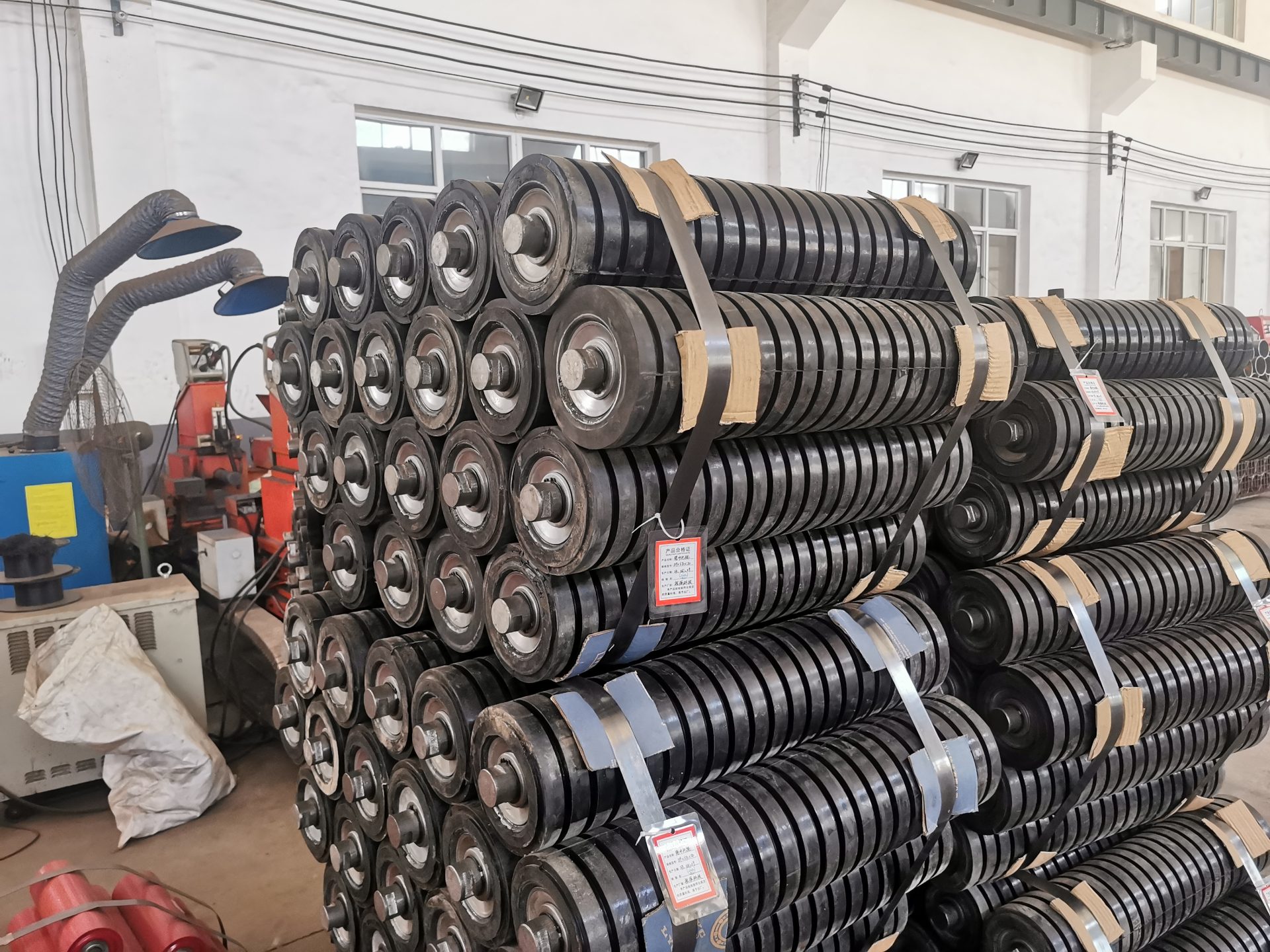
Cement conveyor roller selection must distinguish ambient and local heat
The temperature at a roller may differ from the plant’s reported ambient condition. Identify nearby equipment, material exposure and operating periods that affect the roller body and ends. A replacement proposed for a sheltered raw-material route should not automatically be accepted beside a heated process because its shaft dimensions match.
Polymer roller temperature suitability requires its own evidence
A contractor may consider polymer bodies for a dusty or moisture-exposed route, then propose the same spare near a kiln-adjacent transfer. That second position needs a separate assessment. Request the offered body’s and end components’ applicable thermal information. No resin name or general corrosion-resistance statement establishes the allowed temperature for the entire roller.
Record periods when the conveyor stops with material present or when nearby equipment remains hot. The assembly can continue to receive heat without the normal operating movement. The plant’s responsible engineer should define the credible exposure, and the supplier should identify the construction proposed for that condition.
Heat-resistant belt ratings do not become steel roller ratings
A conveyor belt and a roller contain different materials and have different functions. A temperature statement for a belt cover does not establish the bearing, seal or shaft arrangement’s thermal suitability. Keep their product documents separate even when both components are purchased for the same transfer.
Steel is a relevant body route to compare, but the word steel does not establish an unlimited assembly temperature. End components still need attention. Ask for the complete offered construction and the applicable limits instead of assuming that replacing polymer with a metal tube resolves every local heat requirement.
Review suspended cement carrying stations as complete garland sets
GRAM’s carrying garland range describes linked suspended roller groups and names limestone and clinker applications in cement production. These are useful application references. The actual set still needs to match the conveyor’s suspension, support geometry and operating conditions.
If the purchase covers a complete garland group, identify the links and suspension interfaces as well as the individual rollers. If it covers only selected rollers, check compatibility with the retained connecting components. A visually similar roller body may not define the complete set geometry or the required mounting arrangement.
For a plant holding mixed spares, separate suspended groups from rigidly mounted individual rollers in the item descriptions. Record the conveyor location and approved construction with the package identification. This prevents a nominal diameter from becoming the only basis for an urgent substitution.

Preserve cement conveyor mounting references when changing roller construction
GRAM’s main roller range explains body, bearing and shaft considerations. For a replacement, record the mounting span, shaft end and belt contact geometry from the actual equipment. If a different body or end arrangement is proposed, compare its full envelope with the retained frame.
A deposit around the shaft seat can also affect the sample used for measurement. Inspect the mounting interface under the plant’s approved isolation procedure and distinguish buildup from the original seating surface. Where the old sample is worn or distorted, use the equipment drawing or an unworn matching assembly to establish the required dimensions.
The fines-at-roller-ends discussion is relevant to this evidence-gathering task. It helps describe contamination without assuming the same operating condition exists across every plant line. A cement enquiry should retain its own dust composition, local heat and mounting information.
Ask for cement-duty evidence that corresponds to the offered assembly
An offer should identify the body material, bearing arrangement and protective end components that will actually be supplied. If the supplier proposes a modification for the dusty position, have it shown in the assembly record. General statements about durability should not replace a description of what has changed and which duty it is intended to address.
Rulmeca’s cement and quarry application information provides external context for the variety of bulk-material conveyor environments. Its project results and product capabilities belong to Rulmeca. They are not evidence of GRAM customer performance or a thermal rating for a GRAM roller.
Dust removal and inspection need the plant’s approved procedure
Close inspection, cleaning and replacement must be carried out with the equipment isolated as required by the site. Do not infer a maintenance method from the roller material. Provide the supplier with the cleaning procedure that affects the assembly, and obtain any product-specific instructions needed for the offered end construction.
If the plant changes its cleaning practice after the roller was selected, review that exposure change before repeating the order. A previously dry dust condition may become a wet deposit around the ends. Keep the current operating description with the replacement specification so the next purchase does not rely on an obsolete assumption.
Deliver cement roller replacements by exposure and conveyor position
For a plant purchasing spares for several cement routes, the supplier evaluation should preserve the differences that justified each construction. Put the dusty raw-material position and any heat-exposed transfer in separate item descriptions, even if their frames use the same nominal roller size. This lets the buyer compare the intended offered components instead of assuming one undifferentiated cement roller can cover both.
A proposed construction change should be identified before the repeat order is accepted. For example, a different end cap or bearing protection arrangement may matter at the dusty position even when the body dimensions are unchanged. The buyer needs to know what changed and which operating condition was used to approve it. A visually similar delivered assembly does not answer those questions.
Where replacement access is restricted, include the removal space in the drawing review. A cement deposit, adjoining guard or nearby chute can make an otherwise compatible assembly difficult to remove through the approved maintenance route. Resolve that practical installation issue before choosing the final body and end arrangement, without altering the conveyor’s safety provisions to accommodate the spare.
Inspect delivered shaft ends, body condition and rotation against the approved assembly record. Where dust protection or thermal suitability drove the choice, verify the supplied components against the declared construction. Separate any undocumented substitution before installation; matching tube dimensions alone is not enough.
Agree packing that protects bearing ends and projecting shafts, with packages identified by conveyor position. If dusty raw-material and heat-exposed replacements arrive together, keep their assembly descriptions distinct during storage. A common frame size should not erase an important operating boundary.
Send the supplier a cement-plant position list with dust and local heat recorded separately. Choose the roller route for each actual location, preserve the frame references and obtain the offered assembly’s applicable evidence. That allows purchasing to compare real alternatives without treating the entire plant as one interchangeable cement duty.
Last Updated on October 3, 2026 by gramconveyor_admin


