
Testing a Low Noise Conveyor Rollers Supplier’s Proposal on the Conveyor That Matters
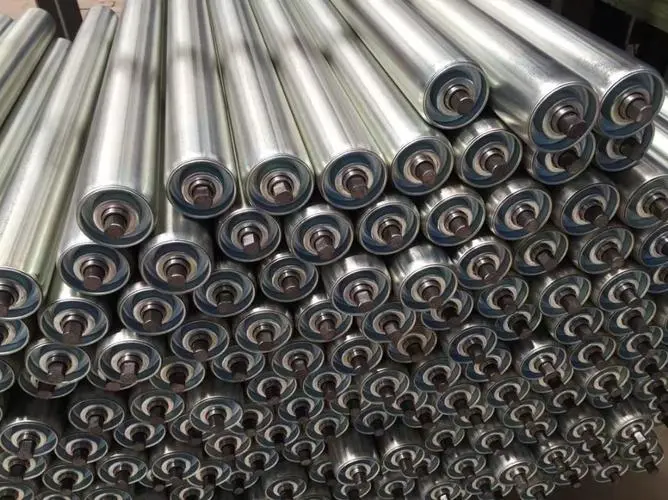
A roller sounds smooth when turned by hand, but the conveyor becomes noisy when real loads pass over it. Those are different comparisons. A low noise conveyor rollers supplier should assess the installed duty, including the load, motion and supporting structure, before the buyer accepts a quiet-operation claim. GRAM’s silent roller range describes a unit-handling route with specific end-cap, bearing and tube options. First establish whether that route matches the conveyor being evaluated.
A distribution operator moving cartons and a mine operator supporting a bulk-material belt should not share an acoustic acceptance assumption merely because both purchase rollers. Identify the working role, then compare proposals under representative conditions. A quiet hand-spin impression is useful for noticing obvious differences; it cannot demonstrate the sound of the loaded installation.
Define the Installed Comparison with the Low Noise Conveyor Rollers Supplier
Use the same operating condition when comparing the present arrangement and a proposed replacement. Record the actual load, motion, roller position and surrounding equipment. A different load or operating condition can change the sound independently of the proposed roller, making an apparently impressive comparison difficult to interpret.
Carton Contact and Frame Sound Need to Stay Visible in the Trial
For a gravity unit-handling line, identify the packages crossing the rollers and the condition of their contacting surfaces. Carton bottoms, pallet runners and other unit loads do not present the same contact. The comparison should use the load that the proposed roller is expected to handle, rather than whichever empty package happens to be available.
Also record where a load transfers between conveyor sections. A package striking a joint or uneven support can create sound that is not explained by the roller’s bearings. If the proposed sample is tried on a different section with smoother transfer geometry, the buyer cannot attribute the complete difference to the sample construction.
Keep the frame arrangement consistent unless frame changes are part of the proposal. A rattling retained fixing or another local contact can remain after a quieter roller is fitted. Where an adjustment is made during the trial, record it as an adjustment so the commercial decision does not credit the roller for an unrelated correction.
A Bulk Belt Idler Needs a Different Test from a Gravity Package Roller
GRAM’s wider roller range includes different working contexts. Belt-support rollers meet a moving belt and its carried duty; gravity package rollers directly support unit loads. Distinguish those contacts before using a silent unit-handling description to evaluate a bulk conveyor replacement.
A quarry operator comparing support rollers should identify the belt condition, installed position and actual operating duty for the trial. A distribution operator should identify the contacting packages and gravity conveyor arrangement. Neither should import the other’s acceptance result without reviewing whether the supplied construction and contact are comparable.
Ask Which Construction the Low Noise Conveyor Rollers Supplier Is Offering
GRAM’s silent range describes black polyamide end caps, precision ball bearings and a labyrinth-shaped polypropylene protective cap. These are distinct construction elements to identify in the offered roller. They are useful technical details, but their names alone do not establish a measured sound reduction on the buyer’s conveyor.
Polyamide End Caps and Polypropylene Protection Answer Different Questions
The end cap and protective cap are different components in the described arrangement. Keep the offered assembly identifiable, rather than treating every black end feature as the same material or function. Ask for the proposed drawing and construction record if a replacement sample must match retained roller supports.
The polypropylene labyrinth description concerns a protective arrangement. It should not be converted into an unverified wash-down protection class or a guarantee against all contaminants. Where the operating environment changes, assess the complete offered assembly for that exposure as well as for the acoustic comparison.
A buyer comparing two samples should therefore record their construction identities, not only which one sounds smoother when spun. If the end construction or protective arrangement differs, the accepted result should remain tied to that actual assembly. A later substituted component can change the proposal even when the body material remains familiar.
Precision Ball Bearings Still Need a Representative Loaded Assessment
The silent product description identifies precision ball bearings. Their proposed assembly should be reviewed with the actual operating duty and installation. A bearing label does not establish every permissible load, speed or contamination exposure, nor does it isolate the sound produced by the rest of the conveyor.
Use an identified sample that represents the supplied construction. If its bearing arrangement or assembly condition differs from the commercial offer, resolve that difference before using the trial to accept a production order. The point of the trial is to assess the proposed product, not a particularly favourable demonstration sample with a different construction.
Choose the Tube Route for the Environment Without Assuming a Noise Result
The silent range describes steel, zinc-plated steel, anti-shock PVC and AISI 304 stainless-steel tube options. These routes introduce different material and exposure considerations. Select the construction for the working application, then assess the acoustic result under the agreed conditions rather than use a material name to predict which assembly will be quieter.
Steel and AISI 304 Options Need Their Own Installed Comparison
The steel roller offering provides broader steel-bodied options, while the silent description identifies an AISI 304 route for its stated environments. Do not assume every steel roller belongs to the same unit-handling construction or that a stainless tube proves approval for every cleaning process.
A wash-down user should provide the actual cleaning exposure and obtain confirmation for the offered tube, ends, shaft and bearing protection. Selecting a corrosion-resistant body is only part of that assessment. If the body route changes between compared samples, keep the remaining assembly details identifiable so the buyer knows which complete construction was evaluated.

Nylon and Other Polymer Rollers Should Not Share an Unverified Acoustic Claim
GRAM separately presents nylon conveyor rollers and a polymer roller family. These routes can be discussed for their actual working applications, but they should not be collapsed into a single claim that all nonmetallic rollers deliver the same sound reduction.
The polymer description includes sealed precision bearings, non-contact rubber sealing and metal end caps. That makes a body-only comparison incomplete. Identify the full offered product and its approved role before assessing it against a steel or unit-handling alternative. Similar outside colour is not evidence of a shared material grade, end construction or installed acoustic performance.
Agree What the Roller Trial Will Hold Constant and What It Will Record
The comparison can be compact, provided its conditions are explicit. Keep the trial tied to one identified working role and a representative load. Use the site’s competent technical personnel to select a measurement approach appropriate to the decision; this guide does not prescribe a legal noise limit or certify hearing-safety compliance.
Held constant: the stated conveyor section, contacting load, operating condition and observation location.
Identified separately: the existing roller, proposed complete construction and any frame, transfer or fixing changes.
Recorded outcome: the actual observed or measured result under those conditions, with the method and relevant background sound.
If numerical sound results are used, retain the measurement method and conditions rather than compare two unexplained figures. Background equipment or a different observation position can affect the result. Do not turn a single reading into a universal reduction for every conveyor in the buyer’s fleet.
Rulmeca’s unit-handling product information likewise distinguishes roller products by working application. Its product names and claims belong to that manufacturer. The useful comparison principle is to define the actual duty before treating a quiet-operation description as evidence of equivalence.
When the proposed result is accepted, attach it to the roller construction and application that were evaluated. A distributor ordering for several customers should preserve that boundary instead of repeating the same noise claim across different conveyors. If another customer changes the package, frame or working role, assess that application separately.
For bulk belt installations, the existing mine roller noise discussion provides a different operating context. Keep that context separate from a gravity package trial when evaluating the particular proposed construction.
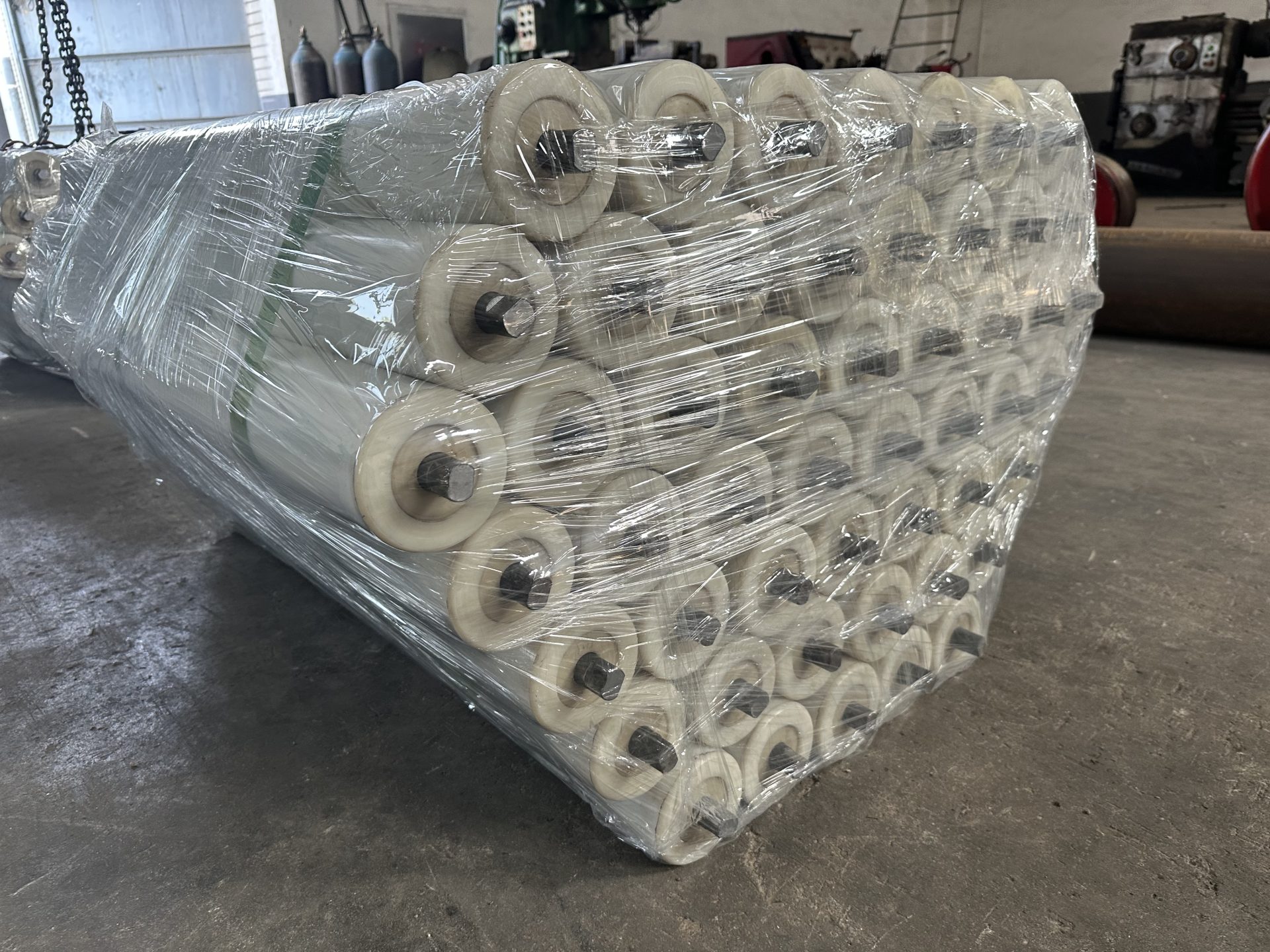
Agree shipment protection around the identified roller ends and body surfaces so transport does not introduce damage that changes rotation or contact. At receipt, compare the supplied assembly with the accepted proposal and investigate visible damage before installation. These are order-specific requirements to settle with the supplier, not a statement that every tube route uses one prescribed package.
Approve the quieter option when the evidence describes the conveyor you need to improve and the complete product you will receive. If the trial still mixes package impacts, altered frame contacts and unidentified samples, narrow the comparison before placing the order. A representative result is more useful than a confident quietness claim that cannot be reproduced on the working line.
Last Updated on October 2, 2026 by gramconveyor_admin


