
How a Conveyor Roller Manufacturer Can Keep a Mixed Fleet from Sharing the Wrong Spare
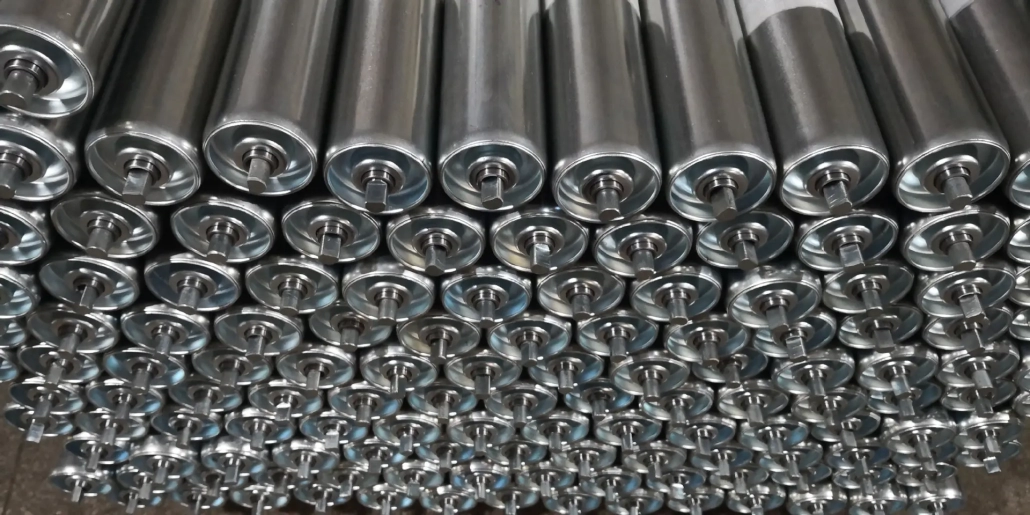
A mixed replacement list can contain carrying rollers, rubber-ring rollers, suspended sets and belt guides, all described by a similar outside diameter. Combining them into one spare line is convenient until a technician receives the wrong working component. A conveyor roller manufacturer needs the role and complete assembly behind each item. Begin with GRAM’s conveyor roller range, then divide the fleet by the job each component performs before comparing apparently similar dimensions.
This approach suits a distributor serving several bulk conveyors or an engineering buyer consolidating replacement orders. The first decision is which items can legitimately share an approval record. A shared diameter is a useful observation; it is not evidence that different roller families can replace one another.
A Conveyor Roller Manufacturer Needs the Working Position Behind Each Spare Line
A fleet record should identify the conveyor and the component’s working position, then name the supplied object. An individual roller, a linked suspended assembly and a guide component need different descriptions. Separating those objects prevents a consolidated order from quietly losing hardware or changing function.
Steel Carrying Rollers Belong to the Belt-support Record
GRAM’s steel conveyor rollers provide a route for reviewing steel-bodied belt-support components. Their proposed assembly must match the actual installation and operating duty. The body material alone does not identify the shaft ends, bearing arrangement, supported span or approved load.
For a distributor, keep each approved carrying roller associated with its installation record. If two conveyors use similar bodies but different mounting ends, the stock descriptions should distinguish them before receiving. Otherwise a picker can supply an apparently correct roller that the maintenance team cannot fit without an unapproved change.
Do not turn a steel material choice into a universal carrying-roller specification. A proposed roller still needs its full drawing and duty assessment. Where the application changes, confirm whether the existing approval remains applicable rather than treating the same material and visible diameter as a permanent fleet standard.
Distinguish the roller’s working face from the overall assembly length in that drawing. The belt-supporting region, shaft extensions and mounting references describe different interfaces. A warehouse measurement across exposed ends can look consistent while concealing a difference in usable face length. Keep the supplier’s agreed dimension definitions with the approved family so later staff compare the same references rather than reproduce a convenient but ambiguous measurement.
Rubber-ring Impact Rollers Need Their Own Family Identity
The visible rubber rings on GRAM’s impact roller range distinguish a working surface intended for an impact-support role. An impact roller should remain separate from a plain carrying roller even if part of its metal body or mounting arrangement looks familiar.
A maintenance buyer can record the actual ring arrangement and complete proposed geometry alongside the approved position. Its ringed surface must be assessed with the conveyor’s loading duty and support arrangement. The presence of rubber rings does not establish a particular impact-energy rating or confirm that the offered roller fits every receiving zone.
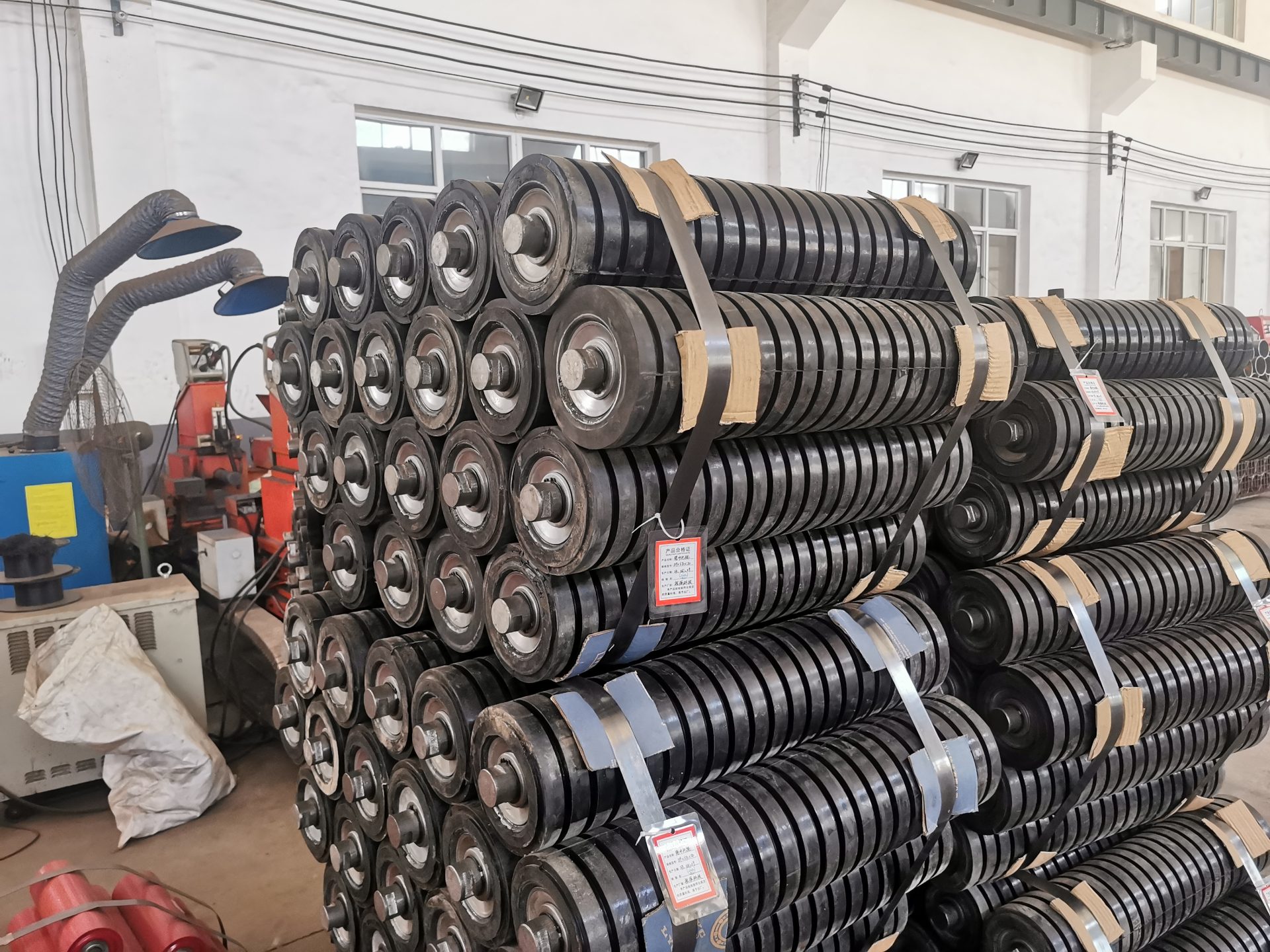
When the commercial request says only “roller,” the receiving team may compare the metal mounting ends and overlook the working surface. Write the impact family and agreed assembly into the line description. If rings are supplied as separate replacement components, distinguish that scope from a complete roller; do not assume that a ring order includes the roller body or bearings.
Ask the Conveyor Roller Manufacturer Where an Assembly Begins and Ends
A roller replacement can be one component within a larger support system. Identify what remains on the conveyor and what the new supply includes. This boundary matters most when a fleet combines independent rollers, suspended groups and guiding components under one supplier relationship.
Garland Spares Include a Connection Decision as Well as a Roller Decision
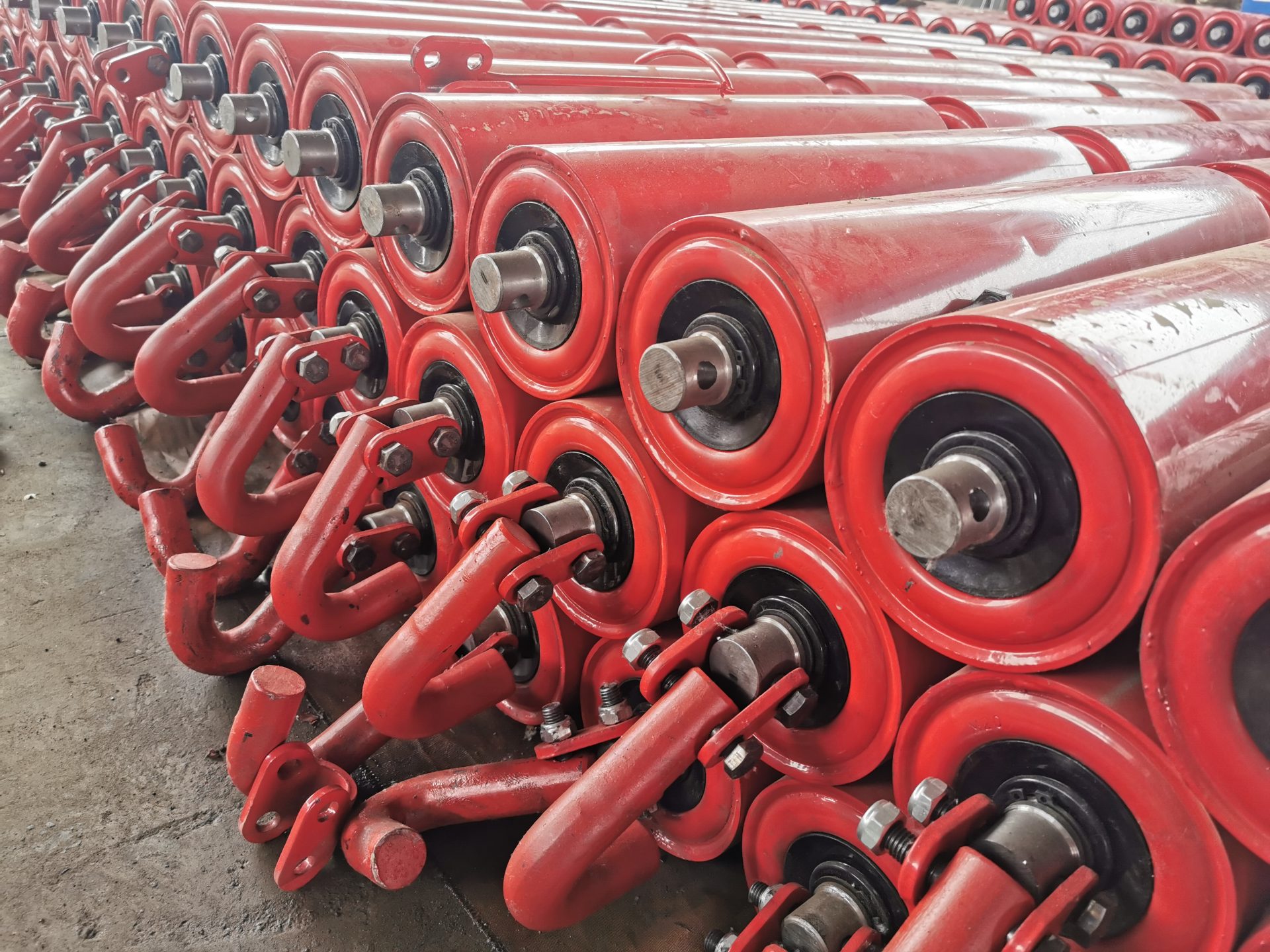
GRAM’s carrying garland assemblies link several rollers and suspend the group from the conveyor structure. The connected set should have its own identity in the fleet, rather than appear as an arithmetic count of unrelated rollers.
A buyer ordering a complete garland must distinguish the linked group from individual replacement rollers within that group. The inter-roller connections and outer suspension interfaces need to match the agreed assembly. If some hardware is retained, say which hardware remains and how the proposed supplied parts relate to it.
For a mixed-fleet contractor, receiving three correctly sized roller bodies does not necessarily fulfil an order for a suspended assembly. The connections may be absent, belong to a different arrangement or require retained pieces that the site no longer has. A complete-set description and a component-only description should remain visibly different on the purchase and delivery records.
Within a suspended set, identify which member a component-only spare replaces. A roller located at one position should not become a generic substitute for every member because its tube looks similar. Retain the agreed connection arrangement and orientation for that position. If the complete set is approved as one arrangement, a changed member or connection requires review of the resulting assembly rather than an isolated confirmation of the replacement body’s dimensions.
Guide Rollers Should Not Disappear into the Carrying-roller Quantity
The guide roller route addresses a different contact from the main carrying support. Keep guide components associated with their actual brackets, orientation and intended belt contact. A body that rotates does not make its function interchangeable with a carrying roller.
A distributor may receive one large order containing carrying rollers and a few guides. If every line is described by diameter alone, those smaller quantities can become difficult to identify after unpacking. Preserve the guide role and agreed mounting reference with the supplied item, especially where its supporting hardware is retained separately.
Repeated belt-edge contact also deserves its own investigation. Ordering a guide replacement should not be treated as approval to force the belt into a path that has not been assessed. The fleet identity can prevent a wrong component from being supplied; it cannot, by itself, confirm the cause or acceptable level of belt contact.
Polymer Bodies Add a Material Branch Without Removing Assembly Differences
GRAM’s polymer roller family provides a different body route, but the complete assembly still needs a defined job. The published description includes machined tube or solid-bar construction, sealed precision bearings, non-contact rubber sealing and metal end caps. Those details make a material-only inventory label incomplete.
If a buyer changes a fleet position from steel to polymer, compare the full offered construction for that position. Do not approve the swap from body appearance or weight impression alone. Its mounting ends, support arrangement, bearings and exposure need to be consistent with the application accepted by the responsible engineer.
A distributor can separate material branches inside an established working family: for example, two proposed body routes for one carrying position can remain separate until both are approved. That is different from combining every polymer roller into a single spare group. Material identity and installation identity should support each other rather than compete for one short stock description.
Where a polymer body is proposed for a different exposure, record which assembly components remain metallic. GRAM’s description specifically includes metal end caps, so the nonmetallic body should not become a claim that every exposed part has changed material. The actual offered shaft, end construction and bearing protection need their own identification. That makes the material branch useful for purchasing without overstating what the polymer designation establishes.
The external Rulmeca technical information for belt-conveyor rollers discusses shell, end-cap, bearing, protection and spindle factors. Its product specifications belong to Rulmeca. The relevant general lesson is to assess the assembled roller, not only its shell material.
Classify a Mixed Roller Order Before Consolidating Quantities
Consolidation should follow technical agreement rather than create it. Begin with the fleet’s working positions and identify the approved supplied object for each. Only then combine quantities where the same construction and application approval genuinely apply.
- Name the role: carrying support, impact support, linked suspended support or a defined guide contact.
- Name the object: complete roller, complete linked set, individual member or separately supplied wearing component.
- Name the accepted installation: retain the drawing and duty reference that authorize that object at the stated position.
- Combine only confirmed equivalents: record which positions share an approval and which remain separate.
For an engineering buyer, this produces a more useful conversation than sending a warehouse photograph and asking for one large batch of “matching rollers.” Photographs can support identification, but the proposed drawing and working duty establish what is being ordered. Where an old part is worn or modified, make that limitation visible instead of assuming every measured feature was originally intended.
One customer may have two lines with nominally similar carrying rollers but different retained frame ends. Another may have replaced part of a linked group with locally sourced components. Neither situation should be hidden inside a fleet-wide quantity. Resolve those exceptions before consolidation so the manufacturer is not expected to guess which version the buyer means.
If an obsolete family is replaced by a revised construction, identify the approved successor without leaving both versions under one undifferentiated stock name. State which installation accepted the change and whether other positions have been reviewed. A buyer can then retire or retain the old spare intentionally, instead of allowing a revised roller to circulate across the entire fleet through an informal statement that it is the new version.
Receiving Checks Should Compare the Family-specific Features
Check a plain carrying roller against its agreed full assembly and ends. Check an impact item against the approved ringed construction as well. For a garland order, verify the supplied connected scope and its identified interfaces. For a guide, verify the component and mounting boundary for the intended contact. These checks differ because the items do different jobs.
If a delivery contains component-only spares, keep them identifiable separately from complete assemblies. A loose ring, connection or bearing-related component should not be counted as a complete roller merely because it appears on the same delivery note. The receiving record needs to preserve the commercial scope that the technical team approved.
Shared Shipments Need Separate Roller and Suspension Identification
Agree how the shipment will preserve each family’s identity during unloading and storage. Shaft ends need protection appropriate to the supplied geometry; ringed surfaces and connection hardware need their own agreed handling arrangements. These are requirements to resolve for the actual consignment, not a promise that every roller type uses one standard package.
A distributor dispatching part of a received batch should keep the identified construction attached to that outgoing quantity. If connection hardware travels separately, link it to its intended assembly rather than placing it in an undifferentiated accessories container. A correct roller becomes an unusable spare when its required connection pieces cannot be identified.
The existing steel roller and bearing discussion can support the steel branch of the assessment. It does not replace the other family records. Consolidate the fleet order only after its carrying, impact, suspended and guide items remain distinguishable to both the manufacturer and the person fitting the delivered spare.
Last Updated on October 2, 2026 by gramconveyor_admin


