The Secret of Reducing the Friction Coefficient of Ceramic Conveyor Rollers By 0.1 and Saving $23,000 in Electricity Bills Per Year
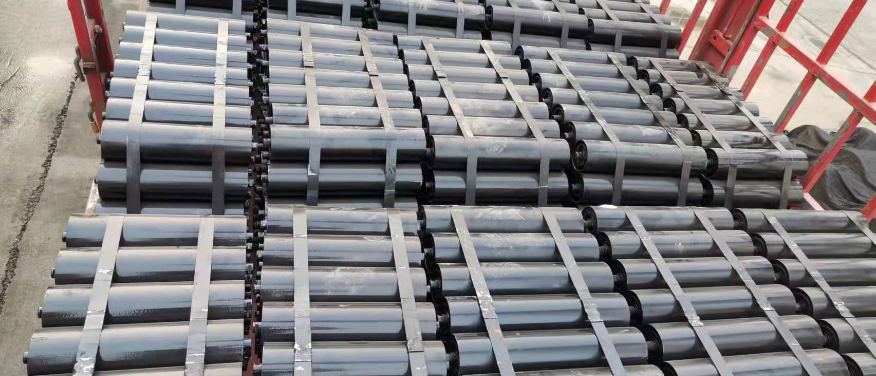
In industrial settings, ceramic conveyor rollers are a crucial component in systems that move materials efficiently across production lines. These conveyor systems are commonly used in industries such as manufacturing, mining, food processing, and logistics. One of the most common yet often overlooked elements in these systems is the roller itself. When ceramic rollers are used, their material properties offer distinct advantages—but one of the most critical factors is the friction coefficient between the roller and the conveyor belt, which can have a profound impact on the overall efficiency of the system.
The Hidden Cost of Friction
In the world of industrial material handling, friction is a silent profit killer. While often overlooked, the friction between conveyor rollers and belts can significantly impact operational efficiency, energy consumption, and long-term maintenance costs. This is especially true in heavy duty roller conveyor systems, where loads are larger and operating hours are longer. Traditional steel rollers, widely used in these conveyor systems, are particularly notorious for their high friction coefficients, typically ranging from 0.15 to 0.20 or higher. This seemingly small number hides a cascade of costly consequences.
High Rolling Resistance: Motors Work Harder
When the friction coefficient is high, the resistance to motion increases. This means that conveyor motors must exert more force to overcome that resistance and keep the system moving. As a result, motors operate under heavier loads, consume more energy, and are subjected to greater wear and tear. Over time, this leads to:
- Higher electricity bills.
- More frequent motor maintenance or replacements.
- Reduced overall system efficiency.
Wasted Energy Turned Into Heat
Not all the energy used in a conveyor system goes into productive motion. In high-friction environments, a significant portion of input energy is lost as heat due to resistance between the belt and rollers. This energy loss not only affects the bottom line but can also contribute to elevated operating temperatures, which may further:
- Degrade nearby components (like belts and bearings).
- Require additional cooling solutions.
- Pose safety or fire risks in sensitive environments.
Accelerated Wear on Chains and Bearings
Friction doesn’t just slow things down — it wears things out. The chains, bearings, and other moving parts in a high-friction system are constantly subjected to excessive mechanical stress. This results in:
- Increased frequency of part failures.
- Higher maintenance costs due to replacements and downtime.
- Reduced lifespan of key system components.
Excessive Noise Pollution
Another often overlooked side effect of high friction is noise. When metal rollers grind against conveyor belts or chain-driven mechanisms under high resistance, they produce loud, grating sounds. This noise pollution contributes to:
- A harsher, more unpleasant working environment.
- Increased risk of hearing damage or the need for protective equipment.
- Potential compliance issues with workplace safety and noise regulations.
The Secret Weapon: Engineered Ceramic Coating
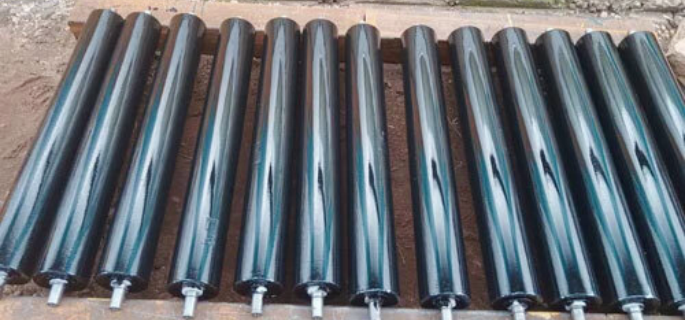
To combat the hidden costs of friction in conveyor systems, many forward-thinking industries are turning to a powerful solution: engineered ceramic coatings. Far more than a cosmetic upgrade, these advanced coatings offer a transformative performance advantage over traditional steel roller — and they’re quickly becoming the secret weapon in high-efficiency material handling systems.
Ultra-Smooth Surface Finish
Engineered ceramic coatings are applied using advanced thermal spray technology, followed by precision grinding and polishing to achieve an ultra-smooth finish. This process creates a surface with an exceptionally low roughness average (Ra), often approaching a mirror-like level. As a result, the friction coefficient can be reduced to as low as 0.05–0.08 — a drop of over 0.1 compared to traditional steel rollers. This reduction significantly improves energy efficiency, reduces motor load, and enhances the overall conveyor system performance.
Extreme Hardness & Wear Resistance
Ceramic coatings made from materials like alumina and chromia offer outstanding hardness and durability. These ceramics are significantly harder than steel and maintain their integrity even under continuous mechanical stress and abrasive environments. In friction roller conveyor applications, this exceptional wear resistance ensures that the low-friction surface remains effective for years, drastically reducing the need for roller replacements. As a result, maintenance intervals are extended, operating costs drop, and productivity increases, making ceramic-coated rollers a long-term cost-effective solution for high-performance conveyor systems.
Anti-Stick Properties
Traditional rollers often suffer from surface buildup due to dust, moisture, or sticky materials, which increases friction over time. Ceramic coatings, however, offer excellent anti-stick properties thanks to their dense, non-porous, and chemically inert surfaces. These surfaces prevent debris and contaminants from adhering, keeping the rollers clean and friction low. This results in more stable operation, less downtime for cleaning, and consistent performance even in environments with high humidity or particulate matter. Overall, it helps maintain optimal conveyor efficiency over long durations.
Stability in Harsh Environments
Ceramic-coated rollers are exceptionally stable in environments where traditional materials may fail. Their natural resistance to corrosion, oxidation, and high temperatures allows them to perform reliably in industries such as mining, metallurgy, or chemical processing. They maintain structural integrity and surface smoothness even under harsh thermal or chemical exposure. This stability ensures long-term performance with minimal degradation, enabling companies to operate conveyor systems with greater confidence, fewer disruptions, and lower maintenance costs — even in the most demanding operating conditions.

How It Saves $23,000/Year (Example Calculation)
Let’s break down a realistic example to show how reducing the friction coefficient of conveyor rollers leads to significant energy and cost savings.
System Overview:
- Conveyor motor power: 100 kW
- Operating time: 8,000 hours per year (24/7 continuous use)
- Friction’s share of motor load: ~40%
- Friction coefficient reduction: From 0.18 to 0.08 (Δμ = 0.1)
Step 1: Estimate the friction-related energy savings
Friction accounts for 40% of total motor power. Reducing the friction coefficient from 0.18 to 0.08 yields a relative reduction:
(0.1 / 0.18) × 40% ≈ 22.2% energy savings
Step 2: Calculate annual energy savings
100 kW × 8,000 hours × 22.2% = 177,600 kWh saved per year
Step 3: Convert to cost savings
177,600 kWh × $0.13/kWh = $23,088 saved annually
Beyond Energy Savings
While the reduction in electricity costs is a major benefit, engineered ceramic rollers provide a wide range of additional advantages that boost operational efficiency, reduce environmental impact, and improve overall system performance.
Lower Maintenance Costs
Ceramic-coated rollers have a 3 to 5 times longer lifespan compared to traditional steel rollers. Their extreme hardness and wear resistance mean they don’t degrade as quickly, even under heavy loads or in abrasive environments. This durability leads to fewer roller replacements, less unscheduled downtime, and lower maintenance labor costs — all of which contribute to a more reliable and cost-efficient operation over time.
Increased Productivity
Lower friction doesn’t just reduce energy use — it also enhances system throughput. With less rolling resistance, conveyor systems can operate at higher speeds or handle heavier loads without increasing power demand. This flexibility opens up opportunities for greater production capacity, faster processing times, and improved responsiveness in high-demand environments.
Improved Sustainability
Reducing friction and saving energy also benefits the environment. Saving 177,600 kWh per year equates to a reduction of approximately 125 metric tons of CO₂ emissions, based on the average U.S. electricity grid emissions factor. For companies committed to sustainability, this helps meet carbon reduction goals and supports ESG (Environmental, Social, and Governance) reporting.
Quieter Operation
High-friction steel rollers can generate substantial mechanical noise, especially at high speeds. Ceramic rollers, with their smooth, low-resistance surfaces, enable quieter conveyor operation, creating a more pleasant and safer work environment. Reduced noise levels can also help meet workplace health regulations and reduce the need for hearing protection in some settings.
Cleaner Process
Ceramic surfaces are chemically inert and non-stick, meaning they resist the buildup of dust, moisture, grease, and product residues. This reduces the reliance on frequent conveyor roller cleaner interventions, resulting in less contamination risk, lower cleaning requirements, and improved hygiene — particularly important in food, pharmaceutical, or clean manufacturing environments. The cleaner surface also ensures that friction remains consistently low over time.
Implementation Strategy
Successfully integrating ceramic-coated rollers into your conveyor system requires a strategic and targeted approach. By focusing on the most impactful areas and aligning materials with operational demands, companies can maximize return on investment while minimizing disruption.
Audit Critical Zones
Start by conducting a system-wide audit to identify key areas where friction has the highest operational cost. Focus on conveyors that operate under high loads, run long distances, or are exposed to harsh environments such as dust, moisture, or chemicals. These zones typically experience the most wear and energy loss, making them ideal candidates for ceramic coating upgrades.
Customize Coating Selection
Not all ceramic coatings are the same. Match the type of ceramic material — such as alumina (Al₂O₃) or chromia (Cr₂O₃) — to the specific requirements of each conveyor. Factors like load capacity, belt speed, environmental exposure, and required surface roughness should guide material selection. This ensures optimal performance, durability, and friction reduction tailored to your exact application.
Phased Rollout
Rather than overhauling the entire system at once, implement a phased installation strategy. Start with high-wear areas or locations with a history of excessive energy use or maintenance issues. These priority zones typically deliver the fastest return on investment, allowing you to evaluate performance improvements and cost savings before committing to a full-scale rollout.
Monitor Performance
Establish a clear method for measuring and comparing system performance before and after installation. Track energy consumption, maintenance frequency, roller replacement rates, and any operational disruptions. This data will help quantify savings, identify additional opportunities for improvement, and build a strong business case for further investment in ceramic technology.
Last Updated on June 13, 2025 by Jordan Smith

Jordan Smith, a seasoned professional with over 20 years of experience in the conveyor system industry. Jordan’s expertise lies in providing comprehensive solutions for conveyor rollers, belts, and accessories, catering to a wide range of industrial needs. From initial design and configuration to installation and meticulous troubleshooting, Jordan is adept at handling all aspects of conveyor system management. Whether you’re looking to upgrade your production line with efficient conveyor belts, require custom conveyor rollers for specific operations, or need expert advice on selecting the right conveyor accessories for your facility, Jordan is your reliable consultant. For any inquiries or assistance with conveyor system optimization, Jordan is available to share his wealth of knowledge and experience. Feel free to reach out at any time for professional guidance on all matters related to conveyor rollers, belts, and accessories.


