
Assess a Stainless Steel Conveyor Rollers Supplier Against the Cleaning Environment
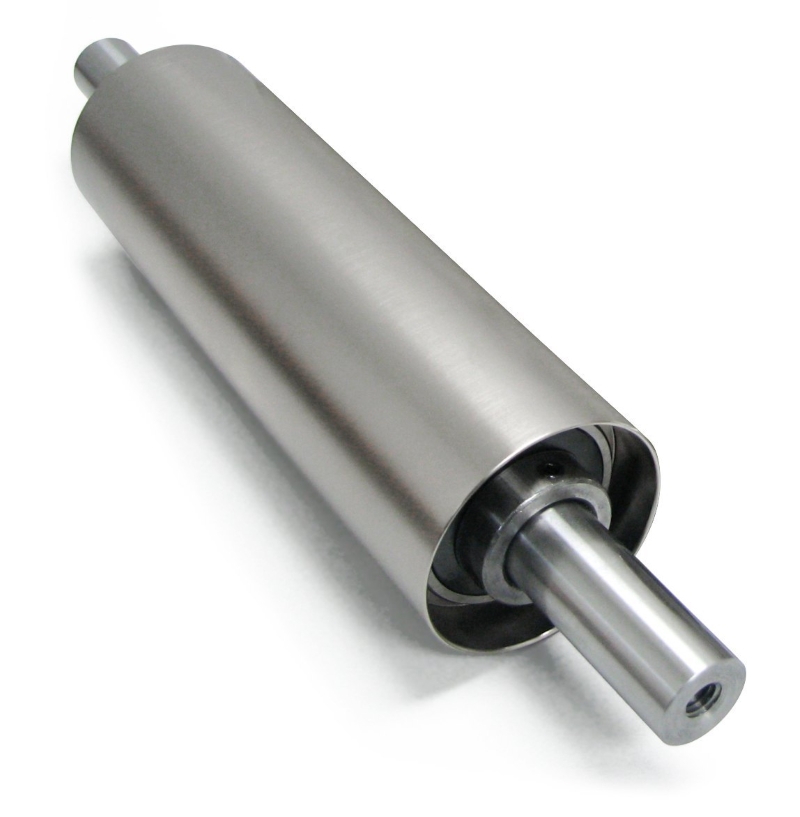
A stainless tube can arrive with a bearing arrangement that was never intended for the plant’s cleaning routine. When assessing a stainless steel conveyor rollers supplier, a processor or equipment buyer should therefore define the cleaning exposure and the complete assembly, not only the visible metal. GRAM’s steel conveyor roller range lists stainless steel among its material choices. Begin there, then identify the tube, shaft, bearing ends and mounting interface required by the existing conveyor.
For transfer equipment exposed to moisture or cleaning chemicals, the first question is what actually reaches each component. Routine wiping, intermittent splashing and direct washdown are different conditions. The stainless material route is relevant to that discussion, but the offered construction still needs to be checked against the cleaning method, load and installation dimensions.
A stainless steel conveyor rollers supplier should define the whole assembly
The word stainless is incomplete when it identifies only the tube. A steel roller also includes bearings at its ends and a shaft or axle interface that connects it to the conveyor. Ask which components use the declared material and which use a different construction. This is especially important when exposed shaft ends remain wet after the tube has dried.
| Component being described | Information that belongs in the offer | Cleaning-related question |
|---|---|---|
| Running tube | Material designation and finished surface | What solution or deposit remains on the surface? |
| Shaft ends | Material, end form and mounting dimensions | Can moisture collect at the frame connection? |
| Bearing ends | Bearing and protective arrangement | Is cleaning directed toward an exposed end? |
| End components | Actual materials and assembly drawing | Are there crevices or contact points that retain residue? |
A distributor stocking replacements for several processing customers should keep those component descriptions attached to each item. Two stainless rollers can have the same visible tube diameter while differing at the shaft or bearing ends. Combining them under a single stock description can turn a material match into an installation or maintenance mismatch.
Stainless roller tubes need an actual material declaration
GRAM discusses stainless steel for moisture and corrosive environments, but that discussion is not a declaration of a particular alloy for every available roller. Specify the required material in the enquiry and obtain the offered material description in return. Do not infer an alloy designation from a silver finish, a photograph or the general product family name.
If the plant’s cleaning solution contains several ingredients, provide the real mixture and use conditions. Concentration, temperature and contact duration can change the assessment. The person responsible for the cleaning process should identify the exposure; the roller supplier should state the construction proposed for it. A generic corrosion-resistant description leaves too much of that decision unresolved.
Stainless conveyor roller selection starts with the cleaning routine
A buyer replacing rollers on a wet transfer line should describe how the equipment is cleaned while shut down. Does the operator wipe the tube, wash the frame or direct spray at the bearing ends? Is residue removed before it dries? Those practical details are more useful than the broad label washdown environment.
Bearing protection must address where the cleaning fluid goes
When moisture reaches an end assembly, a corrosion-resistant tube does not automatically keep the bearing dry. Review the bearing protection and the route through which water or abrasive residue could enter. Ask whether the offered arrangement is suitable for the actual cleaning method, rather than assuming a protected bearing can tolerate any pressure or direction of spray.
GRAM’s polymer roller range describes sealed precision bearings, non-contact rubber seals and metal end caps. Those details show why the end construction deserves attention even when comparing different body materials. They are not a universal washdown approval and should not be transferred to an unspecified stainless assembly.
Deposits at the stainless shaft ends can change the maintenance problem
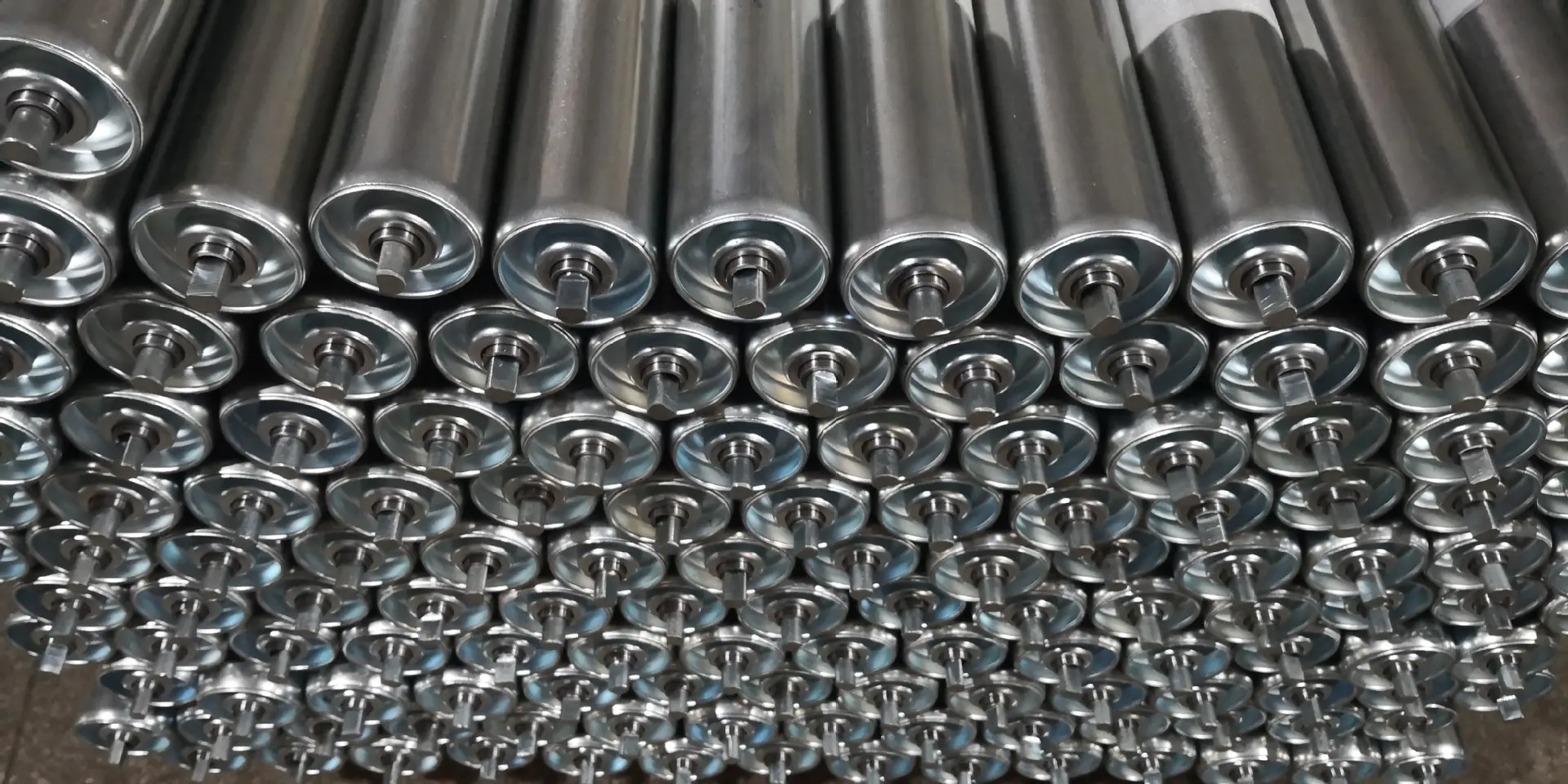
Some faults arise where the shaft seats in the conveyor frame. Residue can accumulate there, and repeated cleaning may leave moisture in a sheltered area. Record this location when the plant removes the old rollers. A close photograph and a drawing of the bracket interface help explain the exposure without claiming a corrosion mechanism that has not been established.
For a processor whose rollers turn freely after washing but become difficult to rotate later, compare the time and location of the change. The problem could involve deposits, bearing protection or frame interference. The useful response is an investigation of that assembly, not an automatic increase in the tube’s material specification.
Compare stainless steel with the other GRAM roller routes
Stainless steel is a reasonable route to evaluate where moisture or chemical exposure makes an ordinary steel surface unsuitable. It is not automatically the lowest-cost choice for a dry, clean transfer that already operates reliably. Retain the existing load and installation requirements while comparing materials so that the benefit being purchased remains clear.
GRAM’s nylon rollers provide a different body-material option. Nylon should not be described as stainless-equivalent, nor should its general material characteristics become a chemical compatibility claim for the delivered assembly. Compare the proposed nylon construction against the exact exposure and mechanical duty.
The main conveyor roller range also describes rubber-coated steel rollers. A coated running surface can address grip or product contact, but that is a different objective from choosing the exposed assembly for cleaning resistance. If both needs apply, specify both; do not expect a coating to resolve every material issue at the shaft and bearing ends.

Guide rollers have another function again: local guiding rather than ordinary support across the conveyor. Their built-in bearing construction does not make them substitutes for the load-carrying rollers. Where the process needs guiding and conveying, keep the two enquiries separate and identify their mounting locations.
Approve stainless roller dimensions before assessing the purchase price
The offered tube must fit the working span, and the shaft ends must engage the existing frame as intended. Record whether the roller is free-running or part of a powered system. If it has a driven feature, the transmission interface belongs in the drawing as well. A stainless material match cannot compensate for a roller that contacts the frame or misses the drive position.
The discussion of custom roller dimensions is relevant when the old sample and the equipment drawing disagree. Decide which dimensions have been verified on the conveyor and which depend on supplier interpretation. Resolve the uncertain interfaces before the roller is accepted for manufacture.
External Interroll roller information separates materials and components such as shafts, tubes and bearings. That component-level approach is useful for understanding a technical offer. Interroll’s individual product capabilities and qualifications remain its own; they should not appear as claims about a GRAM assembly.
Cleaning changes require a fresh stainless assembly assessment
A cleaning change can require a fresh roller assessment even when the conveyor itself is unchanged. If a plant introduces a stronger detergent, a warmer rinse or longer contact time, provide that update with the replacement enquiry. The stainless tube description should be assessed against the revised exposure rather than treated as a permanent approval for every cleaning process used at that location.
One practical comparison is a roller cleaned by wiping against a roller beside a frame junction that retains rinse water. They may use the same tube, but the end assemblies see different conditions. Ask the supplier to explain the proposed protection for each location. Keep the response attached to the material declaration so the buyer can see whether the offered assembly addresses the observed exposure.
When hygiene is part of the customer’s requirement, have the customer identify the actual acceptance criteria. Stainless appearance is not a food-contact declaration, a hygienic-design approval or proof of a cleanable assembled interface. GRAM’s material range can support a stainless enquiry, but the purchase must still obtain whatever product-specific documents and design review the customer’s process requires.
Mixed-material assemblies deserve particular clarity. If an exposed fastener, shaft surface or end component uses a different material, name it in the proposal. The buyer can then ask whether the combination is appropriate for the stated wet environment. This is more informative than extending the tube’s stainless description to every component without checking the actual assembly.
Receiving checks should preserve the declared stainless construction
At delivery, match the identification and supplied documents to the approved material declaration. Inspect the tube, shaft and end components for damage or signs of substitution. Check rotation and installation dimensions on the delivered assembly. If the material evidence identifies only the tube, do not extend it to the rest of the roller without confirmation.
Agree a packing arrangement that prevents metal-to-metal rubbing at the finished running surface and protects the bearing ends during transit. Keep any supplied surface or handling instructions with the roller identification. These requirements are particularly relevant when stainless replacements arrive mixed with other steel rollers and the intended installation positions could otherwise be confused.
The decisive approval is not the word stainless on the quotation. It is agreement between the plant’s cleaning routine, the declared materials of the complete assembly and the conveyor’s mounting requirements. If those agree, the purchasing team has a defensible basis for comparing the offer. If they do not, obtain the missing component or exposure information before selecting the replacement.
Last Updated on October 3, 2026 by gramconveyor_admin


