
Compare Complete Roller Weight with a Polymer Conveyor Idlers Supplier

A quotation gives the weight of a polymer body, while the retained steel roller’s record gives the weight of the complete assembly. Comparing those figures can exaggerate the apparent difference. A polymer conveyor idlers supplier should identify what each weight includes before a contractor uses it in replacement planning. Begin with GRAM’s polymer roller route and the actual complete offered assembly, including its body, bearings, ends and shaft interfaces.
This is relevant to buyers considering a material alternative for restricted installation access or a mixed replacement order. The weight of a supplied complete roller can inform the project’s handling review. It does not, by itself, establish load capacity, low running resistance or a quantified improvement in conveyor performance.
A polymer conveyor idlers supplier should identify the weight unit
State whether a value concerns the body, complete roller, connected group or transport package. Those are different units. Keep the object attached to the figure in the quotation rather than retain a number after its original description has been removed.
A distributor should preserve that distinction when passing the comparison to the customer. A body-only figure should not be presented as the weight that the customer will receive and install. Ask for the actual assembly basis if the supplier’s information is incomplete.
Does the polymer value include bearings, end caps and shaft?
GRAM’s polymer description includes sealed precision bearings, non-contact rubber seals and metal end caps in addition to the polymer body. Those components belong to the complete assembly. A body-material description therefore cannot establish the complete supplied weight on its own.
Ask the supplier which parts are included in the stated figure and which actual roller reference it identifies. If the figure comes from a different size or construction, keep that limitation clear. It is not an accepted value for the proposed replacement merely because both items use polymer.
Is the quoted polymer body a tube or a solid-bar construction?
GRAM describes a machined polymer tube or solid bar as body routes. These are distinguishable constructions even where the outside material family is shared. Preserve the actual proposed form when comparing the complete roller, rather than assume that every polymer body has the same internal build.
The supplier’s offered dimensions and construction should establish the actual item. Do not calculate its weight from an assumed resin density or a guessed wall thickness. A general product description does not supply those missing values for the current proposal.
Compare the polymer alternative with the retained steel roller
GRAM steel rollers use a cylindrical body, bearings near its ends and projecting shaft interfaces. Compare complete assemblies for the intended position. An outside diameter or tube length alone does not show that all other construction features match.
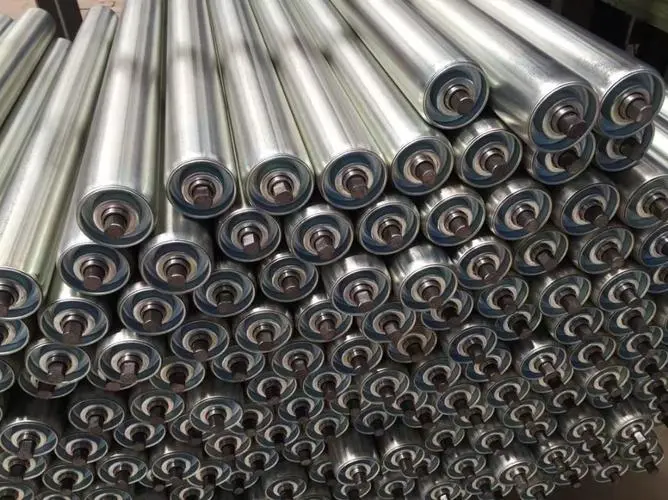
A contractor considering a different body material should keep the retained mounting relationship explicit. If that relationship is accepted while the body and ends change, record the actual complete alternative. A lighter stated weight cannot substitute for the required fit and duty information.
For a plant buying several sizes, retain a weight basis for each accepted item where it is relevant. Do not apply the figure for a shorter or differently built roller to every replacement. Aggregated shipping information and individual assembly information answer different questions.
Does a lighter quoted roller establish the same accepted duty?
No weight comparison alone establishes equivalent load acceptance. The proposed polymer unit needs its own applicable construction and duty information. Keep that review alongside the weight basis rather than use one number as a summary of every performance question.
A buyer can prefer a material route while still leaving an unresolved capacity or environmental condition open. The useful supplier proposal states the actual construction and the basis it addresses. Avoid treating a broad lightweight description as an unconditional substitution for the retained steel unit.
Primary polymer roller descriptions discuss weight and running characteristics as separate product considerations. That distinction provides general context. Their resins, operating limits, components and claimed performance are not GRAM specifications.
Weight and running resistance are different acceptance questions
A figure for total assembly weight does not identify the resistance of the assembled roller as it runs. If the project requires running-performance evidence, ask for applicable information concerning the offered construction and its conditions. Do not turn a body-material comparison into a quantified energy-saving claim.
The polymer body and end-construction discussion helps identify the assembly involved. Here the purchasing question is what a supplied weight comparison proves. It should remain a weight comparison unless separate evidence establishes another claimed property.
Can a silent roller description replace noise evidence?
GRAM’s silent roller route provides a separate entry for noise-related enquiries. The name does not establish a quantified noise result for every polymer replacement. A project with a specific acoustic requirement needs its own applicable evidence and accepted basis.
For an engineer comparing several routes, keep noise, running behaviour and complete weight as distinguishable requirements. A proposal can address one while leaving another unresolved. That gives the buyer a clearer decision than bundling all three into a generic low-weight, low-noise promise.
Nylon and ringed rollers should remain identifiable alternatives
The GRAM nylon roller route is relevant when nylon is the actual specified material. Keep the proposed construction and material declaration recognizable. A general polymer family name should not replace a customer’s explicit nylon requirement.
If nylon is offered as an alternative, identify the actual complete roller rather than copy a weight from another polymer body. The accepted proposal should retain its own material, end construction and mounting basis. No resin grade or numerical material property is established by the family name alone.
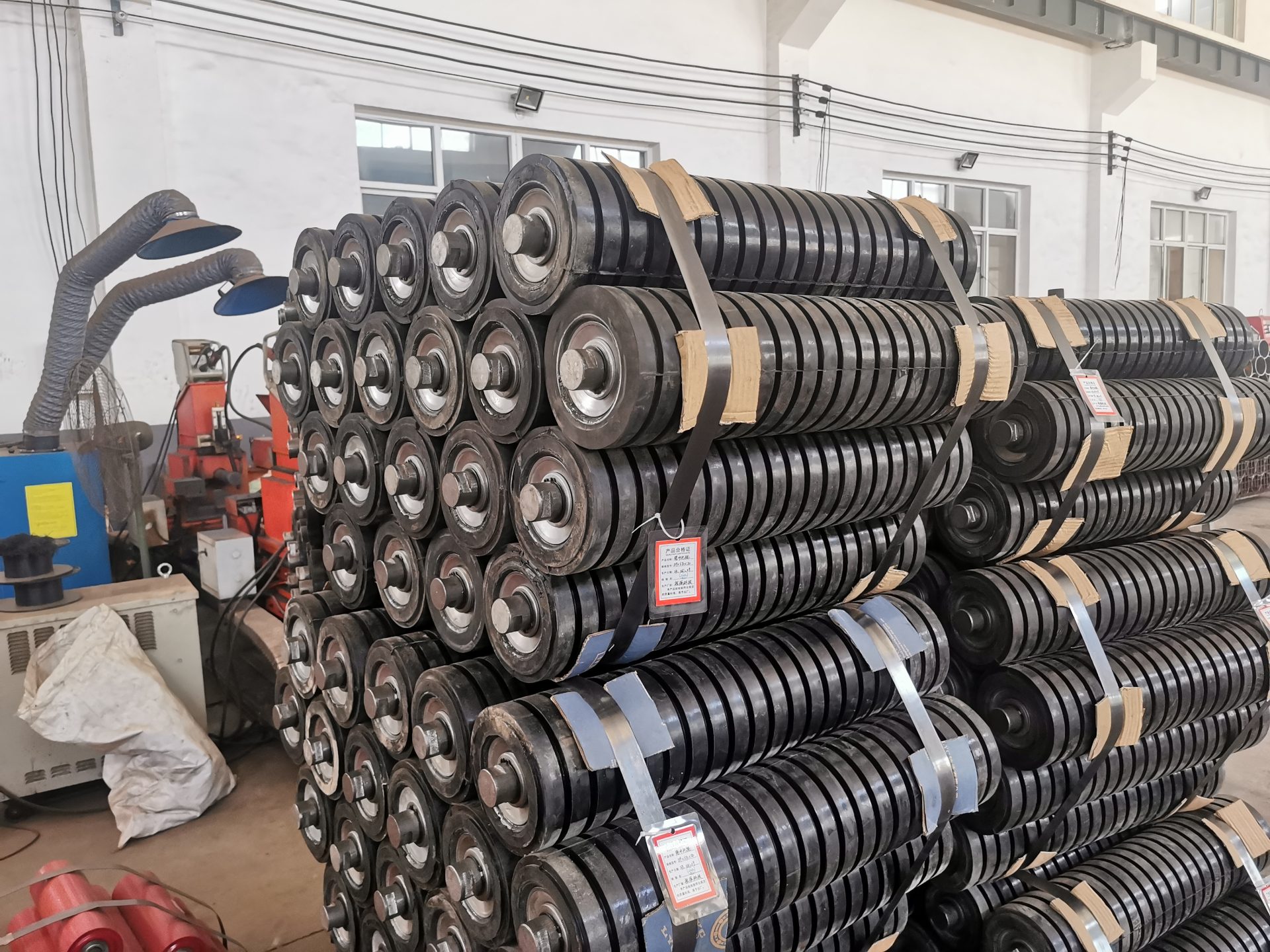
GRAM’s rubber-ring impact rollers have an additional working-surface construction. A weight comparison with a plain roller should identify that difference. Do not present their complete masses as evidence of interchangeable duty simply because the underlying bodies appear similar.
Use complete assembly information for the actual delivery and access review
Consider a buyer who receives a light polymer-shell value for a short sample and compares it with a long complete steel roller scheduled for replacement. That comparison changes both the unit and the construction dimensions. Ask for the actual complete offered reference before using the difference in a project assessment. The supplier’s material description cannot correct an inconsistent numerical comparison after its original labels have been removed.
A distributor may instead receive a total packaged weight that includes several complete polymer rollers. Keep that figure for the transport purpose it serves. Dividing it by the roller count without knowing the package contents does not establish the confirmed weight of each assembly. Ask for separately identified unit information where the customer’s equipment review needs it.
For an access-constrained replacement, the complete roller’s shape also remains relevant alongside its weight. Project planning should use the accepted assembly with its projecting ends, not a simplified cylinder representing only the body. A lower stated mass does not settle the physical access question. The responsible installation review needs the actual offered dimensions and unit, while the supplier’s commercial record should preserve that reference.
A contractor evaluating restricted access needs the actual offered assembly dimensions and relevant weight information. The project should assess its handling arrangements using that identified unit. This article does not prescribe lifting equipment, manual handling limits or an installation method.
For a distributor planning transport, keep the individual roller weight distinguishable from the proposed packed consignment. Ask the supplier to define the actual package and its contents. A body-only value cannot establish the transport weight of several complete rollers and their packing.
Consider a mixed dispatch containing short polymer rollers and longer steel units. The receiving team needs the accepted item references and actual quantities, not an average weight that obscures different assemblies. Preserve the supplied construction identities with any agreed package grouping.
If a quotation changes from tube to solid-bar construction after the weight comparison, review whether the figure still concerns the current offer. The same outside diameter does not establish an unchanged complete assembly. Keep the revised reference with the value used in the project’s assessment.
The same principle applies when end components change while the polymer body remains. Ask for information that identifies the revised complete roller. The buyer should not use an earlier value as though it were automatically confirmed for every later assembly revision.
Accept a polymer alternative whose complete construction, duty and comparison basis are identifiable. If lighter weight matters to the project, use an actual complete-unit value for that decision. Keep capacity, running behaviour and noise requirements separate so the chosen material is not asked to prove properties that its name alone cannot establish.
Last Updated on October 3, 2026 by gramconveyor_admin


