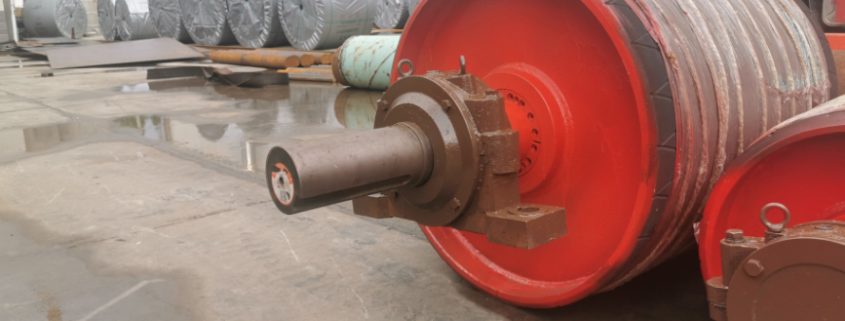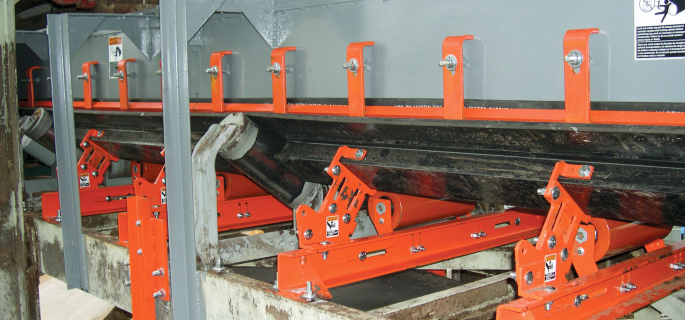

In the realm of bulk material handling, conveyor idler pulleys are unsung heroes. These essential components are crucial for the smooth operation of conveyor belts, supporting the weight and guiding the path of both the belt and the materials it carries. Their role is vital in maintaining operational efficiency and extending the lifespan of the conveyor system itself.
The interaction between idler pulleys and conveyor belts is a delicate dance of balance and precision. Each pulley must be meticulously designed and placed to ensure the belt moves smoothly and consistently. This is where adhering to Conveyor Equipment Manufacturers Association (CEMA) specifications becomes crucial. These standards ensure that idler pulleys are built to withstand the rigors of their environment, whether it’s the dusty corridors of a mine or the corrosive atmosphere of a chemical plant.
Meeting or exceeding CEMA specifications isn’t just about following rules; it’s about ensuring the reliability and safety of the conveyor system. A well-designed idler pulley contributes to reduced wear on the belt, decreased downtime, and lower maintenance costs, directly impacting operational efficiency and productivity.
In essence, while they may be just one component of a larger system, conveyor idler pulleys play a pivotal role in the world of material handling. Their design, quality, and compliance with industry standards are key to keeping the wheels of various industries turning smoothly.
Read more