
Give a Grooved Conveyor Rollers Supplier the Groove Position Before the Roller Length
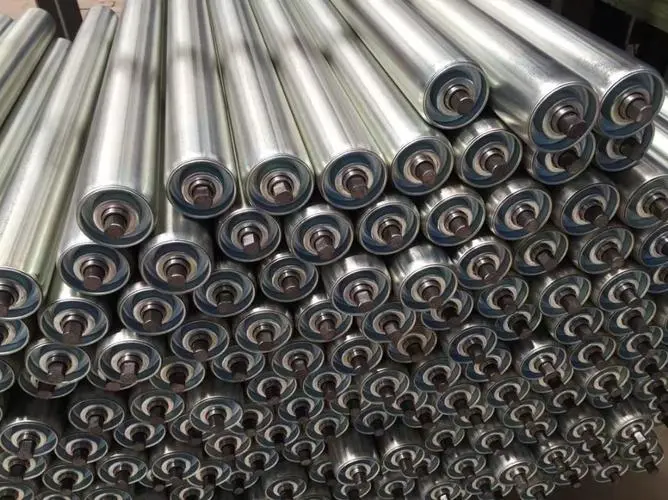
The replacement roller fits between the side frames, yet the drive belt no longer sits in its groove. That is the failure a buyer should prevent when choosing a grooved conveyor rollers supplier. On a line-shaft or other belt-driven roller installation, define the groove position from an agreed mounting reference before approving the nominal roller length. GRAM names grooved rollers within its steel roller range; the right starting point is the existing drive arrangement and the complete roller drawing.
For a maintenance buyer or conveyor integrator, the first information is where the drive belt must run, how the roller is retained and what surface carries the load. A groove should be specified as a transmission interface, not merely a visible feature copied from a photograph. The offered construction must match the actual equipment.
A grooved conveyor rollers supplier needs a common groove datum
A dimension is only useful when both parties measure from the same reference. State which end of the roller establishes the groove position and identify that end on the drawing. If one party measures from the tube edge and another from the shaft end, the quoted dimensions can look consistent while locating the groove differently.
Groove offset should be measured from an identified roller end
Measure an installed working roller or use the conveyor’s approved drawing. A loose sample may have been turned around during removal, and wear can make the groove edges difficult to identify. Mark the orientation and measurement surfaces before sending the sample to the supplier. Include both ends when their shaft arrangements differ.
A distributor who receives a worn grooved roller with only an overall length should not assume its groove is centered or mirrored. Ask where the drive is located on the conveyor and which direction the sample was installed. That small clarification can prevent the manufacture of an assembly that fits the frame but does not meet the retained transmission.
Groove profile and drive-belt contact need their own description
The location of the groove and its shape are different requirements. Supply the existing drive-belt information or have the conveyor designer define the required interface. Ask the supplier to show the offered groove profile. Do not assume that every recessed ring in a roller is intended for the same belt section or contact geometry.
GRAM’s general steel range does not establish a single groove count or a universal drive-belt specification. Those details belong to the particular enquiry. Where the existing belt is also being changed, coordinate the new belt interface with the roller proposal rather than allowing each part to be selected independently.
Grooved conveyor roller selection must preserve shaft orientation
The GRAM conveyor roller range discusses round, hex and spring-loaded shaft arrangements. These mounting features can determine how a roller is positioned and retained. Identify the actual end form before approving the groove location; the visible tube length alone does not establish the assembly’s position in the frame.
Spring-loaded ends simplify fitting but do not locate the drive plane
A spring-loaded shaft can help a roller fit between fixed frames. Once installed, its retained geometry still needs to place the groove where the drive belt expects it. Confirm the compressed installation condition and the working shaft engagement separately. Do not use installation convenience as evidence that the drive interface is correct.
For a line-shaft conveyor retaining its existing drive belts, the buyer should compare the proposed roller’s installed groove plane with the old working assembly. If a shaft projection or end component changes, the groove may move relative to the conveyor even when its distance from the tube edge appears unchanged. Review the complete drawing.
Keep grooved, sprocket and free-running roller enquiries separate
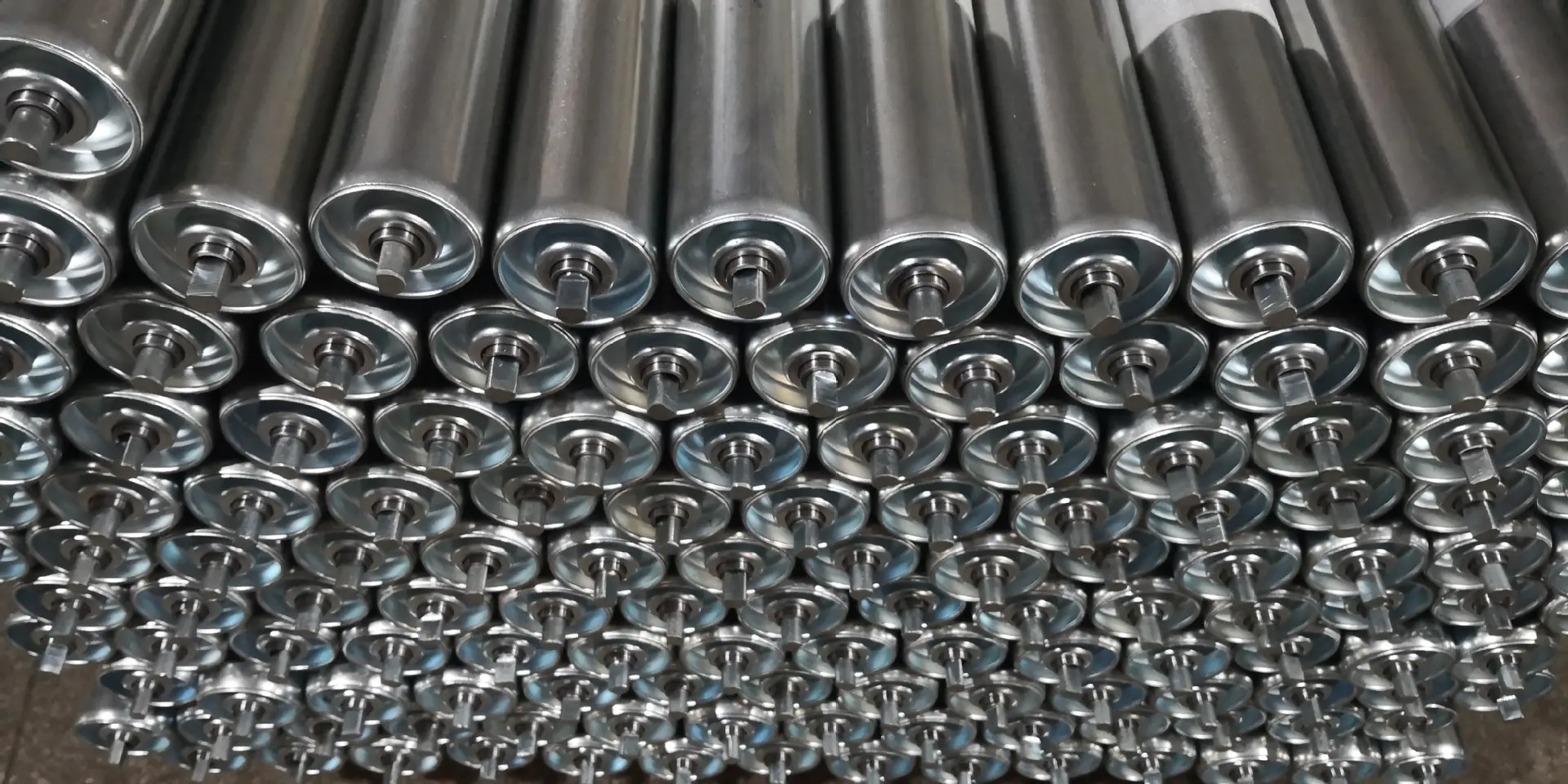
GRAM lists sprocket rollers as a separate specialized steel variant. A sprocket engages a chain transmission, while a groove can serve a belt-driven arrangement. These are different interfaces. If the conveyor owner is considering a drive conversion, that is a system design decision rather than a simple replacement of one roller surface feature.
The heavy-duty roller conveyor range also distinguishes gravity and powered conveying. A free-running roller may have no driven interface at all. Establish the movement method first so that the supplier does not have to infer it from the customer’s informal description of the conveyor.
Tapered rollers belong to another geometry question. If the replacement is for a curve, state the taper and orientation as well as any groove. A groove dimension copied from a straight roller should not be assumed appropriate for the curved section. The combined construction needs to match the equipment drawing.
Rolcon’s conveyor products separates gravity, grooved and other replacement roller routes. This is useful external context for identifying the drive function. The manufacturer’s model-specific dimensions and options are not GRAM specifications and should not be used to fill gaps in the purchase drawing.
Look beyond the groove when the replacement line is noisy
A drive belt that does not track in its intended groove can create a contact problem, but not every noise comes from groove alignment. Inspect whether the sound coincides with a loaded roller, a drive contact or a bearing end. Record the condition before ordering a different surface treatment or a quiet-running alternative.
GRAM’s quiet roller conveying range is relevant when the buyer is evaluating noise-related construction. It does not establish a measured noise improvement for an unspecified grooved assembly. Ask what is offered for the actual drive and load rather than assigning a sound reduction from a general product description.
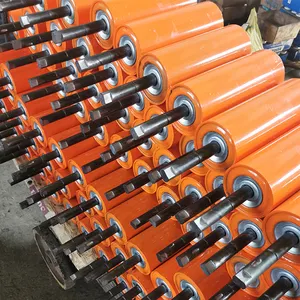
A line with local guides may need those components reviewed as well, but a guide roller should not be used to force a misaligned drive belt into place. Correct the specified transmission interface through the equipment’s approved design. Work on the conveyor must follow its isolation and guarding procedures.
Receiving a grooved roller requires more than checking its outside diameter
Compare the delivered groove location and profile with the approved drawing. Confirm the shaft ends and mounting span, and check that the roller rotates without obvious end contact. If multiple groove positions are included in one delivery, identify each assembly before it enters storage. Visual similarity is not enough to keep different drive arrangements apart.
Where dimensional tolerances or a runout requirement are important, state the acceptance values before production. The supplier’s inspection record should refer to the same groove and mounting references used in the drawing. A generic quality statement does not establish that the drive plane was measured.
Separate groove contamination from grooved spare-part identification
Deposits in the drive groove should be distinguished from a dimensional mismatch
A groove that collects residue can create a different fault from one manufactured at the wrong position. Record whether the drive belt tracks correctly when the roller is clean and whether the problem changes as deposits build up. That observation helps the buyer describe the service condition without prematurely assigning the cause to the supplied dimensions.
Do not scrape or adjust a moving transmission to test that theory. Use the conveyor’s approved isolation and inspection procedure. If residue is present, identify its source and ask how the offered surface and groove construction should be maintained. A new roller with the correct dimensions may still face the same contamination unless the operating condition is understood.
Another useful distinction is between groove wear and drive-belt wear. A worn belt can make an otherwise correct groove appear unsuitable, while a damaged groove can affect a new belt. If both components are being replaced, tell the supplier which interface the new assembly must satisfy. An enquiry based only on the old roller’s worn surface can preserve the wrong contact geometry.
For a distributor keeping emergency spares, retain the drive-belt identification with the roller record even if the belt is supplied by someone else. This does not mean GRAM supplies that drive component. It means the replacement roller must be identified by the transmission it is intended to meet, as well as its own tube and shaft dimensions.
Agree packing that protects the working surface and projecting ends from damage. Preserve the identification of groove position, shaft form and conveyor section on the packages. A distributor stocking several similar rollers should separate them by those interfaces rather than keeping only a nominal diameter and length in the inventory description.
The replacement roller assembly discussion helps define what is included in the supplied unit. For a grooved roller order, keep the drive interface within that definition. The belt contact, groove profile, installed groove plane and frame fit need to be approved together.
Send the supplier the groove reference before asking it to copy the tube length. That order of information makes the intended transmission clear. When the drawing preserves the existing drive plane and the complete mounting interface, the replacement can be assessed as a working conveyor component rather than a roller with a recess in its surface.
Last Updated on October 3, 2026 by gramconveyor_admin


