
Agree the Replacement Unit with a Replacement Conveyor Rollers Supplier Before Pricing the Repair
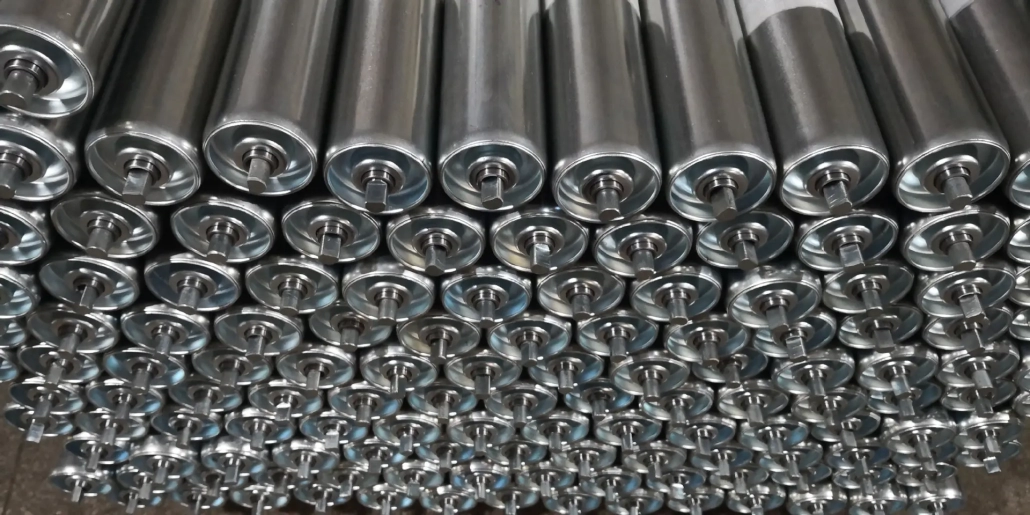
Maintenance asks for a bearing, procurement asks for a roller, and the customer expects a complete replacement that fits the retained supports. Those requests concern different supply units. Before pricing the work, a replacement conveyor rollers supplier should establish what is being purchased and which parts, if any, will remain. Start with GRAM’s conveyor roller range and identify the actual complete assembly or component proposal rather than use “repair” as a substitute for supply scope.
For contractors and distributors, this is a purchasing boundary, not a dismantling instruction. A complete roller offer does not demonstrate that individual bearings are supplied separately. A component-only request does not demonstrate that the retained assembly is suitable for rebuilding. Those questions need their own actual proposal and responsible assessment.
The replacement conveyor rollers supplier needs one defined supply unit
State whether the customer wants a complete roller, an identified separate component or a connected group. Preserve that unit in the request, quotation and accepted order. A price can only be compared meaningfully when the buyer knows which unit it covers and what retained equipment the proposal assumes.
A distributor should pass the clarified unit back to the final customer before accepting a different scope. If the customer requests a complete replacement but the quote covers a body alone, the offer is incomplete for that request. Do not fill the gap with assumed bearings, ends or assembly work.
A complete steel roller includes more than the visible tube
GRAM steel rollers use a cylindrical body rotating around a central axle, with bearings toward the ends and projecting shaft interfaces. Those parts describe the complete assembly relationship. A tube photograph does not establish that a tube-only offer includes them all.
If a complete roller is the required unit, keep the body and end construction identifiable together. The retained support relationship still needs definition. A quotation for an outside cylinder should not be presented as a ready replacement merely because its visible diameter resembles the removed assembly.
A bearing request should not imply an accepted roller rebuild
If maintenance requests an internal component, procurement needs to establish whether the supplier actually offers that component and under what identified scope. GRAM’s complete roller descriptions do not prove a separate bearing inventory or rebuilding service. The customer should receive an explicit answer rather than an inferred one.
The decision to retain or rebuild an existing assembly belongs to the responsible maintenance assessment. A component’s availability cannot establish that decision. Keep any intended retained parts and the party responsible for the work distinguishable from the supplier’s delivery obligation.
Compare roller replacement scopes before comparing prices
Separate the actual included parts and any stated exclusions. A low figure for one component should not be compared directly with a complete assembly price. Equally, a complete roller price should not be described as a repair service if it covers supply only.
| Requested unit | Boundary that must be clear |
|---|---|
| Complete roller | The identified body, ends and assembly being supplied |
| Separate component | The actual offered part and the retained assembly it is intended for |
| Connected group | The supplied group and the retained supporting equipment |
Consider a contractor gathering three proposals after a failed roller is removed. One supplier quotes a complete unit, another quotes only a body and the third offers a different assembly pending equipment review. The buyer has three different proposals, not three equivalent replacement prices. Clarify them against the same intended task before selecting one.
A primary roller range description distinguishes body construction, bearing ends and application-dependent configurations. That general assembly distinction is useful here. It does not establish GRAM repair services, component stocks or compatibility with another manufacturer’s roller.
Polymer replacements need a complete changed-construction proposal
GRAM polymer rollers are described with a machined polymer tube or solid bar, sealed precision bearings, non-contact rubber seals and metal end caps. If the buyer considers a polymer alternative, identify that actual complete unit rather than order an unspecified replacement body.

Retained mounting does not mean every internal component is retained
The new unit may be intended for the existing support interfaces while changing its body and end construction. State that relationship explicitly. The buyer should know which equipment remains on the conveyor and which parts belong to the supplied replacement assembly.
A material alternative should remain a separate proposal until the project accepts its fit and duty. A supplier’s generic polymer description should not be converted into approval for the removed steel unit’s location. Keep the actual offered reference and acceptance basis attached to the order.
For a distributor, do not describe a whole-roller substitution as a body repair. The customer needs to understand the actual item arriving. A changed supplied unit can have different commercial and technical boundaries from the component request that initiated the enquiry.
Rubber-ring replacements distinguish surface parts from complete impact rollers
GRAM’s rubber-ring impact rollers have a ringed belt-contacting working surface. A request concerning worn rings can refer either to separate surface components or a complete impact assembly. The supplier’s actual offer should establish which purchase is available and intended.
Do not assume separate-ring supply or an accepted ring-replacement service from a complete roller photograph. If the proposed unit is a complete impact roller, define the working surface, underlying assembly and mounting ends together. If a component is offered separately, preserve that narrower scope.
A contractor should also retain the original duty distinction. A plain roller cannot be described as an equivalent complete replacement solely because its shaft ends fit the same brackets. The accepted proposal needs the actual working construction selected for that location.
Where the removed rings no longer show the original profile clearly, identify the uncertainty rather than invent a nominal construction. The supplier can propose an identifiable replacement for the retained arrangement. The project still needs to accept that proposal rather than approve a guessed reconstruction.
Garland replacement units can be rollers or connected groups
GRAM carrying garlands use connected rollers suspended as a group. The order unit should distinguish an individual component from the linked assembly. A quantity of loose rollers does not automatically constitute complete accepted groups.
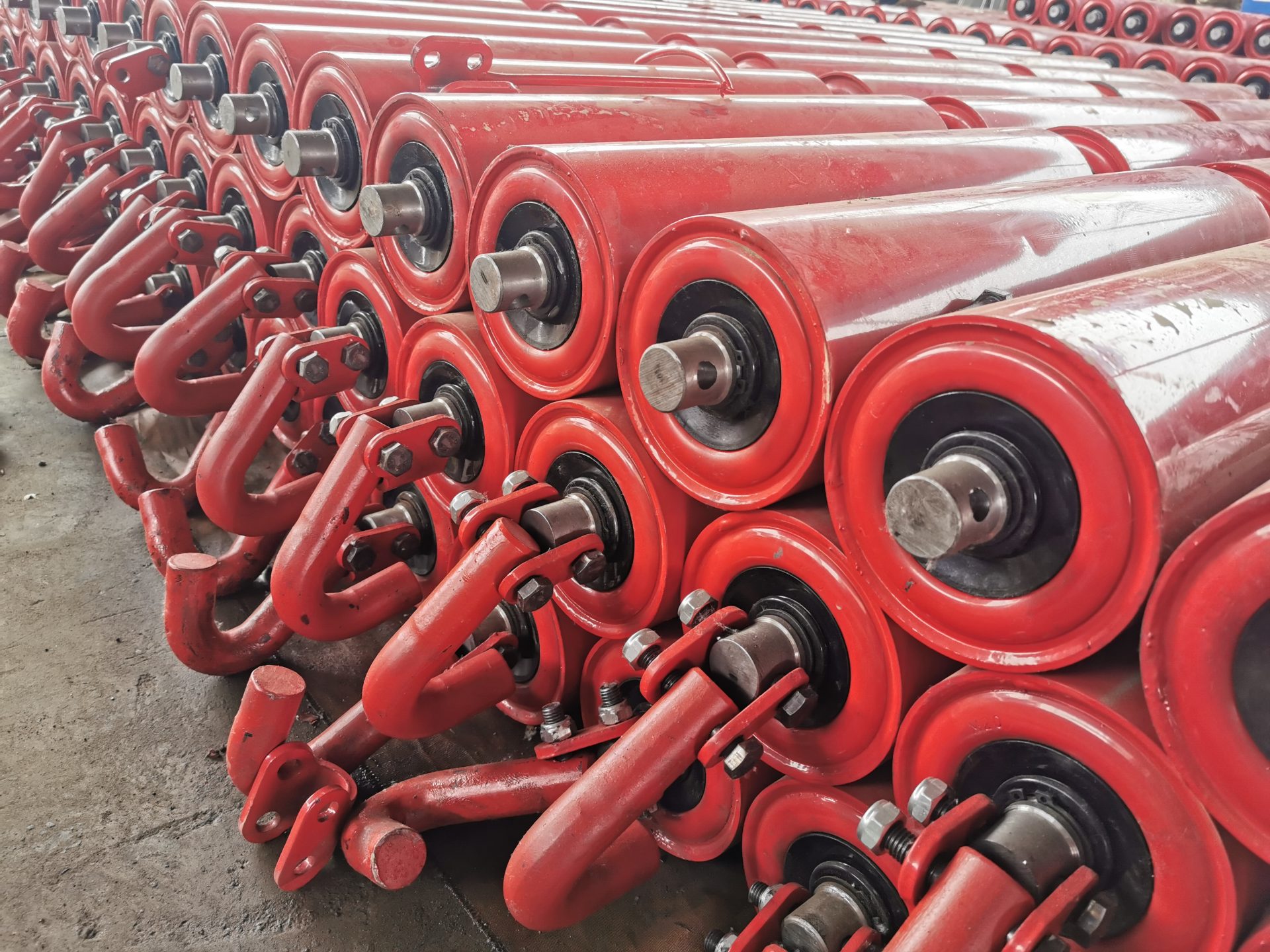
A distributor may receive a request for several “garlands” and quote individual roller prices. Resolve that mismatch before accepting the order. Identify the connected assembly, any supplied connection parts and the retained support boundary. Do not assume unspecified hardware is included.
For partial replacement, identify which group remains and which supplied component enters it. A loose roller reference should connect to the intended retained arrangement. If that relationship cannot be established, leave the proposal conditional rather than promise interchangeability.
Keep the repair responsibility outside an unapproved supply assumption
A supplier can deliver a defined unit without being responsible for dismantling, rebuilding or installing the retained equipment. If the customer expects additional work, identify it separately and establish whether it is actually offered. The purchase should not contain an implicit service obligation that no party accepted.
The mixed-fleet spares discussion helps classify the product roles involved. Here the narrower decision is what replaces the selected item and what the supplier delivers. A role label does not settle the included assembly or work scope.
Keep component supply, complete-unit supply and any separately agreed service distinguishable in the final record. If the supply changes after an initial component request, update the customer-facing description. The final order should describe the current decision, not the maintenance shorthand that began the conversation.
Receive the unit that was actually accepted for replacement
Consider a workshop request that changes from separate bearings to a complete steel replacement after the retained body cannot be accepted for reuse. Update the supplier order to the complete-unit scope and preserve the accepted mounting reference. The original component request should not remain the dispatch description after the purchase decision changes. This does not diagnose the old body; it makes the actual revised supply obligation clear to the customer and receiving team.
Agree how delivered items will identify the accepted complete assemblies or separately offered components. Where similar items have different destinations, preserve their references and quantities. A receiving team should not have to reconstruct the purchase scope from loose parts and a generic roller invoice.
Ask for the actual proposed packing of the selected assemblies, especially where projecting ends or ringed working surfaces are relevant. Do not copy a complete-unit packing description onto a component-only delivery. The contents and their protection should follow the actual supplied unit.
Resolve the unit before pricing the repair: a complete roller, a specifically offered component or an identified connected group. Keep retained equipment and additional work outside the supply unless they are explicitly included. That gives maintenance, procurement and the receiving team the same replacement to evaluate.
Last Updated on October 3, 2026 by gramconveyor_admin


