
Evaluate a Belt Conveyor Idlers Manufacturer by the Accepted Roller Assembly
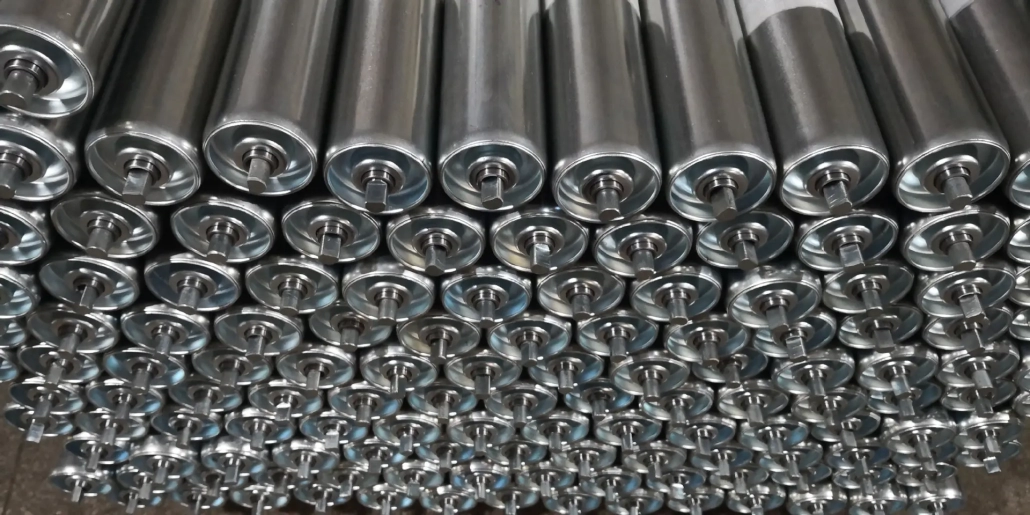
A steel certificate can describe the roller shell without saying whether the complete idler assembly meets the order. Buyers evaluating a belt conveyor idlers manufacturer should connect the accepted drawing, offered construction and inspection evidence to the same component. GRAM’s conveyor roller range includes several materials and duties, with customer-specification manufacture described for roller supply. Establish which complete assembly is being offered before treating evidence for one material as approval of the whole unit.
A belt conveyor idlers manufacturer should identify the assembly behind the evidence
Start with the actual roller or assembly reference in the accepted proposal. A shell, shaft, bearing end and sealing arrangement form different parts of the component. The inspection information should make clear which accepted construction was examined, rather than rely on a general statement that conveyor rollers are checked before delivery.
An engineer receiving only a shell-material certificate should preserve the unanswered assembly questions. GRAM’s steel roller route can establish the type of product under discussion, but the certificate does not automatically describe the bearings, shaft interface or finished working body. Ask how the supplied evidence corresponds to those actual components.
The steel body and its bearing ends need distinct descriptions
GRAM’s steel rollers have cylindrical working bodies, bearing ends and projecting shafts. Preserve the actual accepted construction for each relevant part. A material document describing the steel body should not be assumed to establish the condition or identity of the bearing-end arrangement.
If a repeat order changes the end construction, keep that revision visible in the supplier’s acceptance information. The shell can remain similar while the completed assembly changes. A previous record should not be treated as applicable solely because the nominal body dimensions still match the older order.
The shaft interface is part of the completed roller offer
The projecting shaft and its retained supports define an installation relationship separate from the cylindrical belt-contacting body. The accepted order should identify that interface without relying on a supplier’s general range description. This allows the receiving team to compare an identifiable completed component with the actual offered construction.
This discussion does not establish a shaft size, tolerance or support rating. The responsible design must define the accepted values for the order. The manufacturer’s evidence should connect to those actual requirements rather than supply a generic result with no clear relationship to the delivered assembly.
Polymer idler acceptance includes the bearings, seals and metal end caps
GRAM’s polymer rollers are described with a machined polymer tube or solid bar, sealed precision bearings, non-contact rubber seals and metal end caps. These are specific construction elements to identify in the offer. The polymer working surface does not make the remaining parts disappear from the assembly review.
A buyer choosing polymer because a previous steel body suffered surface deterioration should still retain the bearing-end and sealing questions. Evidence about the tube material alone cannot establish the complete assembly’s accepted duty. The supplier should identify what has been examined and which requirements remain supported only by the proposed construction description.
A tube declaration is not evidence for every end component
The declared polymer material and the offered end construction should be recognizable as separate parts of the same order. If the supplier provides a material statement, identify the component it addresses. Do not read it as a general environmental or service-life guarantee for the bearings, rubber seals and metal caps.
For an alternative proposal that changes the end cap or sealing arrangement, ask which assembly reference the supporting information now describes. A similar tube appearance does not establish an unchanged complete construction. Keep the revised offered parts connected to the actual acceptance case before approving the substitution.

Roller rotation evidence needs an identified construction and examination basis
A claim that a roller turns smoothly should refer to an actual examined assembly and the applicable acceptance basis. Keep the offered bearings and seals identifiable when considering that evidence. A subjective description of one demonstration component should not become a numerical operating guarantee for all supplied rollers.
The buyer should ask what condition was examined and how the reported result corresponds to the accepted order. Do not invent an acceptable resistance, bearing life or operating-temperature limit from a range description. Where the contract requires a particular measurement or examination, the responsible technical parties must agree its actual basis.
Factory evidence and field evidence describe different conditions
An examination before dispatch and an observation on an installed conveyor concern different operating conditions. If either is supplied as evidence for the GRAM offer, identify the actual component and circumstances. Neither should be presented as the other, or treated as proof of unexamined environmental performance.
Rulmeca’s published field comparison illustrates the value of linking observations to identified equipment. Its project, measurements and conclusions belong to that manufacturer. They are not GRAM trial results and should not be used to fill missing evidence for the order under review.
Rubber-ring impact rollers require their own working-body identity
GRAM’s impact rollers have rubber-ring working surfaces around the roller body. Keep that construction identifiable where it is selected for a loading duty. A record for a smooth steel cylinder does not automatically describe the completed ringed assembly being purchased.
The accepted proposal should identify the ringed working construction as well as the shaft and end arrangement. Where the buyer requests evidence concerning a particular supplied part, the manufacturer should connect that evidence to the actual offered component. No ring hardness, material grade or impact-energy rating follows from the product photograph.
The ring arrangement and core body should remain distinguishable
A buyer should be able to identify what the offer describes when it refers to the working diameter or ringed surface. Preserve the accepted construction relationship instead of treating the visible outside of a sample as the only definition. The underlying body and bearing ends still belong to the complete roller acceptance.
If a proposed revision changes the ringed arrangement, keep the affected component reference visible. Do not assume that evidence for the previous working construction remains applicable simply because the retained shaft interface is unchanged. The supplier’s actual acceptance information should follow the revised assembly.
Suspended garland acceptance extends beyond the individual rollers
GRAM’s carrying garland assemblies use suspended connected rollers. The individual roller construction and the linked supplied group therefore need distinguishable acceptance information. A document identifying one roller is not a complete description of the connections and delivered assembly scope.
For a buyer ordering garland components alongside ordinary steel idlers, preserve the group reference and the accepted connection scope. The receiving team needs to know which supplied parts belong together, without assuming that every similarly sized roller can be moved between the linked assembly and a retained rigid station.
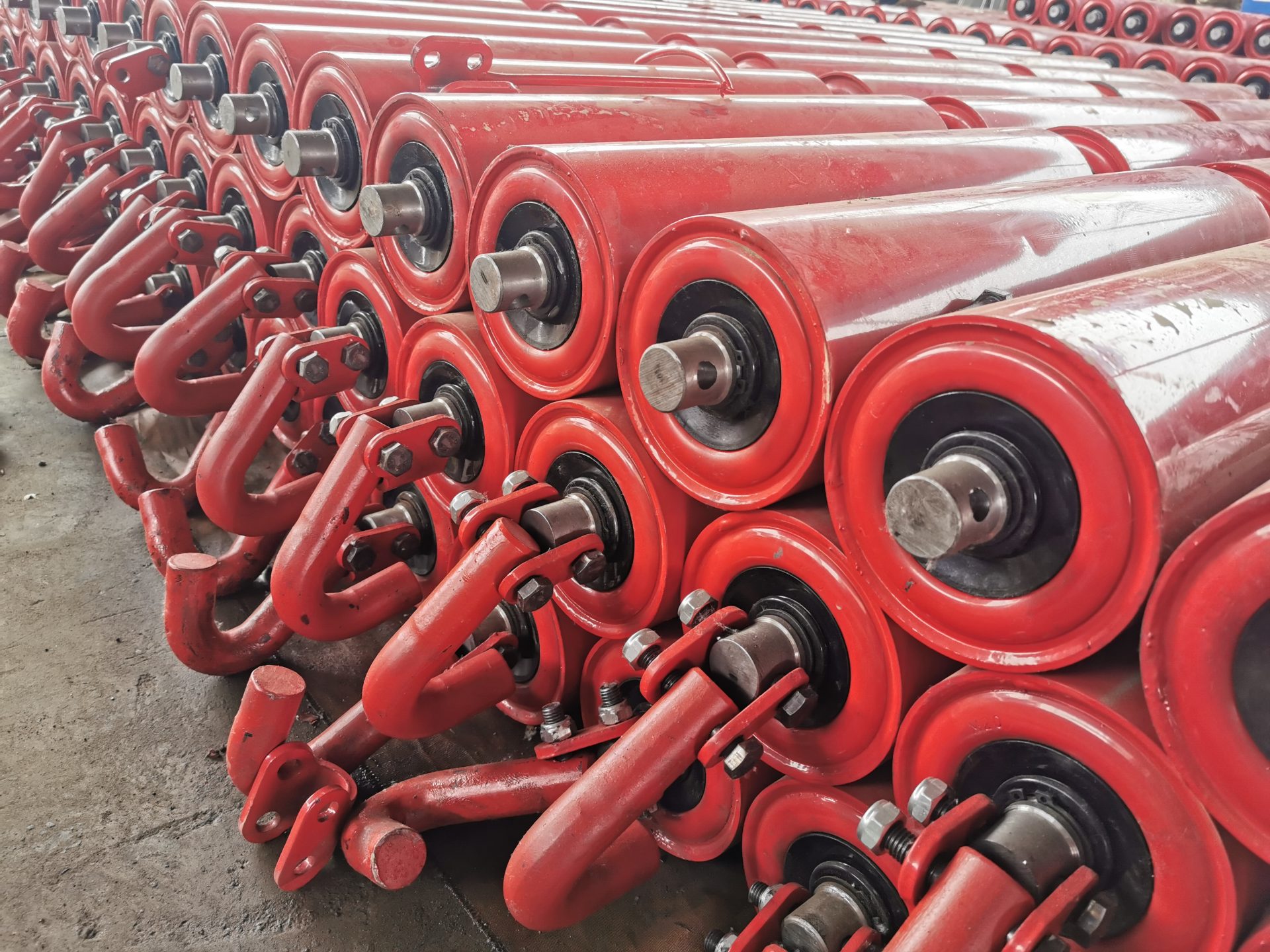
Agree delivery identification that preserves the assembly grouping and its component references. Any separately supplied connection parts should be identified in the actual offer; a photograph is not proof that all surrounding mounting hardware is included. The receiving documents should let the buyer compare the delivered scope with what was accepted.
Accept manufactured idlers against the selected assembly revision
A mixed delivery creates a specific receiving problem: a plain steel roller, a rubber-ring impact roller and a connected garland group can each have an accepted reference without sharing the same acceptance scope. Identify the plain roller by its body and ends, the impact roller by its ringed working surface as well as those ends, and the garland by the supplied connections and group arrangement. A receiving label that describes all three simply as “idler” loses distinctions already made during selection. Keep the accepted assembly references visible on the delivery information that the receiving team actually uses.
Where a polymer roller is offered as an alternative to a steel unit, separate the retained mounting relationship from the revised body and end construction. The dimensional fit can remain acceptable while the materials and seal arrangement change. A fit drawing therefore answers a different question from evidence about the assembled roller’s running behaviour. Accept each against the proposed revision, and keep any unresolved requirement explicit. The buyer does not need to invent a universal test limit to distinguish those two questions; the important step is ensuring that the supplier’s evidence refers to the assembly being purchased.
The discussion of mixed-fleet roller identities helps separate product roles. For manufacturing acceptance, connect that role to the actual assembly revision and its evidence. Do not let a general family reference replace the construction that the supplier has agreed to deliver.
Where a document does not identify the examined component, ask for that connection before accepting it as support for the order. A useful answer can also state what evidence is unavailable. That is preferable to expanding a material statement into an unsupported claim about complete roller performance.
Release the order when the selected body, shaft, bearings and end construction remain identifiable through the accepted proposal and delivery record. Keep ringed surfaces or suspended-group connections visible where they form part of the supplied assembly. The receiving team should be assessing the roller that was actually selected, not a collection of documents that merely mention the same product family.
Last Updated on October 3, 2026 by gramconveyor_admin


