
Discuss Reel Access with a Steel Cord Rubber Conveyor Belt Supplier Before Ordering a Long Length

A long replacement belt can be correctly specified yet arrive in a form the site cannot receive or install. Before approving an order with a steel cord rubber conveyor belt supplier, establish the unloading area, the route to the conveyor and the installation arrangement. Start with GRAM’s steel-cord range, but ask for the proposed delivery form alongside the belt construction. Industrial project buyers need an accepted belt length and a workable arrival plan, not an assumed reel hidden behind a quotation for metres of belting.
The steel cord rubber conveyor belt supplier needs the arrival constraints early
Describe the site’s actual access before the supplier commits to a delivery proposal. Identify where the delivery vehicle can stop and where the belt will be received. The competent site team should determine what the available handling equipment can accommodate. Purchasing should communicate those requirements without turning a general product photograph into an assumed unloading method.
The receiving area and installation position are different locations
A project may have ample space at its central receiving yard and restricted access near the conveyor. Approval at the yard does not resolve the route between them. The proposed delivery unit needs to be assessed against both locations, any intermediate storage position and the accepted means of moving it through the site.
Consider a replacement for a long mining conveyor whose access road reaches the workshop but not the intended installation position. The purchasing team should bring the installation contractor into the delivery discussion before fixing the belt lengths. An arrival plan that ends at the workshop can leave the project with a second handling problem that no one priced or reviewed.
For a plant receiving several replacement belts together, separate the access requirements for each destination. A common delivery vehicle does not mean each reel can follow the same route or be held in the same location. Keep the proposal specific to the supplied units and their intended installation positions.
Ask for the actual reel information, not a standard-package assumption
GRAM’s steel-cord photographs show longitudinal steel reinforcement, while its rubber belt range includes textile and steel-reinforced constructions. Neither establishes the dimensions or gross mass of a proposed shipping reel. Those values must come from the actual belt and packaging proposal.
Reel envelope, gross mass and handling interface answer separate questions
The outer envelope is relevant to available space and the access route. Gross mass concerns the complete supplied unit, including its packaging. The handling interface concerns how that particular unit is intended to be received and moved. Asking only for the belt’s nominal width leaves the other two questions unanswered.
Fenner Dunlop’s handling guidance explains the importance of roll dimensions, gross weight and adequate handling equipment. Its package choices and numerical examples belong to that manufacturer. They do not establish GRAM’s packaging, core geometry or a safe lifting procedure for this delivery.
| Receiving question | Information needed from the proposed supply |
|---|---|
| Will the supplied unit fit the accepted route? | Its actual external dimensions and the site’s reviewed route constraints. |
| Can the site receive and move it? | Gross mass, identified handling interface and instructions for that unit. |
| Can it remain protected before installation? | Agreed package and storage requirements for the supplied construction. |
Require this information again if the belt length or construction changes during negotiation. A reel assessment based on an earlier offer cannot automatically cover a revised unit. Keep the accepted handling information tied to the final delivery schedule rather than stored as an unrelated attachment from the first quotation.
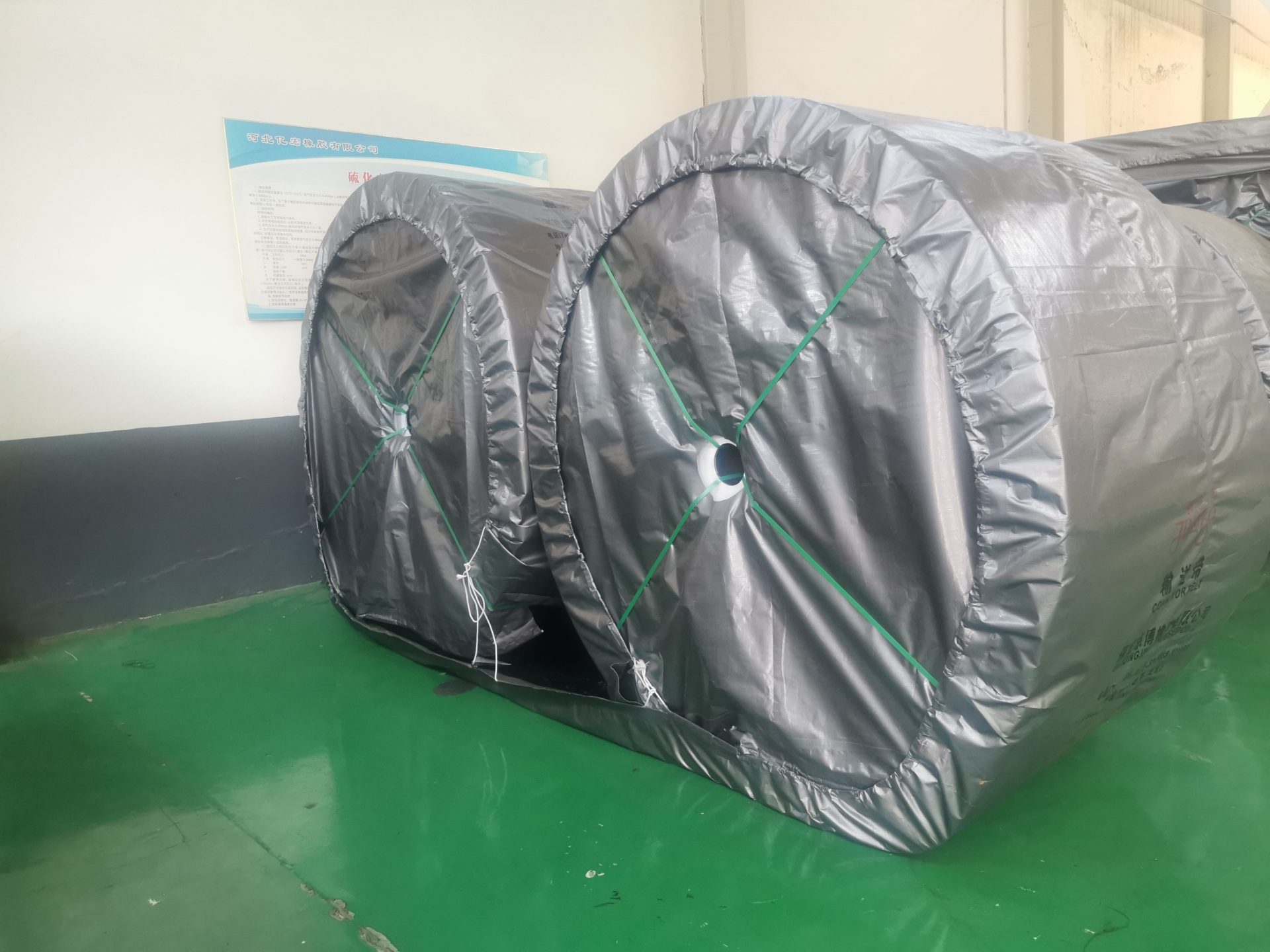
Long steel-cord delivery lengths can conflict with installation access
A buyer may prefer fewer delivered lengths because the installation plan involves fewer field joins. That preference is only one part of the decision. The proposed lengths still need to suit the approved handling and installation arrangement, while the belt construction and joining plan must remain technically acceptable.
Dividing the delivery changes more than the transport list
If a single proposed unit cannot be accommodated, ask the responsible engineering and installation teams to consider alternatives with the supplier. A division into shorter lengths introduces additional ends and potentially additional joints. It therefore changes the installation scope as well as the number of delivery units.
Do not let transport planning silently decide the joint arrangement. Identify which joins the accepted construction permits, where the work can take place and who will provide the applicable instructions. No universal delivery length or field-joint number can be inferred from the words steel cord. The accepted arrangement needs to relate to the particular belt and conveyor.
A contractor preparing a remote installation may have a different constraint from a plant with a large permanent belt-handling area. Describe that difference rather than ask both suppliers for an identical assumed reel. The useful quotation separates the finished belt requirement from the delivered lengths and the site work required to make those lengths usable.
The existing steel-cord splice discussion addresses construction compatibility at a join. Use it after the project identifies its installation arrangement. A correctly matched splice does not resolve an inaccessible unloading position, and convenient delivery units do not validate an unreviewed joint.
Fabric reinforcement is an engineering alternative, not a shipping shortcut
GRAM’s fabric belt range and EP construction provide different reinforcement routes. EP uses polyester longitudinal yarns and nylon transverse yarns, with rubber covers around its fabric carcass. That difference matters to the belt’s mechanical design; it cannot be treated merely as an opportunity to obtain a more convenient package.
If the buyer proposes moving from steel reinforcement to a textile construction, require the responsible designer to review the retained conveyor and intended duty. A price or handling comparison should follow that decision. The site’s restricted access does not itself establish that a fabric belt is suitable for a conveyor originally specified for steel-cord reinforcement.
Mining duty does not establish a universal reel or reinforcement choice
The mining belt offering provides an application starting point. It does not define the reinforcement, cover construction or shipping unit for every mine. Retain the specific ore duty, machine requirements and access conditions in the proposal rather than rely on a general mining label to answer all three.
Where an order includes more than one construction, distinguish the delivered units clearly. Similar external roll dimensions do not prove that the belts have the same reinforcement or belong to the same conveyor. The package identification needs to remain legible from receiving through storage and installation so the accepted construction reaches its intended machine.
The belt ends need protection through the agreed arrival sequence
The condition of a delivered end can matter to subsequent preparation and joining. Agree how the supplied ends and outer belt surfaces will be protected in the actual package. Ask who will check package condition on arrival and how the project will deal with visible damage before the belt is moved into its installation sequence.
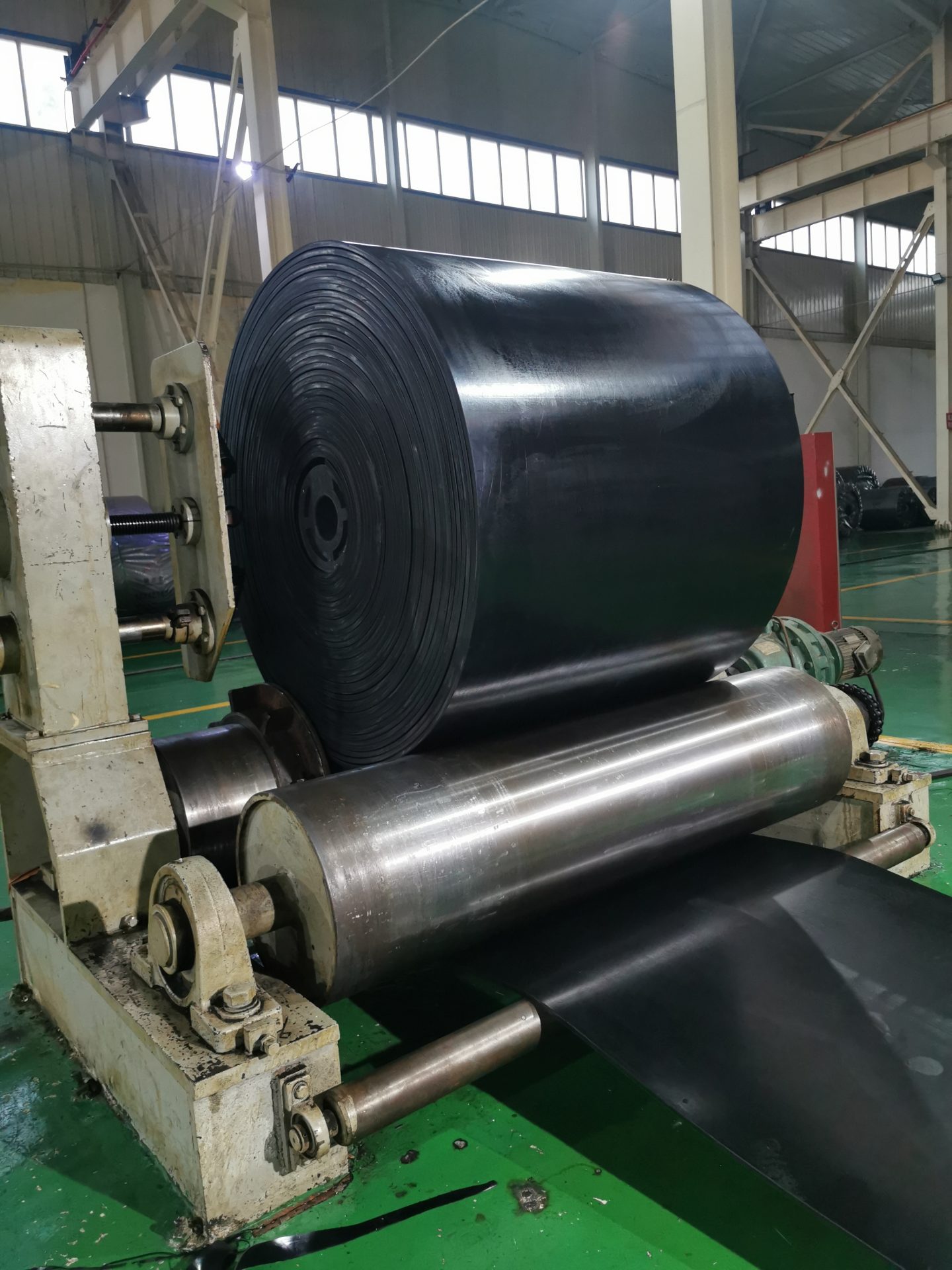
That check should distinguish package damage from an accepted belt condition. Record a visible issue against the affected unit and seek the agreed disposition; do not conceal it by moving the reel directly into use. The article cannot determine whether a particular mark is acceptable or prescribe repair of an unknown construction.
If the belt will wait before installation, obtain its storage instructions as part of the supply agreement. The site should allocate a suitable position before the vehicle arrives. Do not transfer another manufacturer’s temperatures, rotation intervals or ultraviolet claims to GRAM merely because both products are rubber belts.
Identify the belt end needed first in the installation sequence
The installation team should establish how the supplied length will enter the accepted arrangement, including which end it needs available first. Ask for the delivered unit’s identification and end arrangement to match that plan. A roll can be correct in total length while still requiring an unplanned handling step if its delivered orientation has not been discussed.
If the site cannot resolve that sequence when the inquiry starts, keep it as a named installation decision. Do not substitute a familiar method from a previous textile-belt project for the actual steel-cord proposal. The belt, reel, protection and installation instructions need to be reviewed as the particular supply the contractor will receive.
For a multi-length order, state how the separate lengths are identified and how their intended sequence will remain visible after unpacking. An end number should connect to the project’s accepted installation information. Similar-looking wrapped reels are not a dependable way to determine which length belongs at which stage, especially when receiving and installation are performed by different teams.
Fix the delivery form before releasing the steel-cord order
The final agreement should connect the belt construction, the supplied lengths, the proposed delivery units and the installation arrangement. Confirm which information is settled and which still requires a site decision. A requested shipment date should not encourage approval of a reel whose dimensions or gross mass remain unknown.
For divided deliveries, identify the order in which units are required and the space available to hold them. A supplier’s ability to send several units together does not mean the site benefits from receiving them all at once. Discuss that sequence against the actual storage and installation positions; any delivery commitment still belongs to the agreed quotation.
Approve the long length only when the project can receive it, keep it protected and use it in the accepted installation plan. If those conditions cannot be met, resolve the delivery form with the engineer and contractor before the purchase is released. The best length on the order is the length the project can actually put to work without an improvised arrival plan.
Last Updated on October 3, 2026 by gramconveyor_admin


