Port Conveyor Belt Slipping? 7 Rollers Surface Anti-slip Solutions (Including Special Version for Tropical Rainy Season)
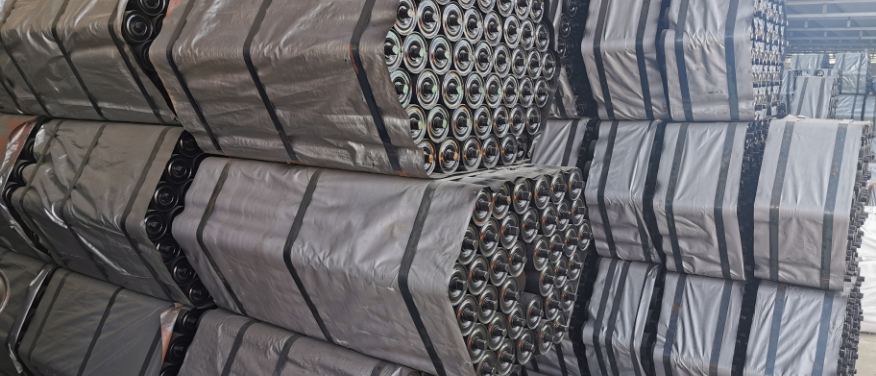
Port conveyor systems are the arteries of global trade, moving mountains of bulk materials and containers. But when belts slip on drive or tail pulleys, it’s more than just an annoyance – it’s a costly crisis causing downtime, wear, spillage, safety hazards, and lost productivity. The key battleground against slippage is the roller surface. Solve conveyor belt slippage using targeted roller lagging materials for wet, dusty, and high-load port environments. Here are 7 proven anti-slip solutions for roller surfaces, including a specialized version specifically engineered for the brutal challenges of the tropical rainy season.
Why Roller Surface Matters
Conveyor belt slippage is a serious issue in high-throughput port operations, where uptime is critical. In Heavy Duty Roller Conveyor systems, which move large volumes of bulk materials under high loads, the risk is even greater. Slippage occurs when the tractive force generated at the drive pulley—which depends on friction between the belt and roller surface—is insufficient to overcome system resistance. This results in lost efficiency, belt wear, and operational downtime. The condition and design of the roller surface (lagging) play a central role in solving this problem.
Belt Load
This refers to the weight and characteristics of the material being conveyed. Heavier materials such as coal, ore, or wet bulk require greater traction force than lighter materials like grain or fertilizer. Additionally, load surges or uneven distribution can suddenly increase demand on the drive pulley, making adequate friction essential to prevent slippage during peak load moments.
Belt Inertia and Flexure
Every time the conveyor starts, stops, or changes direction, energy is required to overcome the belt’s inertia. Further resistance arises as the belt flexes around pulleys and idlers. The longer and heavier the belt—or the more frequently it bends—the more energy it demands from the drive system, putting additional strain on the contact surface to maintain traction.
Idler Rolling Resistance
Idlers support the belt but introduce friction through their internal bearings. When these bearings become misaligned, contaminated, or worn, rolling resistance increases. This added resistance amplifies the overall load on the drive pulley, and if the lagging isn’t high-friction or properly maintained, slippage becomes far more likely.
Material Lift (Incline Conveying)
On inclined conveyors, the system must constantly overcome gravity to lift materials. This added vertical component of resistance significantly increases the traction required. In such cases, any loss of grip between the belt and pulley—especially in wet or overloaded conditions—can lead to rollback, stoppages, or belt wear, making a high-performance roller surface essential.
Auxiliary Equipment Resistance
Additional conveyor accessories such as trippers, ploughs, belt cleaners, or diverters contribute to mechanical resistance. While these components are necessary for managing material flow, they create extra drag on the system. The roller surface must provide sufficient friction to maintain belt movement despite the cumulative effect of this added resistance.
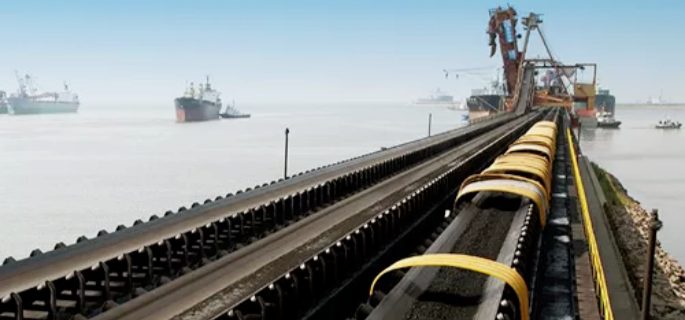
7 Roller Surface Anti-Slip Solutions (Including the Tropical Rainy Season)
Standard Rubber Lagging
What it is: A vulcanized layer of durable rubber bonded directly onto the steel roller shell.
How it fights slippage: Provides significantly higher friction than bare steel, especially when clean. Offers good impact resistance and protects the roller.
Best for: General-purpose applications with moderate demands and relatively dry conditions. The baseline solution.
Diamond Groove Rubber Lagging
What it is: Standard rubber lagging embossed with a raised diamond-shaped pattern.
How it fights slippage: The grooves act as channels to expel water, dust, and fine particles that act as lubricants. The raised diamond points aggressively grip the belt’s underside, dramatically increasing friction, particularly in damp or slightly contaminated conditions.
Best for: Most common port environments experiencing light rain, humidity, or dust. Offers a major upgrade over plain rubber.
Herringbone Groove Rubber Lagging
What it is: Rubber lagging with a V-shaped or chevron (herringbone) pattern.
How it fights slippage: Similar to diamond groove, but the directional herringbone pattern is particularly effective at pushing water and debris outwards and away from the center of the roller as it turns, maximizing the clean contact area. Provides excellent traction.
Best for: Applications with higher volumes of water or fine, slurry-like materials. Excellent all-round performer, often preferred over diamond in very wet conditions.
Ceramic Lagging (Inset or Embedded)
What it is: Small, extremely hard ceramic tiles (typically alumina oxide) are either inset into a rubber base or bonded directly onto the roller shell within a rubber matrix.
How it fights slippage: Ceramic offers the highest possible coefficient of friction. The tiles create aggressive, wear-resistant “bite points” that grip the belt powerfully. The rubber matrix provides flexibility and impact absorption.
Best for: Severe slippage problems, heavy loads, steep inclines, and abrasive materials. Highly effective but more expensive. Ideal for critical drive pulleys.
Urethane Lagging
What it is: A layer of polyurethane elastomer applied to the roller shell.
How it fights slippage: Offers excellent friction characteristics, often superior to standard rubber, especially in wet conditions. Highly resistant to abrasion, cutting, tearing, and many chemicals. Can be grooved.
Best for: Environments with chemical exposure, oil/grease, or where exceptional abrasion resistance is needed alongside good grip. Good alternative to rubber where specific properties are required.
Specialized High-Friction Compound Rubber
What it is: Rubber lagging formulated with specific additives to maximize the coefficient of friction.
How it fights slippage: Uses unique polymers and fillers designed to create stickier, more aggressive surfaces even when slightly damp or dusty. Performance surpasses standard rubber compounds.
Best for: Situations demanding the highest possible friction from a pure rubber surface, perhaps where ceramic is deemed too aggressive for the belt. Often used in combination with grooving (Diamond/Herringbone).
Tropical Rainy Season Special: Advanced Hybrid Ceramic + Deep Herringbone Grooves + Tropical Compound
What it is: A high-performance composite lagging engineered for extreme tropical conditions, combining inset ceramic tiles, deep herringbone grooves, and a weather-resistant rubber matrix.
How it prevents slippage: The ceramic tiles deliver maximum baseline friction, while deep, wide herringbone grooves efficiently channel away heavy rainfall and slurry. The tropical-grade rubber matrix enhances wet grip, repels water, and resists UV, ozone, salt spray, and mold.
Best for: Port operations in tropical regions during intense rainy seasons, where standard lagging fails. Designed for saturated, high-humidity, and highly corrosive environments.
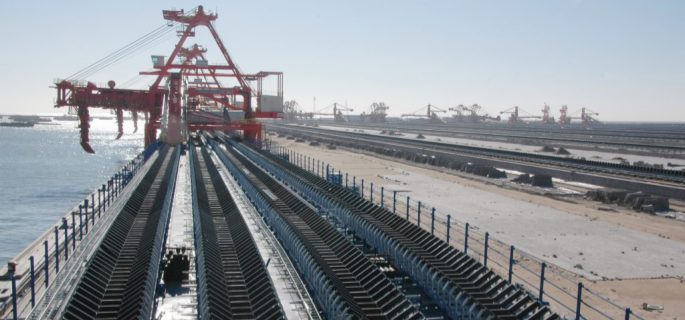
Representing the Pinnacle: Tropical Rainy Season Solution
Ports located in tropical regions face some of the harshest operational environments on Earth. During the monsoon season, these facilities are bombarded by a perfect storm of challenges: torrential rainfall, near-saturation humidity, corrosive salt-laden air, soaring temperatures, and an ever-present threat of biological growth. Under such conditions, conventional roller lagging solutions quickly deteriorate or fail to maintain traction, leading to frequent slippage, downtime, and maintenance headaches.
The Solution: Advanced Hybrid Ceramic Lagging with Deep Aggressive Grooving & Tropical-Grade Compound
This specialized solution was engineered from the ground up to handle the relentless punishment of tropical environments. It brings together cutting-edge materials science and mechanical design in a high-performance package built for wet-weather reliability.
Core Component: Inset Ceramic Lagging
At the heart of the solution is high-grade inset ceramic lagging. Ceramic tiles embedded in a rubber matrix deliver the maximum baseline friction, resisting slippage even when the belt is heavily loaded and wet. Ceramic’s micro-textured surface provides “bite points” that engage the belt, while the rubber base absorbs shock and helps accommodate minor belt misalignments.
Key Benefits:
- Extreme friction performance
- Exceptional wear resistance
- Proven reliability under heavy loads and continuous operation
Surface Pattern: Deep, Wide Herringbone Grooves
What truly sets this solution apart is the deep, aggressive herringbone groove pattern, precisely machined through the ceramic surface and into the underlying rubber. These grooves are wider and deeper than standard patterns, allowing for:
- Rapid evacuation of water, slurry, and fine debris
- Optimized drainage, ensuring a consistently clean contact patch between belt and roller
- Directional water control, with the V-shaped pattern channeling moisture outward to the roller edges rather than letting it pool or film under the belt
This design maintains full traction even during periods of sustained heavy rainfall — a common occurrence in monsoon zones.
Rubber Compound: Specialized Tropical Formulation
Surrounding and supporting the ceramic is a tropical-grade rubber matrix. This compound is tailored to withstand the unique environmental stresses found in equatorial port environments.
Engineered Properties:
- Enhanced Hydrophobicity: Surface resists water retention, reducing the formation of slick layers
- Superior Wet Traction: Maintains high coefficients of friction even when fully saturated
- UV and Ozone Resistance: Withstands long-term exposure to intense solar radiation
- Mold and Mildew Resistance: Prevents microbial degradation in hot, humid climates
- Salt Spray Resistance: Ideal for coastal and marine-adjacent installations
Maintenance Considerations: Keep the Grooves Clean
While this advanced lagging provides excellent anti-slip performance, its deep grooves can accumulate mud, silt, and other residues. Over time, hardened deposits may reduce the groove depth and compromise performance.
Recommended Maintenance Practices:
- High-efficiency belt scrapers at head and tail pulley
- Targeted water spray systems to flush out debris
- Rotary cleaning brushes for continuous surface conditioning
- Scheduled inspections to ensure groove integrity and prevent buildup
Ideal Use Cases
- Coastal bulk terminals in Southeast Asia, West Africa, and South America
- Container yards and grain ports in high-rainfall zones
- Mining export operations exposed to tropical downpours
- Any belt-driven system in hot, wet, salty environments with high uptime demands

Key Factors for Selecting the Rollers Surface Anti-slip Solutions
Choosing the right roller surface treatment is essential for solving conveyor belt slippage in demanding port environments. With varying conditions such as heavy loads, high humidity, abrasive materials, and extreme weather—especially in tropical rainy seasons—each situation requires a tailored solution. The table below highlights the key factors that should guide your selection of anti-slip roller lagging, helping ensure optimal grip, durability, and long-term reliability across different operational scenarios.
| Factor | Key Question | Considerations |
|---|---|---|
| Severity of Slippage | Is it occasional or constant? | Occasional slippage may need basic upgrades; constant issues require advanced solutions. |
| Primary Cause | Is it water, dust, mud, load weight, incline? | Match lagging to the challenge: grooved for debris, ceramic for load/incline, etc. |
| Material Type | Abrasive, oily, sticky? | Use ceramic for abrasion, urethane for oil, grooved rubber for sticky/slurry loads. |
| Budget | Can you invest in premium materials? | Rubber is cost-effective; ceramic and tropical hybrids offer higher performance but cost more. |
| Climate | Standard vs. Extreme Tropical? | Tropical zones require hydrophobic, UV-, mold-, and salt-resistant materials. |
| Pulley Location | Drive pulleys need maximum grip; tail pulleys benefit too. | Prioritize high-friction lagging on drive pulleys; grooved options for tail pulleys help overall stability. |
Last Updated on June 25, 2025 by Jordan Smith

Jordan Smith, a seasoned professional with over 20 years of experience in the conveyor system industry. Jordan’s expertise lies in providing comprehensive solutions for conveyor rollers, belts, and accessories, catering to a wide range of industrial needs. From initial design and configuration to installation and meticulous troubleshooting, Jordan is adept at handling all aspects of conveyor system management. Whether you’re looking to upgrade your production line with efficient conveyor belts, require custom conveyor rollers for specific operations, or need expert advice on selecting the right conveyor accessories for your facility, Jordan is your reliable consultant. For any inquiries or assistance with conveyor system optimization, Jordan is available to share his wealth of knowledge and experience. Feel free to reach out at any time for professional guidance on all matters related to conveyor rollers, belts, and accessories.


