
Heavy Duty Conveyor Belt Supplier: What the Damage Pattern Should Change in Your Next Order

A quarry orders a thicker replacement belt, yet the same narrow cut returns beneath the loading chute. The order changed; the cause may not have changed at all. A heavy duty conveyor belt supplier should receive the damage pattern before proposing a different construction. For a maintenance buyer, start with GRAM’s rubber belt range, then distinguish damage to the carrying cover, damage reaching the reinforcement and damage on the underside. Those conditions do not automatically call for the same replacement.
The useful question is what the next belt must withstand on the actual conveyor. A heavier description cannot answer whether sharp material is cutting the cover, an object is trapped at a fixed position, the supporting structure is unsuitable or a retained component is damaging the returning belt. Record the location and operating circumstances before the damaged belt loses its connection to that evidence.
Give the Heavy Duty Conveyor Belt Supplier a Damage Location, Not Just a Failed Belt
A photograph of a torn belt is more useful when it identifies the carrying face, underside, edge and direction of travel. Add where the damage first appeared on the conveyor and whether it extends continuously or occurs in isolated areas. The same visible opening can lead to different investigations depending on those details.
A Narrow Carrying-cover Cut Needs a Different Investigation from Broad Wear
Broad thinning across the material contact area and a narrow repeated cut are different observations. Broad wear may justify reviewing the cover’s suitability for the material and its operating exposure. A cut concentrated at one transverse position also requires examination of what contacts that position. Do not turn either observation into a diagnosis from a single photograph.
Consider a quarry conveyor receiving sharp crushed stone. The buyer can describe the stone, loading arrangement and damage without pretending to know the appropriate rubber compound. If a gouge repeatedly follows one line, the inspection should also consider fixed contact, trapped material and the actual feed path. Increasing overall belt strength does not remove a contacting object.
GRAM’s rubber belt offering separates the outer rubber surfaces from fabric or steel reinforcement. That distinction matters here: a replacement request for a different cover needs a cover proposal, while a request for greater longitudinal strength needs a reinforcement proposal. The purchasing record should say which part of the previous construction is being changed and why.
Exposed Fabric or Steel Cord Changes the Replacement Discussion
Once damage exposes reinforcement, the discussion extends beyond the remaining cover. GRAM’s steel-cord belt construction uses longitudinal steel reinforcement. Its condition and proposed joining arrangement cannot be assessed by a cover thickness description alone.
A qualified inspection must establish the significance of damaged fabric or cord for the installed belt. This guide does not provide a permissible damage limit or permission to continue operating. Keep that decision with the responsible site personnel using the actual construction and condition. Buying another belt should not obscure a separate decision about the present conveyor.

Ask the Heavy Duty Conveyor Belt Supplier Which Part of the Construction Will Change
A proposed replacement should identify changes to the cover, carcass and joining requirement separately. Otherwise an attractive specification can leave the original problem unresolved while creating a new compatibility question. Compare the complete offered construction with the retained equipment, rather than approving one stronger-sounding line.
EP and NN Fabric Identify Reinforcement, Not the Damage Resistance of Every Cover
GRAM’s EP rubber belts use polyester in the longitudinal fabric direction and nylon transversely. The described belt arrangement includes a top cover, fabric carcass and bottom cover. Its NN rubber belt route uses nylon in both fabric directions. These names distinguish fabric construction; they do not specify the complete cover compound for every order.
For a buyer replacing a fabric belt with carrying-surface cuts, changing the carcass abbreviation is not a complete response. Ask what cover is proposed for the observed material contact, and whether any change in plies, overall construction or joint requires an equipment review. Keep that cover decision visible instead of hiding it inside a general “heavy duty” description.
The same discipline applies if the failure is associated with tension or the joining region. Do not assume a tougher cover will correct a reinforcement or joint problem. Identify the observed failure and obtain a construction-specific assessment. EP and NN are useful starting routes when a textile belt is appropriate, but neither is an automatic approval for the retained conveyor.
Steel-cord Replacement Requires Its Own Joint and Equipment Agreement
Steel cord may be considered where the proposed duty calls for that reinforcement route. It should not be introduced merely because a fabric belt has been damaged. The cord arrangement, rubber construction, joining system and retained equipment must be considered together for the actual replacement.
A contractor planning to keep the existing joining arrangements should resolve that boundary before reserving a steel-cord roll. A different reinforcement can require a different engineering and joining proposal. The supplier’s belt offer and the installation team’s approved method need to refer to the same construction, not two similar descriptions exchanged in separate conversations.
Keep a sample or identification record tied to the damaged belt when it is available and safe to obtain. Its purpose is to preserve construction identity for assessment, not to prove the entire belt’s remaining condition. A small intact sample cannot establish that a damaged region elsewhere remains suitable for service.
Loading-zone Damage Can Require Support Changes Alongside the Belt Order
The replacement belt and the loading arrangement share the impact event. GRAM’s loading-zone belt support range includes beds, saddles and idlers. Reviewing that route is appropriate when the damage investigation identifies a support or material-contact problem beneath the receiving area.
For a plant that repeatedly replaces belt sections near the chute, identify where the material first contacts the belt and how that area is supported. The assessment should cover the material condition, loading geometry and actual support arrangement. A support change must itself fit the belt and retained structure; adding a bed is not a universal cure for damaged covers.
If the damage comes from a fixed sharp contact farther along the conveyor, changing loading-zone support will not address that contact. Likewise, a belt specification cannot resolve every chute or frame defect. The order can include separate corrective work, but the responsibilities should remain explicit: what changes in the belt and what changes in the conveyor.
Underside Damage Should Follow the Return and Pulley Contact Path
The underside meets equipment rather than simply carrying the conveyed material. If its damage occurs away from the receiving zone, inspect the rollers, pulleys and other retained contacts associated with that part of the circuit. Preserve enough location information to distinguish a returning-belt issue from carrying-cover damage.
An aggregate maintenance team may find a bottom-cover mark while the upper surface looks acceptable. The tempting response is to specify more rubber everywhere. First determine what produced the mark. A seized component, local interference or retained contact problem may remain in place after a thicker belt arrives. A changed belt can also change clearances, so the replacement must be reviewed around the actual equipment.
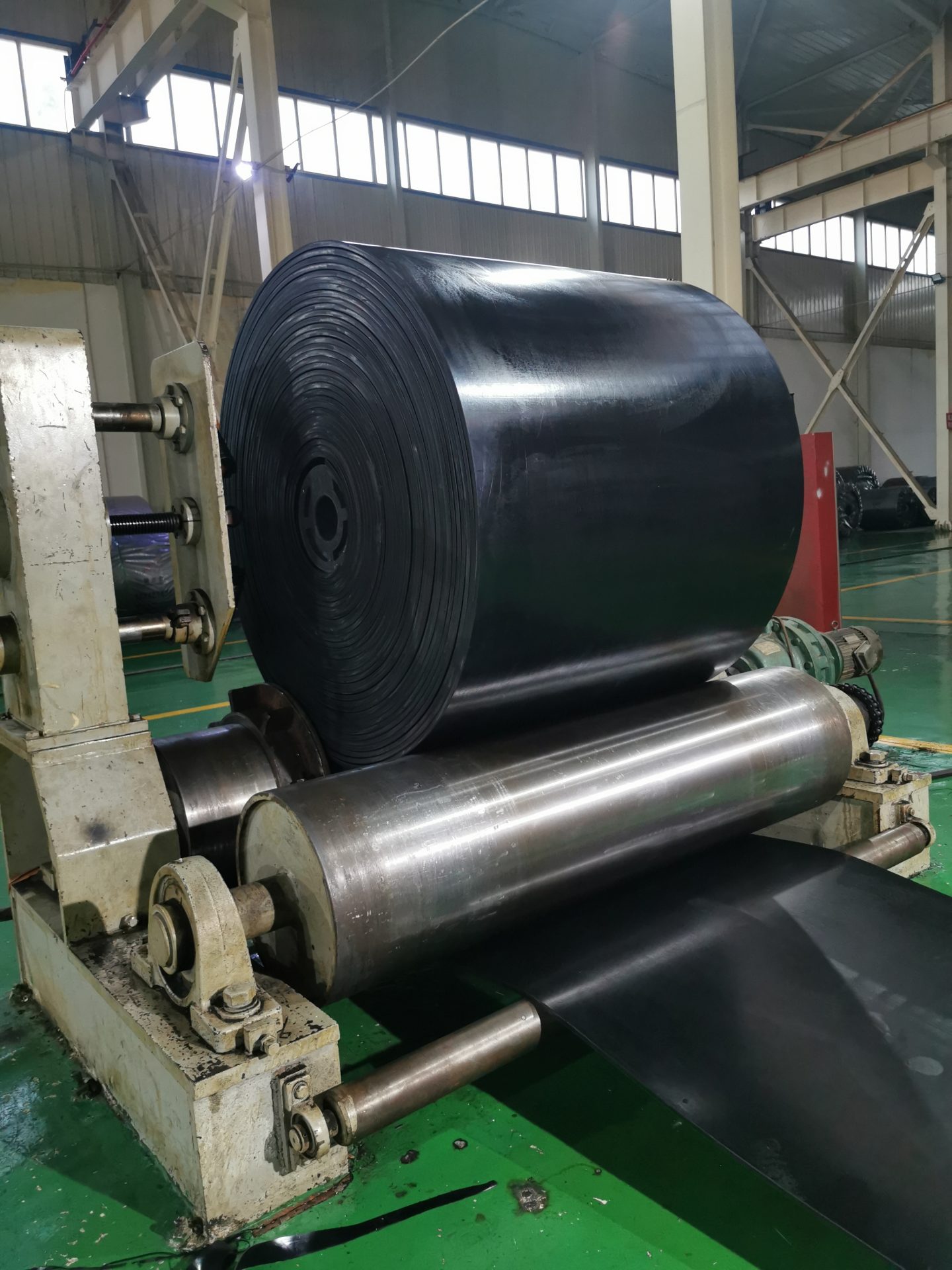
Martin Engineering’s explanation of top and bottom covers distinguishes the protective carrying surface from the lower surface involved in equipment contact. That general distinction helps organize an investigation; it does not diagnose this conveyor or establish a GRAM cover grade.
Edge Damage Should Remain Separate from a Centreline Wear Complaint
Record whether the damage reaches the edge, follows one side or changes with loading. Edge contact may involve the belt path and adjacent structure, while broad centre wear concerns a different region. Do not combine these observations into a single statement that the old rubber was inadequate.
The supplier can assess a proposed belt more effectively when the request describes the affected positions and the retained clearance. Corrective alignment or structural work may need separate approval. A stronger carcass is not permission to continue rubbing an edge against an unsuitable contact, and a new cover does not establish the cause of that contact.
When the edge has lost material, distinguish the measured remaining width from the originally ordered width. A worn edge is not a reliable drawing of the belt that the conveyor was designed to carry. Retrieve the accepted installation dimensions where possible, then record the damage separately. This prevents a replacement request from reproducing a damaged condition as if it were an intentional specification.
The same caution applies to cover thickness measured at a heavily worn location. The remaining rubber can help document the condition, but it does not necessarily identify the original cover specification. Ask the supplier to compare an identified previous construction with the proposed one, and make clear which observations came from the worn belt. The order should improve the duty match without disguising uncertain measurements as verified manufacturing dimensions.
Make the Replacement Proposal Traceable to the Failed Construction
The technical comparison should identify the old construction, proposed construction and reasons for each change. Where the old details are uncertain, mark them as uncertain instead of converting a visual estimate into an approved specification. This allows the supplier and responsible engineer to resolve the actual unknown.
For a textile replacement, the relevant comparison includes reinforcement identity, specified ply arrangement, covers and joining method. For steel cord, it must retain the proposed cord construction and joint requirements. Requested dimensions should belong to that same proposal. Do not approve a cover change against one document and order reinforcement against another without confirming that they describe one complete belt.
Receiving checks should follow the approved changes. If a different cover was the reason for replacement, obtain the identifying construction documentation for that offered belt. If the carcass changed, retain its agreed identification and joining information. Neither a dark rubber surface nor an impressive roll size demonstrates that the intended change has actually been supplied.
For the quarry’s repeated narrow cut, write the corrective contact investigation beside the belt revision. If the identified obstruction is removed, that action and the revised cover proposal have separate evidence. If the obstruction remains unresolved, a different belt cannot be credited with correcting it before installation. This separation gives the buyer a practical way to question a proposed upgrade: which identified condition does this construction change address, and which condition still requires work on the conveyor?
Transport instructions also need to match the replacement roll. Agree its handling and support requirements from the actual mass and supplied construction, and protect the edges and faces that will be inspected. Do not assume the new roll can use the previous roll’s supports simply because the ordered width is similar. Preserve its identity through receiving and installation so the replacement can be linked to the accepted proposal.
The existing heavy-duty belt buying guide provides the broader construction discussion. For a repeat failure, carry the damage record into that discussion first. Release the next order when the proposed belt change and the conveyor correction address the identified conditions together; otherwise the replacement may inherit the same unresolved contact that damaged the previous belt.
Last Updated on October 2, 2026 by gramconveyor_admin


