Conveyor Belt for Sale in Bulk Rolls: What Industrial Buyers Should Check
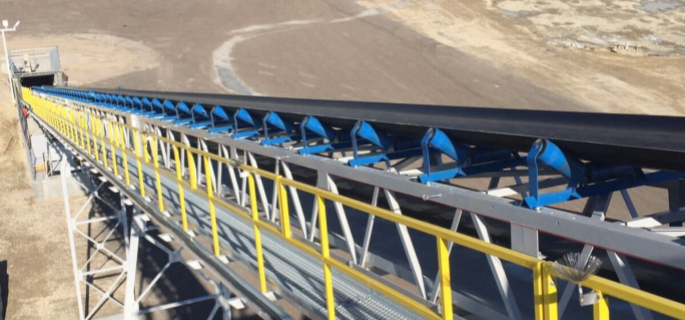
Conveyor Belt for Sale in Bulk Rolls: What Industrial Buyers Should Check
A useful conveyor belt for sale article should help a buyer choose a belt that can actually run on the conveyor. The first decision is not only price or availability. It is whether the product family, cover rubber, carcass, width, roll length, and packing match the line. Gram Conveyor supports buyers who need practical belt options for industrial replacement, project supply, dealer stock, and export orders.
Gram Conveyor’s product range gives warehouse buyers practical choices instead of a single generic belt. The main pages to compare for this order are Conveyor Belt, rubber conveyor belt, Fabric Conveyor Belt, EP rubber belt. The right product depends on the carried material, conveyor length, loading point, pulley size, belt speed, temperature, and how quickly the plant needs a replacement roll available.
For bulk roll purchase, warehouse stock, and planned replacement, the buyer should start from the product family and then narrow the order into a real specification. Rubber cover protects the belt from abrasion, heat, fire risk, moisture, and impact. EP and NN fabric carcasses help control strength, flexibility, and elongation. Steel cord construction is considered when long centers or high tension make fabric belt unsuitable. A short site note and one product page link can prevent a wrong quotation. This is why the same keyword can describe several different belts once the site conditions are known.
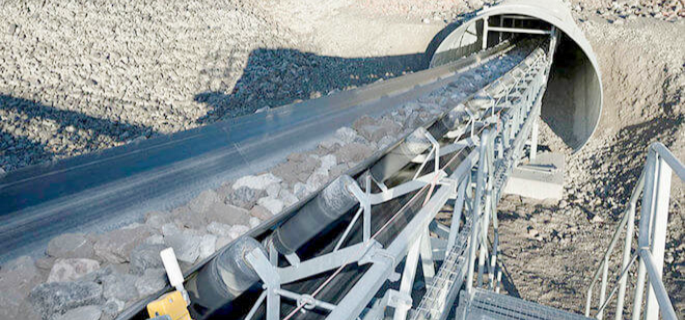
conveyor belt for sale product options for warehouse buyers
Conveyor Belt
Use this product family when the specification points toward the main duty described in the buying file for bulk roll purchase, warehouse stock, and planned replacement.
rubber conveyor belt
Use this product family when the specification points toward a related belt construction or cover requirement for bulk roll purchase, warehouse stock, and planned replacement.
Fabric Conveyor Belt
Use this product family when the specification points toward a stronger, lighter, or more specialized alternative for bulk roll purchase, warehouse stock, and planned replacement.
EP rubber belt
Use this product family when the specification points toward a comparison option before final approval for bulk roll purchase, warehouse stock, and planned replacement.
| Product option | Where it helps | What to check before buying |
|---|---|---|
| Conveyor Belt | Useful when the buyer needs a proven starting point and wants fewer specification surprises. | Confirm width, length, cover grade, top and bottom cover, and roll marking. |
| rubber conveyor belt | Often lowers risk by matching cover rubber or carcass construction to the actual material. | Check pulley diameter, splice method, loading impact, and operating temperature. |
| Fabric Conveyor Belt | Can reduce replacement problems when tension, impact, or service temperature are reviewed early. | Review tensile rating, elongation, edge condition, and expected service life. |
| EP rubber belt | Helps dealers and project buyers compare stock, lead time, and inspection requirements. | Ask for packing photos, roll labels, and inspection records before shipment. |
| NN rubber belt | Adds a specialist option when the standard belt family is not enough for the duty. | Compare the product page with the actual conveyor duty before approving price. |
conveyor belt for sale specifications buyers should confirm
A useful specification starts with the belt width, required roll length, ply count or tensile rating, top cover, bottom cover, edge type, and intended splice method. Model references such as EP400/3, EP800/4, NN100 help the buyer describe carcass strength and duty level in a way the factory can produce. If the old belt has a label, send a photo. If the label is missing, measure the width and total thickness, record the material handled, and note the conveyor center distance.
Cover grade is where many buying mistakes begin. Abrasion-resistant rubber is common for stone, aggregate, clinker, and recycling. Heat-resistant grades are used when material temperature can damage ordinary rubber. Fire-resistant grades matter for coal and some mining lines. A fabric belt, rubber belt, steel cord belt, or special-purpose belt can all be correct, but only when the cover and carcass match the duty.
conveyor belt for sale model and construction notes
Model names and belt families should be used to clarify the construction, not to decorate the order. EP400/3, EP800/4, NN100 are useful references because they point to carcass strength, elongation, and duty level. The buyer should still confirm belt width, cover thickness, pulley diameter, and splice plan so the product can be produced and installed without guesswork.
where this conveyor belt for sale approach fits best
This topic fits buyers who want available conveyor belt rolls but still need specification and condition checks. In a real plant, the choice is rarely made by keyword alone. A buyer needs to know whether the belt runs under a chute, carries sharp lumps, works outdoors, moves hot material, or sits as a spare roll in a warehouse. Those details decide whether a standard rubber belt is enough, an EP or NN fabric belt is more practical, or a steel cord or mining belt should be reviewed.
It is also important to know when not to use the simplest option. stock rolls must be checked for width, length, cover, label, storage condition, and packing before purchase. A slightly higher product cost can still be the economical choice when it prevents belt tearing, repeated splicing, urgent freight, or production downtime.
A practical replacement example is a plant that needs one belt urgently but also wants to avoid the same stoppage next season. The buyer can order the immediate roll and, at the same time, confirm whether the next spare should be the same construction or a better-matched rubber, fabric, or steel cord belt. That small review often saves more than negotiating a small discount on the wrong product.
when this conveyor belt for sale choice is right
It is the right choice when the belt family, cover grade, and carcass construction match the conveyor instead of just matching a catalog name. Buyers can keep cost under control by choosing standard widths, combining repeat sizes, and avoiding unnecessary special covers. They should not remove the features that protect uptime: the right cover, enough carcass strength, proper roll length, and packing that survives transport.
when buyers should choose a different belt
A different product is safer when the conveyor has high impact, high temperature, underground fire-risk duty, long-distance tension, or a steep incline profile. In those cases, the order may need mining belt, heavy-duty rubber belt, steel cord belt, heat-resistant belt, fire-resistant belt, chevron belt, pipe belt, or sidewall construction. The product page should be used as a technical starting point before the buyer approves the quote.
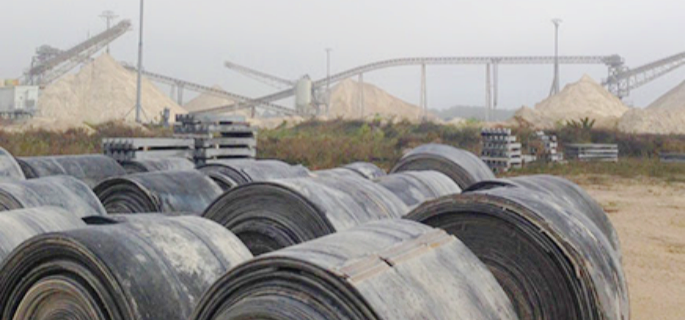
conveyor belt for sale quality checks, packing, and supply planning
Quality control should be visible before the belt leaves the factory. Buyers can ask for photos of the belt surface, edge, roll label, packing, and measurement points. The inspection record should confirm belt width, roll length, total thickness, top cover, bottom cover, belt type, and order reference. For fabric belts, adhesion and ply condition matter. For steel cord belts, cord arrangement and rubber penetration deserve closer attention. For heat-resistant and fire-resistant grades, the compound choice should be clear in the order record.
Packing is part of the supply, especially for export, wholesale, and long-distance project orders. Heavy rolls need strong cores, waterproof wrapping, edge protection, readable marks, and safe loading instructions. Dealers should keep roll labels visible so the warehouse can separate EP belt, NN belt, rubber belt, steel cord belt, and special cover grades without opening every roll.
- Match the belt family to the application and carried material.
- Confirm width, roll length, ply or tensile rating, top cover, bottom cover, and cover grade.
- Check pulley diameter, transition distance, loading impact, temperature, and storage conditions.
- Ask for label details, packing photos, and inspection photos before shipment.
- Keep the selected product page, specification, and purchase record in the same file.
conveyor belt for sale sourcing notes for the order file
A strong order file should connect the product page, the conveyor duty, and the commercial details in one place. For example, Conveyor Belt may be the main reference, but the buyer should still record whether the belt is replacing an existing roll, stocking a dealer warehouse, or supporting a new conveyor project. The same product family can require different cover thickness, roll length, packing, and inspection records depending on that purpose.
When several departments are involved, the file should be easy for everyone to read. The engineering team needs belt construction and pulley fit. The purchasing team needs price basis, lead time, and packing method. The warehouse needs roll marks, width, length, and storage instructions. The maintenance team needs splice allowance, spare roll planning, and installation timing. Keeping those details together makes the order more useful than a simple quote request.
For repeat orders, keep the last accepted specification and update only the details that changed. If the material, conveyor length, chute loading, or operating temperature changed, ask Gram Conveyor to review the belt family again. If the duty is the same, standardizing the product range can reduce buying time and help the plant keep the right spare roll ready.
FAQ about conveyor belt for sale buying
Which product page should a buyer review first? Start with Conveyor Belt because it is the closest product family for this topic. Then compare rubber conveyor belt if the application needs a different carcass, cover compound, or duty level.
What information helps Gram Conveyor recommend the right belt? Share belt width, roll length, material type, loading height, lump size, temperature, belt speed, pulley diameter, and whether the belt will be stocked as a spare or installed immediately.
What specifications affect price and service life most? Width, length, ply count, tensile rating, cover thickness, compound grade, edge type, packing method, and inspection scope usually have the biggest impact.
How should rolls be checked after delivery? Check the label, packing condition, edge damage, surface marks, measured width, roll length, and document consistency before moving the belt into storage or installation.
product navigation for this belt order
Use Conveyor Belt as the first product reference for the buying file. Compare it with rubber conveyor belt when the duty needs a different cover grade, carcass, or operating range. If the application is still unclear, review Conveyor Belt so the final order starts from a published product page rather than a loose description.
The best purchase is the belt that fits the conveyor and arrives with the details needed for installation. For warehouse buyers, that means choosing the product family first, checking the specification against the real material, and keeping the inspection and packing requirements visible before production starts. That approach makes a conveyor belt order easier to compare, easier to receive, and easier to trust when the next shutdown window arrives. It also gives the team a cleaner reference for the next repeat order and future maintenance planning.
Last Updated on June 17, 2026 by gramconveyor_admin


