
Give Your Mining Conveyor Idlers Supplier the Changed Load, Not Only the Old Roller
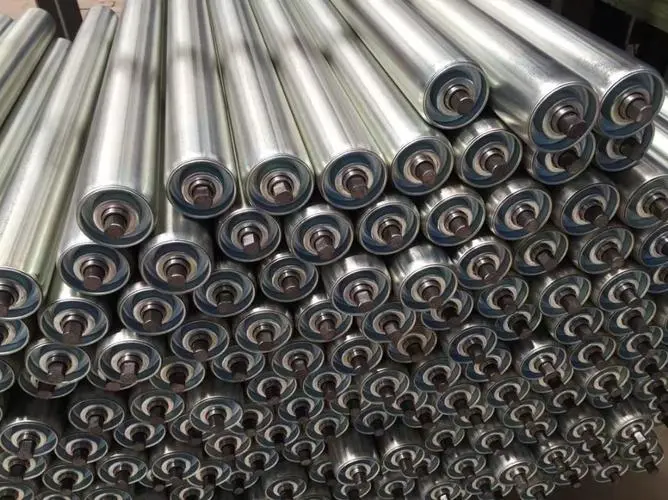
The old idler may fit its brackets perfectly and still be the wrong basis for a new order. A mining conveyor carrying more material, denser ore or a different operating speed needs its support duty reviewed before the purchasing team repeats the previous component. Give the mining conveyor idlers supplier the changed operating conditions first. GRAM’s conveyor roller range provides steel, polymer, impact and suspended support routes; the required assembly should follow the new duty and the retained conveyor geometry, rather than the appearance of the removed roller.
A mining conveyor idlers supplier needs the operating change in plain terms
Start with what changed and what remained fixed. An increased production target is not a complete idler requirement. Explain whether the conveyor is expected to carry more material at its previous speed, move at a revised speed or handle a different material. These changes affect different parts of the support assessment and should remain distinguishable in the supplier’s proposal.
More tonnes per hour can mean more load or more belt speed
If an ore plant increases output while keeping belt speed unchanged, the carrying duty may involve more material on each length of belt. The engineer should establish the intended loading, its distribution and the retained support spacing. Repeating a roller merely because its shaft fits does not answer whether the assembly is suitable for that changed duty.
A different project may achieve its intended output through a speed change. Here the buyer must supply the revised speed as well as the loading information. Roller rotation, bearing selection and operating resistance require an assessment of the complete construction. An unchanged material load should not hide the fact that the proposed roller would operate differently.
Keep three items separate in the inquiry: the carried material on a length of belt, the belt speed, and the distance between support stations. “Higher capacity” does not tell the supplier which of these has changed.
Denser ore can change the support duty without a fuller-looking belt
A mine changing its feed may retain a similar visible cross-section while carrying a different mass. Describe the material and provide the project’s accepted bulk-density information where available. A photograph of belt fill can show distribution, but it cannot establish density or replace the load information required for component selection.
For a procurement team supplying several ore streams, keep the intended material tied to each conveyor. An idler assessed for one stream should not be moved to another solely because both frames accept the same shaft. If density varies during operation, identify the conditions the engineer wants assessed instead of presenting an average as the only duty.
Steel mining idlers must be assessed as assemblies, not empty tubes
GRAM’s steel roller assemblies show cylindrical bodies, bearing ends and projecting shafts. Each of these belongs to the working component. A tube description alone does not establish the roller’s accepted loading, how its bearings are supported or how the shaft transfers forces into the retained brackets.
Keep the shaft support span distinct from the roller face
The face length identifies the working region supporting the belt. The locations at which the shaft is supported belong to the installed assembly. When the project increases duty, the designer needs both, together with the proposed shaft and bearing arrangement. A dimension copied from the rotating body cannot automatically stand in for the distance between shaft supports.
Ask the supplier to identify the complete offered roller against the approved drawing. Where the proposal changes the shaft, bearing arrangement or body construction, have that change assessed explicitly. A favorable description of steel strength is not an assembly rating, and a different bearing name is not evidence that the retained mounting arrangement is adequate.
The inquiry should also identify whether the order covers individual rollers or complete support stations. If the frame remains on site, its condition and load path belong to the engineering review. Buying a more substantial roller does not establish that the retained frame and its connection to the conveyor structure can carry the revised duty.
A polymer idler alternative needs the same changed-load question
GRAM’s polymer roller route describes a polymer body, precision bearings, non-contact rubber sealing and metal end caps. These are useful construction details for comparing proposals. They do not eliminate the need to establish the complete assembly’s suitability for the intended load, speed and support arrangement.

A mine may consider a polymer body because the operating environment makes that material route attractive. Separate that environmental decision from the load decision. Require the proposed assembly and its operating conditions to be stated together; do not carry an acceptance made for a steel assembly across to a polymer alternative by analogy.
Likewise, the sealing description addresses a particular part of the construction. It does not establish a dust-tight operating guarantee for every mineral stream or prove a bearing-life figure. Tell the supplier about dust, moisture and any contamination at the actual station, while the engineer reviews load and rotational duty as connected requirements.
Support spacing can make identical mining rollers do different work
The distance between carrying stations affects the length of loaded belt associated with each station. Supply the retained spacing and identify any planned changes. The supplier should not have to infer the installed arrangement from a loose roller on a workshop bench. A roller selected for one station layout is not automatically approved for another layout with greater spacing.
Professional component suppliers separate roller and frame information in their technical resources; Rulmeca’s bulk documentation is one example of that distinction. Those resources provide industry context, not load ratings for GRAM components. The project still needs an assessment using its own belt, material and support arrangement.
The centre and wing positions share a loaded-belt shape
On a troughed carrying run, the centre and wing rollers support different regions of the belt while contributing to one support profile. Identify the station geometry and which positions the proposal covers. An order should not treat all rollers of a similar visible length as interchangeable across those positions without the relevant drawing and duty review.
If the revised material spreads differently across the belt, include that change in the review. The buyer should avoid an order description that states only the total output while leaving the actual loading distribution unspecified. The supplier’s component proposal and the designer’s station assessment must refer to the same operating arrangement.
Impact and suspended idlers need position-specific acceptance
GRAM’s rubber-ring impact rollers have a working surface different from that of a plain steel roller. At a material landing point, describe the incoming stream and the support station beneath it. A revised carrying load farther along the conveyor does not, by itself, establish the impact requirement at the transfer.
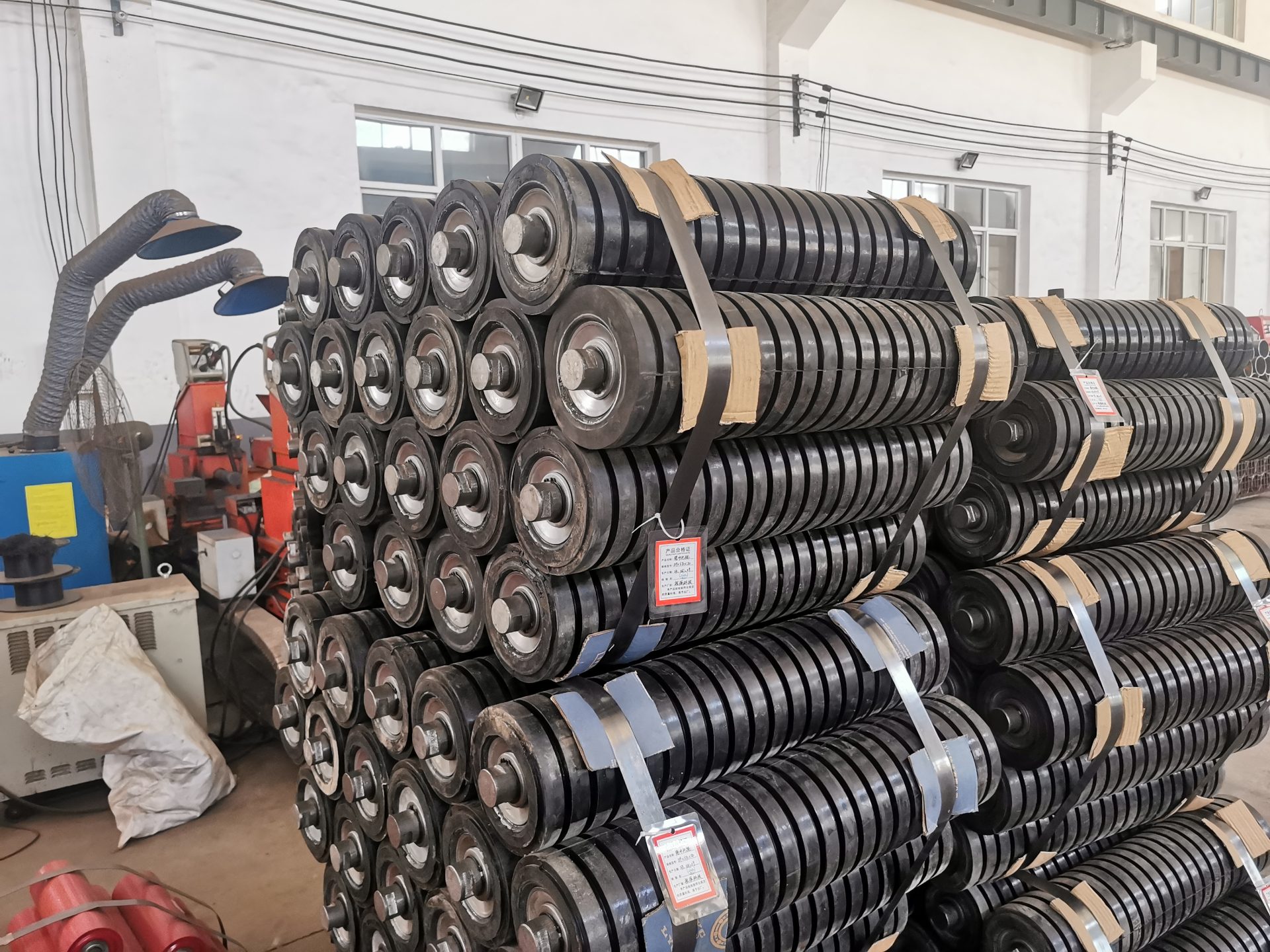
If increased throughput changes the material reaching the landing area, assess that location separately. Ask which ringed diameter, shaft arrangement and station geometry the offer covers. Do not use a general impact-resistant label as a substitute for defining the assembly that supports the belt at that location.
A carrying garland transfers its load through suspension connections
The carrying garland range uses connected, suspended rollers. Its load path includes the links and suspension connections, rather than only individual rollers held in a rigid arrangement. A changed-load inquiry must therefore identify the complete set and the retained attachment points.
For a mine retaining suspended supports, ask the designer to assess those connections with the intended duty. Approval of a loose roller should not be presented as approval of the complete suspended set. A proposal to change support type also needs a station-level assessment; a garland and a rigid station are not interchangeable purchasing descriptions.
The mine’s duty description should include the loaded restart
A production increase can affect the condition left on the conveyor when it stops. Tell the responsible reviewer whether the intended operating sequence includes a loaded restart and whether that condition differs from the earlier duty. The supplier should know the conditions the project wants accepted; this article does not calculate their forces or authorize a revised operating sequence.
Where only part of the carrying run will be changed, mark those stations in the assessment. A newly accepted assembly at one location does not prove that every retained station elsewhere on the route is suitable for the revised load. Keep a local component replacement distinct from acceptance of the entire conveyor.
A repeat-order proposal should also distinguish the assembly selected for the ordinary carrying run from the one selected beneath a transfer. The rubber-ring working surface, rigid support geometry and suspended links describe different constructions. If the supplier combines them into one shipment, retain the position-specific technical acceptance for each instead of allowing a common delivery label to conceal the different duties.
Approve the mining idler duty before repeating the purchase line
Keep the supplier’s assessment attached to the conditions that justified it. If the plant changes the intended speed or material during the inquiry, return those changes for review before placing the order. Otherwise the final purchase can retain a component accepted for a duty that the plant no longer intends to operate.
At delivery, identify the assemblies by the accepted station positions. Protect projecting shaft ends, bearing regions and the working body during transport and handling using the agreed instructions. The package identification should allow the site to distinguish carrying, impact and suspended components; mixing these in an unmarked delivery can obscure the very position-specific acceptance the engineer established.
Once the changed duty is accepted, the shutdown replacement discussion can help check physical fit. Keep the two decisions in that order: first confirm what the roller must do, then confirm how the accepted assembly fits the retained frame. The old roller is useful evidence of an interface, not automatic permission to repeat the old duty.
Last Updated on October 3, 2026 by gramconveyor_admin


