
Changing Belt Width: What an EP Conveyor Belt Supplier Needs to Approve

A wider replacement belt is proposed after an aggregate plant changes its feed. The existing troughing sets, pulleys and loading chute will stay. An EP conveyor belt supplier needs that retained geometry before approving the new width: the belt must support the material across the trough and pass through the transitions without an unresolved construction mismatch. GRAM’s EP rubber belt family provides the polyester-and-nylon reinforcement route, while its fabric conveyor belts provide the broader textile construction context. Start with the machine geometry and the proposed belt construction together.
Width can be changed on a quotation in seconds. The consequences extend across the conveyor: support position, material distribution, edge clearance, pulleys, skirting and the way the belt enters and leaves the trough. A supplier approval that considers only the new width leaves those interfaces unresolved. The purchasing team should distinguish a replacement in the existing envelope from a conveyor modification.
The EP Conveyor Belt Supplier Needs More Than Width and Tensile Strength
GRAM describes EP construction with polyester fabric in the longitudinal direction and nylon fabric in the transverse direction. A top rubber cover, fabric carcass and bottom rubber cover form the described belt arrangement. Those details identify a construction family, but they do not determine every belt’s transverse behaviour or suitability for an unchanged trough.
Polyester Warp Does Not Approve Transverse Belt Support
The longitudinal reinforcement participates in carrying belt tension. Across the conveyor, the belt also has to form the intended supported shape and carry the distributed material load. A longitudinal strength description cannot, by itself, answer whether a particular width and construction suit the installed roller arrangement.
For the proposed EP belt, identify the actual reinforcement construction, ply arrangement and cover thicknesses being offered. The reviewer needs those particulars beside the troughing geometry and material duty. Two belts sharing an EP abbreviation can differ in the construction information relevant to that assessment.
Consider an engineering buyer who increases the specified ply count while keeping the same machine. More plies are not automatically a complete approval of the changed belt. The proposed assembly must still be assessed for forming the trough, supporting the load and passing around retained equipment. Ask for confirmation of that construction rather than assuming that an apparently stronger description settles every interface.
Nylon Weft Does Not Make Every EP Width Equally Suitable
The transverse nylon component belongs to the EP fabric description. It is not a universal permission to use any width over any support span. The belt’s proposed construction and the installed support arrangement must be considered together. Keep that distinction clear when an alternative width is offered because it is convenient to source.
A quotation should therefore identify what changed from the original proposal. If width, plies and covers all change at once, the review should not discuss them as a single harmless width adjustment. Record each construction difference, then establish whether the complete revised belt is acceptable for the retained conveyor.
Map the EP Belt Across the Installed Troughing Rollers
A troughing set supports the belt through a defined arrangement of rollers. Record the roller face lengths, their arrangement, the support geometry and the relationship of the proposed belt edges to that support. The review needs the actual installed dimensions, including any deviations from the original conveyor drawing.
Unsupported Belt Width Is a Geometry Question
Increasing the belt width does not necessarily increase the useful supported material area by the same amount. The proposed belt may extend differently beyond the outer support surfaces or present a changed shape at the edges. The engineer should assess that geometry rather than equating a larger nominal width with an approved increase in carrying capacity.
At an aggregate plant, a feed change may place more material toward one side of the trough. Record the distribution that the proposed wider belt is expected to carry. A symmetrical outline on a drawing does not capture a persistently off-centre operating load. The belt construction, support and loading arrangement need to be evaluated for the actual intended condition.
Also identify whether the existing rollers and frames are in sound condition. Approving a belt against damaged or displaced support components can turn a purchasing review into an accidental acceptance of a defective machine. Establish which geometry will exist after repairs, and use that agreed condition for the replacement assessment.
Fenner Dunlop’s construction-specific technical tables distinguish belt width, load support and pulley requirements. Its product values are not GRAM ratings. The relevant purchasing lesson is that these requirements belong to the actual proposed construction, rather than to a material abbreviation alone.
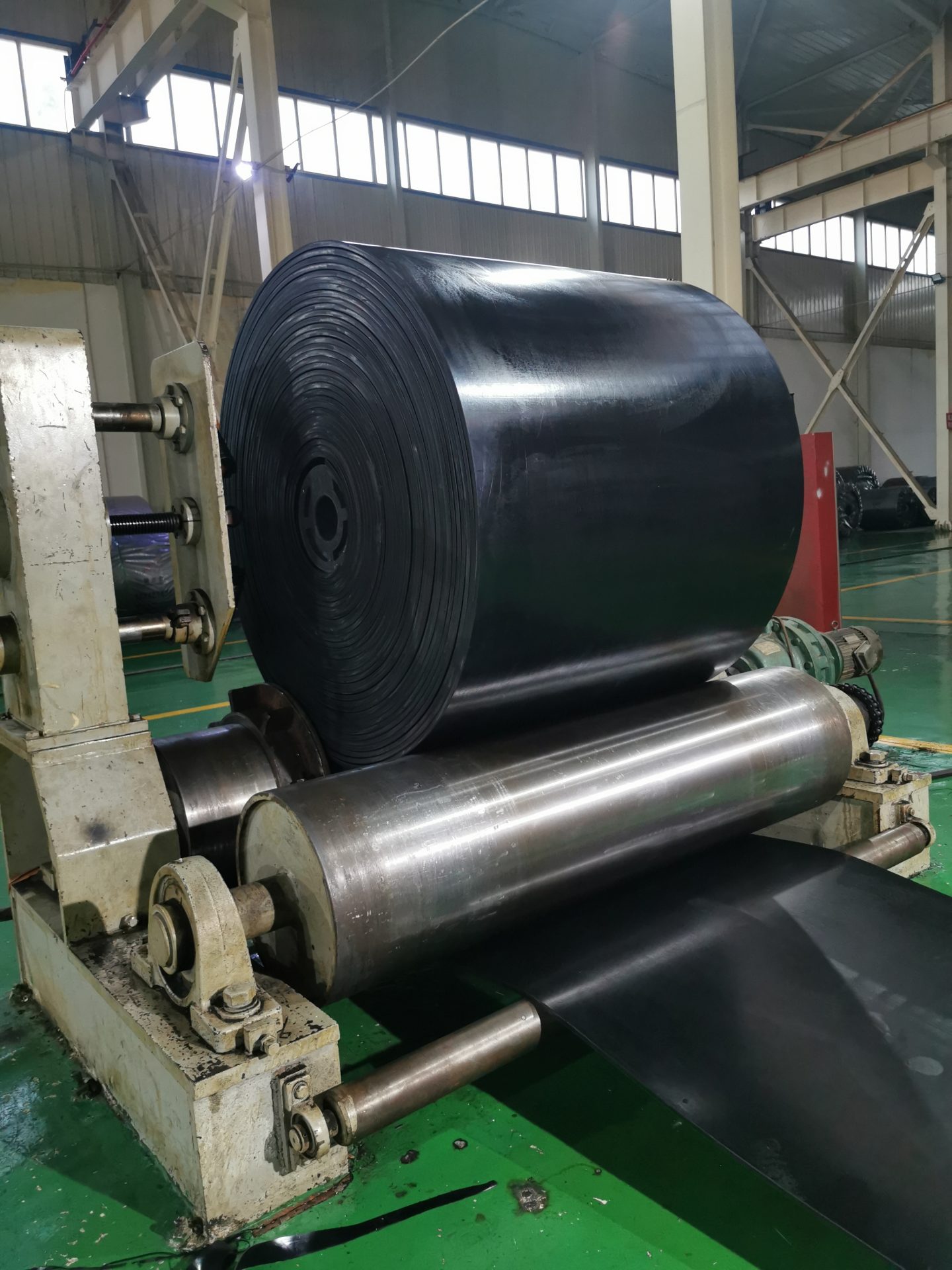
Trough Angle and Roller Arrangement Must Describe the Same Station
When asking for a trough review, do not combine an angle from a design drawing with roller lengths measured at a different station. Identify the station and confirm that the dimensions belong together. A conveyor may have transition supports or repaired frames that differ from the repeating carrying sets.
If the proposed width requires a different roller arrangement, treat that as a modification with its own component scope. The purchasing team should know whether the approval assumes new supports, retained supports or a mixture. An approval conditional on a future frame change cannot be presented to the installer as an exact replacement.
Check the belt’s intended path through the support arrangement at the same time as the outer clearances. If the proposal requires an offset centreline, identify why and assess the loading and pulley relationships against that proposed line. A wider outline drawn around the previous belt centreline should not hide an unresolved change to the conveyor’s working geometry.
For quotation comparison, ask each bidder to identify the width and construction for which its support statement applies. An acceptance note for one width should not remain attached to a later revision that changes the width or fabric arrangement. Keep the approved revision reference alongside the order so the receiving team can distinguish a commercial amendment from a technically accepted change.
If a trial or commissioning review is part of the engineering agreement, define its relevant loading conditions before the belt is ordered. An empty run cannot establish the transverse load support expected during material handling. The review should follow the approved design criteria rather than create new limits after installation.
A Wider EP Belt Changes the Loading-zone Review
The loading chute and the belt do not become compatible merely because the belt is wider. Describe the material stream, intended loading position and existing sealing arrangement against the new belt envelope. The belt supplier needs to know what conditions the project expects the revised construction to encounter.
Skirt Contact Must Remain Within an Approved Belt Arrangement
A changed belt width can alter the relationship between the moving belt and retained skirts. Check where contact will occur, how the belt is supported beneath that contact and whether the intended geometry remains achievable. Do not assume that an old skirt setting is suitable simply because it was acceptable on the previous belt.
For a maintenance buyer retaining the chute, separate the desired material capacity from the support and sealing conditions. A wider belt may be part of the proposal, but the supporting engineering decision should explain how material will be loaded and contained. If the transfer hardware must change, name those components and the responsible scope before ordering the belt.
GRAM’s impact load-zone support options include beds, saddles and idlers. They offer different routes for reviewing belt support beneath loading. Selecting a support route does not approve every possible width or construction; the proposed unit must match the revised belt geometry and retained frame.
Document the material characteristics relevant to that loading assessment, including the largest relevant lumps and the actual trajectory. These describe the duty to review, not an impact capacity that can be assigned from a photograph. If loading changes with different products or feed arrangements, include those conditions before a single belt construction is approved.
Follow the Wider Fabric Belt from Trough to Pulley
The carrying trough is only one part of the belt path. Record how the belt changes shape near the pulleys and other transition areas. A width change needs assessment through those transitions, with the retained pulley positions and supporting geometry identified. The proposed belt should not be approved only in the repeating carrying section.
Retained Pulley Faces Need a Separate Width Check
The installed pulley face, belt path and surrounding clearances must remain compatible with the proposed width. Identify the actual pulleys that will stay, not just the drive pulley. A wider replacement can create an unresolved interface at a tail, bend or other retained position even if the main carrying section appears adequate.
Pulley diameter is another construction-specific question. Do not borrow a diameter limit from an unrelated belt or treat a similar overall thickness as proof of equal bending suitability. Request the proposed EP construction’s requirements and have them assessed against the full pulley inventory. That assessment is separate from checking whether the belt fits across a pulley face.
Where a tripper or another changing path is retained, include its operating positions in the geometry review. A belt can encounter different support and bending conditions as equipment moves. The supplier’s proposal should be evaluated against the intended operating envelope rather than against the most convenient stationary photograph.
| Retained conveyor element | What the width proposal changes | Evidence needed for approval |
|---|---|---|
| Carrying troughing sets | Transverse belt outline and material support | Actual set geometry and the offered EP construction |
| Loading chute and skirts | Material footprint and belt contact relationship | Agreed loading condition and support arrangement |
| Pulleys and transitions | Face-width fit and shape change through the belt path | Retained equipment dimensions and construction-specific requirements |
This matrix is a way to keep changes visible, not a substitute for design calculations. Where a dimension or operating condition is unknown, retain it as an unresolved approval item. A price comparison becomes more meaningful after the competing proposals describe the same approved installation scope.
Keep Alternative Belt Reinforcement Separate from the Width Decision
GRAM’s NN belt construction uses nylon in both fabric directions, while its steel-cord route uses longitudinal steel reinforcement. These are possible product families to evaluate for an appropriate project, not interchangeable responses to a requested EP width.
If an alternative reinforcement is proposed, reopen the relevant construction and joining review. Do not preserve an old EP approval while changing the actual belt family underneath it. The wider-belt question and the reinforcement question can be considered together, but the order record must identify both decisions explicitly.
The existing EP replacement construction guide adds context on reinforcement and replacement requirements. For this project, the controlling evidence remains the offered construction and the conveyor geometry against which it was approved.
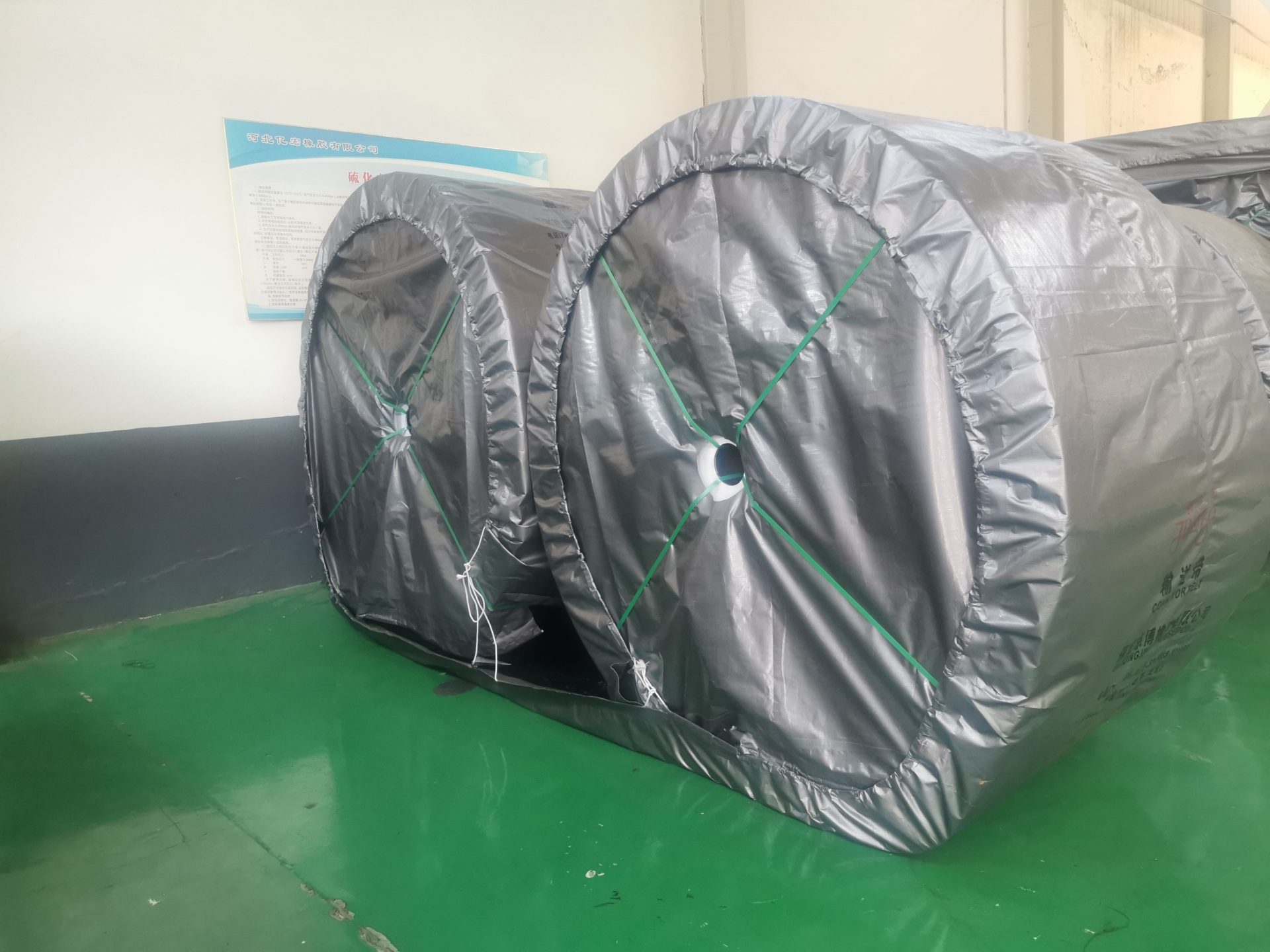
Before dispatch, agree how the selected roll will be identified with the approved construction and revised width. Its handling and transport arrangement must follow its actual mass and dimensions. Do not infer roll weight, package size or unloading capability from the width alone, especially if the revised covers or carcass also change the delivered roll.
At receipt, compare the belt and documents with the final approved revision, not an earlier request that used the original width. Give the installation team the retained-equipment assumptions with that revision. If the belt fits the rollers but a pulley, skirt or transition remains unreviewed, the width change is still an unfinished conveyor modification.
Last Updated on October 2, 2026 by gramconveyor_admin


