
Heat Resistant Conveyor Belt for Cement Plant Clinker and Raw Material Lines
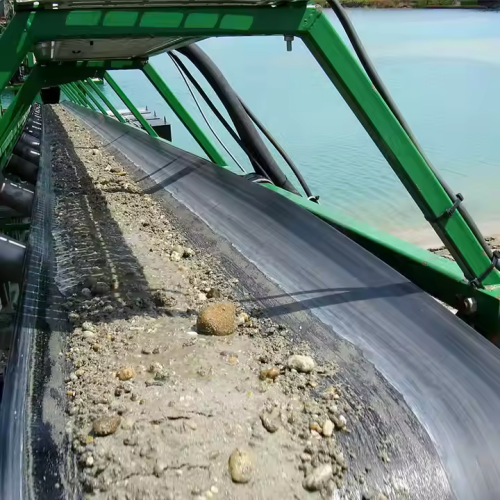
Heat Resistant Conveyor Belt for Cement Plant Clinker and Raw Material Lines
heat resistant conveyor belt for cement plant buyer brief
Buyer brief. A heat resistant conveyor belt for cement plant should be selected around the material, conveyor geometry, operating risk, and replacement plan. The right belt is not only the one with the correct name; it is the belt that keeps its cover, carcass, edges, and splice area stable under cement clinker, hot raw meal, preheater discharge, kiln-related transfer, and outdoor cement plant conveyors.
Gram Conveyor’s real product range gives buyers several practical routes: HR rubber belt, rubber conveyor belt, EP rubber belt, NN rubber belt. These product pages matter because industrial belt purchasing usually fails when a quotation is separated from the conveyor’s load, temperature, abrasion, fire risk, cleaning method, and pulley size.
For this application, the most important purchasing theme is cement plant heat, clinker abrasion, cover grade, carcass stability, and planned shutdown replacement. A useful specification should include the belt family, width, length, carcass, cover grade, top and bottom cover thickness, edge condition, roll length, packing method, and inspection photos before shipment.
Product options for heat resistant conveyor belt for cement plant orders
HR rubber belt in heat resistant conveyor belt for cement plant projects
HR rubber belt is the Gram product direction for hot material handling. It is most relevant when cover hardening, cracking, and heat aging would shorten the life of a standard rubber conveyor belt.
For cement clinker, hot raw meal, preheater discharge, kiln-related transfer, and outdoor cement plant conveyors, this product path helps the buyer define the belt by structure and duty. The practical order details are width, roll length, top and bottom cover, carcass type, operating temperature, material shape, pulley size, and packing. Gram Conveyor’s HR rubber belt page gives the purchasing team a product reference that can be linked directly from the specification file.
rubber conveyor belt in heat resistant conveyor belt for cement plant projects
Rubber conveyor belt is the main option for bulk materials because the cover compound can be matched to abrasion, heat, fire risk, oil, chemical exposure, impact, and outdoor storage. Buyers should specify top cover, bottom cover, edge type, and carcass before comparing offers.
For cement clinker, hot raw meal, preheater discharge, kiln-related transfer, and outdoor cement plant conveyors, this product path helps the buyer define the belt by structure and duty. The practical order details are width, roll length, top and bottom cover, carcass type, operating temperature, material shape, pulley size, and packing. Gram Conveyor’s rubber conveyor belt page gives the purchasing team a product reference that can be linked directly from the specification file.
EP rubber belt in heat resistant conveyor belt for cement plant projects
EP rubber belt uses polyester in the warp direction and nylon in the weft direction, giving stable strength and controlled elongation for many plant conveyors. EP400/3 and EP800/4 are useful specification references for replacement planning.
For cement clinker, hot raw meal, preheater discharge, kiln-related transfer, and outdoor cement plant conveyors, this product path helps the buyer define the belt by structure and duty. The practical order details are width, roll length, top and bottom cover, carcass type, operating temperature, material shape, pulley size, and packing. Gram Conveyor’s EP rubber belt page gives the purchasing team a product reference that can be linked directly from the specification file.
NN rubber belt uses nylon fabric in both warp and weft directions. It can be useful where flexibility and impact behavior matter, but it should be compared with EP when take-up travel and long-term stretch are important.
For cement clinker, hot raw meal, preheater discharge, kiln-related transfer, and outdoor cement plant conveyors, this product path helps the buyer define the belt by structure and duty. The practical order details are width, roll length, top and bottom cover, carcass type, operating temperature, material shape, pulley size, and packing. Gram Conveyor’s NN rubber belt page gives the purchasing team a product reference that can be linked directly from the specification file.
The broad Conveyor Belt range is the starting point when a buyer is still comparing rubber, fabric, steel cord, mining, heat-resistant, and fire-risk belt families. It keeps the discussion tied to real conveyor duty instead of a loose material name.
For cement clinker, hot raw meal, preheater discharge, kiln-related transfer, and outdoor cement plant conveyors, this product path helps the buyer define the belt by structure and duty. The practical order details are width, roll length, top and bottom cover, carcass type, operating temperature, material shape, pulley size, and packing. Gram Conveyor’s Conveyor Belt page gives the purchasing team a product reference that can be linked directly from the specification file.
| Product option | Where it fits | What to verify before buying |
|---|---|---|
| HR rubber belt | Hot clinker, coke, foundry sand, sintered material, or cement plant heat exposure. | Check width, cover grade, carcass, pulley fit, roll length, label, packing, and inspection photos. |
| rubber conveyor belt | General bulk materials where cover compound protects the belt from abrasion, heat, moisture, or impact. | Check width, cover grade, carcass, pulley fit, roll length, label, packing, and inspection photos. |
| EP rubber belt | Stable strength, controlled elongation, common plant replacement, and practical splicing. | Check width, cover grade, carcass, pulley fit, roll length, label, packing, and inspection photos. |
| NN rubber belt | Flexible fabric behavior, impact awareness, and conveyor layouts where nylon carcass is preferred. | Check width, cover grade, carcass, pulley fit, roll length, label, packing, and inspection photos. |
| Conveyor Belt | Early-stage comparison when the buyer needs to map the whole conveyor belt range. | Check width, cover grade, carcass, pulley fit, roll length, label, packing, and inspection photos. |
Application fit for cement clinker, hot raw meal, preheater discharge, kiln-related transfer, and outdoor cement plant conveyors
A buyer using this belt in cement clinker, hot raw meal, preheater discharge, kiln-related transfer, and outdoor cement plant conveyors should separate normal running load from the worst part of the conveyor. Loading zones, skirtboards, transition areas, belt cleaners, return rollers, and storage conditions can create more damage than the straight carrying section. A belt that looks correct on paper can fail early if the drop height, cleaner pressure, or pulley diameter is ignored.
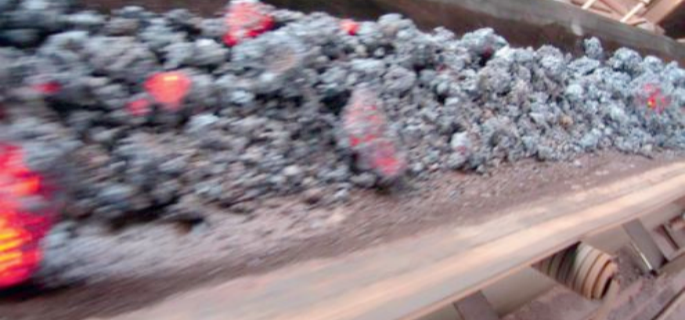
When heat resistant conveyor belt for cement plant is the right choice
It is the right choice when the application risk named in the keyword is real and recurring. In that case, paying attention to the cover compound, carcass, roll marking, and packing protects service life. For many buyers, the best value comes from using a standard Gram product family such as HR rubber belt, rubber conveyor belt, EP rubber belt and then tuning the specification around the actual conveyor.
When another conveyor belt type may be safer
Some sites need a different belt family even when the keyword sounds close. Long high-tension routes may move toward Steel Cord Conveyor Belt; coal or enclosed fire-risk handling may require FR rubber belt; hot clinker may require HR rubber belt; and impact zones may need both a heavier belt and Impact Load Zone Belt Support. The buyer should decide by material behavior and conveyor geometry, not by a broad product label.
heat resistant conveyor belt for cement plant specification details buyers should confirm
Start with the old belt if the order is a replacement. Photograph the belt label, edge, splice, top cover, bottom cover, and the failure area. If the old marking is missing, measure the belt width and thickness, check the conveyor center distance, identify the take-up type, and note the carried material. For Gram Conveyor belt discussions, useful model references include HR rubber belt, EP800/4, EP400/3, NN100.
cement plants should separate hot clinker belts from ordinary raw material belts in the spare parts plan. This is why buyers should not approve a belt only from a unit price. The quotation should name the product family and cover duty, then state whether the carcass is EP, NN, nylon, polyester, multi-ply fabric, or steel cord. For hot, fire-risk, chemical, oily, or tearing applications, the cover compound and inspection records become part of the purchase decision.
heat resistant conveyor belt for cement plant width, cover, and carcass checklist
- Confirm belt width, roll length, top cover, bottom cover, edge type, and total thickness.
- State the carried material, lump size, temperature, moisture, oil or chemical exposure, and cleaning method.
- Match carcass choice to pulley diameter, take-up travel, belt speed, splice method, and expected tension.
- Ask for roll label information, packing photos, and inspection photos before shipment.
- Keep one spare roll ready when shutdown cost is higher than the price difference between belt grades.
Inspection, packing, and supply control for heat resistant conveyor belt for cement plant
Quality control should be visible before the roll leaves the supplier. For Gram Conveyor orders, buyers can ask for surface photos, edge photos, label photos, width confirmation, thickness confirmation, and packing photos. The inspection should match the risk of the belt: heat aging for HR duty, fire-risk documentation for FR duty, cover consistency for abrasion duty, carcass condition for EP or NN belts, and cord-related checks for steel cord belts.

Roll packing details that protect the order
Export and wholesale orders should use strong cores, waterproof wrapping, edge protection, readable labels, and roll direction marks. The label should connect the roll to the purchase order and the specification. This is especially important for repeat buyers who stock several widths or several belt families in one warehouse.
Supply planning is part of the product choice. Standard widths and repeat constructions are easier to reorder, easier to stock, and easier to install during a shutdown. Special cover compounds or steel cord constructions may need more lead time, so buyers should separate emergency spare rolls from project-specific rolls.
FAQ about heat resistant conveyor belt for cement plant sourcing
Which Gram product page should buyers review first?
Start with HR rubber belt. Then compare rubber conveyor belt, EP rubber belt, NN rubber belt if the application requires a different carcass, cover compound, or duty level.
What specifications affect price and service life most?
The biggest factors are belt width, roll length, carcass, ply or tensile rating, cover thickness, compound grade, edge type, splice allowance, packing, and inspection requirements. The price is only useful when every supplier is quoting the same duty.
What should be checked when receiving the belt?
Check the roll label, packing condition, edge condition, surface appearance, width, and any supplied inspection photos or documents. Store the roll away from standing water, oil, direct sunlight, sharp objects, and unnecessary deformation before installation.
Product navigation for heat resistant conveyor belt for cement plant buyers
Use the links below to move from the buying guide to the relevant Gram Conveyor product range. These links point to already published product or technical pages and help purchasing teams keep the article connected to the real product line.
View Product Range View rubber conveyor belt View EP rubber belt
Related reading: High-Temperature And Heat Resistant Conveyor Belt | What is Conveyor Belt Ply and Conveyor Belt Ply Adhesion | How a Multi Ply Conveyor Belt Enhances Efficiency
The best purchase is the belt that fits the conveyor before it reaches the site. For heat resistant conveyor belt for cement plant, that means naming the right Gram product family, confirming the duty, and keeping enough inspection and packing detail to make the next replacement easier than the last one.


