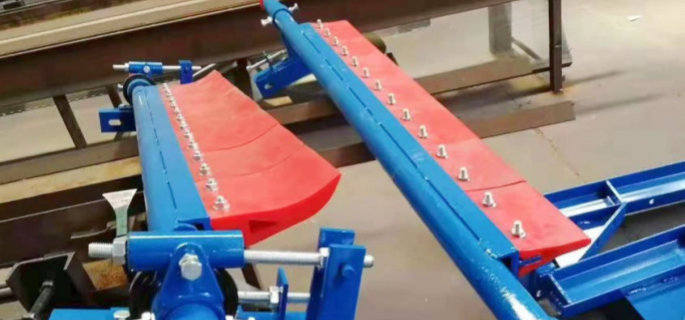
Heavy Duty Conveyor Belt Wipers

Heavy Duty Conveyor Belt Buying Guide for Impact, Abrasion, and High Load

Buyer brief. This article is written for mine maintenance planners who need a replacement and project guide for conveyors exposed to heavy lumps, impact zones, and abrasive material. It focuses on real conveyor belt products, site conditions, and purchasing checks that affect performance after the roll reaches the plant.

A useful heavy duty conveyor belt article should help a buyer choose a belt that can actually run on the conveyor. The first decision is not only price or availability. It is whether the product family, cover rubber, carcass, width, roll length, and packing match the line. Gram Conveyor supports buyers who need practical belt options for industrial replacement, project supply, dealer stock, and export orders.

Gram Conveyor’s product range gives mine maintenance planners practical choices instead of a single generic belt. The main pages to compare for this order are Heavy Duty Conveyor Belt, Mining Conveyor Belt, rubber conveyor belt, Steel Cord Conveyor Belt. The right product depends on the carried material, conveyor length, loading point, pulley size, belt speed, temperature, and how quickly the plant needs a replacement roll available.

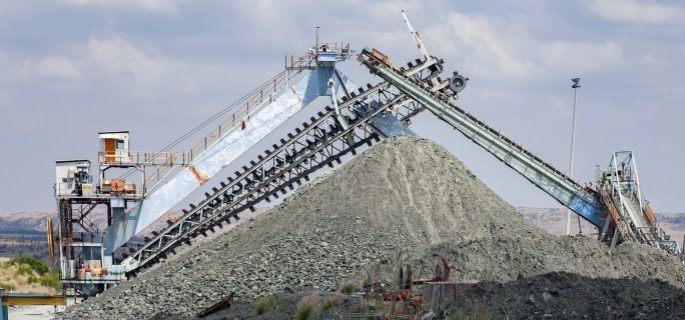
For impact zones, primary crushing, quarry transfer, mining, and heavy bulk handling, the buyer should start from the product family and then narrow the order into a real specification. Rubber cover protects the belt from abrasion, heat, fire risk, moisture, and impact. EP and NN fabric carcasses help control strength, flexibility, and elongation. Steel cord construction is considered when long centers or high tension make fabric belt unsuitable. A short site note and one product page link can prevent a wrong quotation. This is why the same keyword can describe several different belts once the site conditions are known.
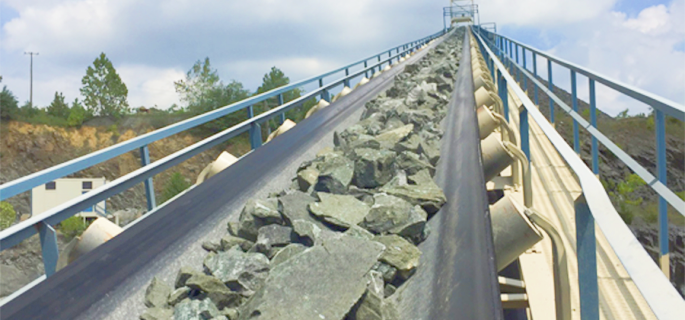
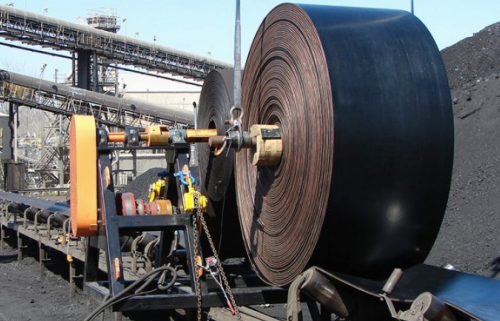
heavy duty conveyor belt product options for industrial buyers
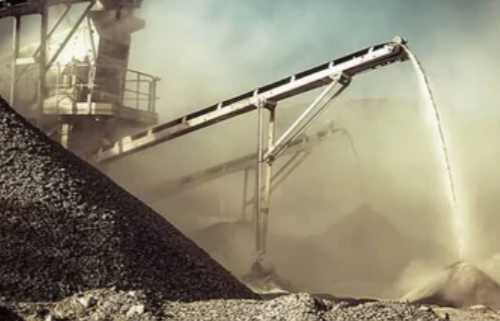
heavy duty conveyor belt selection should begin with belt construction, cover grade, and real conveyor duty.

heavy duty conveyor belt product options for mine maintenance planners

Heavy Duty Conveyor Belt

Use this product family when the specification points toward the main duty described in the buying file for impact zones, primary crushing, quarry transfer, mining, and heavy bulk handling.

View Heavy Duty Conveyor Belt

Mining Conveyor Belt

Use this product family when the specification points toward a related belt construction or cover requirement for impact zones, primary crushing, quarry transfer, mining, and heavy bulk handling.

View Product Range

rubber conveyor belt

Use this product family when the specification points toward a stronger, lighter, or more specialized alternative for impact zones, primary crushing, quarry transfer, mining, and heavy bulk handling.

View Product Range

Steel Cord Conveyor Belt

Use this product family when the specification points toward a comparison option before final approval for impact zones, primary crushing, quarry transfer, mining, and heavy bulk handling.

View Product Range

Product option Where it helps What to check before buying
Heavy Duty Conveyor Belt Useful when the buyer needs a proven starting point and wants fewer specification surprises. Confirm width, length, cover grade, top and bottom cover, and roll marking.
Mining Conveyor Belt Often lowers risk by matching cover rubber or carcass construction to the actual material. Check pulley diameter, splice method, loading impact, and operating temperature.
rubber conveyor belt Can reduce replacement problems when tension, impact, or service temperature are reviewed early. Review tensile rating, elongation, edge condition, and expected service life.
Steel Cord Conveyor Belt Helps dealers and project buyers compare stock, lead time, and inspection requirements. Ask for packing photos, roll labels, and inspection records before shipment.
Fabric Conveyor Belt Adds a specialist option when the standard belt family is not enough for the duty. Compare the product page with the actual conveyor duty before approving price.

heavy duty conveyor belt specifications buyers should confirm

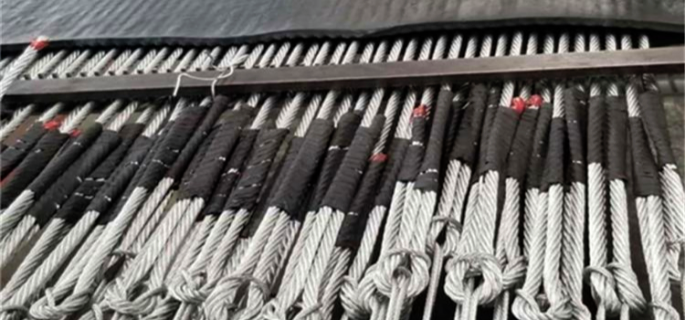
A useful specification starts with the belt width, required roll length, ply count or tensile rating, top cover, bottom cover, edge type, and intended splice method. Model references such as EP800/4, ST steel cord, HR rubber belt, FR rubber belt help the buyer describe carcass strength and duty level in a way the factory can produce. If the old belt has a label, send a photo. If the label is missing, measure the width and total thickness, record the material handled, and note the conveyor center distance.

Cover grade is where many buying mistakes begin. Abrasion-resistant rubber is common for stone, aggregate, clinker, and recycling. Heat-resistant grades are used when material temperature can damage ordinary rubber. Fire-resistant grades matter for coal and some mining lines. A fabric belt, rubber belt, steel cord belt, or special-purpose belt can all be correct, but only when the cover and carcass match the duty.

heavy duty conveyor belt model and construction notes

Model names and belt families should be used to clarify the construction, not to decorate the order. EP800/4, ST steel cord, HR rubber belt, FR rubber belt are useful references because they point to carcass strength, elongation, and duty level. The buyer should still confirm belt width, cover thickness, pulley diameter, and splice plan so the product can be produced and installed without guesswork.

where this heavy duty conveyor belt approach fits best

This topic fits applications where ordinary belt covers wear too quickly or where tearing and impact damage create downtime. In a real plant, the choice is rarely made by keyword alone. A buyer needs to know whether the belt runs under a chute, carries sharp lumps, works outdoors, moves hot material, or sits as a spare roll in a warehouse. Those details decide whether a standard rubber belt is enough, an EP or NN fabric belt is more practical, or a steel cord or mining belt should be reviewed.

It is also important to know when not to use the simplest option. the heaviest belt is not always correct if pulley diameter, transition distance, or splice method cannot handle the selected construction. A slightly higher product cost can still be the economical choice when it prevents belt tearing, repeated splicing, urgent freight, or production downtime.

A practical replacement example is a plant that needs one belt urgently but also wants to avoid the same stoppage next season. The buyer can order the immediate roll and, at the same time, confirm whether the next spare should be the same construction or a better-matched rubber, fabric, or steel cord belt. That small review often saves more than negotiating a small discount on the wrong product.

when this heavy duty conveyor belt choice is right

It is the right choice when the belt family, cover grade, and carcass construction match the conveyor instead of just matching a catalog name. Buyers can keep cost under control by choosing standard widths, combining repeat sizes, and avoiding unnecessary special covers. They should not remove the features that protect uptime: the right cover, enough carcass strength, proper roll length, and packing that survives transport.

when buyers should choose a different belt

A different product is safer when the conveyor has high impact, high temperature, underground fire-risk duty, long-distance tension, or a steep incline profile. In those cases, the order may need mining belt, heavy-duty rubber belt, steel cord belt, heat-resistant belt, fire-resistant belt, chevron belt, pipe belt, or sidewall construction. The product page should be used as a technical starting point before the buyer approves the quote.
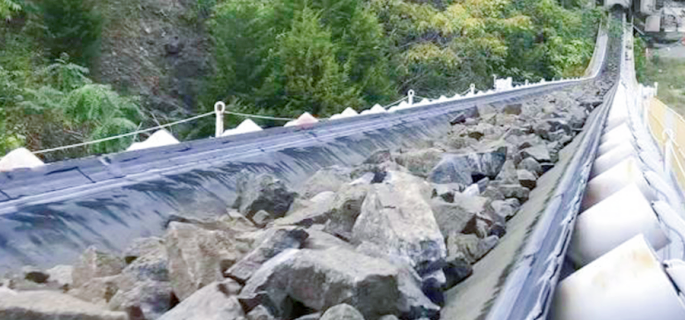
heavy duty conveyor belt inspection and packing details
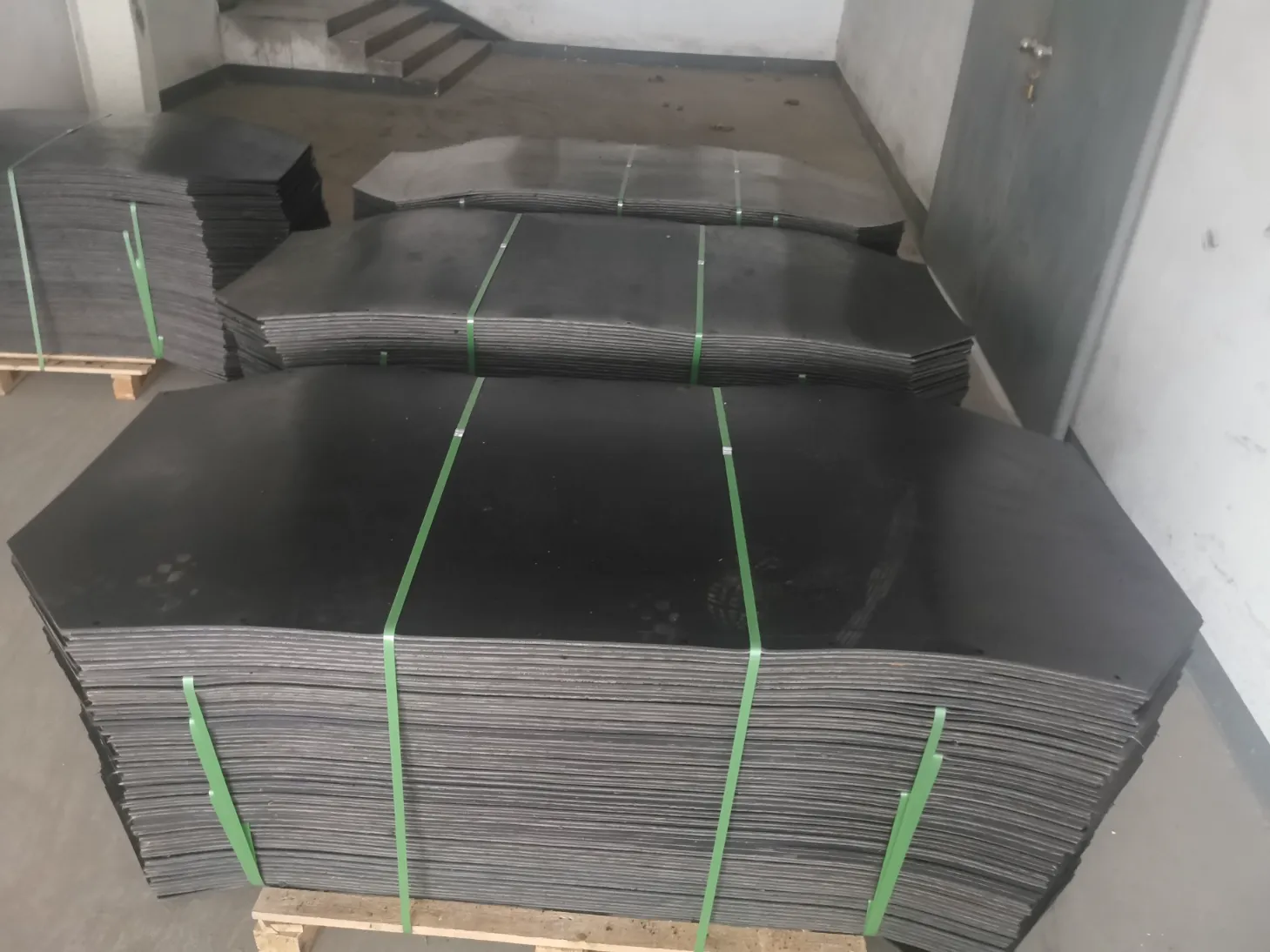
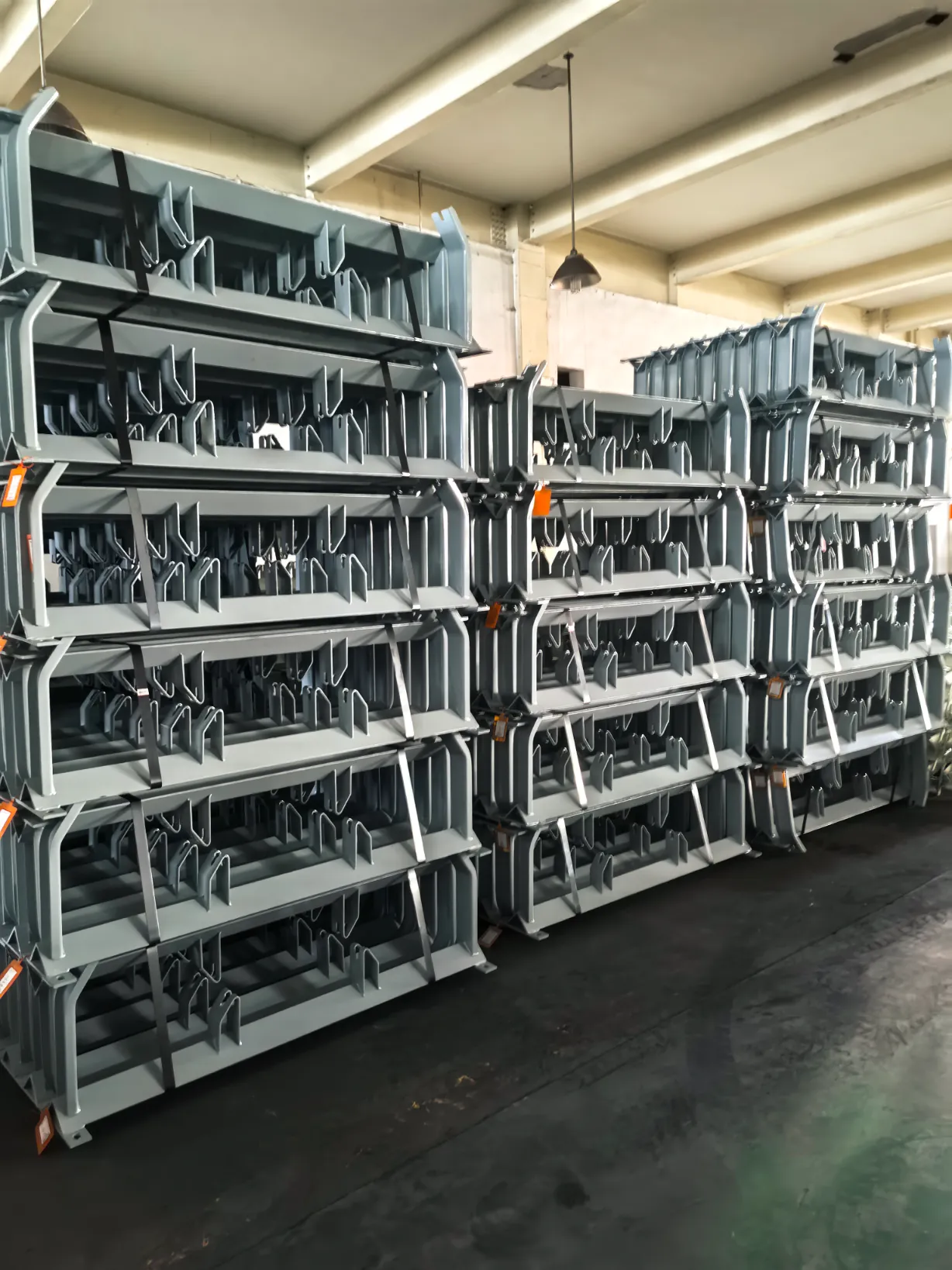
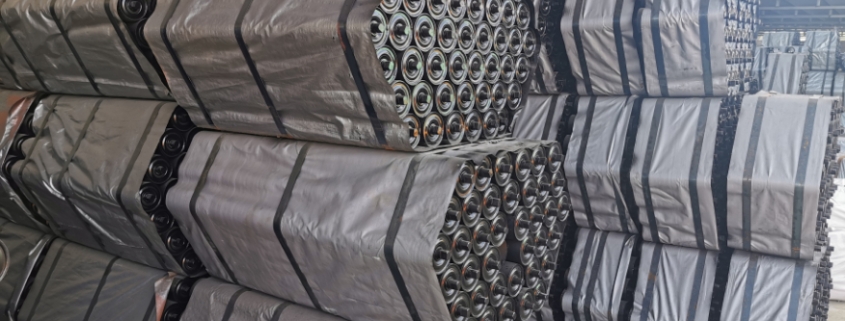
Inspection, clear labels, and protected packing help keep heavy duty conveyor belt orders traceable.

heavy duty conveyor belt quality checks, packing, and supply planning

Quality control should be visible before the belt leaves the factory. Buyers can ask for photos of the belt surface, edge, roll label, packing, and measurement points. The inspection record should confirm belt width, roll length, total thickness, top cover, bottom cover, belt type, and order reference. For fabric belts, adhesion and ply condition matter. For steel cord belts, cord arrangement and rubber penetration deserve closer attention. For heat-resistant and fire-resistant grades, the compound choice should be clear in the order record.

Packing is part of the supply, especially for export, wholesale, and long-distance project orders. Heavy rolls need strong cores, waterproof wrapping, edge protection, readable marks, and safe loading instructions. Dealers should keep roll labels visible so the warehouse can separate EP belt, NN belt, rubber belt, steel cord belt, and special cover grades without opening every roll.

Buyer checklist before approval:

  • Match the belt family to the application and carried material.
  • Confirm width, roll length, ply or tensile rating, top cover, bottom cover, and cover grade.
  • Check pulley diameter, transition distance, loading impact, temperature, and storage conditions.
  • Ask for label details, packing photos, and inspection photos before shipment.
  • Keep the selected product page, specification, and purchase record in the same file.

heavy duty conveyor belt sourcing notes for the order file

A strong order file should connect the product page, the conveyor duty, and the commercial details in one place. For example, Heavy Duty Conveyor Belt may be the main reference, but the buyer should still record whether the belt is replacing an existing roll, stocking a dealer warehouse, or supporting a new conveyor project. The same product family can require different cover thickness, roll length, packing, and inspection records depending on that purpose.

When several departments are involved, the file should be easy for everyone to read. The engineering team needs belt construction and pulley fit. The purchasing team needs price basis, lead time, and packing method. The warehouse needs roll marks, width, length, and storage instructions. The maintenance team needs splice allowance, spare roll planning, and installation timing. Keeping those details together makes the order more useful than a simple quote request.

For repeat orders, keep the last accepted specification and update only the details that changed. If the material, conveyor length, chute loading, or operating temperature changed, ask Gram Conveyor to review the belt family again. If the duty is the same, standardizing the product range can reduce buying time and help the plant keep the right spare roll ready.

FAQ about heavy duty conveyor belt buying

Which product page should a buyer review first? Start with Heavy Duty Conveyor Belt because it is the closest product family for this topic. Then compare Mining Conveyor Belt if the application needs a different carcass, cover compound, or duty level.

What information helps Gram Conveyor recommend the right belt? Share belt width, roll length, material type, loading height, lump size, temperature, belt speed, pulley diameter, and whether the belt will be stocked as a spare or installed immediately.

What specifications affect price and service life most? Width, length, ply count, tensile rating, cover thickness, compound grade, edge type, packing method, and inspection scope usually have the biggest impact.

How should rolls be checked after delivery? Check the label, packing condition, edge damage, surface marks, measured width, roll length, and document consistency before moving the belt into storage or installation.

product navigation for this belt order

Use Heavy Duty Conveyor Belt as the first product reference for the buying file. Compare it with Mining Conveyor Belt when the duty needs a different cover grade, carcass, or operating range. If the application is still unclear, review Conveyor Belt so the final order starts from a published product page rather than a loose description.

View Heavy Duty Conveyor Belt

View Product Range

The best purchase is the belt that fits the conveyor and arrives with the details needed for installation. For mine maintenance planners, that means choosing the product family first, checking the specification against the real material, and keeping the inspection and packing requirements visible before production starts. That approach makes a conveyor belt order easier to compare, easier to receive, and easier to trust when the next shutdown window arrives. It also gives the team a cleaner reference for the next repeat order and future maintenance planning.
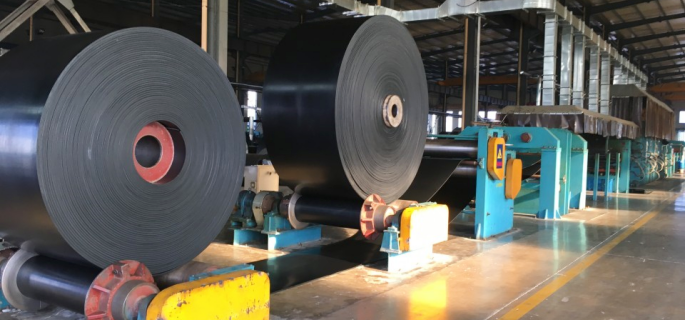
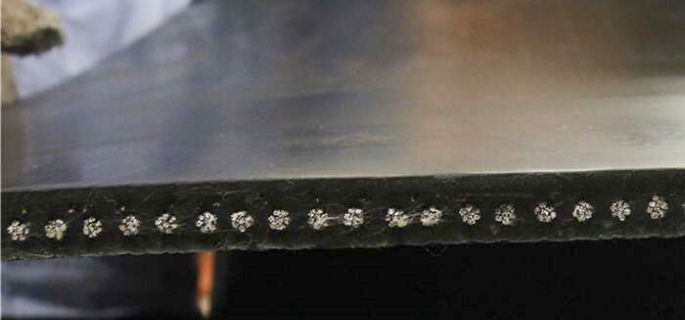
How to Choose The Right Steel Cord Conveyor Belt P

Steel Cord Conveyor Belt Selection for Long-Distance and High-Tension Lines

Buyer brief. This article is written for mine project engineers who need a product guide for buyers who need steel cord strength instead of standard fabric belt construction. It focuses on real conveyor belt products, site conditions, and purchasing checks that affect performance after the roll reaches the plant.

Gram Conveyor’s product range gives mine project engineers practical choices instead of a single generic belt. The main pages to compare for this order are Steel Cord Conveyor Belt, Mining Conveyor Belt, Conveyor Belt, rubber conveyor belt. The right product depends on the carried material, conveyor length, loading point, pulley size, belt speed, temperature, and how quickly the plant needs a replacement roll available.

For long-distance conveying, high-tension routes, mines, ports, and overland systems, the buyer should start from the product family and then narrow the order into a real specification. Rubber cover protects the belt from abrasion, heat, fire risk, moisture, and impact. EP and NN fabric carcasses help control strength, flexibility, and elongation. Steel cord construction is considered when long centers or high tension make fabric belt unsuitable. A short site note and one product page link can prevent a wrong quotation. This is why the same keyword can describe several different belts once the site conditions are known.

steel cord conveyor belt product options for mine project engineers

Steel Cord Conveyor Belt

Use this product family when the specification points toward the main duty described in the buying file for long-distance conveying, high-tension routes, mines, ports, and overland systems.

View Steel Cord Conveyor Belt

Mining Conveyor Belt

Use this product family when the specification points toward a related belt construction or cover requirement for long-distance conveying, high-tension routes, mines, ports, and overland systems.

View Product Range

Conveyor Belt

Use this product family when the specification points toward a stronger, lighter, or more specialized alternative for long-distance conveying, high-tension routes, mines, ports, and overland systems.

View Product Range

rubber conveyor belt

Use this product family when the specification points toward a comparison option before final approval for long-distance conveying, high-tension routes, mines, ports, and overland systems.

View Product Range

Product option Where it helps What to check before buying
Steel Cord Conveyor Belt Useful when the buyer needs a proven starting point and wants fewer specification surprises. Confirm width, length, cover grade, top and bottom cover, and roll marking.
Mining Conveyor Belt Often lowers risk by matching cover rubber or carcass construction to the actual material. Check pulley diameter, splice method, loading impact, and operating temperature.
Conveyor Belt Can reduce replacement problems when tension, impact, or service temperature are reviewed early. Review tensile rating, elongation, edge condition, and expected service life.
rubber conveyor belt Helps dealers and project buyers compare stock, lead time, and inspection requirements. Ask for packing photos, roll labels, and inspection records before shipment.
Heavy Duty Conveyor Belt Adds a specialist option when the standard belt family is not enough for the duty. Compare the product page with the actual conveyor duty before approving price.

A useful steel cord conveyor belt article should help a buyer choose a belt that can actually run on the conveyor. The first decision is not only price or availability. It is whether the product family, cover rubber, carcass, width, roll length, and packing match the line. Gram Conveyor supports buyers who need practical belt options for industrial replacement, project supply, dealer stock, and export orders.

steel cord conveyor belt specifications buyers should confirm

A useful specification starts with the belt width, required roll length, ply count or tensile rating, top cover, bottom cover, edge type, and intended splice method. Model references such as ST steel cord, ST630, ST1000, ST1600 help the buyer describe carcass strength and duty level in a way the factory can produce. If the old belt has a label, send a photo. If the label is missing, measure the width and total thickness, record the material handled, and note the conveyor center distance.

Cover grade is where many buying mistakes begin. Abrasion-resistant rubber is common for stone, aggregate, clinker, and recycling. Heat-resistant grades are used when material temperature can damage ordinary rubber. Fire-resistant grades matter for coal and some mining lines. A fabric belt, rubber belt, steel cord belt, or special-purpose belt can all be correct, but only when the cover and carcass match the duty.

steel cord conveyor belt model and construction notes

Model names and belt families should be used to clarify the construction, not to decorate the order. ST steel cord, ST630, ST1000, ST1600 are useful references because they point to carcass strength, elongation, and duty level. The buyer should still confirm belt width, cover thickness, pulley diameter, and splice plan so the product can be produced and installed without guesswork.

where this steel cord conveyor belt approach fits best

This topic fits long center-distance conveyors where low elongation and high tensile strength are more important than first cost. In a real plant, the choice is rarely made by keyword alone. A buyer needs to know whether the belt runs under a chute, carries sharp lumps, works outdoors, moves hot material, or sits as a spare roll in a warehouse. Those details decide whether a standard rubber belt is enough, an EP or NN fabric belt is more practical, or a steel cord or mining belt should be reviewed.

It is also important to know when not to use the simplest option. steel cord belts need careful splice planning, pulley review, cord inspection, and packing protection before shipment. A slightly higher product cost can still be the economical choice when it prevents belt tearing, repeated splicing, urgent freight, or production downtime.

A practical replacement example is a plant that needs one belt urgently but also wants to avoid the same stoppage next season. The buyer can order the immediate roll and, at the same time, confirm whether the next spare should be the same construction or a better-matched rubber, fabric, or steel cord belt. That small review often saves more than negotiating a small discount on the wrong product.

steel cord conveyor belt product options for industrial buyers
steel cord conveyor belt selection should begin with belt construction, cover grade, and real conveyor duty.

when this steel cord conveyor belt choice is right

It is the right choice when the belt family, cover grade, and carcass construction match the conveyor instead of just matching a catalog name. Buyers can keep cost under control by choosing standard widths, combining repeat sizes, and avoiding unnecessary special covers. They should not remove the features that protect uptime: the right cover, enough carcass strength, proper roll length, and packing that survives transport.

when buyers should choose a different belt

A different product is safer when the conveyor has high impact, high temperature, underground fire-risk duty, long-distance tension, or a steep incline profile. In those cases, the order may need mining belt, heavy-duty rubber belt, steel cord belt, heat-resistant belt, fire-resistant belt, chevron belt, pipe belt, or sidewall construction. The product page should be used as a technical starting point before the buyer approves the quote.

steel cord conveyor belt quality checks, packing, and supply planning

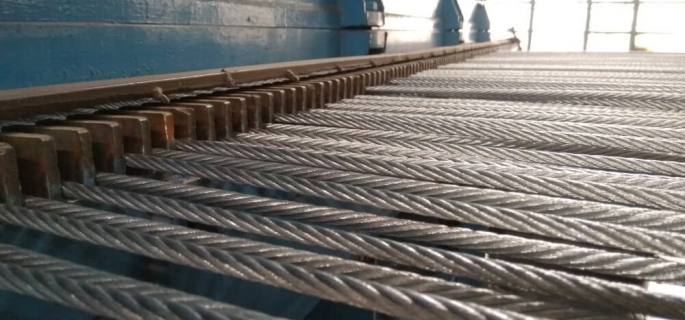
Quality control should be visible before the belt leaves the factory. Buyers can ask for photos of the belt surface, edge, roll label, packing, and measurement points. The inspection record should confirm belt width, roll length, total thickness, top cover, bottom cover, belt type, and order reference. For fabric belts, adhesion and ply condition matter. For steel cord belts, cord arrangement and rubber penetration deserve closer attention. For heat-resistant and fire-resistant grades, the compound choice should be clear in the order record.

Packing is part of the supply, especially for export, wholesale, and long-distance project orders. Heavy rolls need strong cores, waterproof wrapping, edge protection, readable marks, and safe loading instructions. Dealers should keep roll labels visible so the warehouse can separate EP belt, NN belt, rubber belt, steel cord belt, and special cover grades without opening every roll.

steel cord conveyor belt inspection and packing details
Inspection, clear labels, and protected packing help keep steel cord conveyor belt orders traceable.
Buyer checklist before approval:

  • Match the belt family to the application and carried material.
  • Confirm width, roll length, ply or tensile rating, top cover, bottom cover, and cover grade.
  • Check pulley diameter, transition distance, loading impact, temperature, and storage conditions.
  • Ask for label details, packing photos, and inspection photos before shipment.
  • Keep the selected product page, specification, and purchase record in the same file.

steel cord conveyor belt sourcing notes for the order file

A strong order file should connect the product page, the conveyor duty, and the commercial details in one place. For example, Steel Cord Conveyor Belt may be the main reference, but the buyer should still record whether the belt is replacing an existing roll, stocking a dealer warehouse, or supporting a new conveyor project. The same product family can require different cover thickness, roll length, packing, and inspection records depending on that purpose.

When several departments are involved, the file should be easy for everyone to read. The engineering team needs belt construction and pulley fit. The purchasing team needs price basis, lead time, and packing method. The warehouse needs roll marks, width, length, and storage instructions. The maintenance team needs splice allowance, spare roll planning, and installation timing. Keeping those details together makes the order more useful than a simple quote request.

For repeat orders, keep the last accepted specification and update only the details that changed. If the material, conveyor length, chute loading, or operating temperature changed, ask Gram Conveyor to review the belt family again. If the duty is the same, standardizing the product range can reduce buying time and help the plant keep the right spare roll ready.

FAQ about steel cord conveyor belt buying

Which product page should a buyer review first? Start with Steel Cord Conveyor Belt because it is the closest product family for this topic. Then compare Mining Conveyor Belt if the application needs a different carcass, cover compound, or duty level.

What information helps Gram Conveyor recommend the right belt? Share belt width, roll length, material type, loading height, lump size, temperature, belt speed, pulley diameter, and whether the belt will be stocked as a spare or installed immediately.

What specifications affect price and service life most? Width, length, ply count, tensile rating, cover thickness, compound grade, edge type, packing method, and inspection scope usually have the biggest impact.

How should rolls be checked after delivery? Check the label, packing condition, edge damage, surface marks, measured width, roll length, and document consistency before moving the belt into storage or installation.

product navigation for this belt order

Use Steel Cord Conveyor Belt as the first product reference for the buying file. Compare it with Mining Conveyor Belt when the duty needs a different cover grade, carcass, or operating range. If the application is still unclear, review Conveyor Belt so the final order starts from a published product page rather than a loose description.

View Steel Cord Conveyor Belt

View Product Range

The best purchase is the belt that fits the conveyor and arrives with the details needed for installation. For mine project engineers, that means choosing the product family first, checking the specification against the real material, and keeping the inspection and packing requirements visible before production starts. That approach makes a conveyor belt order easier to compare, easier to receive, and easier to trust when the next shutdown window arrives. It also gives the team a cleaner reference for the next repeat order and future maintenance planning.
A rubber conveyor belt is a type of industrial conveyor belt

Industrial Conveyor Belt Options for Heavy Material Movement and Plant Uptime

Buyer brief. This article is written for site reliability engineers who need a practical guide for plants choosing belts around uptime, load, abrasion, and replacement planning. It focuses on real conveyor belt products, site conditions, and purchasing checks that affect performance after the roll reaches the plant.

A useful industrial conveyor belt article should help a buyer choose a belt that can actually run on the conveyor. The first decision is not only price or availability. It is whether the product family, cover rubber, carcass, width, roll length, and packing match the line. Gram Conveyor supports buyers who need practical belt options for industrial replacement, project supply, dealer stock, and export orders.

industrial conveyor belt product options for industrial buyers
industrial conveyor belt selection should begin with belt construction, cover grade, and real conveyor duty.

Gram Conveyor’s product range gives site reliability engineers practical choices instead of a single generic belt. The main pages to compare for this order are Conveyor Belt, rubber conveyor belt, Heavy Duty Conveyor Belt, Steel Cord Conveyor Belt. The right product depends on the carried material, conveyor length, loading point, pulley size, belt speed, temperature, and how quickly the plant needs a replacement roll available.

For heavy material movement, impact loading, quarry plants, recycling, and industrial transfer lines, the buyer should start from the product family and then narrow the order into a real specification. Rubber cover protects the belt from abrasion, heat, fire risk, moisture, and impact. EP and NN fabric carcasses help control strength, flexibility, and elongation. Steel cord construction is considered when long centers or high tension make fabric belt unsuitable. A short site note and one product page link can prevent a wrong quotation. This is why the same keyword can describe several different belts once the site conditions are known.

industrial conveyor belt product options for site reliability engineers

Conveyor Belt

Use this product family when the specification points toward the main duty described in the buying file for heavy material movement, impact loading, quarry plants, recycling, and industrial transfer lines.

View Conveyor Belt

rubber conveyor belt

Use this product family when the specification points toward a related belt construction or cover requirement for heavy material movement, impact loading, quarry plants, recycling, and industrial transfer lines.

View Product Range

Heavy Duty Conveyor Belt

Use this product family when the specification points toward a stronger, lighter, or more specialized alternative for heavy material movement, impact loading, quarry plants, recycling, and industrial transfer lines.

View Product Range

Steel Cord Conveyor Belt

Use this product family when the specification points toward a comparison option before final approval for heavy material movement, impact loading, quarry plants, recycling, and industrial transfer lines.

View Product Range

industrial conveyor belt specifications buyers should confirm

A useful specification starts with the belt width, required roll length, ply count or tensile rating, top cover, bottom cover, edge type, and intended splice method. Model references such as EP800/4, NN100, ST steel cord, HR rubber belt help the buyer describe carcass strength and duty level in a way the factory can produce. If the old belt has a label, send a photo. If the label is missing, measure the width and total thickness, record the material handled, and note the conveyor center distance.

Cover grade is where many buying mistakes begin. Abrasion-resistant rubber is common for stone, aggregate, clinker, and recycling. Heat-resistant grades are used when material temperature can damage ordinary rubber. Fire-resistant grades matter for coal and some mining lines. A fabric belt, rubber belt, steel cord belt, or special-purpose belt can all be correct, but only when the cover and carcass match the duty.

Product option Where it helps What to check before buying
Conveyor Belt Useful when the buyer needs a proven starting point and wants fewer specification surprises. Confirm width, length, cover grade, top and bottom cover, and roll marking.
rubber conveyor belt Often lowers risk by matching cover rubber or carcass construction to the actual material. Check pulley diameter, splice method, loading impact, and operating temperature.
Heavy Duty Conveyor Belt Can reduce replacement problems when tension, impact, or service temperature are reviewed early. Review tensile rating, elongation, edge condition, and expected service life.
Steel Cord Conveyor Belt Helps dealers and project buyers compare stock, lead time, and inspection requirements. Ask for packing photos, roll labels, and inspection records before shipment.
Fabric Conveyor Belt Adds a specialist option when the standard belt family is not enough for the duty. Compare the product page with the actual conveyor duty before approving price.

where this industrial conveyor belt approach fits best

This topic fits industrial sites where the belt is part of production reliability and cannot be selected only by price. In a real plant, the choice is rarely made by keyword alone. A buyer needs to know whether the belt runs under a chute, carries sharp lumps, works outdoors, moves hot material, or sits as a spare roll in a warehouse. Those details decide whether a standard rubber belt is enough, an EP or NN fabric belt is more practical, or a steel cord or mining belt should be reviewed.

It is also important to know when not to use the simplest option. light-duty belts are not suitable when impact, temperature, belt tension, or sharp material can damage the cover and carcass. A slightly higher product cost can still be the economical choice when it prevents belt tearing, repeated splicing, urgent freight, or production downtime.

A practical replacement example is a plant that needs one belt urgently but also wants to avoid the same stoppage next season. The buyer can order the immediate roll and, at the same time, confirm whether the next spare should be the same construction or a better-matched rubber, fabric, or steel cord belt. That small review often saves more than negotiating a small discount on the wrong product.

when this industrial conveyor belt choice is right

It is the right choice when the belt family, cover grade, and carcass construction match the conveyor instead of just matching a catalog name. Buyers can keep cost under control by choosing standard widths, combining repeat sizes, and avoiding unnecessary special covers. They should not remove the features that protect uptime: the right cover, enough carcass strength, proper roll length, and packing that survives transport.

when buyers should choose a different belt

A different product is safer when the conveyor has high impact, high temperature, underground fire-risk duty, long-distance tension, or a steep incline profile. In those cases, the order may need mining belt, heavy-duty rubber belt, steel cord belt, heat-resistant belt, fire-resistant belt, chevron belt, pipe belt, or sidewall construction. The product page should be used as a technical starting point before the buyer approves the quote.

industrial conveyor belt model and construction notes

Model names and belt families should be used to clarify the construction, not to decorate the order. EP800/4, NN100, ST steel cord, HR rubber belt are useful references because they point to carcass strength, elongation, and duty level. The buyer should still confirm belt width, cover thickness, pulley diameter, and splice plan so the product can be produced and installed without guesswork.

industrial conveyor belt inspection and packing details
Inspection, clear labels, and protected packing help keep industrial conveyor belt orders traceable.

industrial conveyor belt quality checks, packing, and supply planning

Quality control should be visible before the belt leaves the factory. Buyers can ask for photos of the belt surface, edge, roll label, packing, and measurement points. The inspection record should confirm belt width, roll length, total thickness, top cover, bottom cover, belt type, and order reference. For fabric belts, adhesion and ply condition matter. For steel cord belts, cord arrangement and rubber penetration deserve closer attention. For heat-resistant and fire-resistant grades, the compound choice should be clear in the order record.

Packing is part of the supply, especially for export, wholesale, and long-distance project orders. Heavy rolls need strong cores, waterproof wrapping, edge protection, readable marks, and safe loading instructions. Dealers should keep roll labels visible so the warehouse can separate EP belt, NN belt, rubber belt, steel cord belt, and special cover grades without opening every roll.

Buyer checklist before approval:

  • Match the belt family to the application and carried material.
  • Confirm width, roll length, ply or tensile rating, top cover, bottom cover, and cover grade.
  • Check pulley diameter, transition distance, loading impact, temperature, and storage conditions.
  • Ask for label details, packing photos, and inspection photos before shipment.
  • Keep the selected product page, specification, and purchase record in the same file.

industrial conveyor belt sourcing notes for the order file

A strong order file should connect the product page, the conveyor duty, and the commercial details in one place. For example, Conveyor Belt may be the main reference, but the buyer should still record whether the belt is replacing an existing roll, stocking a dealer warehouse, or supporting a new conveyor project. The same product family can require different cover thickness, roll length, packing, and inspection records depending on that purpose.

When several departments are involved, the file should be easy for everyone to read. The engineering team needs belt construction and pulley fit. The purchasing team needs price basis, lead time, and packing method. The warehouse needs roll marks, width, length, and storage instructions. The maintenance team needs splice allowance, spare roll planning, and installation timing. Keeping those details together makes the order more useful than a simple quote request.

For repeat orders, keep the last accepted specification and update only the details that changed. If the material, conveyor length, chute loading, or operating temperature changed, ask Gram Conveyor to review the belt family again. If the duty is the same, standardizing the product range can reduce buying time and help the plant keep the right spare roll ready.

FAQ about industrial conveyor belt buying

Which product page should a buyer review first? Start with Conveyor Belt because it is the closest product family for this topic. Then compare rubber conveyor belt if the application needs a different carcass, cover compound, or duty level.

What information helps Gram Conveyor recommend the right belt? Share belt width, roll length, material type, loading height, lump size, temperature, belt speed, pulley diameter, and whether the belt will be stocked as a spare or installed immediately.

What specifications affect price and service life most? Width, length, ply count, tensile rating, cover thickness, compound grade, edge type, packing method, and inspection scope usually have the biggest impact.

How should rolls be checked after delivery? Check the label, packing condition, edge damage, surface marks, measured width, roll length, and document consistency before moving the belt into storage or installation.

product navigation for this belt order

Use Conveyor Belt as the first product reference for the buying file. Compare it with rubber conveyor belt when the duty needs a different cover grade, carcass, or operating range. If the application is still unclear, review Conveyor Belt so the final order starts from a published product page rather than a loose description.

View Conveyor Belt

View Product Range

The best purchase is the belt that fits the conveyor and arrives with the details needed for installation. For site reliability engineers, that means choosing the product family first, checking the specification against the real material, and keeping the inspection and packing requirements visible before production starts. That approach makes a conveyor belt order easier to compare, easier to receive, and easier to trust when the next shutdown window arrives. It also gives the team a cleaner reference for the next repeat order and future maintenance planning.
Steel Cord Rubber Conveyor Belt Price Factors

Conveyor Belt Price Factors That Matter Before You Place an Order

Buyer brief. This article is written for cost estimators who need a cost guide explaining why the same belt width can have different prices when construction, cover, and duty change. It focuses on real conveyor belt products, site conditions, and purchasing checks that affect performance after the roll reaches the plant.

Gram Conveyor’s product range gives cost estimators practical choices instead of a single generic belt. The main pages to compare for this order are Conveyor Belt, rubber conveyor belt, Fabric Conveyor Belt, EP rubber belt. The right product depends on the carried material, conveyor length, loading point, pulley size, belt speed, temperature, and how quickly the plant needs a replacement roll available.

For price comparison for replacement belts, project belts, and repeat maintenance orders, the buyer should start from the product family and then narrow the order into a real specification. Rubber cover protects the belt from abrasion, heat, fire risk, moisture, and impact. EP and NN fabric carcasses help control strength, flexibility, and elongation. Steel cord construction is considered when long centers or high tension make fabric belt unsuitable. A short site note and one product page link can prevent a wrong quotation. This is why the same keyword can describe several different belts once the site conditions are known.

A useful conveyor belt price article should help a buyer choose a belt that can actually run on the conveyor. The first decision is not only price or availability. It is whether the product family, cover rubber, carcass, width, roll length, and packing match the line. Gram Conveyor supports buyers who need practical belt options for industrial replacement, project supply, dealer stock, and export orders.

conveyor belt price product options for cost estimators

Product option Where it helps What to check before buying
Conveyor Belt Useful when the buyer needs a proven starting point and wants fewer specification surprises. Confirm width, length, cover grade, top and bottom cover, and roll marking.
rubber conveyor belt Often lowers risk by matching cover rubber or carcass construction to the actual material. Check pulley diameter, splice method, loading impact, and operating temperature.
Fabric Conveyor Belt Can reduce replacement problems when tension, impact, or service temperature are reviewed early. Review tensile rating, elongation, edge condition, and expected service life.
EP rubber belt Helps dealers and project buyers compare stock, lead time, and inspection requirements. Ask for packing photos, roll labels, and inspection records before shipment.
NN rubber belt Adds a specialist option when the standard belt family is not enough for the duty. Compare the product page with the actual conveyor duty before approving price.

Conveyor Belt

Use this product family when the specification points toward the main duty described in the buying file for price comparison for replacement belts, project belts, and repeat maintenance orders.

View Conveyor Belt

rubber conveyor belt

Use this product family when the specification points toward a related belt construction or cover requirement for price comparison for replacement belts, project belts, and repeat maintenance orders.

View Product Range

Fabric Conveyor Belt

Use this product family when the specification points toward a stronger, lighter, or more specialized alternative for price comparison for replacement belts, project belts, and repeat maintenance orders.

View Product Range

EP rubber belt

Use this product family when the specification points toward a comparison option before final approval for price comparison for replacement belts, project belts, and repeat maintenance orders.

View Product Range

conveyor belt price specifications buyers should confirm

A useful specification starts with the belt width, required roll length, ply count or tensile rating, top cover, bottom cover, edge type, and intended splice method. Model references such as EP400/3, EP800/4, NN100, ST steel cord help the buyer describe carcass strength and duty level in a way the factory can produce. If the old belt has a label, send a photo. If the label is missing, measure the width and total thickness, record the material handled, and note the conveyor center distance.

Cover grade is where many buying mistakes begin. Abrasion-resistant rubber is common for stone, aggregate, clinker, and recycling. Heat-resistant grades are used when material temperature can damage ordinary rubber. Fire-resistant grades matter for coal and some mining lines. A fabric belt, rubber belt, steel cord belt, or special-purpose belt can all be correct, but only when the cover and carcass match the duty.

conveyor belt price product options for industrial buyers
conveyor belt price selection should begin with belt construction, cover grade, and real conveyor duty.

where this conveyor belt price approach fits best

This topic fits buyers who need to compare offers without ignoring service life, cover compound, or downtime risk. In a real plant, the choice is rarely made by keyword alone. A buyer needs to know whether the belt runs under a chute, carries sharp lumps, works outdoors, moves hot material, or sits as a spare roll in a warehouse. Those details decide whether a standard rubber belt is enough, an EP or NN fabric belt is more practical, or a steel cord or mining belt should be reviewed.

It is also important to know when not to use the simplest option. a low price can be misleading if it excludes correct cover grade, splice allowance, roll marking, inspection photos, or export packing. A slightly higher product cost can still be the economical choice when it prevents belt tearing, repeated splicing, urgent freight, or production downtime.

A practical replacement example is a plant that needs one belt urgently but also wants to avoid the same stoppage next season. The buyer can order the immediate roll and, at the same time, confirm whether the next spare should be the same construction or a better-matched rubber, fabric, or steel cord belt. That small review often saves more than negotiating a small discount on the wrong product.

conveyor belt price model and construction notes

Model names and belt families should be used to clarify the construction, not to decorate the order. EP400/3, EP800/4, NN100, ST steel cord are useful references because they point to carcass strength, elongation, and duty level. The buyer should still confirm belt width, cover thickness, pulley diameter, and splice plan so the product can be produced and installed without guesswork.

conveyor belt price quality checks, packing, and supply planning

Quality control should be visible before the belt leaves the factory. Buyers can ask for photos of the belt surface, edge, roll label, packing, and measurement points. The inspection record should confirm belt width, roll length, total thickness, top cover, bottom cover, belt type, and order reference. For fabric belts, adhesion and ply condition matter. For steel cord belts, cord arrangement and rubber penetration deserve closer attention. For heat-resistant and fire-resistant grades, the compound choice should be clear in the order record.

Packing is part of the supply, especially for export, wholesale, and long-distance project orders. Heavy rolls need strong cores, waterproof wrapping, edge protection, readable marks, and safe loading instructions. Dealers should keep roll labels visible so the warehouse can separate EP belt, NN belt, rubber belt, steel cord belt, and special cover grades without opening every roll.

when this conveyor belt price choice is right

It is the right choice when the belt family, cover grade, and carcass construction match the conveyor instead of just matching a catalog name. Buyers can keep cost under control by choosing standard widths, combining repeat sizes, and avoiding unnecessary special covers. They should not remove the features that protect uptime: the right cover, enough carcass strength, proper roll length, and packing that survives transport.

when buyers should choose a different belt

A different product is safer when the conveyor has high impact, high temperature, underground fire-risk duty, long-distance tension, or a steep incline profile. In those cases, the order may need mining belt, heavy-duty rubber belt, steel cord belt, heat-resistant belt, fire-resistant belt, chevron belt, pipe belt, or sidewall construction. The product page should be used as a technical starting point before the buyer approves the quote.

conveyor belt price inspection and packing details
Inspection, clear labels, and protected packing help keep conveyor belt price orders traceable.
Buyer checklist before approval:

  • Match the belt family to the application and carried material.
  • Confirm width, roll length, ply or tensile rating, top cover, bottom cover, and cover grade.
  • Check pulley diameter, transition distance, loading impact, temperature, and storage conditions.
  • Ask for label details, packing photos, and inspection photos before shipment.
  • Keep the selected product page, specification, and purchase record in the same file.

conveyor belt price sourcing notes for the order file

A strong order file should connect the product page, the conveyor duty, and the commercial details in one place. For example, Conveyor Belt may be the main reference, but the buyer should still record whether the belt is replacing an existing roll, stocking a dealer warehouse, or supporting a new conveyor project. The same product family can require different cover thickness, roll length, packing, and inspection records depending on that purpose.

When several departments are involved, the file should be easy for everyone to read. The engineering team needs belt construction and pulley fit. The purchasing team needs price basis, lead time, and packing method. The warehouse needs roll marks, width, length, and storage instructions. The maintenance team needs splice allowance, spare roll planning, and installation timing. Keeping those details together makes the order more useful than a simple quote request.

For repeat orders, keep the last accepted specification and update only the details that changed. If the material, conveyor length, chute loading, or operating temperature changed, ask Gram Conveyor to review the belt family again. If the duty is the same, standardizing the product range can reduce buying time and help the plant keep the right spare roll ready.

FAQ about conveyor belt price buying

Which product page should a buyer review first? Start with Conveyor Belt because it is the closest product family for this topic. Then compare rubber conveyor belt if the application needs a different carcass, cover compound, or duty level.

What information helps Gram Conveyor recommend the right belt? Share belt width, roll length, material type, loading height, lump size, temperature, belt speed, pulley diameter, and whether the belt will be stocked as a spare or installed immediately.

What specifications affect price and service life most? Width, length, ply count, tensile rating, cover thickness, compound grade, edge type, packing method, and inspection scope usually have the biggest impact.

How should rolls be checked after delivery? Check the label, packing condition, edge damage, surface marks, measured width, roll length, and document consistency before moving the belt into storage or installation.

product navigation for this belt order

Use Conveyor Belt as the first product reference for the buying file. Compare it with rubber conveyor belt when the duty needs a different cover grade, carcass, or operating range. If the application is still unclear, review Conveyor Belt so the final order starts from a published product page rather than a loose description.

View Conveyor Belt

View Product Range

The best purchase is the belt that fits the conveyor and arrives with the details needed for installation. For cost estimators, that means choosing the product family first, checking the specification against the real material, and keeping the inspection and packing requirements visible before production starts. That approach makes a conveyor belt order easier to compare, easier to receive, and easier to trust when the next shutdown window arrives. It also gives the team a cleaner reference for the next repeat order and future maintenance planning.

Rubber Conveyor Belt HS Code

Conveyor Belt Suppliers for Real Plant Conditions, Not Just Catalog Sizes

Buyer brief. This article is written for regional distributors who need a supplier selection guide for buyers who need belts that fit actual conveyor conditions. It focuses on real conveyor belt products, site conditions, and purchasing checks that affect performance after the roll reaches the plant.

A useful conveyor belt suppliers article should help a buyer choose a belt that can actually run on the conveyor. The first decision is not only price or availability. It is whether the product family, cover rubber, carcass, width, roll length, and packing match the line. Gram Conveyor supports buyers who need practical belt options for industrial replacement, project supply, dealer stock, and export orders.

Gram Conveyor’s product range gives regional distributors practical choices instead of a single generic belt. The main pages to compare for this order are Conveyor Belt, rubber conveyor belt, Mining Conveyor Belt, Fabric Conveyor Belt. The right product depends on the carried material, conveyor length, loading point, pulley size, belt speed, temperature, and how quickly the plant needs a replacement roll available.

For regional resale, maintenance replacement, quarry transfer, and bulk handling service, the buyer should start from the product family and then narrow the order into a real specification. Rubber cover protects the belt from abrasion, heat, fire risk, moisture, and impact. EP and NN fabric carcasses help control strength, flexibility, and elongation. Steel cord construction is considered when long centers or high tension make fabric belt unsuitable. A short site note and one product page link can prevent a wrong quotation. This is why the same keyword can describe several different belts once the site conditions are known.

conveyor belt suppliers product options for industrial buyers
conveyor belt suppliers selection should begin with belt construction, cover grade, and real conveyor duty.

conveyor belt suppliers product options for regional distributors

Conveyor Belt

Use this product family when the specification points toward the main duty described in the buying file for regional resale, maintenance replacement, quarry transfer, and bulk handling service.

View Conveyor Belt

rubber conveyor belt

Use this product family when the specification points toward a related belt construction or cover requirement for regional resale, maintenance replacement, quarry transfer, and bulk handling service.

View Product Range

Mining Conveyor Belt

Use this product family when the specification points toward a stronger, lighter, or more specialized alternative for regional resale, maintenance replacement, quarry transfer, and bulk handling service.

View Product Range

Fabric Conveyor Belt

Use this product family when the specification points toward a comparison option before final approval for regional resale, maintenance replacement, quarry transfer, and bulk handling service.

View Product Range

Product option Where it helps What to check before buying
Conveyor Belt Useful when the buyer needs a proven starting point and wants fewer specification surprises. Confirm width, length, cover grade, top and bottom cover, and roll marking.
rubber conveyor belt Often lowers risk by matching cover rubber or carcass construction to the actual material. Check pulley diameter, splice method, loading impact, and operating temperature.
Mining Conveyor Belt Can reduce replacement problems when tension, impact, or service temperature are reviewed early. Review tensile rating, elongation, edge condition, and expected service life.
Fabric Conveyor Belt Helps dealers and project buyers compare stock, lead time, and inspection requirements. Ask for packing photos, roll labels, and inspection records before shipment.
Steel Cord Conveyor Belt Adds a specialist option when the standard belt family is not enough for the duty. Compare the product page with the actual conveyor duty before approving price.

conveyor belt suppliers specifications buyers should confirm

A useful specification starts with the belt width, required roll length, ply count or tensile rating, top cover, bottom cover, edge type, and intended splice method. Model references such as EP rubber belt, NN rubber belt, ST steel cord, FR rubber belt help the buyer describe carcass strength and duty level in a way the factory can produce. If the old belt has a label, send a photo. If the label is missing, measure the width and total thickness, record the material handled, and note the conveyor center distance.

Cover grade is where many buying mistakes begin. Abrasion-resistant rubber is common for stone, aggregate, clinker, and recycling. Heat-resistant grades are used when material temperature can damage ordinary rubber. Fire-resistant grades matter for coal and some mining lines. A fabric belt, rubber belt, steel cord belt, or special-purpose belt can all be correct, but only when the cover and carcass match the duty.

conveyor belt suppliers model and construction notes

Model names and belt families should be used to clarify the construction, not to decorate the order. EP rubber belt, NN rubber belt, ST steel cord, FR rubber belt are useful references because they point to carcass strength, elongation, and duty level. The buyer should still confirm belt width, cover thickness, pulley diameter, and splice plan so the product can be produced and installed without guesswork.

where this conveyor belt suppliers approach fits best

This topic fits buyers comparing suppliers for repeat orders, distributor stock, and project replacements. In a real plant, the choice is rarely made by keyword alone. A buyer needs to know whether the belt runs under a chute, carries sharp lumps, works outdoors, moves hot material, or sits as a spare roll in a warehouse. Those details decide whether a standard rubber belt is enough, an EP or NN fabric belt is more practical, or a steel cord or mining belt should be reviewed.

It is also important to know when not to use the simplest option. supplier choice becomes risky when the offer does not state belt type, cover grade, roll length, inspection method, or packing details. A slightly higher product cost can still be the economical choice when it prevents belt tearing, repeated splicing, urgent freight, or production downtime.

A practical replacement example is a plant that needs one belt urgently but also wants to avoid the same stoppage next season. The buyer can order the immediate roll and, at the same time, confirm whether the next spare should be the same construction or a better-matched rubber, fabric, or steel cord belt. That small review often saves more than negotiating a small discount on the wrong product.

when this conveyor belt suppliers choice is right

It is the right choice when the belt family, cover grade, and carcass construction match the conveyor instead of just matching a catalog name. Buyers can keep cost under control by choosing standard widths, combining repeat sizes, and avoiding unnecessary special covers. They should not remove the features that protect uptime: the right cover, enough carcass strength, proper roll length, and packing that survives transport.

when buyers should choose a different belt

A different product is safer when the conveyor has high impact, high temperature, underground fire-risk duty, long-distance tension, or a steep incline profile. In those cases, the order may need mining belt, heavy-duty rubber belt, steel cord belt, heat-resistant belt, fire-resistant belt, chevron belt, pipe belt, or sidewall construction. The product page should be used as a technical starting point before the buyer approves the quote.

conveyor belt suppliers inspection and packing details
Inspection, clear labels, and protected packing help keep conveyor belt suppliers orders traceable.

conveyor belt suppliers quality checks, packing, and supply planning

Quality control should be visible before the belt leaves the factory. Buyers can ask for photos of the belt surface, edge, roll label, packing, and measurement points. The inspection record should confirm belt width, roll length, total thickness, top cover, bottom cover, belt type, and order reference. For fabric belts, adhesion and ply condition matter. For steel cord belts, cord arrangement and rubber penetration deserve closer attention. For heat-resistant and fire-resistant grades, the compound choice should be clear in the order record.

Packing is part of the supply, especially for export, wholesale, and long-distance project orders. Heavy rolls need strong cores, waterproof wrapping, edge protection, readable marks, and safe loading instructions. Dealers should keep roll labels visible so the warehouse can separate EP belt, NN belt, rubber belt, steel cord belt, and special cover grades without opening every roll.

Buyer checklist before approval:

  • Match the belt family to the application and carried material.
  • Confirm width, roll length, ply or tensile rating, top cover, bottom cover, and cover grade.
  • Check pulley diameter, transition distance, loading impact, temperature, and storage conditions.
  • Ask for label details, packing photos, and inspection photos before shipment.
  • Keep the selected product page, specification, and purchase record in the same file.

conveyor belt suppliers sourcing notes for the order file

A strong order file should connect the product page, the conveyor duty, and the commercial details in one place. For example, Conveyor Belt may be the main reference, but the buyer should still record whether the belt is replacing an existing roll, stocking a dealer warehouse, or supporting a new conveyor project. The same product family can require different cover thickness, roll length, packing, and inspection records depending on that purpose.

When several departments are involved, the file should be easy for everyone to read. The engineering team needs belt construction and pulley fit. The purchasing team needs price basis, lead time, and packing method. The warehouse needs roll marks, width, length, and storage instructions. The maintenance team needs splice allowance, spare roll planning, and installation timing. Keeping those details together makes the order more useful than a simple quote request.

For repeat orders, keep the last accepted specification and update only the details that changed. If the material, conveyor length, chute loading, or operating temperature changed, ask Gram Conveyor to review the belt family again. If the duty is the same, standardizing the product range can reduce buying time and help the plant keep the right spare roll ready.

FAQ about conveyor belt suppliers buying

Which product page should a buyer review first? Start with Conveyor Belt because it is the closest product family for this topic. Then compare rubber conveyor belt if the application needs a different carcass, cover compound, or duty level.

What information helps Gram Conveyor recommend the right belt? Share belt width, roll length, material type, loading height, lump size, temperature, belt speed, pulley diameter, and whether the belt will be stocked as a spare or installed immediately.

What specifications affect price and service life most? Width, length, ply count, tensile rating, cover thickness, compound grade, edge type, packing method, and inspection scope usually have the biggest impact.

How should rolls be checked after delivery? Check the label, packing condition, edge damage, surface marks, measured width, roll length, and document consistency before moving the belt into storage or installation.

product navigation for this belt order

Use Conveyor Belt as the first product reference for the buying file. Compare it with rubber conveyor belt when the duty needs a different cover grade, carcass, or operating range. If the application is still unclear, review Conveyor Belt so the final order starts from a published product page rather than a loose description.

View Conveyor Belt

View Product Range

The best purchase is the belt that fits the conveyor and arrives with the details needed for installation. For regional distributors, that means choosing the product family first, checking the specification against the real material, and keeping the inspection and packing requirements visible before production starts. That approach makes a conveyor belt order easier to compare, easier to receive, and easier to trust when the next shutdown window arrives. It also gives the team a cleaner reference for the next repeat order and future maintenance planning.
High Quality HR Rubber Belt for Heat Resistance

Conveyor Belt Manufacturer Capabilities Industrial Buyers Should Verify

Buyer brief. This article is written for purchasing managers who need a factory-capability guide for buyers evaluating whether a manufacturer can supply the right conveyor belt, not just quote a price. It focuses on real conveyor belt products, site conditions, and purchasing checks that affect performance after the roll reaches the plant.

Gram Conveyor’s product range gives purchasing managers practical choices instead of a single generic belt. The main pages to compare for this order are Conveyor Belt, rubber conveyor belt, Steel Cord Conveyor Belt, Fabric Conveyor Belt. The right product depends on the carried material, conveyor length, loading point, pulley size, belt speed, temperature, and how quickly the plant needs a replacement roll available.

For mine, quarry, cement, and industrial conveyor projects, the buyer should start from the product family and then narrow the order into a real specification. Rubber cover protects the belt from abrasion, heat, fire risk, moisture, and impact. EP and NN fabric carcasses help control strength, flexibility, and elongation. Steel cord construction is considered when long centers or high tension make fabric belt unsuitable. A short site note and one product page link can prevent a wrong quotation. This is why the same keyword can describe several different belts once the site conditions are known.

conveyor belt manufacturer product options for purchasing managers

Conveyor Belt

Use this product family when the specification points toward the main duty described in the buying file for mine, quarry, cement, and industrial conveyor projects.

View Conveyor Belt

rubber conveyor belt

Use this product family when the specification points toward a related belt construction or cover requirement for mine, quarry, cement, and industrial conveyor projects.

View Product Range

Steel Cord Conveyor Belt

Use this product family when the specification points toward a stronger, lighter, or more specialized alternative for mine, quarry, cement, and industrial conveyor projects.

View Product Range

Fabric Conveyor Belt

Use this product family when the specification points toward a comparison option before final approval for mine, quarry, cement, and industrial conveyor projects.

View Product Range

Product option Where it helps What to check before buying
Conveyor Belt Useful when the buyer needs a proven starting point and wants fewer specification surprises. Confirm width, length, cover grade, top and bottom cover, and roll marking.
rubber conveyor belt Often lowers risk by matching cover rubber or carcass construction to the actual material. Check pulley diameter, splice method, loading impact, and operating temperature.
Steel Cord Conveyor Belt Can reduce replacement problems when tension, impact, or service temperature are reviewed early. Review tensile rating, elongation, edge condition, and expected service life.
Fabric Conveyor Belt Helps dealers and project buyers compare stock, lead time, and inspection requirements. Ask for packing photos, roll labels, and inspection records before shipment.
EP rubber belt Adds a specialist option when the standard belt family is not enough for the duty. Compare the product page with the actual conveyor duty before approving price.

A useful conveyor belt manufacturer article should help a buyer choose a belt that can actually run on the conveyor. The first decision is not only price or availability. It is whether the product family, cover rubber, carcass, width, roll length, and packing match the line. Gram Conveyor supports buyers who need practical belt options for industrial replacement, project supply, dealer stock, and export orders.

conveyor belt manufacturer specifications buyers should confirm

A useful specification starts with the belt width, required roll length, ply count or tensile rating, top cover, bottom cover, edge type, and intended splice method. Model references such as EP400/3, EP800/4, NN100, ST steel cord help the buyer describe carcass strength and duty level in a way the factory can produce. If the old belt has a label, send a photo. If the label is missing, measure the width and total thickness, record the material handled, and note the conveyor center distance.

Cover grade is where many buying mistakes begin. Abrasion-resistant rubber is common for stone, aggregate, clinker, and recycling. Heat-resistant grades are used when material temperature can damage ordinary rubber. Fire-resistant grades matter for coal and some mining lines. A fabric belt, rubber belt, steel cord belt, or special-purpose belt can all be correct, but only when the cover and carcass match the duty.

conveyor belt manufacturer model and construction notes

Model names and belt families should be used to clarify the construction, not to decorate the order. EP400/3, EP800/4, NN100, ST steel cord are useful references because they point to carcass strength, elongation, and duty level. The buyer should still confirm belt width, cover thickness, pulley diameter, and splice plan so the product can be produced and installed without guesswork.

where this conveyor belt manufacturer approach fits best

This topic fits buyers who need a manufacturer that can match belt construction, cover compound, quality records, packing, and repeat supply. In a real plant, the choice is rarely made by keyword alone. A buyer needs to know whether the belt runs under a chute, carries sharp lumps, works outdoors, moves hot material, or sits as a spare roll in a warehouse. Those details decide whether a standard rubber belt is enough, an EP or NN fabric belt is more practical, or a steel cord or mining belt should be reviewed.

It is also important to know when not to use the simplest option. a manufacturer that cannot explain product family, cover grade, carcass choice, and inspection process is risky for demanding industrial orders. A slightly higher product cost can still be the economical choice when it prevents belt tearing, repeated splicing, urgent freight, or production downtime.

A practical replacement example is a plant that needs one belt urgently but also wants to avoid the same stoppage next season. The buyer can order the immediate roll and, at the same time, confirm whether the next spare should be the same construction or a better-matched rubber, fabric, or steel cord belt. That small review often saves more than negotiating a small discount on the wrong product.

conveyor belt manufacturer product options for industrial buyers
conveyor belt manufacturer selection should begin with belt construction, cover grade, and real conveyor duty.

when this conveyor belt manufacturer choice is right

It is the right choice when the belt family, cover grade, and carcass construction match the conveyor instead of just matching a catalog name. Buyers can keep cost under control by choosing standard widths, combining repeat sizes, and avoiding unnecessary special covers. They should not remove the features that protect uptime: the right cover, enough carcass strength, proper roll length, and packing that survives transport.

when buyers should choose a different belt

A different product is safer when the conveyor has high impact, high temperature, underground fire-risk duty, long-distance tension, or a steep incline profile. In those cases, the order may need mining belt, heavy-duty rubber belt, steel cord belt, heat-resistant belt, fire-resistant belt, chevron belt, pipe belt, or sidewall construction. The product page should be used as a technical starting point before the buyer approves the quote.

conveyor belt manufacturer quality checks, packing, and supply planning

Quality control should be visible before the belt leaves the factory. Buyers can ask for photos of the belt surface, edge, roll label, packing, and measurement points. The inspection record should confirm belt width, roll length, total thickness, top cover, bottom cover, belt type, and order reference. For fabric belts, adhesion and ply condition matter. For steel cord belts, cord arrangement and rubber penetration deserve closer attention. For heat-resistant and fire-resistant grades, the compound choice should be clear in the order record.

Packing is part of the supply, especially for export, wholesale, and long-distance project orders. Heavy rolls need strong cores, waterproof wrapping, edge protection, readable marks, and safe loading instructions. Dealers should keep roll labels visible so the warehouse can separate EP belt, NN belt, rubber belt, steel cord belt, and special cover grades without opening every roll.

conveyor belt manufacturer inspection and packing details
Inspection, clear labels, and protected packing help keep conveyor belt manufacturer orders traceable.
Buyer checklist before approval:

  • Match the belt family to the application and carried material.
  • Confirm width, roll length, ply or tensile rating, top cover, bottom cover, and cover grade.
  • Check pulley diameter, transition distance, loading impact, temperature, and storage conditions.
  • Ask for label details, packing photos, and inspection photos before shipment.
  • Keep the selected product page, specification, and purchase record in the same file.

conveyor belt manufacturer sourcing notes for the order file

A strong order file should connect the product page, the conveyor duty, and the commercial details in one place. For example, Conveyor Belt may be the main reference, but the buyer should still record whether the belt is replacing an existing roll, stocking a dealer warehouse, or supporting a new conveyor project. The same product family can require different cover thickness, roll length, packing, and inspection records depending on that purpose.

When several departments are involved, the file should be easy for everyone to read. The engineering team needs belt construction and pulley fit. The purchasing team needs price basis, lead time, and packing method. The warehouse needs roll marks, width, length, and storage instructions. The maintenance team needs splice allowance, spare roll planning, and installation timing. Keeping those details together makes the order more useful than a simple quote request.

For repeat orders, keep the last accepted specification and update only the details that changed. If the material, conveyor length, chute loading, or operating temperature changed, ask Gram Conveyor to review the belt family again. If the duty is the same, standardizing the product range can reduce buying time and help the plant keep the right spare roll ready.

FAQ about conveyor belt manufacturer buying

Which product page should a buyer review first? Start with Conveyor Belt because it is the closest product family for this topic. Then compare rubber conveyor belt if the application needs a different carcass, cover compound, or duty level.

What information helps Gram Conveyor recommend the right belt? Share belt width, roll length, material type, loading height, lump size, temperature, belt speed, pulley diameter, and whether the belt will be stocked as a spare or installed immediately.

What specifications affect price and service life most? Width, length, ply count, tensile rating, cover thickness, compound grade, edge type, packing method, and inspection scope usually have the biggest impact.

How should rolls be checked after delivery? Check the label, packing condition, edge damage, surface marks, measured width, roll length, and document consistency before moving the belt into storage or installation.

product navigation for this belt order

Use Conveyor Belt as the first product reference for the buying file. Compare it with rubber conveyor belt when the duty needs a different cover grade, carcass, or operating range. If the application is still unclear, review Conveyor Belt so the final order starts from a published product page rather than a loose description.

View Conveyor Belt

View Product Range

The best purchase is the belt that fits the conveyor and arrives with the details needed for installation. For purchasing managers, that means choosing the product family first, checking the specification against the real material, and keeping the inspection and packing requirements visible before production starts. That approach makes a conveyor belt order easier to compare, easier to receive, and easier to trust when the next shutdown window arrives. It also gives the team a cleaner reference for the next repeat order and future maintenance planning.
High Quality HR Rubber Belt for Heat Resistance

Rubber Conveyor Belt Choices for Abrasion, Heat, and Long Service Life

Buyer brief. This article is written for industrial buyers who need a product-focused guide to choosing rubber belts for abrasive, hot, outdoor, and general bulk material duties. It focuses on real conveyor belt products, site conditions, and purchasing checks that affect performance after the roll reaches the plant.

A useful rubber conveyor belt article should help a buyer choose a belt that can actually run on the conveyor. The first decision is not only price or availability. It is whether the product family, cover rubber, carcass, width, roll length, and packing match the line. Gram Conveyor supports buyers who need practical belt options for industrial replacement, project supply, dealer stock, and export orders.

rubber conveyor belt product options for industrial buyers
rubber conveyor belt selection should begin with belt construction, cover grade, and real conveyor duty.

Gram Conveyor’s product range gives industrial buyers practical choices instead of a single generic belt. The main pages to compare for this order are rubber conveyor belt, HR rubber belt, FR rubber belt, EP rubber belt. The right product depends on the carried material, conveyor length, loading point, pulley size, belt speed, temperature, and how quickly the plant needs a replacement roll available.

For aggregate, coal, cement, recycling, quarry, and general bulk handling, the buyer should start from the product family and then narrow the order into a real specification. Rubber cover protects the belt from abrasion, heat, fire risk, moisture, and impact. EP and NN fabric carcasses help control strength, flexibility, and elongation. Steel cord construction is considered when long centers or high tension make fabric belt unsuitable. A short site note and one product page link can prevent a wrong quotation. This is why the same keyword can describe several different belts once the site conditions are known.

rubber conveyor belt product options for industrial buyers

rubber conveyor belt

Use this product family when the specification points toward the main duty described in the buying file for aggregate, coal, cement, recycling, quarry, and general bulk handling.

View rubber conveyor belt

HR rubber belt

Use this product family when the specification points toward a related belt construction or cover requirement for aggregate, coal, cement, recycling, quarry, and general bulk handling.

View Product Range

FR rubber belt

Use this product family when the specification points toward a stronger, lighter, or more specialized alternative for aggregate, coal, cement, recycling, quarry, and general bulk handling.

View Product Range

EP rubber belt

Use this product family when the specification points toward a comparison option before final approval for aggregate, coal, cement, recycling, quarry, and general bulk handling.

View Product Range

rubber conveyor belt specifications buyers should confirm

A useful specification starts with the belt width, required roll length, ply count or tensile rating, top cover, bottom cover, edge type, and intended splice method. Model references such as EP400/3, EP800/4, NN100, HR rubber belt, FR rubber belt help the buyer describe carcass strength and duty level in a way the factory can produce. If the old belt has a label, send a photo. If the label is missing, measure the width and total thickness, record the material handled, and note the conveyor center distance.

Cover grade is where many buying mistakes begin. Abrasion-resistant rubber is common for stone, aggregate, clinker, and recycling. Heat-resistant grades are used when material temperature can damage ordinary rubber. Fire-resistant grades matter for coal and some mining lines. A fabric belt, rubber belt, steel cord belt, or special-purpose belt can all be correct, but only when the cover and carcass match the duty.

Product option Where it helps What to check before buying
rubber conveyor belt Useful when the buyer needs a proven starting point and wants fewer specification surprises. Confirm width, length, cover grade, top and bottom cover, and roll marking.
HR rubber belt Often lowers risk by matching cover rubber or carcass construction to the actual material. Check pulley diameter, splice method, loading impact, and operating temperature.
FR rubber belt Can reduce replacement problems when tension, impact, or service temperature are reviewed early. Review tensile rating, elongation, edge condition, and expected service life.
EP rubber belt Helps dealers and project buyers compare stock, lead time, and inspection requirements. Ask for packing photos, roll labels, and inspection records before shipment.
NN rubber belt Adds a specialist option when the standard belt family is not enough for the duty. Compare the product page with the actual conveyor duty before approving price.

where this rubber conveyor belt approach fits best

This topic fits bulk materials where rubber cover selection protects the fabric or steel carcass from abrasion, heat, moisture, and impact. In a real plant, the choice is rarely made by keyword alone. A buyer needs to know whether the belt runs under a chute, carries sharp lumps, works outdoors, moves hot material, or sits as a spare roll in a warehouse. Those details decide whether a standard rubber belt is enough, an EP or NN fabric belt is more practical, or a steel cord or mining belt should be reviewed.

It is also important to know when not to use the simplest option. light packaged goods, clean indoor processing, or very long high-tension routes may require PVC-style, fabric-specific, or steel cord selection instead. A slightly higher product cost can still be the economical choice when it prevents belt tearing, repeated splicing, urgent freight, or production downtime.

A practical replacement example is a plant that needs one belt urgently but also wants to avoid the same stoppage next season. The buyer can order the immediate roll and, at the same time, confirm whether the next spare should be the same construction or a better-matched rubber, fabric, or steel cord belt. That small review often saves more than negotiating a small discount on the wrong product.

when this rubber conveyor belt choice is right

It is the right choice when the belt family, cover grade, and carcass construction match the conveyor instead of just matching a catalog name. Buyers can keep cost under control by choosing standard widths, combining repeat sizes, and avoiding unnecessary special covers. They should not remove the features that protect uptime: the right cover, enough carcass strength, proper roll length, and packing that survives transport.

when buyers should choose a different belt

A different product is safer when the conveyor has high impact, high temperature, underground fire-risk duty, long-distance tension, or a steep incline profile. In those cases, the order may need mining belt, heavy-duty rubber belt, steel cord belt, heat-resistant belt, fire-resistant belt, chevron belt, pipe belt, or sidewall construction. The product page should be used as a technical starting point before the buyer approves the quote.

rubber conveyor belt model and construction notes

Model names and belt families should be used to clarify the construction, not to decorate the order. EP400/3, EP800/4, NN100, HR rubber belt, FR rubber belt are useful references because they point to carcass strength, elongation, and duty level. The buyer should still confirm belt width, cover thickness, pulley diameter, and splice plan so the product can be produced and installed without guesswork.

rubber conveyor belt inspection and packing details
Inspection, clear labels, and protected packing help keep rubber conveyor belt orders traceable.

rubber conveyor belt quality checks, packing, and supply planning

Quality control should be visible before the belt leaves the factory. Buyers can ask for photos of the belt surface, edge, roll label, packing, and measurement points. The inspection record should confirm belt width, roll length, total thickness, top cover, bottom cover, belt type, and order reference. For fabric belts, adhesion and ply condition matter. For steel cord belts, cord arrangement and rubber penetration deserve closer attention. For heat-resistant and fire-resistant grades, the compound choice should be clear in the order record.

Packing is part of the supply, especially for export, wholesale, and long-distance project orders. Heavy rolls need strong cores, waterproof wrapping, edge protection, readable marks, and safe loading instructions. Dealers should keep roll labels visible so the warehouse can separate EP belt, NN belt, rubber belt, steel cord belt, and special cover grades without opening every roll.

Buyer checklist before approval:

  • Match the belt family to the application and carried material.
  • Confirm width, roll length, ply or tensile rating, top cover, bottom cover, and cover grade.
  • Check pulley diameter, transition distance, loading impact, temperature, and storage conditions.
  • Ask for label details, packing photos, and inspection photos before shipment.
  • Keep the selected product page, specification, and purchase record in the same file.

rubber conveyor belt sourcing notes for the order file

A strong order file should connect the product page, the conveyor duty, and the commercial details in one place. For example, rubber conveyor belt may be the main reference, but the buyer should still record whether the belt is replacing an existing roll, stocking a dealer warehouse, or supporting a new conveyor project. The same product family can require different cover thickness, roll length, packing, and inspection records depending on that purpose.

When several departments are involved, the file should be easy for everyone to read. The engineering team needs belt construction and pulley fit. The purchasing team needs price basis, lead time, and packing method. The warehouse needs roll marks, width, length, and storage instructions. The maintenance team needs splice allowance, spare roll planning, and installation timing. Keeping those details together makes the order more useful than a simple quote request.

For repeat orders, keep the last accepted specification and update only the details that changed. If the material, conveyor length, chute loading, or operating temperature changed, ask Gram Conveyor to review the belt family again. If the duty is the same, standardizing the product range can reduce buying time and help the plant keep the right spare roll ready.

FAQ about rubber conveyor belt buying

Which product page should a buyer review first? Start with rubber conveyor belt because it is the closest product family for this topic. Then compare HR rubber belt if the application needs a different carcass, cover compound, or duty level.

What information helps Gram Conveyor recommend the right belt? Share belt width, roll length, material type, loading height, lump size, temperature, belt speed, pulley diameter, and whether the belt will be stocked as a spare or installed immediately.

What specifications affect price and service life most? Width, length, ply count, tensile rating, cover thickness, compound grade, edge type, packing method, and inspection scope usually have the biggest impact.

How should rolls be checked after delivery? Check the label, packing condition, edge damage, surface marks, measured width, roll length, and document consistency before moving the belt into storage or installation.

product navigation for this belt order

Use rubber conveyor belt as the first product reference for the buying file. Compare it with HR rubber belt when the duty needs a different cover grade, carcass, or operating range. If the application is still unclear, review Conveyor Belt so the final order starts from a published product page rather than a loose description.

View rubber conveyor belt

View Product Range

The best purchase is the belt that fits the conveyor and arrives with the details needed for installation. For industrial buyers, that means choosing the product family first, checking the specification against the real material, and keeping the inspection and packing requirements visible before production starts. That approach makes a conveyor belt order easier to compare, easier to receive, and easier to trust when the next shutdown window arrives. It also gives the team a cleaner reference for the next repeat order and future maintenance planning.

Rubber conveyor belts come in a variety of rubber conveyor belt types

Conveyor Belts for Heavy-Duty Plants That Need Reliable Replacement Stock

Buyer brief. This article is written for maintenance and procurement teams who need a comparison guide for plants buying several conveyor belts for different duty points. It focuses on real conveyor belt products, site conditions, and purchasing checks that affect performance after the roll reaches the plant.

Gram Conveyor’s product range gives maintenance and procurement teams practical choices instead of a single generic belt. The main pages to compare for this order are Conveyor Belt, rubber conveyor belt, Fabric Conveyor Belt, Steel Cord Conveyor Belt. The right product depends on the carried material, conveyor length, loading point, pulley size, belt speed, temperature, and how quickly the plant needs a replacement roll available.

For continuous bulk transport, plant replacement stock, and mixed conveyor systems, the buyer should start from the product family and then narrow the order into a real specification. Rubber cover protects the belt from abrasion, heat, fire risk, moisture, and impact. EP and NN fabric carcasses help control strength, flexibility, and elongation. Steel cord construction is considered when long centers or high tension make fabric belt unsuitable. A short site note and one product page link can prevent a wrong quotation. This is why the same keyword can describe several different belts once the site conditions are known.

A useful conveyor belts article should help a buyer choose a belt that can actually run on the conveyor. The first decision is not only price or availability. It is whether the product family, cover rubber, carcass, width, roll length, and packing match the line. Gram Conveyor supports buyers who need practical belt options for industrial replacement, project supply, dealer stock, and export orders.

conveyor belts product options for maintenance and procurement teams

Product option Where it helps What to check before buying
Conveyor Belt Useful when the buyer needs a proven starting point and wants fewer specification surprises. Confirm width, length, cover grade, top and bottom cover, and roll marking.
rubber conveyor belt Often lowers risk by matching cover rubber or carcass construction to the actual material. Check pulley diameter, splice method, loading impact, and operating temperature.
Fabric Conveyor Belt Can reduce replacement problems when tension, impact, or service temperature are reviewed early. Review tensile rating, elongation, edge condition, and expected service life.
Steel Cord Conveyor Belt Helps dealers and project buyers compare stock, lead time, and inspection requirements. Ask for packing photos, roll labels, and inspection records before shipment.
EP rubber belt Adds a specialist option when the standard belt family is not enough for the duty. Compare the product page with the actual conveyor duty before approving price.

Conveyor Belt

Use this product family when the specification points toward the main duty described in the buying file for continuous bulk transport, plant replacement stock, and mixed conveyor systems.

View Conveyor Belt

rubber conveyor belt

Use this product family when the specification points toward a related belt construction or cover requirement for continuous bulk transport, plant replacement stock, and mixed conveyor systems.

View Product Range

Fabric Conveyor Belt

Use this product family when the specification points toward a stronger, lighter, or more specialized alternative for continuous bulk transport, plant replacement stock, and mixed conveyor systems.

View Product Range

Steel Cord Conveyor Belt

Use this product family when the specification points toward a comparison option before final approval for continuous bulk transport, plant replacement stock, and mixed conveyor systems.

View Product Range

conveyor belts specifications buyers should confirm

A useful specification starts with the belt width, required roll length, ply count or tensile rating, top cover, bottom cover, edge type, and intended splice method. Model references such as EP rubber belt, NN rubber belt, HR rubber belt, FR rubber belt help the buyer describe carcass strength and duty level in a way the factory can produce. If the old belt has a label, send a photo. If the label is missing, measure the width and total thickness, record the material handled, and note the conveyor center distance.

Cover grade is where many buying mistakes begin. Abrasion-resistant rubber is common for stone, aggregate, clinker, and recycling. Heat-resistant grades are used when material temperature can damage ordinary rubber. Fire-resistant grades matter for coal and some mining lines. A fabric belt, rubber belt, steel cord belt, or special-purpose belt can all be correct, but only when the cover and carcass match the duty.

conveyor belts product options for industrial buyers
conveyor belts selection should begin with belt construction, cover grade, and real conveyor duty.

where this conveyor belts approach fits best

This topic fits plants that need to standardize several belt types while keeping the correct belt for each conveyor section. In a real plant, the choice is rarely made by keyword alone. A buyer needs to know whether the belt runs under a chute, carries sharp lumps, works outdoors, moves hot material, or sits as a spare roll in a warehouse. Those details decide whether a standard rubber belt is enough, an EP or NN fabric belt is more practical, or a steel cord or mining belt should be reviewed.

It is also important to know when not to use the simplest option. buying one belt type for every line can create problems when a high-heat, fire-risk, or high-tension conveyor needs a different construction. A slightly higher product cost can still be the economical choice when it prevents belt tearing, repeated splicing, urgent freight, or production downtime.

A practical replacement example is a plant that needs one belt urgently but also wants to avoid the same stoppage next season. The buyer can order the immediate roll and, at the same time, confirm whether the next spare should be the same construction or a better-matched rubber, fabric, or steel cord belt. That small review often saves more than negotiating a small discount on the wrong product.

conveyor belts model and construction notes

Model names and belt families should be used to clarify the construction, not to decorate the order. EP rubber belt, NN rubber belt, HR rubber belt, FR rubber belt are useful references because they point to carcass strength, elongation, and duty level. The buyer should still confirm belt width, cover thickness, pulley diameter, and splice plan so the product can be produced and installed without guesswork.

conveyor belts quality checks, packing, and supply planning

Quality control should be visible before the belt leaves the factory. Buyers can ask for photos of the belt surface, edge, roll label, packing, and measurement points. The inspection record should confirm belt width, roll length, total thickness, top cover, bottom cover, belt type, and order reference. For fabric belts, adhesion and ply condition matter. For steel cord belts, cord arrangement and rubber penetration deserve closer attention. For heat-resistant and fire-resistant grades, the compound choice should be clear in the order record.

Packing is part of the supply, especially for export, wholesale, and long-distance project orders. Heavy rolls need strong cores, waterproof wrapping, edge protection, readable marks, and safe loading instructions. Dealers should keep roll labels visible so the warehouse can separate EP belt, NN belt, rubber belt, steel cord belt, and special cover grades without opening every roll.

when this conveyor belts choice is right

It is the right choice when the belt family, cover grade, and carcass construction match the conveyor instead of just matching a catalog name. Buyers can keep cost under control by choosing standard widths, combining repeat sizes, and avoiding unnecessary special covers. They should not remove the features that protect uptime: the right cover, enough carcass strength, proper roll length, and packing that survives transport.

when buyers should choose a different belt

A different product is safer when the conveyor has high impact, high temperature, underground fire-risk duty, long-distance tension, or a steep incline profile. In those cases, the order may need mining belt, heavy-duty rubber belt, steel cord belt, heat-resistant belt, fire-resistant belt, chevron belt, pipe belt, or sidewall construction. The product page should be used as a technical starting point before the buyer approves the quote.

conveyor belts inspection and packing details
Inspection, clear labels, and protected packing help keep conveyor belts orders traceable.
Buyer checklist before approval:

  • Match the belt family to the application and carried material.
  • Confirm width, roll length, ply or tensile rating, top cover, bottom cover, and cover grade.
  • Check pulley diameter, transition distance, loading impact, temperature, and storage conditions.
  • Ask for label details, packing photos, and inspection photos before shipment.
  • Keep the selected product page, specification, and purchase record in the same file.

conveyor belts sourcing notes for the order file

A strong order file should connect the product page, the conveyor duty, and the commercial details in one place. For example, Conveyor Belt may be the main reference, but the buyer should still record whether the belt is replacing an existing roll, stocking a dealer warehouse, or supporting a new conveyor project. The same product family can require different cover thickness, roll length, packing, and inspection records depending on that purpose.

When several departments are involved, the file should be easy for everyone to read. The engineering team needs belt construction and pulley fit. The purchasing team needs price basis, lead time, and packing method. The warehouse needs roll marks, width, length, and storage instructions. The maintenance team needs splice allowance, spare roll planning, and installation timing. Keeping those details together makes the order more useful than a simple quote request.

For repeat orders, keep the last accepted specification and update only the details that changed. If the material, conveyor length, chute loading, or operating temperature changed, ask Gram Conveyor to review the belt family again. If the duty is the same, standardizing the product range can reduce buying time and help the plant keep the right spare roll ready.

FAQ about conveyor belts buying

Which product page should a buyer review first? Start with Conveyor Belt because it is the closest product family for this topic. Then compare rubber conveyor belt if the application needs a different carcass, cover compound, or duty level.

What information helps Gram Conveyor recommend the right belt? Share belt width, roll length, material type, loading height, lump size, temperature, belt speed, pulley diameter, and whether the belt will be stocked as a spare or installed immediately.

What specifications affect price and service life most? Width, length, ply count, tensile rating, cover thickness, compound grade, edge type, packing method, and inspection scope usually have the biggest impact.

How should rolls be checked after delivery? Check the label, packing condition, edge damage, surface marks, measured width, roll length, and document consistency before moving the belt into storage or installation.

product navigation for this belt order

Use Conveyor Belt as the first product reference for the buying file. Compare it with rubber conveyor belt when the duty needs a different cover grade, carcass, or operating range. If the application is still unclear, review Conveyor Belt so the final order starts from a published product page rather than a loose description.

View Conveyor Belt

View Product Range

The best purchase is the belt that fits the conveyor and arrives with the details needed for installation. For maintenance and procurement teams, that means choosing the product family first, checking the specification against the real material, and keeping the inspection and packing requirements visible before production starts. That approach makes a conveyor belt order easier to compare, easier to receive, and easier to trust when the next shutdown window arrives. It also gives the team a cleaner reference for the next repeat order and future maintenance planning.
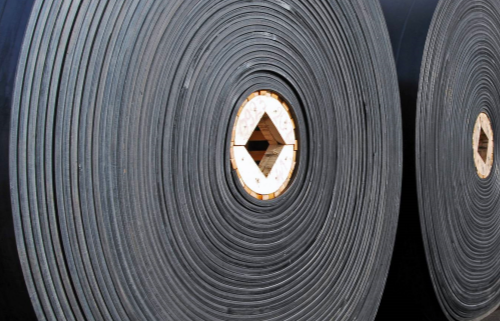
Rubber Conveyor Belt HS Code

Conveyor Belt Selection for Mining, Quarry, and Bulk Material Lines

Buyer brief. This article is written for plant engineers who need a full product-line guide for buyers choosing belts for mining, quarry, cement, aggregate, and port conveyors. It focuses on real conveyor belt products, site conditions, and purchasing checks that affect performance after the roll reaches the plant.

A useful conveyor belt article should help a buyer choose a belt that can actually run on the conveyor. The first decision is not only price or availability. It is whether the product family, cover rubber, carcass, width, roll length, and packing match the line. Gram Conveyor supports buyers who need practical belt options for industrial replacement, project supply, dealer stock, and export orders.

Gram Conveyor’s product range gives plant engineers practical choices instead of a single generic belt. The main pages to compare for this order are Conveyor Belt, rubber conveyor belt, Steel Cord Conveyor Belt, Fabric Conveyor Belt. The right product depends on the carried material, conveyor length, loading point, pulley size, belt speed, temperature, and how quickly the plant needs a replacement roll available.

For mining, quarry, cement, port, and aggregate handling, the buyer should start from the product family and then narrow the order into a real specification. Rubber cover protects the belt from abrasion, heat, fire risk, moisture, and impact. EP and NN fabric carcasses help control strength, flexibility, and elongation. Steel cord construction is considered when long centers or high tension make fabric belt unsuitable. A short site note and one product page link can prevent a wrong quotation. This is why the same keyword can describe several different belts once the site conditions are known.

conveyor belt product options for industrial buyers
conveyor belt selection should begin with belt construction, cover grade, and real conveyor duty.

conveyor belt product options for plant engineers

Conveyor Belt

Use this product family when the specification points toward the main duty described in the buying file for mining, quarry, cement, port, and aggregate handling.

View Conveyor Belt

rubber conveyor belt

Use this product family when the specification points toward a related belt construction or cover requirement for mining, quarry, cement, port, and aggregate handling.

View Product Range

Steel Cord Conveyor Belt

Use this product family when the specification points toward a stronger, lighter, or more specialized alternative for mining, quarry, cement, port, and aggregate handling.

View Product Range

Fabric Conveyor Belt

Use this product family when the specification points toward a comparison option before final approval for mining, quarry, cement, port, and aggregate handling.

View Product Range

Product option Where it helps What to check before buying
Conveyor Belt Useful when the buyer needs a proven starting point and wants fewer specification surprises. Confirm width, length, cover grade, top and bottom cover, and roll marking.
rubber conveyor belt Often lowers risk by matching cover rubber or carcass construction to the actual material. Check pulley diameter, splice method, loading impact, and operating temperature.
Steel Cord Conveyor Belt Can reduce replacement problems when tension, impact, or service temperature are reviewed early. Review tensile rating, elongation, edge condition, and expected service life.
Fabric Conveyor Belt Helps dealers and project buyers compare stock, lead time, and inspection requirements. Ask for packing photos, roll labels, and inspection records before shipment.
EP rubber belt Adds a specialist option when the standard belt family is not enough for the duty. Compare the product page with the actual conveyor duty before approving price.

conveyor belt specifications buyers should confirm

A useful specification starts with the belt width, required roll length, ply count or tensile rating, top cover, bottom cover, edge type, and intended splice method. Model references such as EP400/3, EP800/4, NN100, ST steel cord help the buyer describe carcass strength and duty level in a way the factory can produce. If the old belt has a label, send a photo. If the label is missing, measure the width and total thickness, record the material handled, and note the conveyor center distance.

Cover grade is where many buying mistakes begin. Abrasion-resistant rubber is common for stone, aggregate, clinker, and recycling. Heat-resistant grades are used when material temperature can damage ordinary rubber. Fire-resistant grades matter for coal and some mining lines. A fabric belt, rubber belt, steel cord belt, or special-purpose belt can all be correct, but only when the cover and carcass match the duty.

conveyor belt model and construction notes

Model names and belt families should be used to clarify the construction, not to decorate the order. EP400/3, EP800/4, NN100, ST steel cord are useful references because they point to carcass strength, elongation, and duty level. The buyer should still confirm belt width, cover thickness, pulley diameter, and splice plan so the product can be produced and installed without guesswork.

where this conveyor belt approach fits best

This topic fits main conveyors, transfer points, stockyard belts, and replacement projects where the buyer needs one product range to compare several belt constructions. In a real plant, the choice is rarely made by keyword alone. A buyer needs to know whether the belt runs under a chute, carries sharp lumps, works outdoors, moves hot material, or sits as a spare roll in a warehouse. Those details decide whether a standard rubber belt is enough, an EP or NN fabric belt is more practical, or a steel cord or mining belt should be reviewed.

It is also important to know when not to use the simplest option. very hot, underground coal, long overland, or high-impact lines may need a heat-resistant, fire-resistant, steel cord, or mining-grade structure instead of a general belt. A slightly higher product cost can still be the economical choice when it prevents belt tearing, repeated splicing, urgent freight, or production downtime.

A practical replacement example is a plant that needs one belt urgently but also wants to avoid the same stoppage next season. The buyer can order the immediate roll and, at the same time, confirm whether the next spare should be the same construction or a better-matched rubber, fabric, or steel cord belt. That small review often saves more than negotiating a small discount on the wrong product.

when this conveyor belt choice is right

It is the right choice when the belt family, cover grade, and carcass construction match the conveyor instead of just matching a catalog name. Buyers can keep cost under control by choosing standard widths, combining repeat sizes, and avoiding unnecessary special covers. They should not remove the features that protect uptime: the right cover, enough carcass strength, proper roll length, and packing that survives transport.

when buyers should choose a different belt

A different product is safer when the conveyor has high impact, high temperature, underground fire-risk duty, long-distance tension, or a steep incline profile. In those cases, the order may need mining belt, heavy-duty rubber belt, steel cord belt, heat-resistant belt, fire-resistant belt, chevron belt, pipe belt, or sidewall construction. The product page should be used as a technical starting point before the buyer approves the quote.

conveyor belt inspection and packing details
Inspection, clear labels, and protected packing help keep conveyor belt orders traceable.

conveyor belt quality checks, packing, and supply planning

Quality control should be visible before the belt leaves the factory. Buyers can ask for photos of the belt surface, edge, roll label, packing, and measurement points. The inspection record should confirm belt width, roll length, total thickness, top cover, bottom cover, belt type, and order reference. For fabric belts, adhesion and ply condition matter. For steel cord belts, cord arrangement and rubber penetration deserve closer attention. For heat-resistant and fire-resistant grades, the compound choice should be clear in the order record.

Packing is part of the supply, especially for export, wholesale, and long-distance project orders. Heavy rolls need strong cores, waterproof wrapping, edge protection, readable marks, and safe loading instructions. Dealers should keep roll labels visible so the warehouse can separate EP belt, NN belt, rubber belt, steel cord belt, and special cover grades without opening every roll.

Buyer checklist before approval:

  • Match the belt family to the application and carried material.
  • Confirm width, roll length, ply or tensile rating, top cover, bottom cover, and cover grade.
  • Check pulley diameter, transition distance, loading impact, temperature, and storage conditions.
  • Ask for label details, packing photos, and inspection photos before shipment.
  • Keep the selected product page, specification, and purchase record in the same file.

conveyor belt sourcing notes for the order file

A strong order file should connect the product page, the conveyor duty, and the commercial details in one place. For example, Conveyor Belt may be the main reference, but the buyer should still record whether the belt is replacing an existing roll, stocking a dealer warehouse, or supporting a new conveyor project. The same product family can require different cover thickness, roll length, packing, and inspection records depending on that purpose.

When several departments are involved, the file should be easy for everyone to read. The engineering team needs belt construction and pulley fit. The purchasing team needs price basis, lead time, and packing method. The warehouse needs roll marks, width, length, and storage instructions. The maintenance team needs splice allowance, spare roll planning, and installation timing. Keeping those details together makes the order more useful than a simple quote request.

For repeat orders, keep the last accepted specification and update only the details that changed. If the material, conveyor length, chute loading, or operating temperature changed, ask Gram Conveyor to review the belt family again. If the duty is the same, standardizing the product range can reduce buying time and help the plant keep the right spare roll ready.

FAQ about conveyor belt buying

Which product page should a buyer review first? Start with Conveyor Belt because it is the closest product family for this topic. Then compare rubber conveyor belt if the application needs a different carcass, cover compound, or duty level.

What information helps Gram Conveyor recommend the right belt? Share belt width, roll length, material type, loading height, lump size, temperature, belt speed, pulley diameter, and whether the belt will be stocked as a spare or installed immediately.

What specifications affect price and service life most? Width, length, ply count, tensile rating, cover thickness, compound grade, edge type, packing method, and inspection scope usually have the biggest impact.

How should rolls be checked after delivery? Check the label, packing condition, edge damage, surface marks, measured width, roll length, and document consistency before moving the belt into storage or installation.

product navigation for this belt order

Use Conveyor Belt as the first product reference for the buying file. Compare it with rubber conveyor belt when the duty needs a different cover grade, carcass, or operating range. If the application is still unclear, review Conveyor Belt so the final order starts from a published product page rather than a loose description.

View Conveyor Belt

View Product Range

The best purchase is the belt that fits the conveyor and arrives with the details needed for installation. For plant engineers, that means choosing the product family first, checking the specification against the real material, and keeping the inspection and packing requirements visible before production starts. That approach makes a conveyor belt order easier to compare, easier to receive, and easier to trust when the next shutdown window arrives. It also gives the team a cleaner reference for the next repeat order and future maintenance planning.

types of conveyor rollers

The relentless rumble of conveyor systems is the industrial heartbeat of any mine. When this familiar sound shifts into abnormal noises – grinding, screeching, whining, or rhythmic knocking – it signals distress within the rollers, the critical components supporting and guiding the endless belt. Ignoring these acoustic warnings is a costly gamble, leading to catastrophic roller failure, belt damage, unplanned downtime, and significant safety hazards. Improve conveyor reliability with proactive maintenance, correct bearing selection, precise alignment, and advanced condition monitoring. Effective diagnosis requires a systematic approach, starting from the very heart of the roller – the bearing – and extending to the often-overlooked geometry of roller installation.

The Crux: Bearing Selection and Failure Modes (The Source of the Sound)

The bearing is the primary source of noise in a roller. Choosing the right type and understanding its failure modes are key to effective diagnosis. This includes considering construction, sealing, lubrication, internal clearance, and material—each playing a critical role in bearing performance, particularly in the harsh and demanding conditions found in Heavy Duty Roller Conveyor systems used in mining operations.

Bearing Selection Imperatives for Harsh Mining Environments

Robust Construction

Deep groove ball bearings are common, but spherical roller bearings often perform better under high radial loads and misalignment. They are more durable in dirty and high-vibration conditions. Specialized mining-grade bearings offer enhanced reliability and longer service life, especially where extreme operating environments are involved.

Sealing is Paramount

Effective sealing prevents contamination from entering the bearing. Labyrinth seals are standard, while double-lip contact seals offer better protection but increase friction and temperature. The choice depends on dust, moisture, and slurry levels. Seal failure is a leading cause of early bearing damage, especially when operating in abrasive mining environments.

Grease Quality & Quantity

High-viscosity, extreme pressure grease designed for mining should be used. It often includes solid lubricants like molybdenum disulfide. Too little grease causes wear, while too much leads to overheating. Regular relubrication with the correct amount and type of grease is critical to bearing longevity and smooth, quiet operation.

Internal Clearance

Bearings often require more internal clearance than standard types (C3 or C4 grades). This helps compensate for shaft deflection, thermal expansion, and shock loads. Inadequate clearance can cause preload, increasing friction, noise, and operating temperatures. Proper clearance improves reliability and reduces the risk of early failure in heavy-duty applications.

Material Matters

Standard chrome steel is adequate for many environments, but in highly abrasive or electrically charged areas, harder materials or ceramic hybrids may be needed. Hardened steel components resist wear better, while ceramic balls reduce electrical damage like fluting. These options greatly extend bearing life under severe operating conditions.

Common Roller Bearing Failure Modes & Associated Noises

Failure ModePrimary CauseTypical Noise CharacteristicsContributing Factors
ContaminationDust/Water Ingress, Seal FailureGrinding, Crunching, Gritty SoundHarsh Environment, Poor Seals
Lubrication FailureInsufficient Grease, Degraded GreaseHigh-Pitched Screeching, WhiningExtended Intervals, Wrong Grease Type
Fatigue SpallingMaterial Fatigue, OverloadingRhythmic Clicking, KnockingHeavy Loads, High Cycles, Contamination
BrinellingShock Load, Improper InstallationRhythmic Clicking (often single)Hammering Bearings, Rock Impact
Cage DamageImpact, Fatigue, ContaminationIrregular Rattling, SlappingSevere Vibration, Misalignment
CorrosionWater Ingress, CondensationRustling, Grinding, Intermittent SquealWet Environment, Inadequate Seals
The bearing is the primary source of noise in a roller

Beyond the Bearing: Installation Geometry and Alignment (The Amplifier)

Even with the right bearing in perfect condition, improper roller installation can cause abnormal noise. Misalignment and incorrect angles lead to uneven load distribution, increased stress, and amplified vibrations. These issues often stem from installation errors in the roller frame or idler configuration, which distort the roller’s operating geometry. They can be effectively resolved through proper installation practices and the use of a China conveyor roller idler frame designed with precise alignment and durable construction, ensuring the roller’s operating geometry remains stable.

The Critical Role of Roller Frames and Idler Angles

Frame Distortion

When roller frames are bent, twisted, or installed out of square, rollers cannot sit parallel to the belt path. This misalignment places continuous stress on bearings. Even small angular deviations can result in excessive wear, noise, and a shortened operational lifespan due to the constant forced correction of movement.

Idler Angle Misalignment

Conveyors utilize conveyor troughing idlers, typically in sets of three rollers. The precise angles of the wing rollers (usually 20°, 35°, or 45°) are crucial for forming the trough and ensuring even belt and load distribution across all rollers. Deviations from the specified angle cause:

  • Uneven load sharing (some rollers carry more weight)
  • Conveyor Belt Mistracking, leading to edge damage and uneven roller wear
  • Increased rolling resistance and friction noise
  • Side forces on bearings they are not designed to handle

Impact of Installation Geometry on Roller Performance & Noise

Geometry IssueConsequence on Roller/BearingPotential Noise ManifestationsCorrection Method
Frame MisalignmentBearing Misalignment, Uneven LoadWhining, Grinding, Rhythmic ThumpingLaser Alignment, Frame Straightening
Incorrect Idler AngleUneven Belt Loading, Belt MistrackingSquealing (Edge Rub), Flapping, Uneven WearAngle Verification/Adjustment (Inclinometer)
Non-Identical Angles in SetSevere Uneven Loading, Belt InstabilityChatter, Variable Grinding/WhiningPrecise Setting of All Wing Rollers
Loose Mounting BoltsRoller Instability, VibrationRattling, ClunkingRe-tightening, Structural Reinforcement

Diagnosis Methodology: Pinpointing the Culprit

Effective diagnosis of roller-related noise demands a systematic approach that blends observation, listening, and technology. Operators should begin with basic sensory inspection—what can be seen, heard, or felt—and then escalate to advanced diagnostic tools. This tiered strategy helps isolate the root cause efficiently, reduces guesswork, and allows for both early intervention and long-term reliability improvements in Mine Conveyor Rollers and overall conveyor system operation.

Initial Inspection and Isolation

Visual

Begin with a visual inspection of the conveyor system. Look for seized or visibly damaged rollers, bent or twisted frames, and signs of severe belt mistracking. Grease leaks, corrosion, or buildup of debris around rollers may also indicate excessive friction or bearing failure. These clues provide a fast, low-cost way to narrow down problem areas before using more advanced tools.

Auditory

Walk the conveyor while it’s operating and listen for abnormal sounds such as grinding, clicking, or whining. Try to locate where the noise originates and determine if it changes with speed or load. Use a mechanic’s stethoscope or carefully place a screwdriver against the roller end caps to amplify and isolate the sound. This helps pinpoint the affected roller or bearing more precisely.

Tactile

After ensuring all safety procedures are followed, place your hand lightly on the roller end caps to detect excess heat or vibration. Heat often signals lubrication breakdown, overloading, or internal friction, while vibration may point to early-stage misalignment or damage. These tactile signs, though basic, can be extremely valuable in identifying rollers that are under abnormal stress.

Advanced Techniques

Infrared Thermography

Thermal imaging reveals rollers that are significantly hotter than their neighbors—an immediate red flag. Heat often results from internal friction caused by bearing seizure, overloading, or misalignment. Since it is non-contact, infrared thermography is especially useful during live inspections and can quickly identify issues in hard-to-reach or dangerous areas without interrupting operation.

Vibration Analysis

This is one of the most precise tools for diagnosing bearing problems. By attaching accelerometers to rollers, you can measure vibration signatures. Specific frequency patterns indicate defects in the inner race, outer race, rolling elements, or cage. Vibration analysis can also detect misalignment, unbalance, or looseness—often weeks or months before any audible noise appears.

Ultrasonic Detection

Ultrasound tools detect high-frequency sound waves created by early-stage bearing damage, lubrication failure, or even pneumatic air leaks. These frequencies are often beyond human hearing but can be picked up with handheld ultrasonic detectors. The technique is excellent for pinpointing defective rollers in large systems and works well even in loud industrial environments.

diagnosis of roller-related noise demands a systematic approach

Correction Strategies: From Bearings to Angles

Once a noise issue is diagnosed, correction must target the root cause—not just the symptom. Whether the problem originates from the bearing itself or the roller’s installation geometry, a lasting solution requires precision, proper parts, and adherence to best practices. Corrective actions should prevent recurrence and restore the system to reliable, quiet operation.

Bearing-Related Corrections

Replacement

Bearings that show signs of significant damage must be replaced without delay. Use the exact type and specification—matching size, seal type, and internal clearance (e.g., C3 or C4). Substituting with incorrect bearings can result in repeat failures or continued noise due to mismatch in load handling or thermal tolerance.

Re-lubrication

If the bearing is only slightly degraded and not yet damaged, flushing out old grease and applying the correct type and quantity may extend its life. This is only effective if done early. Follow the equipment manufacturer’s guidelines for grease selection and relubrication intervals to ensure proper film formation and protection.

Seal Repair or Replacement

Damaged seals allow contaminants to enter and cause recurring failures. Replace any worn, cracked, or missing seals promptly. In high-contamination areas, consider upgrading to double-lip or labyrinth seals. Ensuring seal integrity is a simple, cost-effective step that significantly improves bearing life and operating noise levels.

Handling and Installation

Bearings must be installed cleanly and using the right tools. Use induction heaters or bearing presses—never hammer bearings directly, as this can cause brinelling. Ensure correct shaft and housing fits to prevent excessive preload or clearance. Improper installation is a major cause of premature noise and failure.

Installation Geometry Correction

Laser Alignment

Laser alignment systems offer precise alignment of the entire conveyor structure—including head, tail, and intermediate frames. This ensures that rollers are aligned with the belt path. It corrects small angular misalignments that can otherwise lead to uneven loads, belt drift, and amplified noise across multiple rollers.

Frame Straightening or Replacement

Visibly bent or twisted roller frames must be repaired or replaced. Misaligned or warped frames throw off roller position and stress the bearings. Even small distortions can result in cumulative misalignment over long conveyor runs. Proper frame geometry is foundational to quiet, efficient roller operation.

Idler Angle Verification and Adjustment

Use digital inclinometers or angle gauges to check that wing rollers are set to their design angles, such as 35 degrees. If incorrect, loosen the mounting bolts, realign the rollers carefully, and retighten. All rollers in a set must be adjusted equally to ensure balanced load sharing and consistent belt support.

Belt Tracking Adjustment

Correcting roller angles and frame alignment sets the stage for effective belt tracking. Trained personnel should adjust training idlers using proper procedures. Poor belt tracking not only causes noise but also contributes to edge wear, mistracking, and stress on both bearings and the conveyor belt supporting structure over time.

Proactive Prevention: Minimizing Noise and Maximizing Uptime

Preventing roller noise and related failures requires a proactive approach. By focusing on design quality, installation accuracy, ongoing monitoring, and skilled maintenance, operators can extend equipment life, reduce unplanned downtime, and maintain a quieter, more efficient conveyor system. Prevention is more cost-effective than reactive repair and protects both productivity and safety.

Strategic Bearing Selection

Choose high-quality bearings designed for the specific application and environment. Consider sealing type, load requirements, and internal clearance. For mining, this often means spherical or mining-grade bearings with C3 or C4 clearance and advanced sealing. Investing upfront reduces long-term failure risks and maintenance costs.

Precision Installation

Follow strict procedures during both construction and maintenance. Ensure proper roller frame alignment, shaft seating, and conveyor idler angle settings. Use laser alignment tools to guarantee structural accuracy. Improper installation leads to misalignment stress and early bearing failure—regardless of component quality.

Robust Lubrication Program

Establish a consistent lubrication plan using the correct type and amount of grease. Use condition-based intervals informed by operating hours, load, and environment. Monitor grease condition and reapply before degradation causes damage. Over- or under-greasing leads to overheating, noise, or early bearing wear.

Regular Inspections

Schedule and perform regular visual and auditory inspections. Look for signs of wear, material buildup, belt mistracking, and grease leakage. Listen for new or changing noises. Include thermal checks to catch overheating rollers, which often signal friction or internal damage not visible externally.

Condition Monitoring

Use predictive maintenance tools like vibration analysis and infrared thermography. These techniques detect early-stage bearing wear, misalignment, and imbalance before failure occurs. Implement monitoring on critical conveyor sections. Early detection prevents major breakdowns and allows planned maintenance rather than emergency shutdowns.

Training

Train maintenance teams to understand bearing selection, installation techniques, idler angle importance, and correct lubrication practices. Emphasize early diagnosis methods such as tactile checks, sound recognition, and thermal monitoring. Well-trained personnel are essential for preventing minor issues from becoming costly failures.

Preventing roller noise and related failures requires proactive approach